Elemi absolute
Elemi absolute captures the luminous heart of the kenari tree. Distilled from resin harvested in the Philippines, this golden ingredient bridges fresh citrus brightness with warm, balsamic depth. It adds an aromatic complexity that perfumers prize for its versatility across fragrance families.
Character
How it smells
Philippine resin with luminous, citrus-resinous brightness.
The Philippines supplies over 90% of the world's elemi resin, with most harvesting concentrated in the Bicol and Luzon regions.







Origin
Philippines
Elemi has played a role in perfumery since ancient civilizations first discovered the aromatic potential of the kenari tree. The resin served ceremonial and medicinal purposes across Southeast Asian cultures long before perfumers recognized its olfactory value.
Early traders likely distributed small quantities along established maritime routes, though consumption remained modest. The ingredient gained prominence in European perfumery during the colonial era when Philippine resin supplies became more accessible.
Commercial production concentrated in the Philippines as the global demand for natural aromatics grew. Today's supply chain traces directly to those historic trade connections, with wild-harvested trees in the humid Filipino jungles remaining the primary source.
Wears it best
Fragrances featuring Elemi absolute
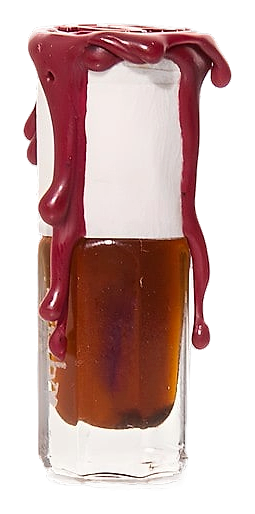
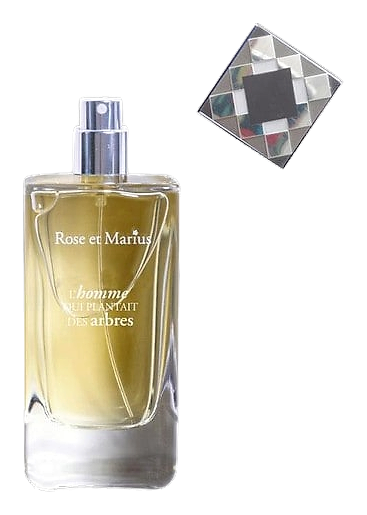
Brands
Brands known for Elemi absolute
Good to know
Questions, answered
The essentials on Elemi absolute in perfumery: how it smells, where it comes from, and how it behaves on skin.
What does elemi absolute smell like?
Elemi absolute combines sharp citrus notes with warm balsamic undertones and a faint piney freshness. It smells cleaner than frankincense yet deeper than typical citrus materials. The aroma reads as luminous, slightly spicy, and resinous with a hint of barely sweet gumminess.
Is elemi absolute natural or synthetic?
Elemi absolute is entirely natural, extracted from the resin of Canarium luzonicum using solvent extraction. No synthetic alternatives match its full aromatic profile. However, isolated components like alpha-pinene appear in laboratory forms for cost-sensitive formulations.
Where does elemi resin come from?
The Philippines produces over 90% of the world's elemi resin, primarily from the Bicol and Luzon regions. These areas offer the humid tropical conditions the Canarium luzonicum tree requires. Wild-harvested trees dominate production, though some cultivated stands appear in managed forests.
How is elemi absolute extracted from the resin?
Producers first tap the tree trunk by making careful incisions that cause resin to weep out. After collecting and drying the crude resin, workers use solvent extraction to produce the absolute. This method yields more body and balsamic sweetness than steam distillation while preserving the material's full aromatic complexity.
What fragrance families use elemi absolute?
Elemi absolute appears in colognes, woody fragrances, and oriental compositions most frequently. It functions as a bridge note between citrus and resinous elements. Perfumers also employ it in fougere, chypre, and certain masculine floral constructions where its brightness lifts heavier base materials.
Does elemi absolute contain any allergens?
Like most natural resin materials, elemi absolute contains limonene, which appears on fragrance allergen declaration lists. Regulatory bodies in the EU and other markets requireListing it when used above specified thresholds. The material remains safe in properly dosed cosmetic and perfume applications.
How does elemi absolute differ from elemi essential oil?
The essential oil comes from steam distillation and carries a lighter, more citrus-focused aroma profile. Solvent extraction produces the absolute, which contains more of the heavier balsamic molecules. The absolute offers greater staying power and depth in compositions, while the oil provides cleaner top notes.
What makes Philippine elemi unique among resin materials?
The geographic concentration in the Philippines creates a reliably sourced material with consistent chemical markers. The specific terroir of the Bicol and Luzon regions influences the resin's ratio of citrus to balsamic compounds. This regional specificity helps perfumers achieve predictable results when building fragrance accords.