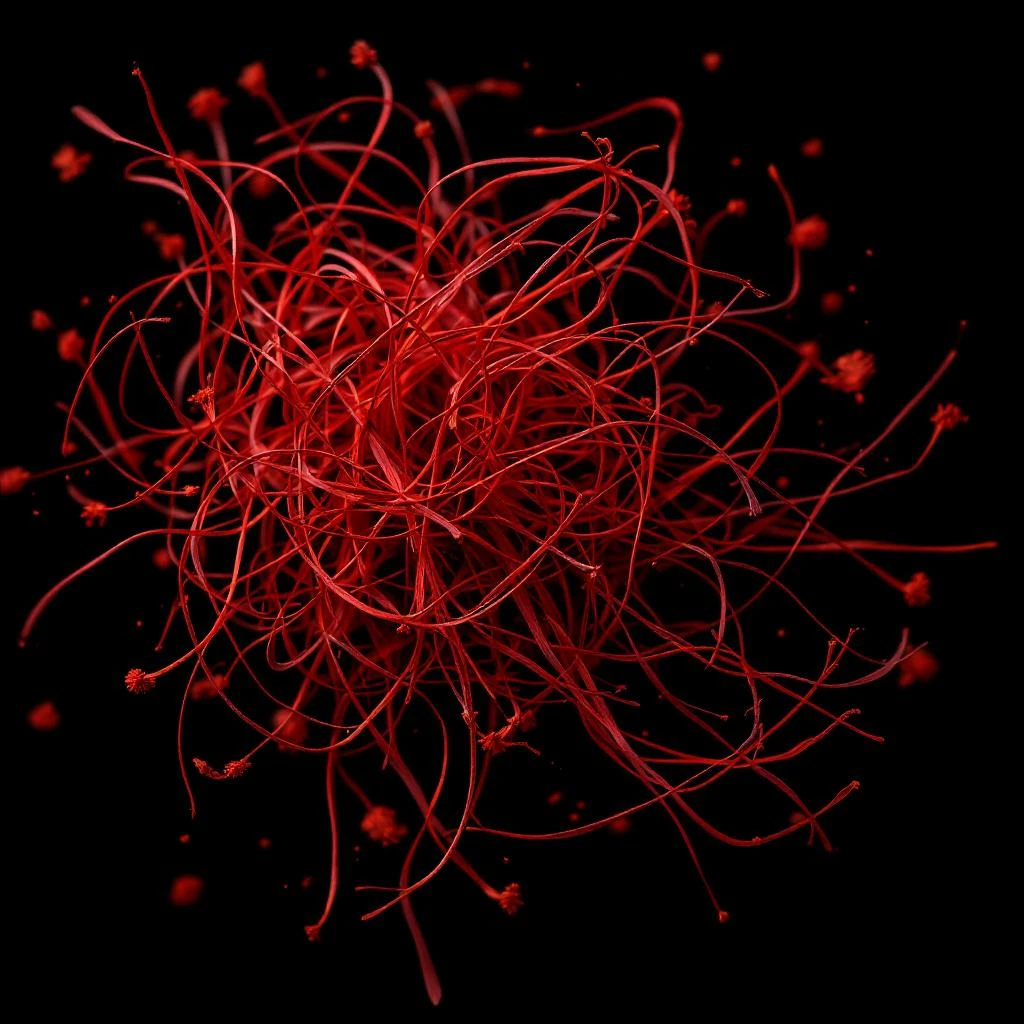
Sichuan Pepper
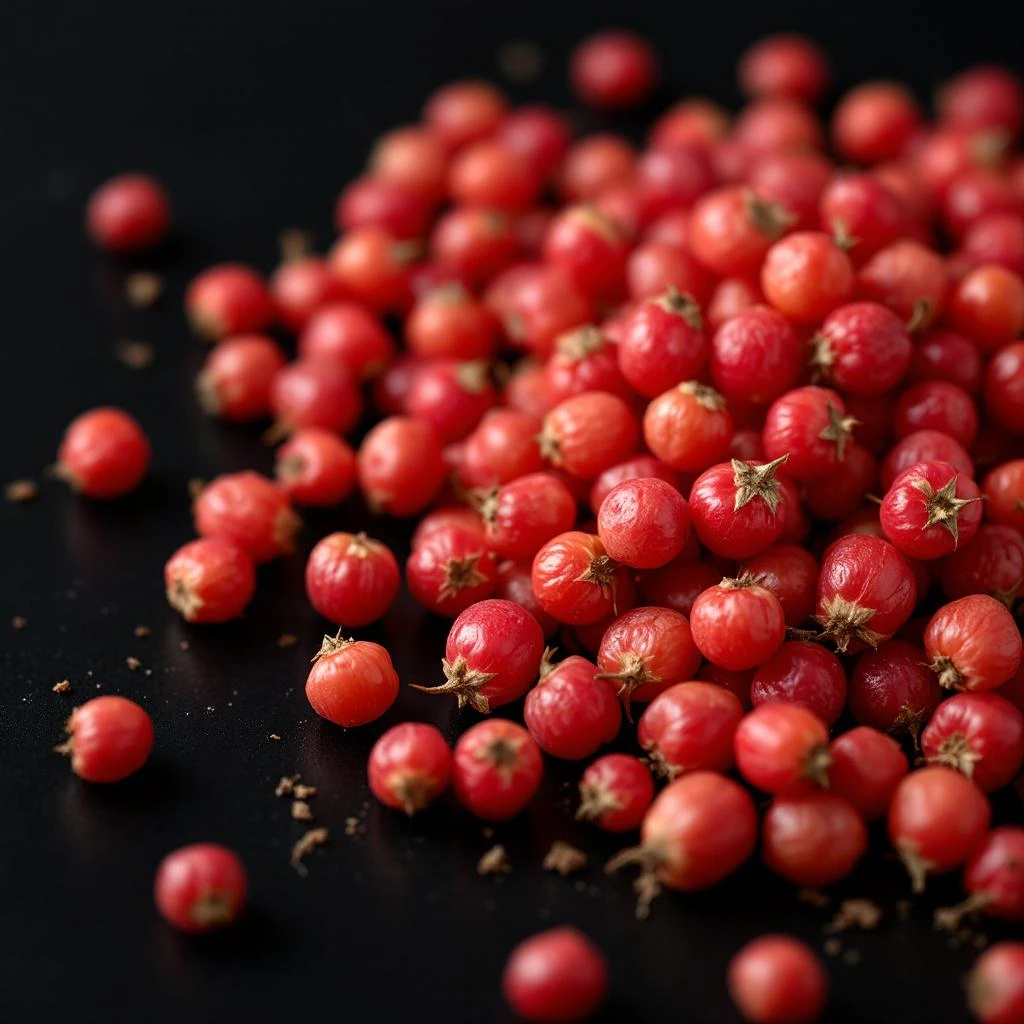
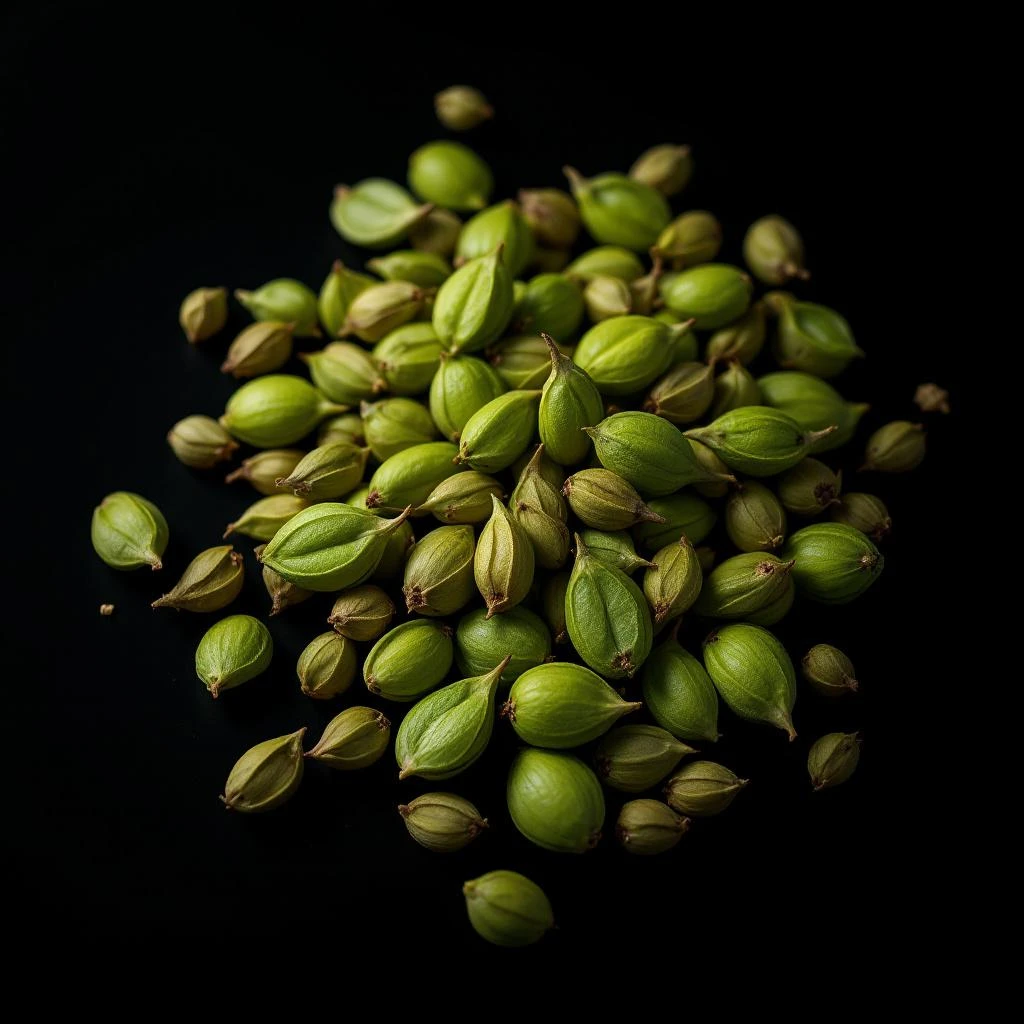
Sichuan pepper brings an electric tingle to fine fragrance. Extracted from the dried husks of Zanthoxylum shrubs native to China's Sichuan province, this ingredient delivers citrus-floral top notes wrapped in a distinctive numbing sensation that has captivated perfumers seeking something genuinely uncommon.
Character
How it smells
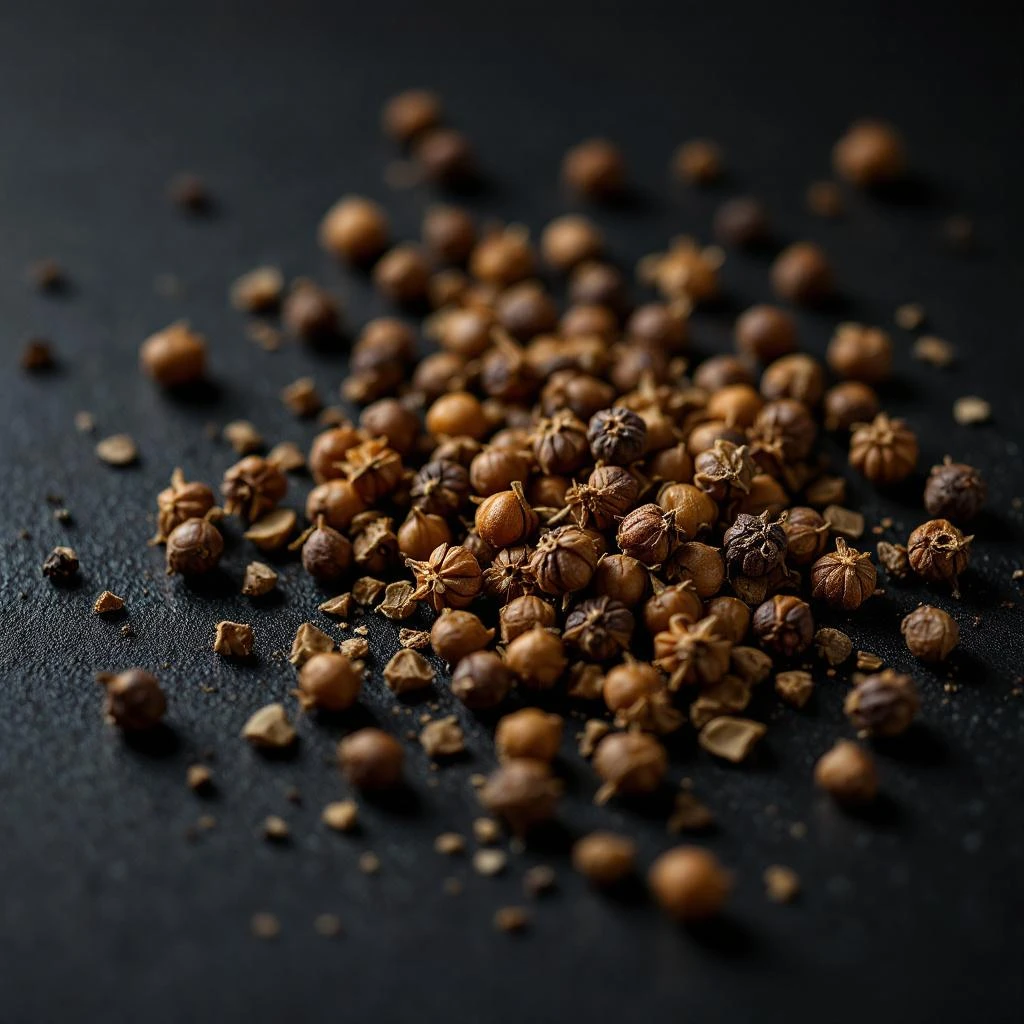
Citrus-electric tingle from China's spice country.
Sichuan pepper's signature tingle comes from sanshool, a compound that activates nerve receptors at 50 Hz, creating the same frequency your skin uses to signal light touch.









Origin
China
Sichuan pepper has grown wild in China's Sichuan basin for millennia, thriving in the humid mountain valleys of what is now Sichuan province. Chinese texts mention the spice as early as the Warring States period, though it rarely appeared in traded goods until the Silk Road routes matured. The ingredient forms one of five spices in the traditional Chinese five-spice blend, alongside star anise, fennel seed, cloves, and cinnamon.
Its global spread remained limited for centuries due to agricultural restrictions and its delicate nature as a fresh ingredient. Modern transportation changed this, and Sichuan pepper now travels worldwide from its highland origins near Chengdu, carrying the character of a specific landscape to fragrance laboratories everywhere.
Wears it best
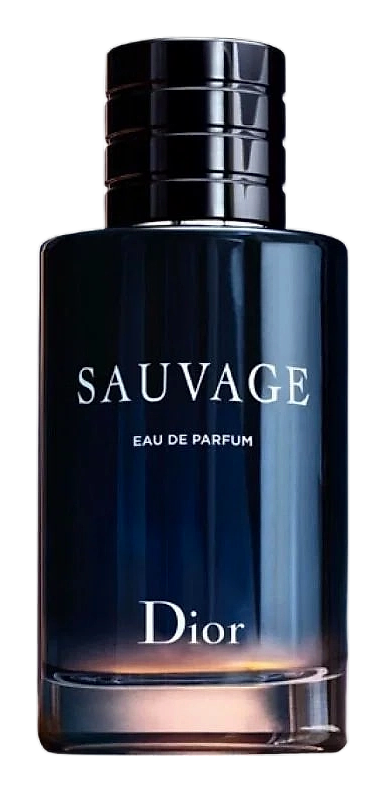
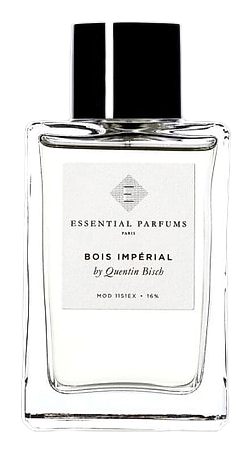
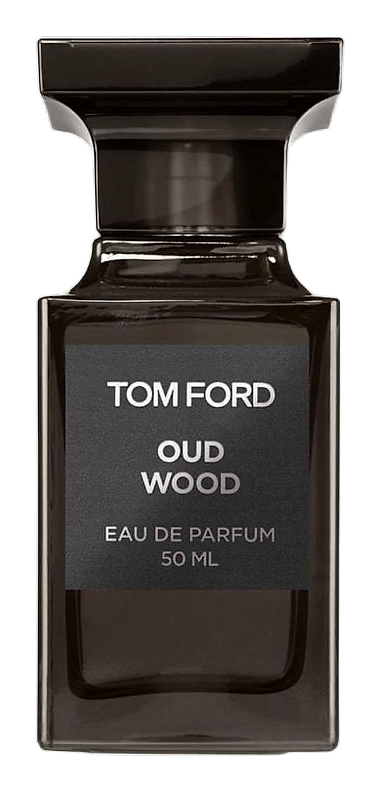
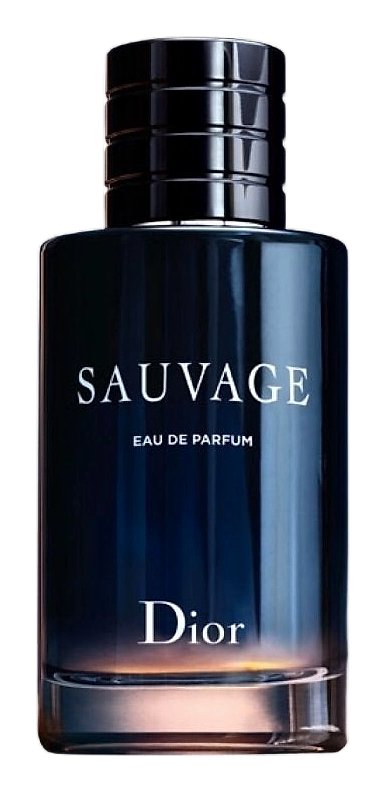
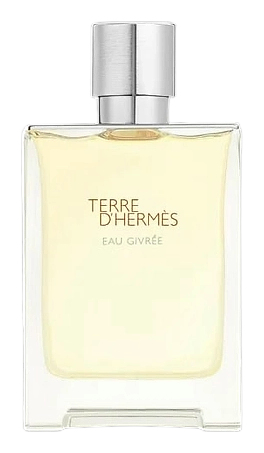
Fragrances featuring Sichuan Pepper


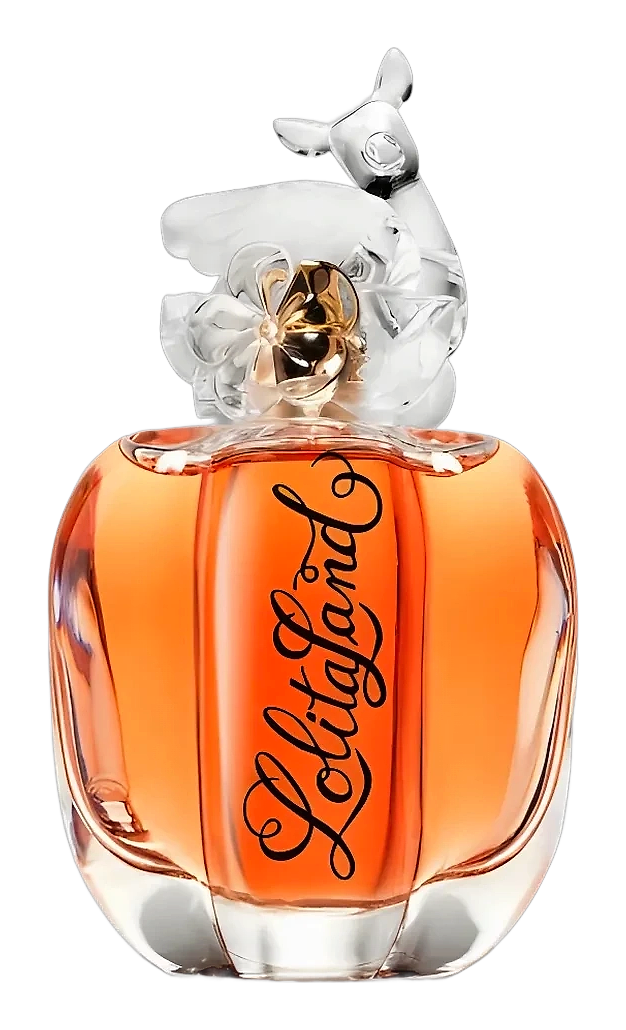

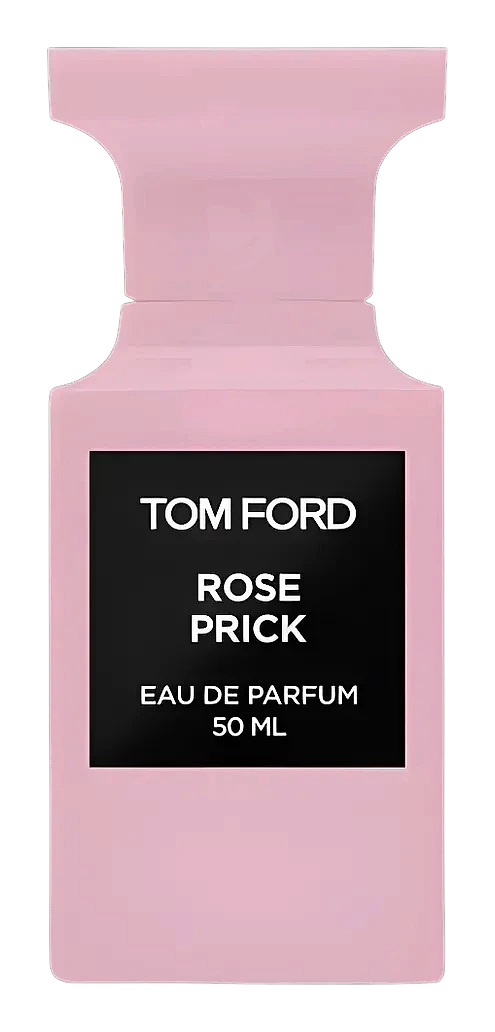
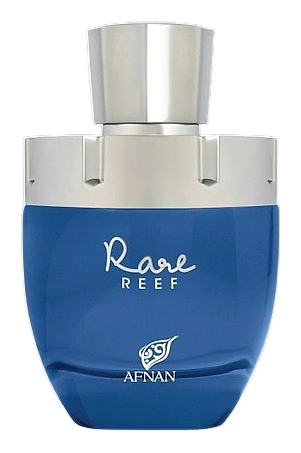
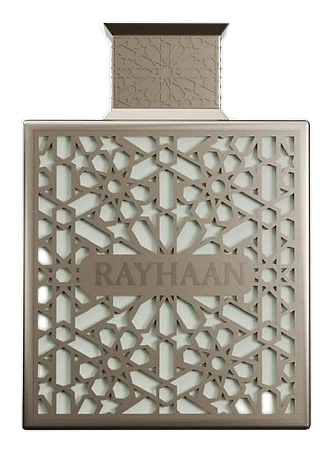
Brands
Brands known for Sichuan Pepper
Good to know
Questions, answered
The essentials on Sichuan Pepper in perfumery: how it smells, where it comes from, and how it behaves on skin.
What does Sichuan pepper smell like in perfume?
Sichuan pepper registers as bright and citrus-forward with underlying floral notes. It lacks the sharp heat of black pepper, instead offering a clean, electric tingle that adds dynamism to top notes. The effect is more felt than smelled, creating a sensation of freshness that amplifies surrounding ingredients.
How is Sichuan pepper extract made for perfumery?
Manufacturers use supercritical carbon dioxide extraction on dried Sichuan pepper husks. The CO₂ acts as a solvent under high pressure, pulling out aromatic compounds and sanshool without heat damage. This method preserves fragile citrus and floral molecules that other extraction techniques would destroy.
What makes Sichuan pepper unique among fragrance spices?
Sichuan pepper is the only common fragrance ingredient that produces a tactile sensation. The compound sanshool triggers tingling nerve activation at approximately 50 Hz, mimicking light touch receptors. This creates a cool, electric feeling on skin that no other botanical spice reliably delivers.
Where does perfumery-grade Sichuan pepper come from?
The best material originates from Sichuan province in southwest China, where the climate and altitude produce Zanthoxylum fruit with the highest aromatic concentration. Japan and the Korean Peninsula also cultivate related species, though Chinese Sichuan pepper remains the industry standard for fragrance use.
Does Sichuan pepper appear in men's or women's fragrances?
Perfumers deploy Sichuan pepper across gender categories without consistent pattern. The ingredient reads as modern and clean rather than masculine or feminine. It appears frequently in unisex fragrances seeking an angular, contemporary character and in gender-neutral editorial releases.
What fragrance families use Sichuan pepper?
Sichuan pepper belongs in fresh, aromatic, and fougère compositions. It pairs naturally with citrus, mint, and green notes where its tingle amplifies coolness. Perfumers also use it to sharpen oriental fragrances and to add kinetic energy to modern chypre structures.
Is Sichuan pepper natural or synthetic in fragrances?
Pefumery-grade Sichuan pepper is natural, extracted from Zanthoxylum fruit husks. No synthetic replicates capture the complete profile, particularly the tactile sanshool effect. Some fragrance houses create sanshool analogs in laboratories, but these lack the full aromatic complexity of the botanical extract.
How much Sichuan pepper do perfumers typically use?
Sichuan pepper functions as an accent rather than a foundation note. Most formulas include it at low percentages, typically below 2% of concentrate. The ingredient's power means even small amounts create measurable impact on the fragrance's perceived freshness and dynamism.