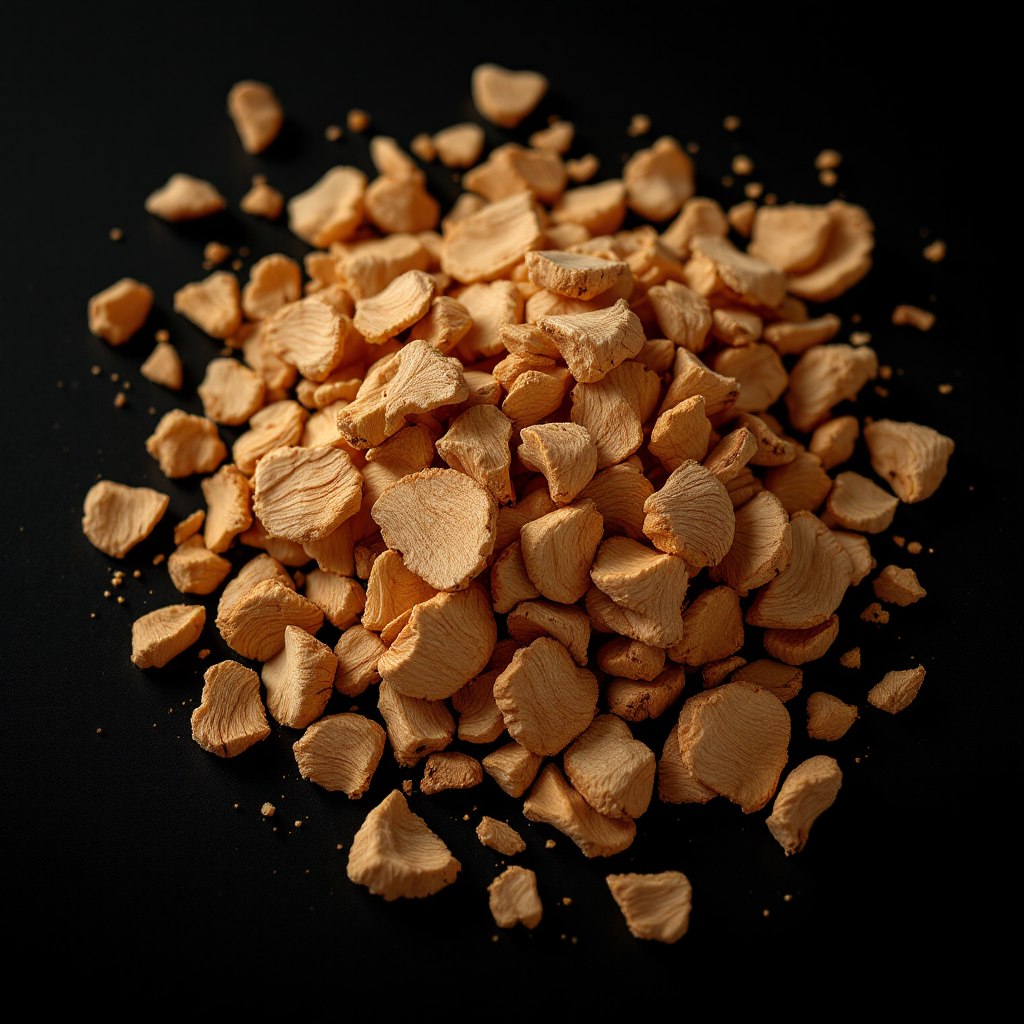
Java Vetiver
Java vetiver distills the earth itself. This Indonesian root yields an oil with smoky, dark chocolate depth and a leathery warmth that anchors men's fragrances with rare staying power.
Character
How it smells
The smoky, anchoring heart of Indonesian perfumery.
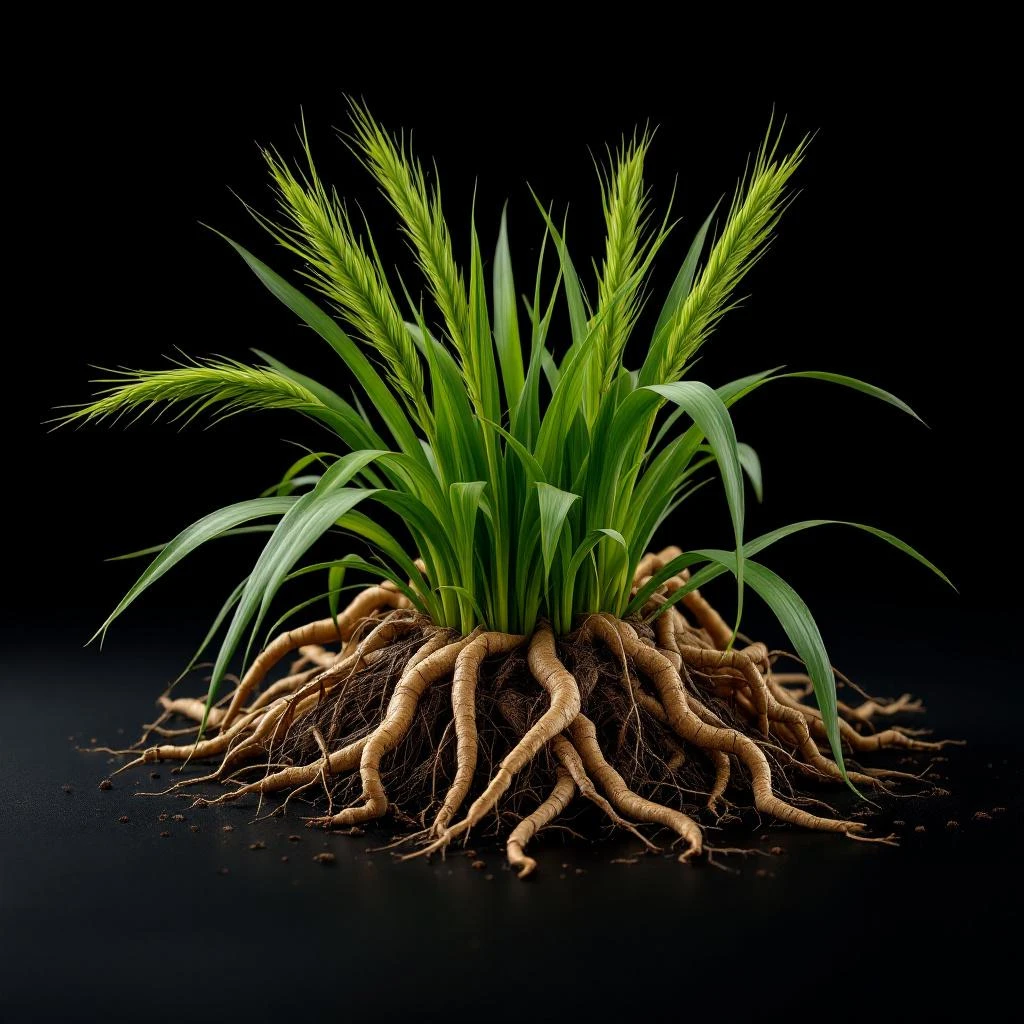
Vetiver roots can extend 2-4 meters into the soil, making the plant as much defined by what lies beneath as above.







Origin
Indonesia
Vetiver originated in India but spread across tropical Asia centuries before reaching Western perfumery. Arab traders distilled vetiver oil by the 12th century, though evidence suggests the Babylonians used aromatic roots as early as 1792 BCE.
The Dutch colonial presence in Indonesia established Java as a cultivation center, where local farmers developed expertise in growing and processing the roots for export. Western perfumery only discovered vetiver in the 19th century, a relatively late arrival compared to other natural materials.
Reunion Island began cultivating vetiver around 1900 specifically for the perfume industry, recognizing that its soil and climate produced exceptional essential oil quality. Today Java ranks among Haiti's Bourbon Réunion as a primary source of world vetiver production, prized for the volcanic terroir's influence on the oil's character.
Wears it best
Fragrances featuring Java Vetiver
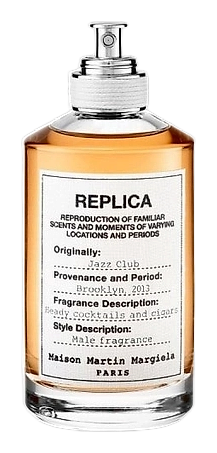
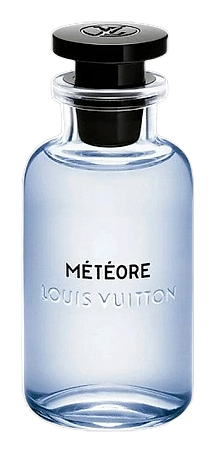
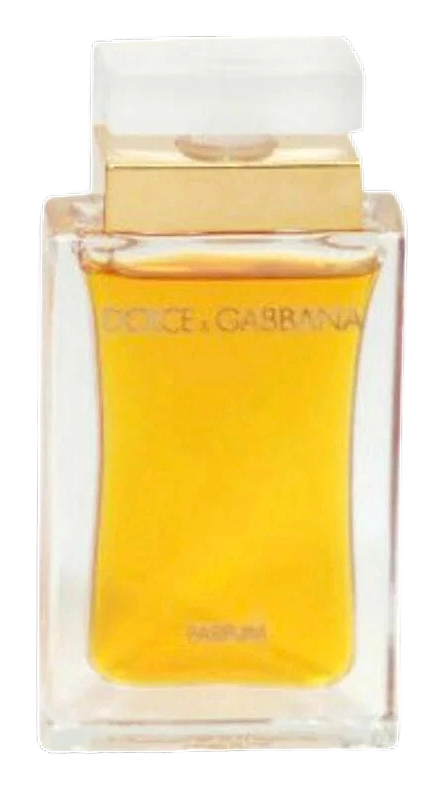
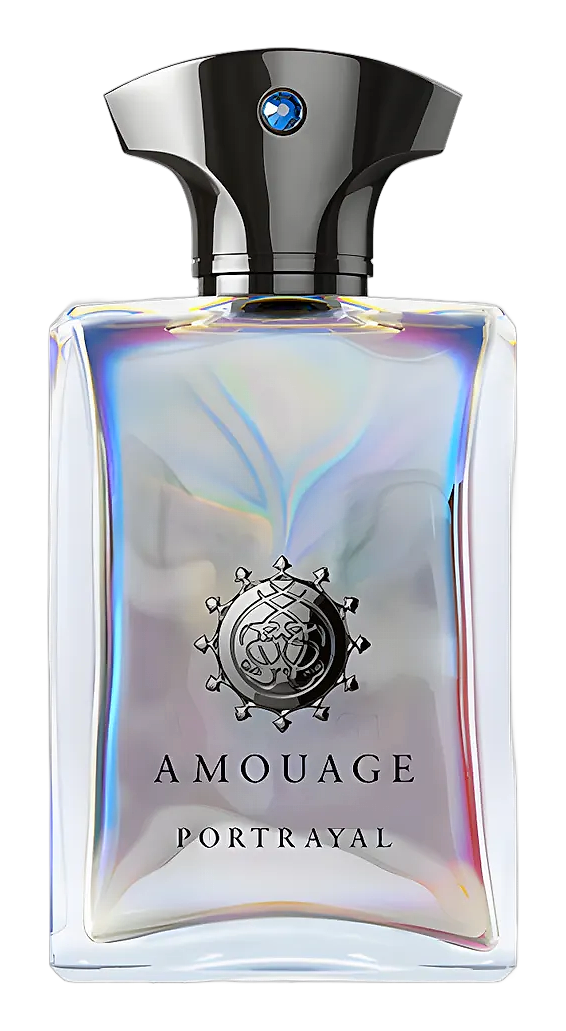

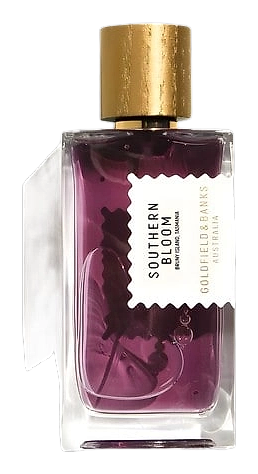
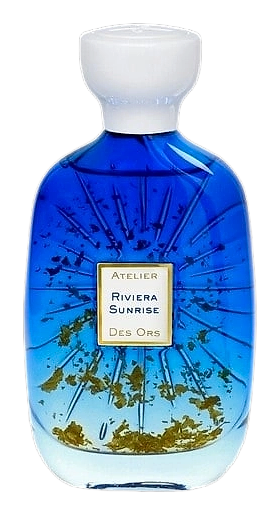
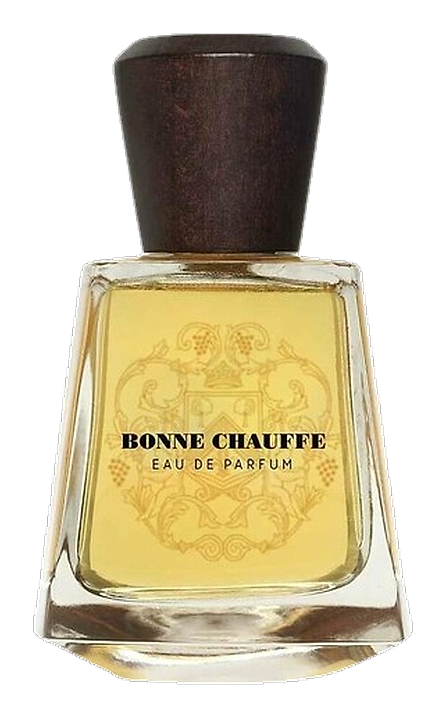
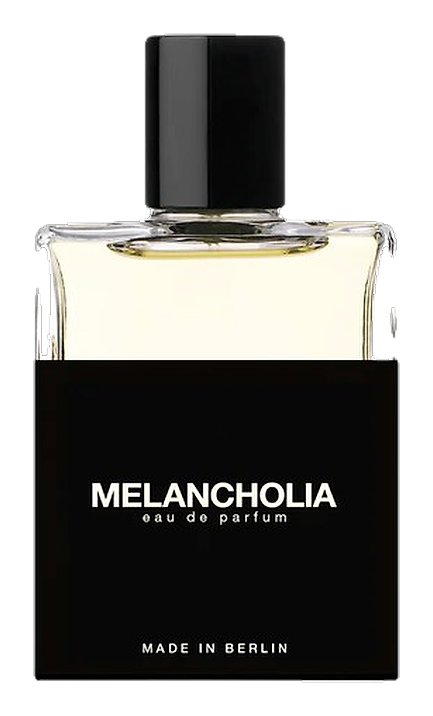
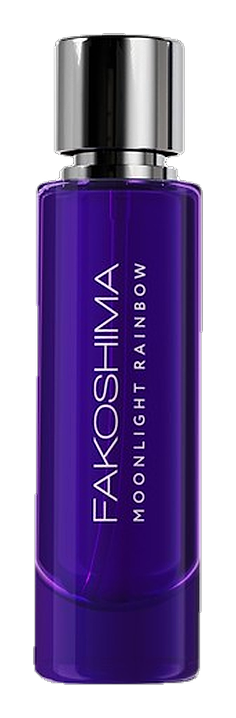
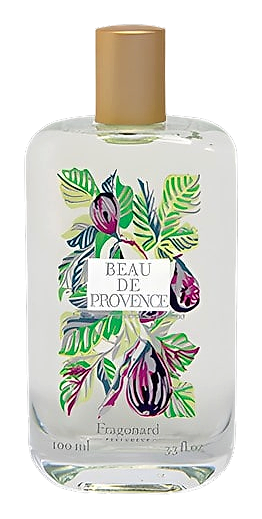
Brands
Brands known for Java Vetiver
Good to know
Questions, answered
The essentials on Java Vetiver in perfumery: how it smells, where it comes from, and how it behaves on skin.
What makes Java vetiver different from Haitian vetiver?
Java vetiver typically displays stronger smoky and bitter chocolate facets compared to the lighter, more citrusy profile of Haitian vetiver. The volcanic soils of Java and its distinct humid climate imprint the root oil with a darker, earthier depth that perfumers seek for rich, masculine compositions.
Why is vetiver used as a fixative in perfumery?
Vetiver ranks among the most tenacity-rich natural materials in perfumery. Its dense molecular structure slows the evaporation of lighter top notes, extending a fragrance's longevity on skin. This fixative power made vetiver indispensable to perfume houses seeking lasting sillage.
When did vetiver enter Western perfumery?
Vetiver made a relatively late entry into Western perfumery during the 19th century. While aromatic roots were known in Asia and the Middle East for centuries, European perfumers only began incorporating vetiver after colonial trade routes expanded access to tropical growing regions.
Why are vetiver roots used instead of the plant's leaves or flowers?
Vetiver's aromatic compounds concentrate almost exclusively in its extensive root system. The roots can extend 2 to 4 meters into the soil, developing dense oil reservoirs that give the material its characteristic earthy, smoky depth. The grass itself is virtually scentless.
Which fragrance families pair best with Java vetiver?
Java vetiver anchors woody, fougere, and chypre compositions most naturally. It also appears in modern ambers and select florals where perfumers seek grounding depth. The material's versatility spans from traditional masculine formulations to contemporary gender-neutral scents.
How does climate affect Java vetiver oil quality?
Java's tropical climate and volcanic soils create ideal conditions for vetiver cultivation. The combination of consistent warmth, high humidity, and mineral-rich earth produces roots with high oil content and a pronounced smoky, chocolate-like character that distinguishes the Indonesian material from other origins.
How long has vetiver been cultivated in Java?
The Dutch colonial administration established vetiver cultivation in Java during the 18th or early 19th century, drawing on local agricultural expertise. By the 20th century, Java had become one of the world's premier vetiver-producing regions alongside Haiti and Reunion Island.
What does vetiver smell like?
Vetiver smells like wet earth, smoked wood, and green depth rolled into one. The root delivers an earthy, slightly bitter quality with smoky undertones and a warm, ambery drydown. Java vetiver specifically leans into the darker, more resinous end of this spectrum.