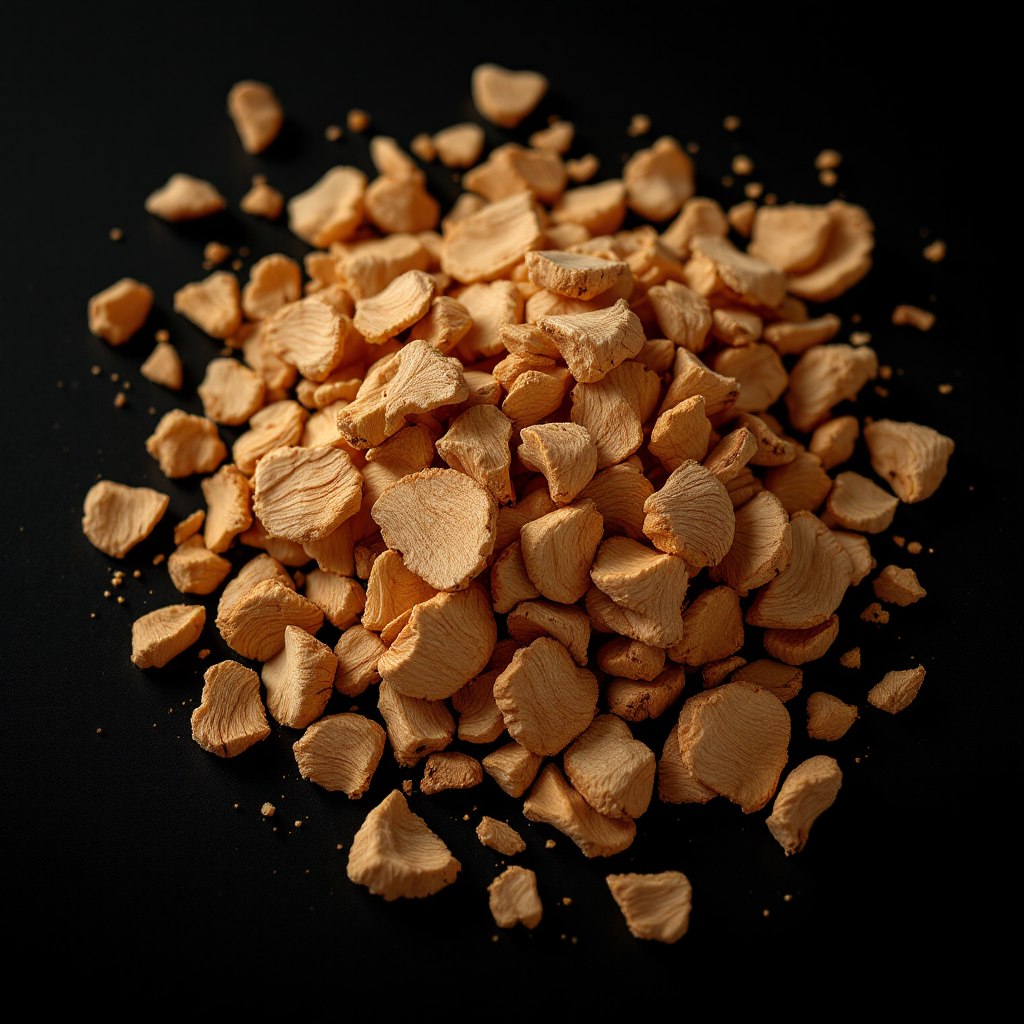
Pine
Pine delivers that unmistakable forest freshness — crisp, resinous, and deeply woody. Steam-distilled from Scots pine needles, this note captures the sharp clarity of woodland air in a bottle.

Character
How it smells
The sharp clarity of a winter forest, captured.
Ancient Greeks burned pine resin as incense in sacred rituals, believing the smoke carried prayers to the gods.








Origin
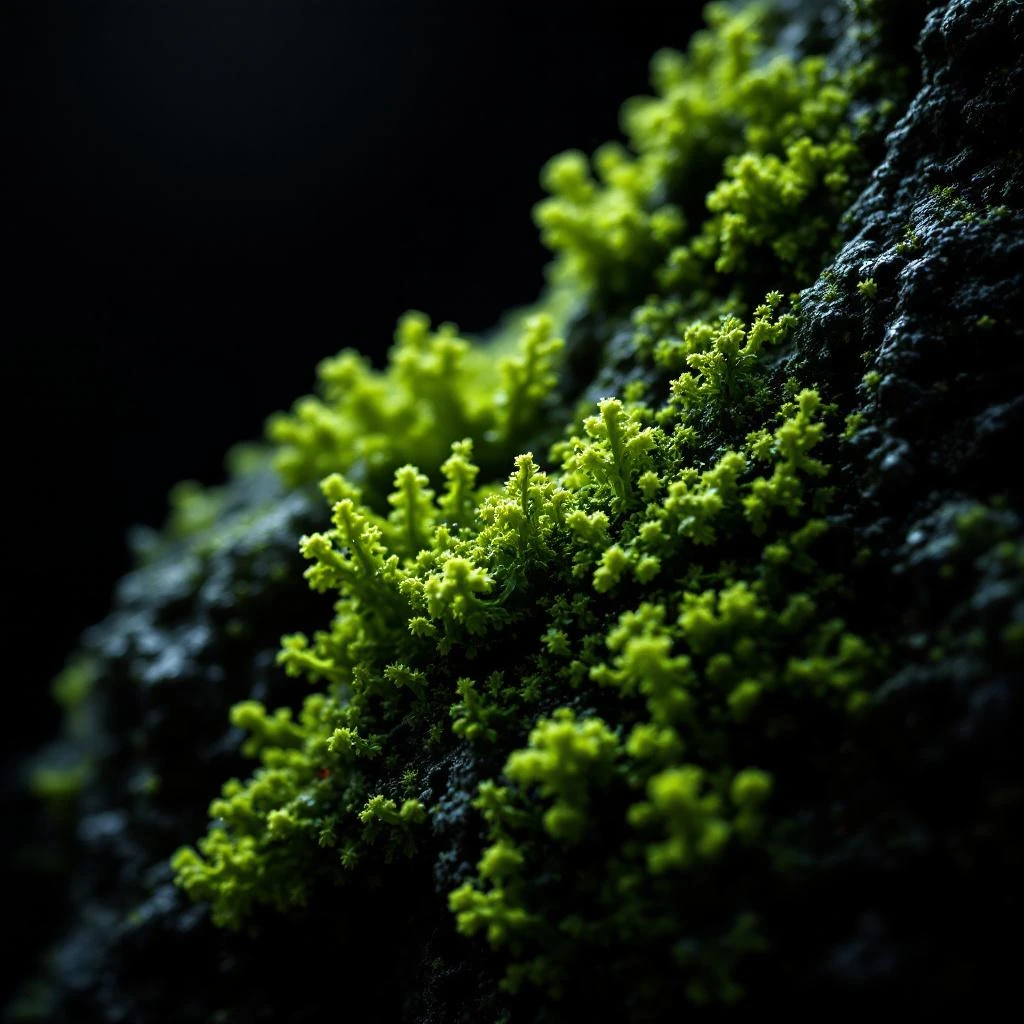
France
Pine has shaped human fragrance traditions for thousands of years. Ancient Egyptians imported pine resin from the Levant for incense and embalming.
Romans prized pine pitch for perfumed unguents, while Greek physicians including Dioscorides documented pine's aromatic properties in their medical texts. Medieval Europeans burned pine boughs to purify spaces during plague years.
The 19th century brought steam distillation techniques that transformed pine from a crude resin into a refined perfumery material. Today, French and Himalayan pine oils remain staples in forest, fougère, and chypre compositions.
Wears it best
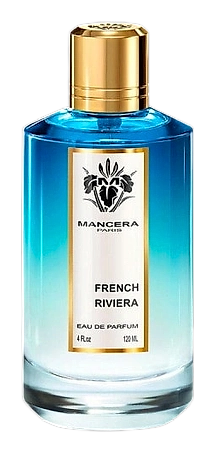
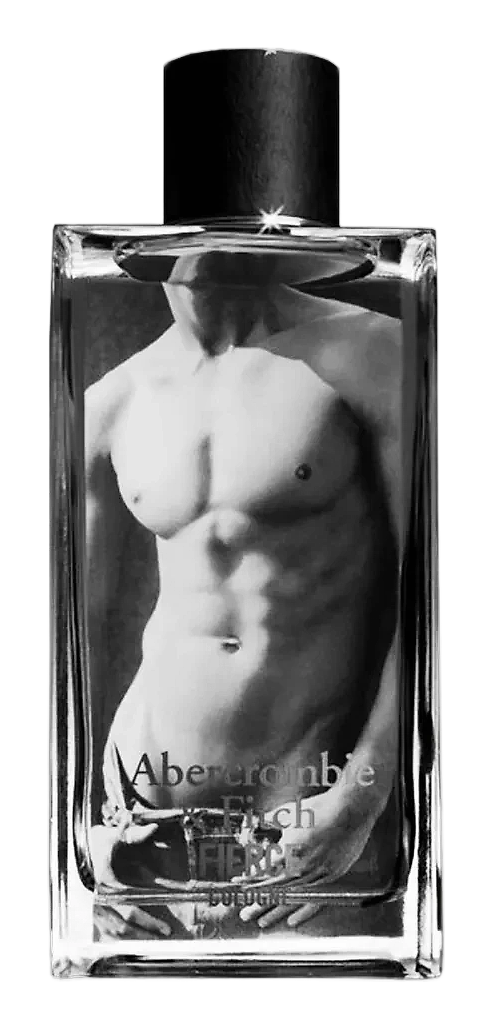
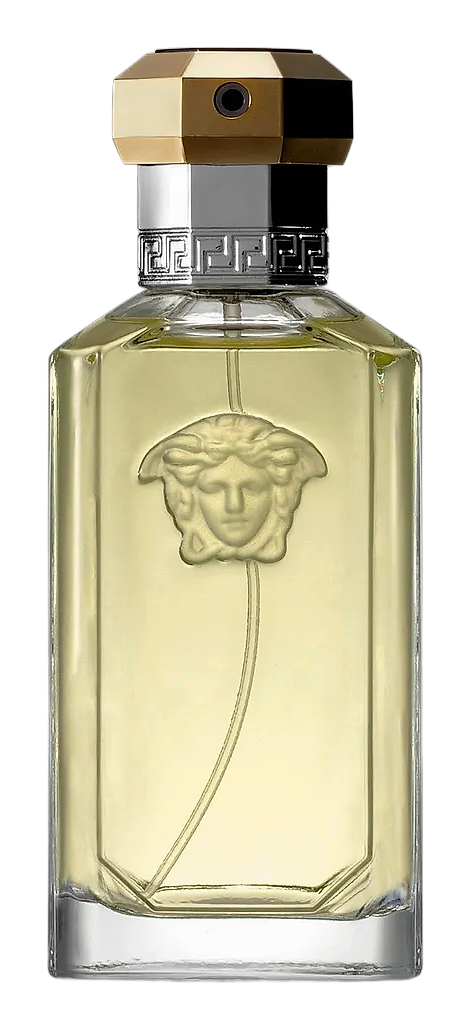
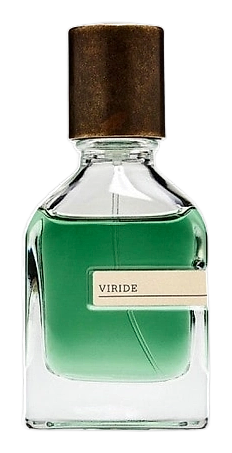
Fragrances featuring Pine




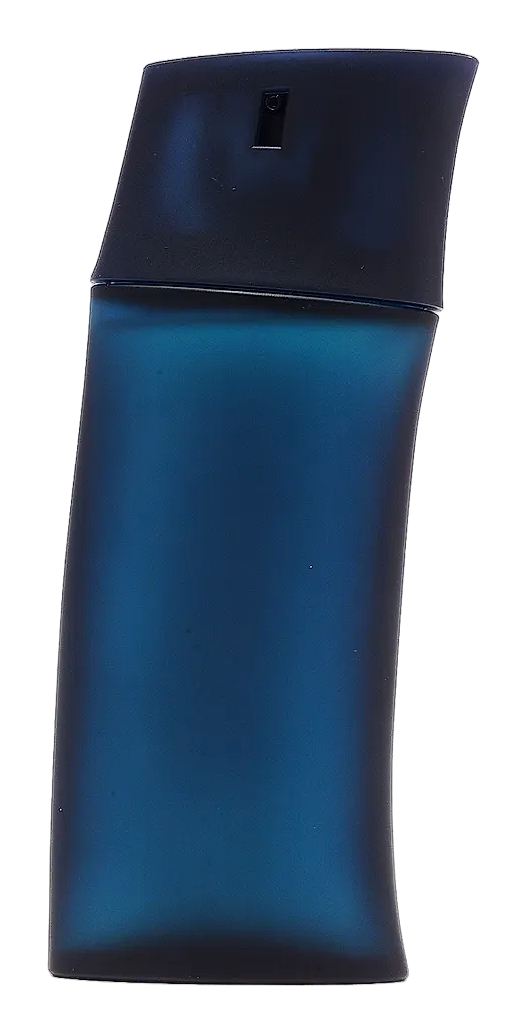
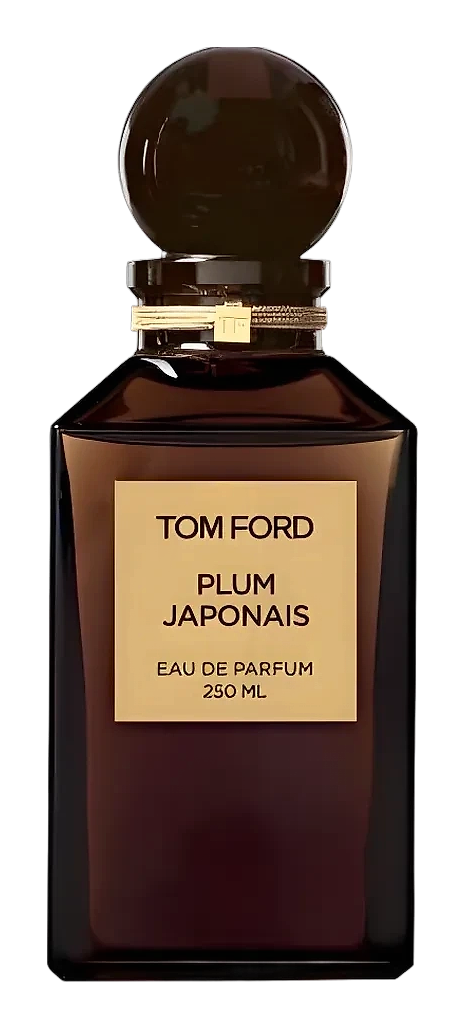
Brands
Brands known for Pine
Good to know
Questions, answered
The essentials on Pine in perfumery: how it smells, where it comes from, and how it behaves on skin.
What does pine smell like in perfume?
Pine smells fresh, resinous, and woody with sharp green top notes and dry, balsamic undertones. It evokes conifer forests and clean mountain air.
Is pine oil natural or synthetic?
Both exist naturally. Natural pine oil comes from steam-distilled Pinus sylvestris. Synthetic versions replicate specific terpenes like alpha-pinene for cost and consistency.
What type of fragrance families use pine?
Pine appears most in fougère,chypre, and woody compositions. It also anchors many men’s aftershaves and outdoor-themed fragrances.
Does pine oil last long on skin?
Pine oil performs as a top to heart note, lasting roughly 2-4 hours. Blending it with base materials like oakmoss extends its presence.
Which countries produce the best pine oil?
France, Russia, and the Himalayas produce the highest-quality pine oil. French oil from Provence is especially prized for its refined scent profile.
Can pine cause skin irritation?
Pine oil contains allergens that may irritate sensitive skin. IFRA limits its concentration in consumer products to 2% for leave-on applications.
How does pine differ from fir or spruce?
Pine is sharper and more turpentine-like. Fir offers sweeter, more citrusy notes. Spruce falls between them with a softer, more rounded evergreen character.
What blends well with pine?
Pine pairs naturally with cedarwood, juniper, lavender, and citrus. These combinations reinforce its forest character and add warmth or brightness.