
The Story
Why it exists.
The beginning
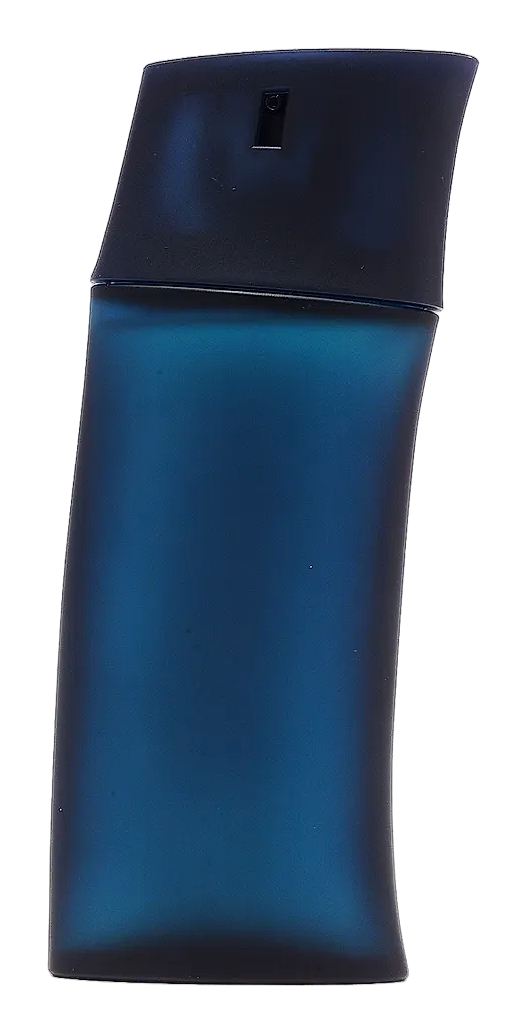
Christian Mathieu designed Kenzo pour Homme in 1991 with a clear ambition: take the aromatic woody masculine tradition and inject it with something genuinely unusual. The marine and conifer pairing was uncommon at the time, especially at designer price points. Mathieu wasn't designing a safe fresh scent for office wear, he was building a fragrance with real character, something that would announce its presence without shouting. The composition reflects the aesthetic of a man who finds vitality in unexpected places, drawing from the brand's philosophy that beauty exists everywhere for those willing to look.
What makes this work is the density of the pyramid. Ten heart notes, pine, juniper, carnation, nutmeg, rose, jasmine, peach, caraway, lily of the valley, orris root, could easily collapse into noise. Instead, they layer with purpose. The conifer base anchors everything, preventing the florals from going soft while giving the marine opening something substantial to land on. The Balsam Fir and Cedar in the base don't just support, they persist, keeping the drydown from dissolving into generic warmth.
The evolution
The opening arrives crisp and immediate. Sea notes and bergamot hit first, lemon brightening the citrus without becoming tart. Mahogany adds a slight weight beneath, not sweet, but present. Within minutes, the marine quality shifts. It becomes less oceanic, more like the smell of coastal pines when the air is damp. The heart unfolds gradually: juniper and pine lead, with carnation and nutmeg providing warmth that stops the composition from going sharp. Rose and jasmine appear quietly, adding texture without sweetness. By the third hour, the base takes over. Balsam fir and cedar create a dry, slightly resinous foundation. Sandalwood and musk settle close to the skin, vetiver adding an earthy counterpoint that prevents the wood from becoming purely linear. The drydown holds for several hours more, amber and labdanum give it quiet persistence, the kind that lingers in a room after you've left.
Cultural impact
Kenzo pour Homme carved a specific niche: the aromatic woody masculine fragrance that doesn't apologize for being marine-forward. It became a touchstone for those who find typical fresh scents too clean, too shower-gel, too safe. The conifer-heavy drydown especially earned devotion among collectors of older masculine compositions.