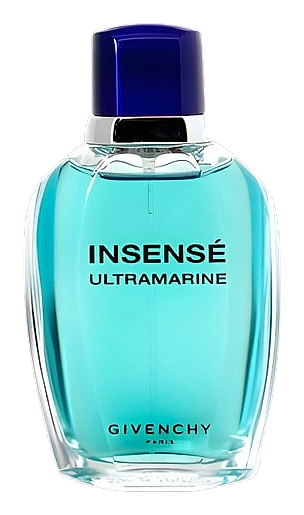

The Story
Why it exists.
The beginning
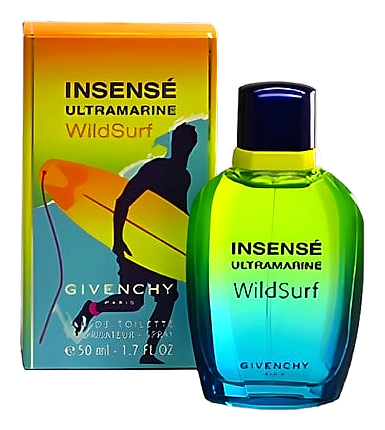
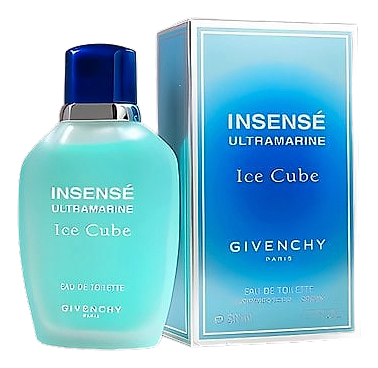
Insense Ultramarine arrived in 1994 from Christian Mathieu, who gave Givenchy's masculine line an unexpected turn. Mathieu chose a different path. Watermelon and blackcurrant opened the composition, alongside bergamot and the sharp green bite of galbanum. The combination creates a cool, watery top that feels refreshing from the first spray. Bergamot lifts the opening with its bright citrus character, while galbanum adds a green, slightly bitter edge that keeps the top notes from becoming too sweet. Mathieu was building a fragrance that reads as cool and immediate, with an opening that feels distinctly modern for its era. The balance between watery fruit and bitter green creates something that feels both light and purposeful, setting up the layers that follow.
The combination of watermelon with blackcurrant and bergamot brings distinct qualities to the composition. Watermelon reads as cool and watery, blackcurrant brings a tart, almost jammy depth, and bergamot keeps the whole opening bright and citrus-adjacent. Galbanum, the green, slightly bitter facet of galbanum resin, prevents the top from tipping into sweetness. It's a careful balance. The heart adds iris and magnolia, which bring a powdery, slightly floral elegance that grounds the composition with a sophisticated mid-section.
The evolution
The opening is immediate and refreshing. Watermelon and blackcurrant arrive together, with bergamot lifting the top and galbanum adding a green snap that stops the fruits from going flat. The cool clarity of the top notes defines the first act. Then the heart takes over. Iris emerges slowly, bringing its characteristic powdery, slightly violet softness. Magnolia and lily of the valley soften the transition further. Mint and sage keep the green thread alive throughout the middle phase. The drydown is where Insense Ultramarine shows its hand. Sage and tobacco settle into the base, creating a warm, slightly dry finish that lingers close to the skin. The tobacco doesn't shout. It stays intimate, almost quiet, which is exactly why it works.
Cultural impact
Insense Ultramarine arrived during a period when men's fragrances were embracing aquatic and fresh themes. The fragrance combined clean notes with dark fruit elements, creating a scent that felt both sporty and sophisticated. Its position in the Givenchy lineup represented a fresh direction for the brand's masculine offerings. The use of unconventional fruit notes in the opening gave it a distinctive character that set it apart from typical aquatic releases of its era. This approach showed that masculine fragrances could play with sweetness and fruit without losing their essential character.