
The Story
Why it exists.
The beginning
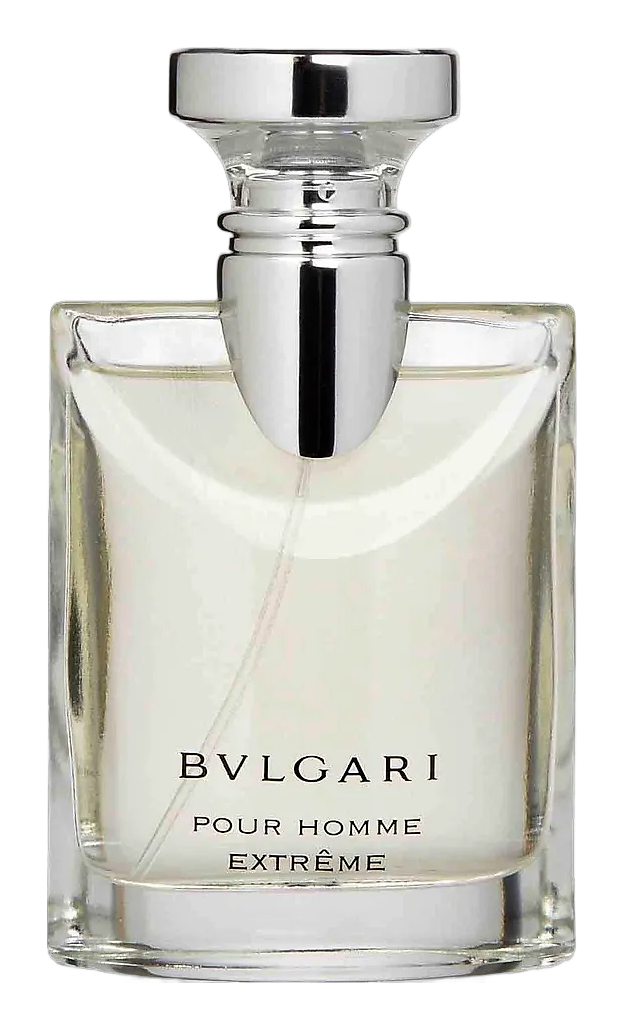
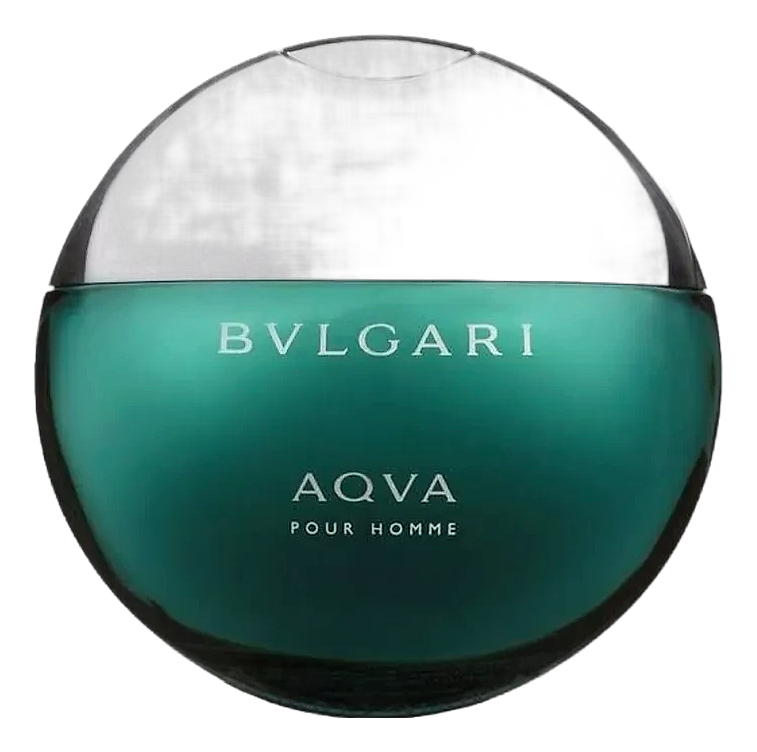
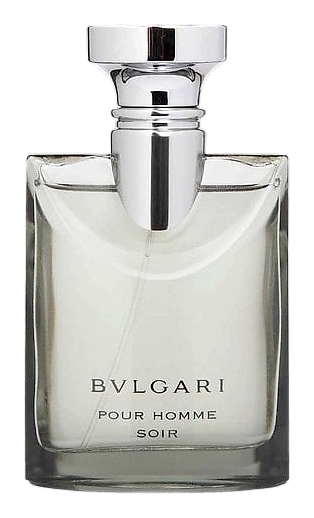
Bvlgari introduced Pour Homme Soir in 2006, part of the house's broader collection of gender-neutral and masculine-leaning compositions that began with the original Pour Homme in the 1990s. The name means 'evening' in French, a deliberate signal about when this scent belongs. Bvlgari's Italian jewelry heritage informed the bottle design: clean geometric lines, the brand's iconic gold decoration, an understated elegance that mirrors the fragrance inside. Thierry de Baschmakoff, who designed many of Bvlgari's most recognizable flacons, returned for this one. The brief was clear: create something that feels at home after 6 PM.
Black tea as a dominant top note is uncommon in mainstream masculine perfumery. Darjeeling specifically, the 'champagne of teas,' cultivated in the Himalayan foothills with a second-flush harvest that produces those distinctive muscatel notes. Paired with papyrus, the combination reads as deliberately anti-woody. Where most men's fragrances reach for cedar or vetiver, Bvlgari chose paper. Mineral, slightly bitter, with an almost metallic coolness from the tea that creates an unexpected tension against the dry papyrus smoke. Musk and amber at the base do what they always do, soften and anchor, but here they arrive quietly, never compensating for a lack of drama in the opening. The restraint is the point.
The evolution
The first five minutes are cool and bright. Black tea opens with an almost mineral quality, wet stone, a hint of citrus, the steam off a freshly poured cup. It doesn't build. It arrives. Papyrus takes over gradually, not replacing the tea but layering over it, adding a dry paper-like quality that makes the whole composition feel more literary than most masculine fragrances dare to be. The amber and musk arrive around the thirty-minute mark, softening the edges without ever making the scent sweet. This is where it lives for the next three to four hours, a warm, quiet base that stays close to the skin. Moderate sillage means you're aware of it. Others may not be. The drydown is the real achievement: a soft amber-musk that lingers into the next morning on fabric, almost undetectable on skin but present enough to be noticed if you lean in.
Cultural impact
Pour Homme Soir occupies an unusual position in the landscape of masculine fragrances: admired enough to develop a cult following, discontinued enough that it now trades at a premium on the secondary market. Wearers describe it as the fragrance of someone who walks into a room and doesn't need to announce themselves. It's refined without being forgettable, understated without being boring, a rare combination. The Darjeeling tea note draws consistent praise as a distinctive, almost meditative element, and the papyrus accord is cited as unusual in mainstream masculine perfumery. The trade-off for that discretion is the sillage: moderate at best, intimate at worst, which suits some wearers and disappoints others who want something that announces itself more confidently.