
The Story
Why it exists.
The beginning
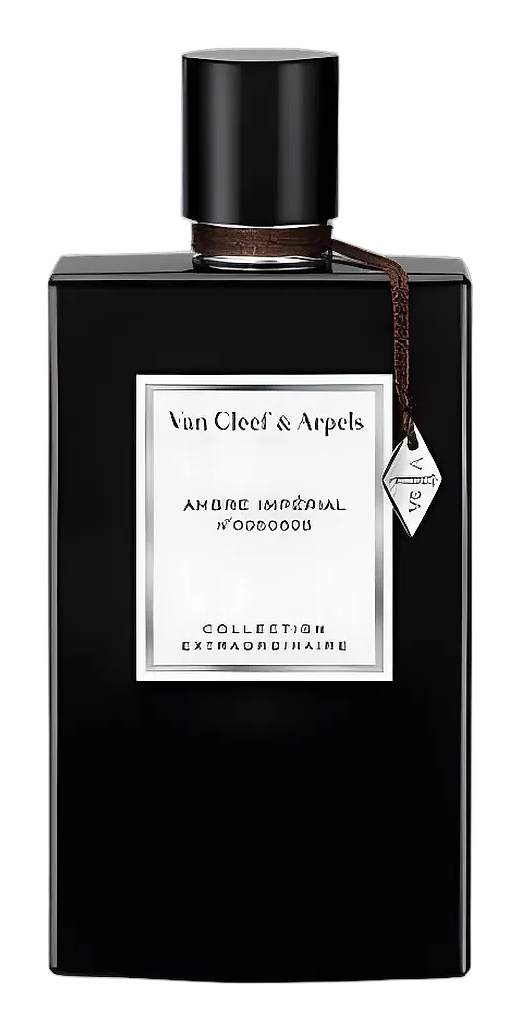
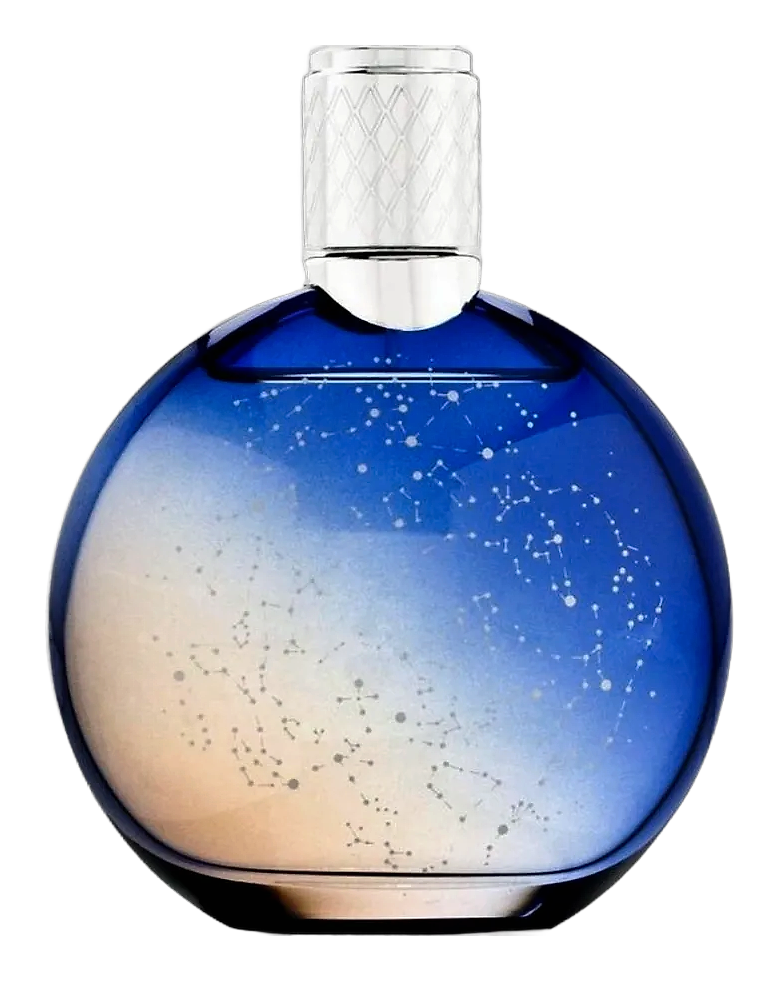
Van Cleef & Arpels approached this fragrance as an exploration of Paris after dark, seeking to capture the city's quieter moments rather than its postcard energy. Perfumers Olivier Polge and Domitille Michalon-Bertier built the composition around a deliberate contrast: bright citrus meeting darker materials. The use of mate, a South American herb, introduces an unexpected global dimension to what might otherwise feel purely Parisian. Lily of the valley brings a classic French floral elegance to the heart, balancing the leather's edge. This is a fragrance that wears its sophistication quietly, like fine jewelry hidden beneath a lapel.
The note philosophy here favors contrast over harmony. Bergamot and lemon create immediate brightness, but rosemary adds an herbal counterpoint that prevents the opening from feeling purely sunny. Leather serves as the structural element in the heart, providing texture where floral might feel too delicate. Mate bridges the gap between fresh and warm, its smoky quality preparing the nose for the drydown's amber and tonka bean. Lily of the valley acts as a softening agent, keeping the leather approachable for those who typically avoid leather fragrances. The frankincense in the base connects to the brand's use of precious materials, adding a resinous complexity that feels considered rather than accidental.
The evolution
The scent opens with bergamot and lemon cutting through the evening air with crystalline clarity. Rosemary appears almost immediately, its aromatic greenness grounding the citrus in something more contemplative. The bergamot fades first, leaving lemon and rosemary as the heart approaches. Leather arrives quietly, not announcing itself but settling in with authority. Mate adds an herbal, slightly smoky dimension that keeps the leather from feeling predictable. Lily of the valley softens the transition, its delicate floral presence tempering the leather's natural boldness. By the drydown, the leather has softened considerably, warmed by tonka bean's sweet creaminess and amber's honeyed depth. Frankincense appears last, lending a resinous smoke that lingers on skin for hours. Each phase builds naturally on the previous one, creating a coherent story from bright opening to warm, lasting drydown.
Cultural impact
Midnight in Paris arrived in 2010 at a moment when luxury perfumery was reclaiming narrative depth and vintage romanticism. The name directly references Woody Allen's 2011 film, positioning the fragrance as a cultural artifact, a scent meant to evoke Belle Époque Paris and the artistic spirit of its bohemian golden age. Van Cleef & Arpels, primarily known for haute joaillerie, used this fragrance to expand its Haute Parfumerie line, signaling that luxury houses could compete in artisanal fragrance without compromise. The 2010 launch coincided with a broader post-recession appetite for nostalgic sophistication, drawing on early 20th-century aesthetics rather than the minimalist trends dominating the decade.