The Story
Why it exists.
The beginning
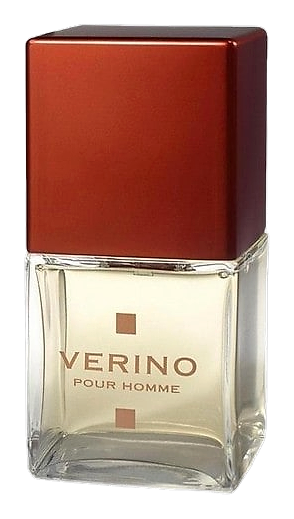
Richard Herpin created Verino Pour Homme in 2000 as Roberto Verino's first dedicated men's fragrance. The brief was clear from the brand's wider philosophy: effortless style, no theatrics. Herpin built it around contrast, fresh aromatic and spicy top notes meeting a sensual woody base. Not a statement scent. A companion.
The structure is what makes it interesting. Most 2000s designers leaned into powerhouse projections, but this one plays the long game. The Earl Grey tea note in the heart is unusual for the era, it adds a quiet, slightly bitter complexity that bridges the bright citrus-spice opening and the warm woody base. That tea note doesn't announce itself. It just makes everything else smarter.
The evolution
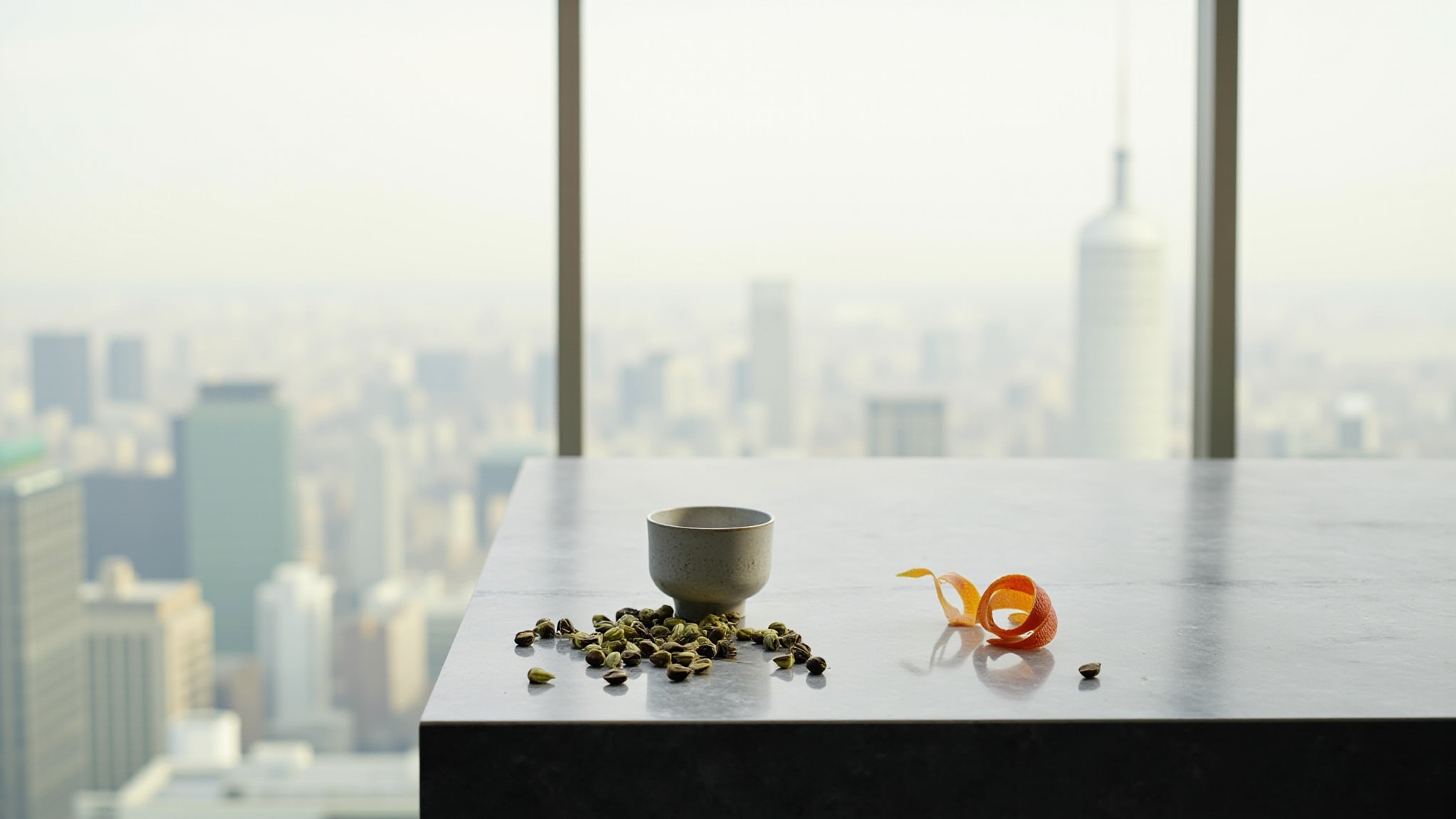
The grapefruit opens bright, almost aggressive, then thins within fifteen minutes as the coriander and cardamom settle. Cedar leaf keeps things sharp, green, slightly metallic, Mediterranean in the best way. Around the twenty-minute mark, the Earl Grey tea materializes. It's the pivot point, the moment the fragrance decides what it wants to be. From there, cypress and violet carry the heart while the base slowly takes over: vetiver first, earthy and warm, then sandalwood filling in the softness. White musk keeps everything close to the skin. Four to six hours on most, intimate sillage throughout. The next morning, a faint vetiver-and-cedar trace remains on fabric.
Cultural impact
Verino Pour Homme arrived in 2000 as a counterargument to the power-fragrance trend of the era. Where competitors leaned into projection and longevity as selling points, this one offered something subtler: a composition that trusted its wearer to carry it rather than demand attention for it. The citrus-spice-to-wood structure became a template, though few executed it with this level of restraint.