The Story
Why it exists.
The beginning
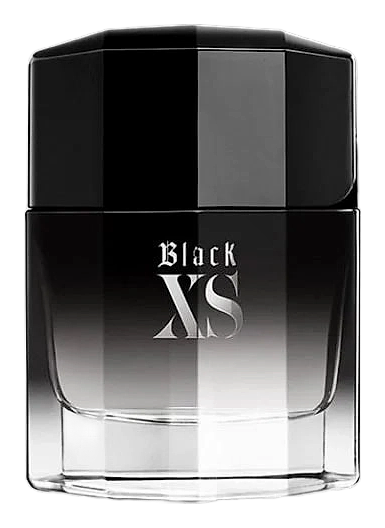
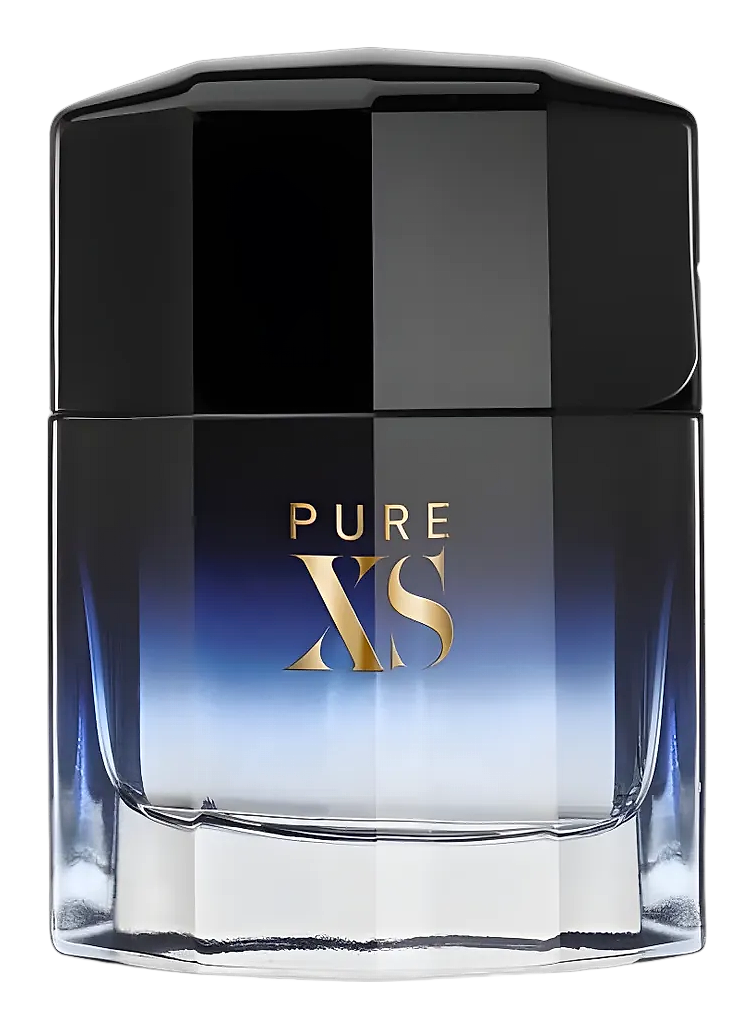
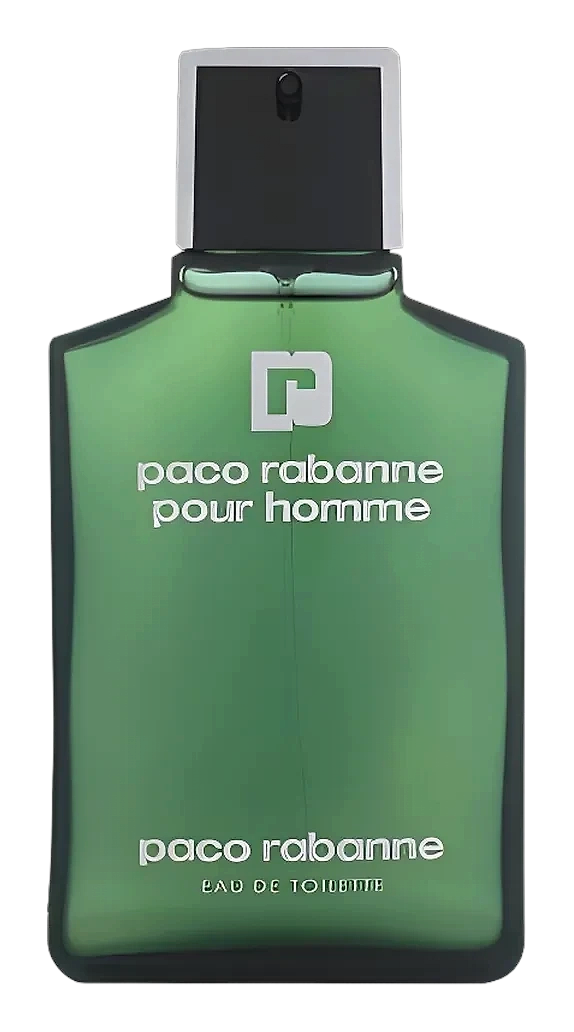
Rosendo Mateu and Gerard Anthony created XS in 1994 with a clear ambition: a fragrance that would hold its own. Not a fleeting impression, something with real presence. Two perfumers working toward the same vision, building with aromatic herbs and warm woods to create contrast and depth. The brief was simple. The execution wasn't. What emerged was a composition that balances freshness with warmth, cool herbs against woody warmth, creating something that lingers in memory even as it fades from skin.
The note structure tells the story. Mint and rosemary arrive cool and green, cutting through the opening with an almost pharmaceutical sharpness. The bergamot adds brightness without softness. Then juniper and sage take over, shifting the energy from sharp to warm. The drydown holds sandalwood, cedar, and a musk-vanilla blend that softens everything. The contrast is the point: cool opening, warm finish, and a tension between the two that keeps it interesting.
The evolution
The opening hits mint and rosemary together, that's the first two minutes. Cool, green, a little medicinal. The bergamot arrives right after, bright and citrusy, pushing back against the herbaceous quality. Ten minutes in, the juniper and sage take over. The composition shifts from sharp to warm. By the heart phase, the rosemary has faded but mint lingers, carrying the herbal quality forward. The drydown takes its time. Sandalwood and cedar arrive quietly, building a base that holds. Musk and vanilla create warmth. Oakmoss adds an earthy undertone, the kind of depth that gives the fragrance its character. The patchouli keeps everything grounded. And the ambergris: that subtle marine note that gives XS its distinctive quality. What started as cool and medicinal becomes warm and intimate.
Cultural impact
XS found its audience in men who wanted something with character, aromatic, woody, with that green note that gives it a barbershop quality. Thirty years later, it's still in regular rotation for many. The kind of fragrance that works as a signature, reliable enough for daily wear, interesting enough not to disappear into the background. Less complex than some, more grounded than others. The combination of mint, rosemary, juniper, and sage creates something distinctive, and the drydown of sandalwood, musk, and vanilla makes it warm without being sweet. It's one of those fragrances that earns loyalty through consistency.
The House
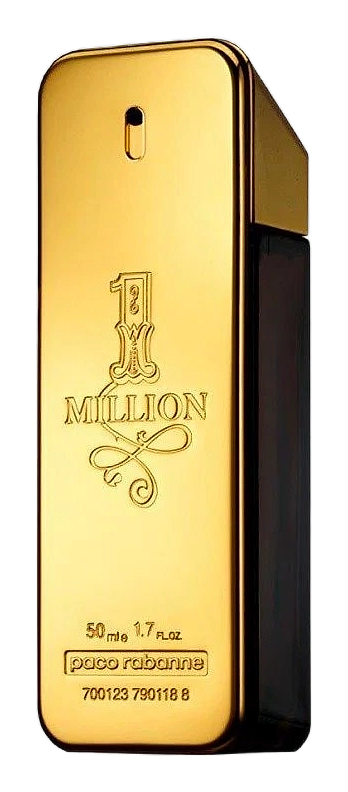
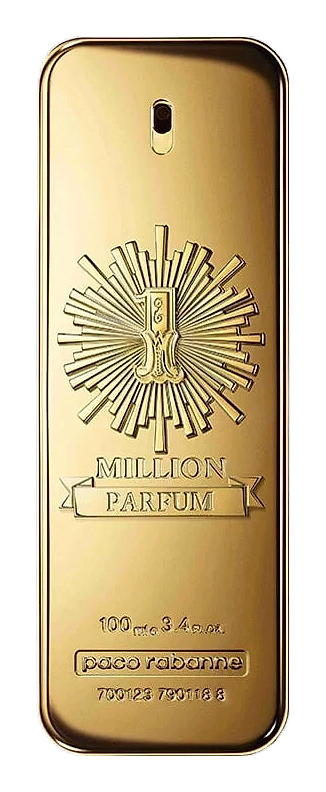
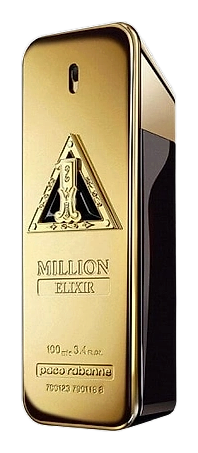
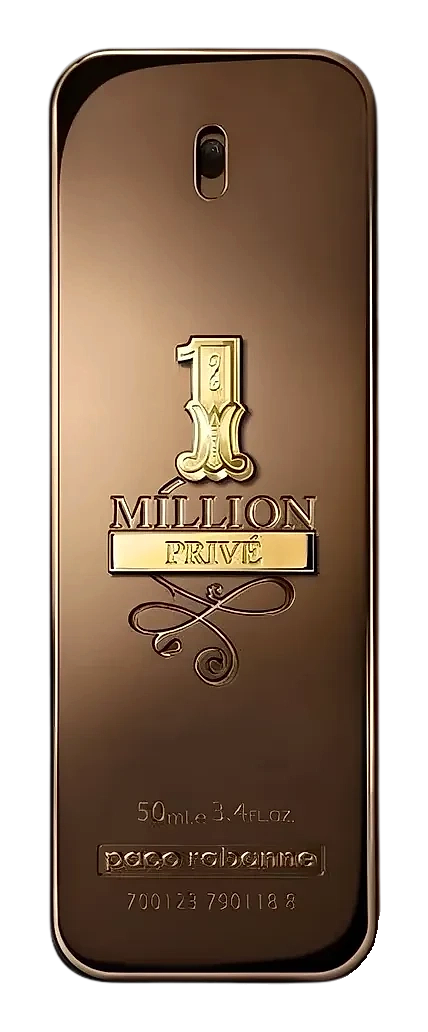
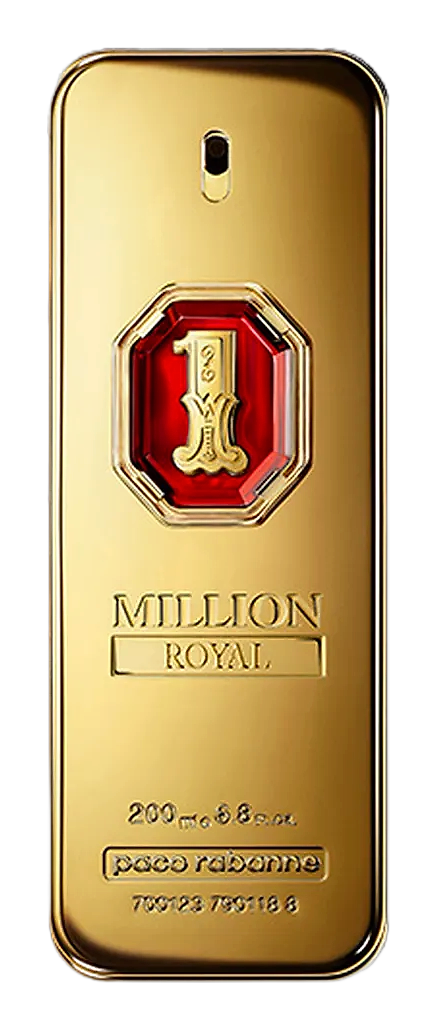
RabanneRabanne is a Paris-based fashion and fragrance house founded by Spanish-born designer Francisco Rabaneda Cuervo, known professionally as Paco Rabanne. The house established itself in perfumery through a partnership with Spanish fragrance company Puig, beginning with the 1969 launch of Calandre. The brand's olfactory identity draws from its fashion heritage: architectural construction, metallic materials, and provocative design language that challenged 1960s fashion conventions. Rabanne built a portfolio of over 85 fragrances spanning multiple decades, from aldehydic florals and aromatic fougeres to orientals and fresh aquatic compositions. The house's gold ingot-shaped bottle for 1 Million (2008) became one of the most recognizable fragrance silhouettes in global retail. Nadia Dhouib was appointed General Manager in April 2022 after serving at Galeries Lafayette, tasked with unifying the brand's fashion and fragrance voices and expanding audience reach. In mid-2023, the house rebranded from Paco Rabanne to simply Rabanne, completing that consolidation.
The Creator
Rosendo Mateu & Gérard AnthonyMateu's compositions draw from classical perfumery's foundations—woods, amber, musks—executed with technical precision and restraint. His work often unfolds in layers, revealing different facets over time rather than making a single dramatic statement.