
The Story
Why it exists.
The beginning
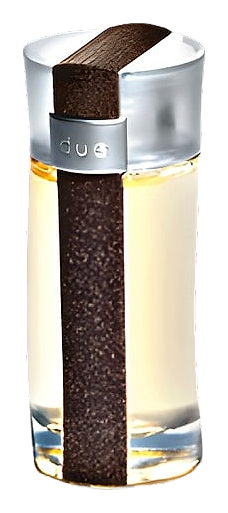
In 2004, Natura wanted to make something that felt distinctly Brazilian but spoke to anyone. Jacques Cavallier-Belletrud was brought in to build Due from the ground up, taking the brand's botanical instincts and giving them structure. The bright citrus-spice opening announces a presence with immediacy and warmth, a shimmer of zing that cuts through the air. As it settles, the heart opens into something richer and more intimate, the smoky amber weaving itself into the composition like a quiet conversation that deepens over time. The drydown lingers close to the skin, leaving a trail of warm, resinous depth that stays with you long after the moment has passed.
What makes Due work is the way its parts don't fight. The citrus and pepper open clean, the herbal heart of sage and basil grounds without softening, and then the base arrives, incense and amber and Indonesian patchouli, to give the whole thing weight. It's not trying to be a daytime fragrance that adds warmth at night. It's both at once. The duality earns the name.
The evolution
The bergamot hits first, bright and almost startling against the black pepper. Twenty minutes in, the mandarin orange rounds it, rounder, fruitier, less sharp. The sage and geranium arrive next, adding an herbal green that balances the sweetness building underneath. By the third hour, the incense asserts itself. Not loud. Not smoky in a campfire way. More like the smell of a room someone else just left. The amber and patchouli hold the drydown for another few hours, musk keeping everything intimate and close.
Cultural impact
Brazil has long been a source of exotic raw materials for perfumery, its botanicals prized in compositions around the world. Due placed those materials at the center of a more ambitious narrative, building a fragrance that honored local character without sacrificing broader appeal. Cavallier-Belletrud structured the work with classical precision, letting Brazilian terroir anchor the composition while opening it to international audiences. The result was a scent that felt rooted in place yet spoke a language everyone could understand.