
The Story
Why it exists.
The beginning
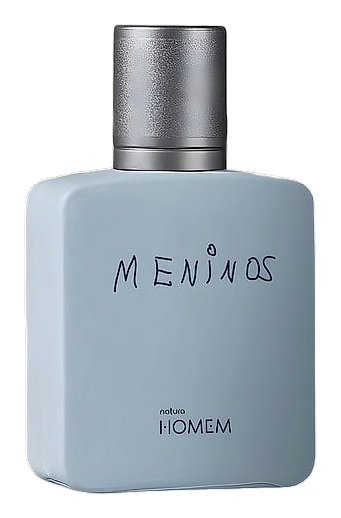
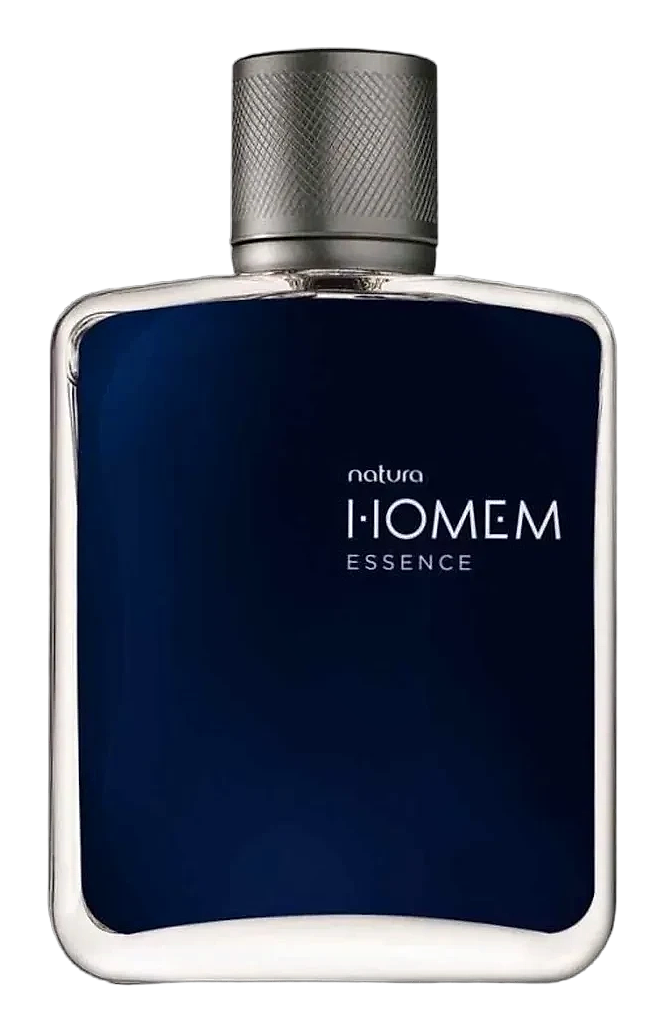
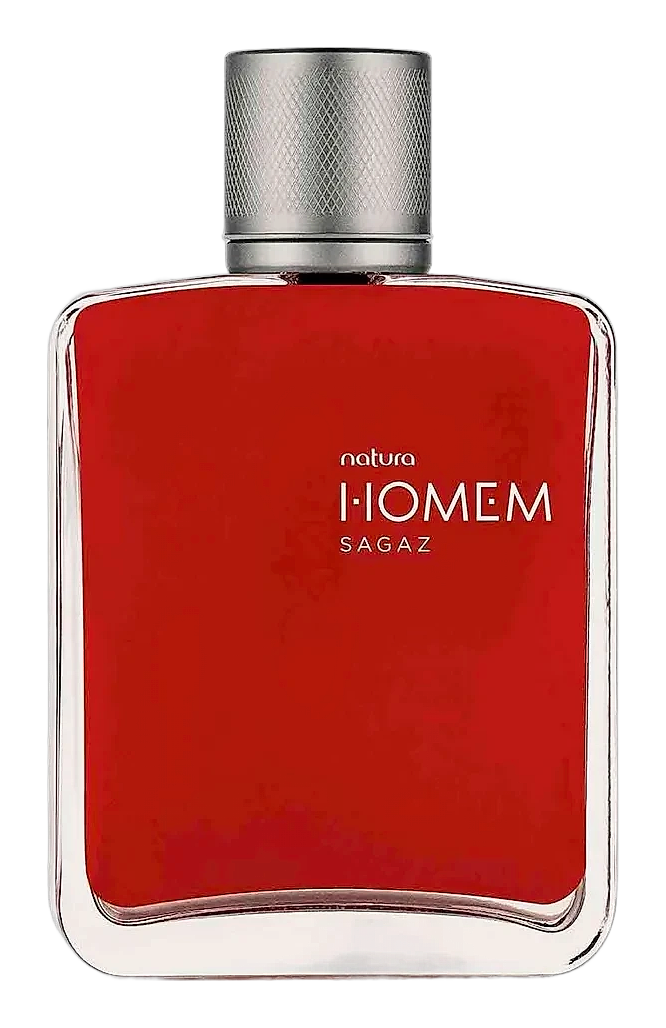
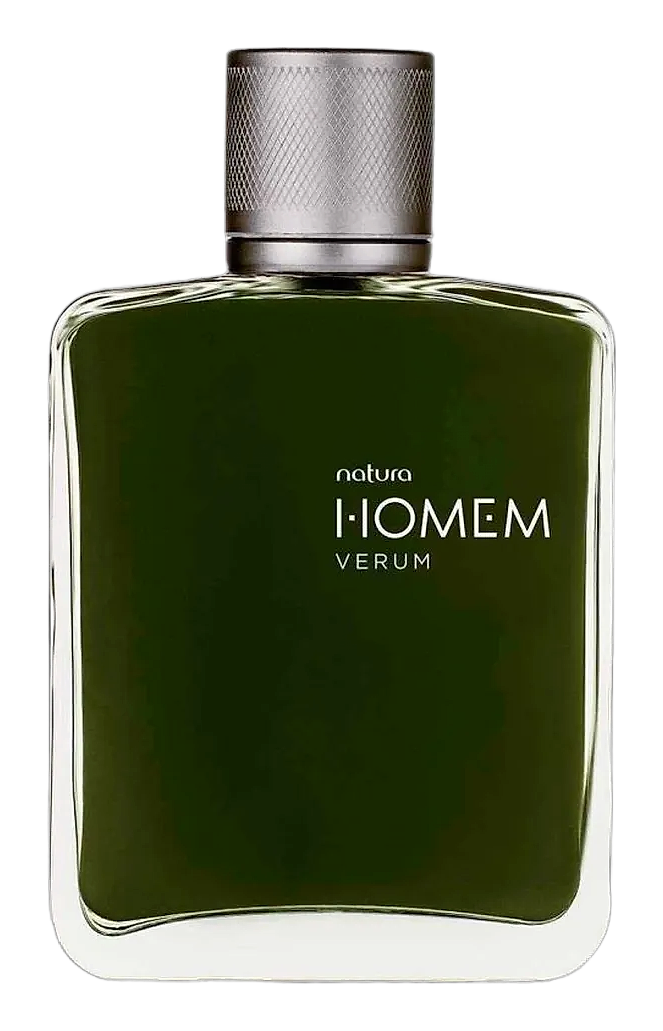
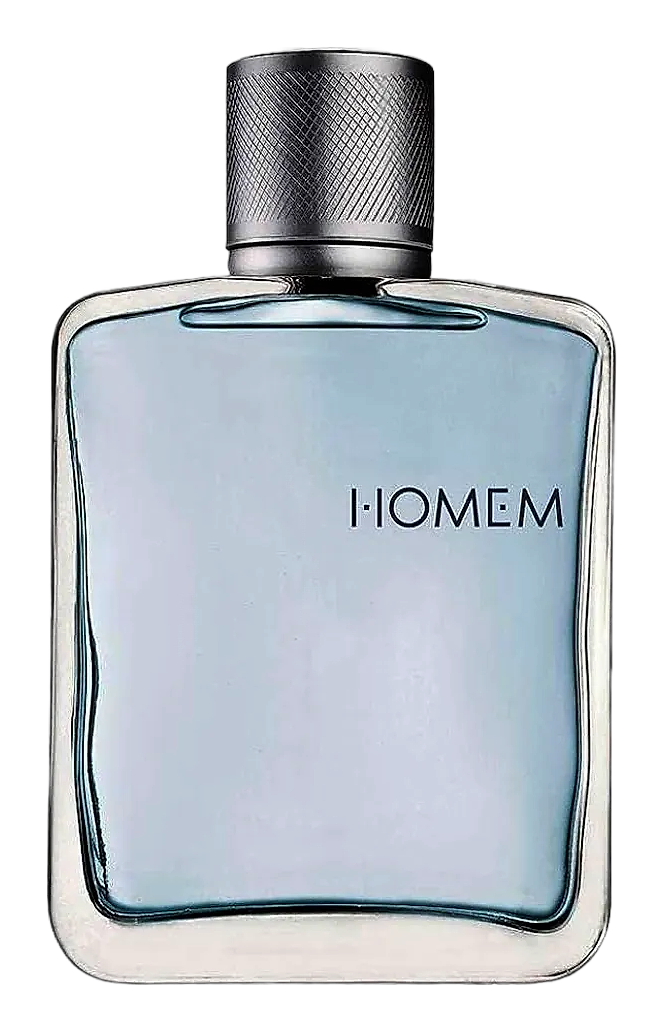
Francisco Marano built Homem in 1997 with a clear philosophy: masculine freshness did not need to be aggressive or complicated. Working within Natura's botanical sourcing ethos, he reached for ginger and nutmeg as the opening anchors, spices that brought energy without synthetic harshness. The Brazilian context shaped his choices, drawing on ingredients that reflected both accessibility and sensory richness.
The note structure reflects a specific philosophy: fresh does not mean fleeting. By opening with ginger and black pepper, Marano established energy and presence. The heart of peach and pear brings warmth and approachability, making the scent wearable across contexts. The drydown of musk, sandalwood, bamboo, and cedarwood ensures the fragrance persists without becoming heavy, a balance achieved by using bamboo as an aquatic counterpoint to the wood notes. The pairing rationale is simple: each note layer supports the next, creating a scent that reads as unified rather than transitional.
The evolution
The scent journey begins with ginger's bright heat, immediately joined by black pepper for a spiced sharp quality. Basil arrives next, providing a green counterpoint that keeps the opening feeling clean rather than heavy. As the fragrance moves into the heart, peach emerges as the dominant note, its stone-fruit sweetness softening the earlier spice. Pear adds dimension, its crisp quality preventing the fruit from becoming cloying. Rose arrives last in the heart sequence, lending a subtle floral grace. The drydown brings musk as a skin anchor, while sandalwood and cedarwood build a woody foundation. Bamboo closes the evolution with a clean, slightly aquatic quality that feels distinctly Brazilian, referencing the Amazonian botanicals central to Natura's identity.
Cultural impact
Homem arrived in a Brazilian market still finding its identity in designer perfumery. Rather than chasing European trends, it offered a masculine freshness grounded in fruit and warmth, a different direction from what dominated the market at the time. This scent showed that regional identity could find a place alongside established players, and it reflected Natura's growing ambitions in the fragrance space.