The Story
Why it exists.
The beginning
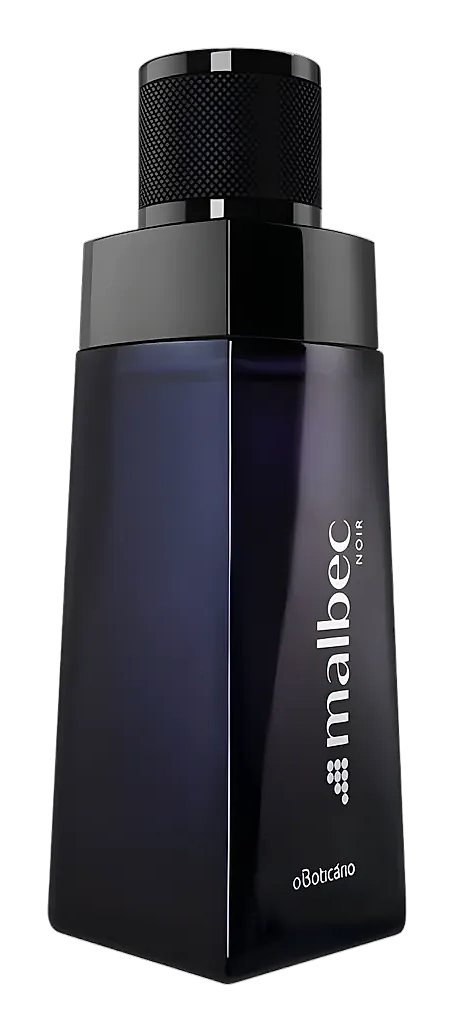
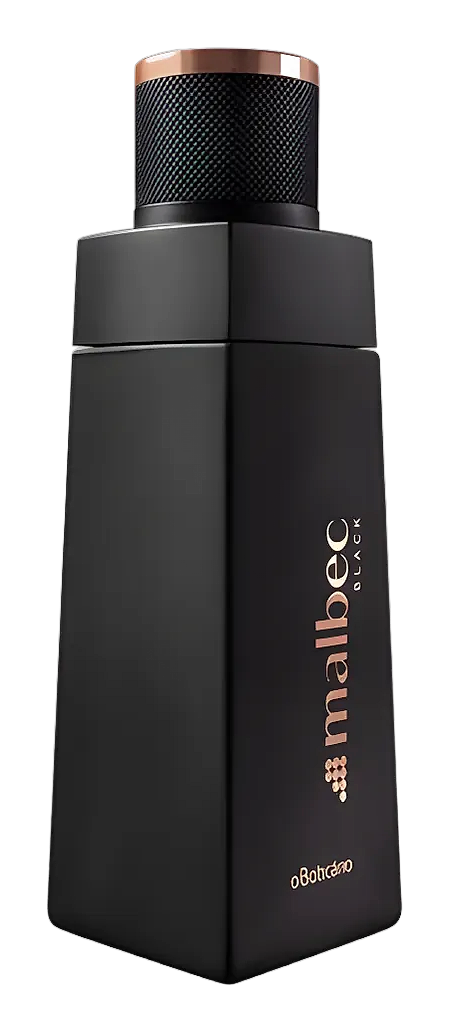
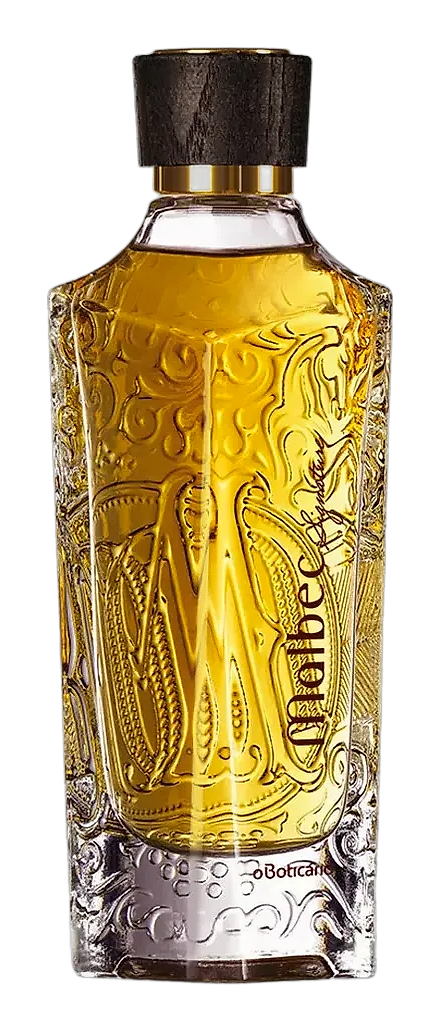
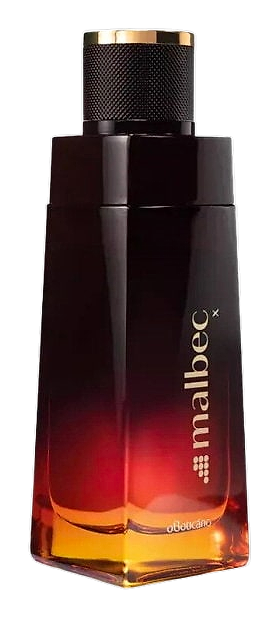
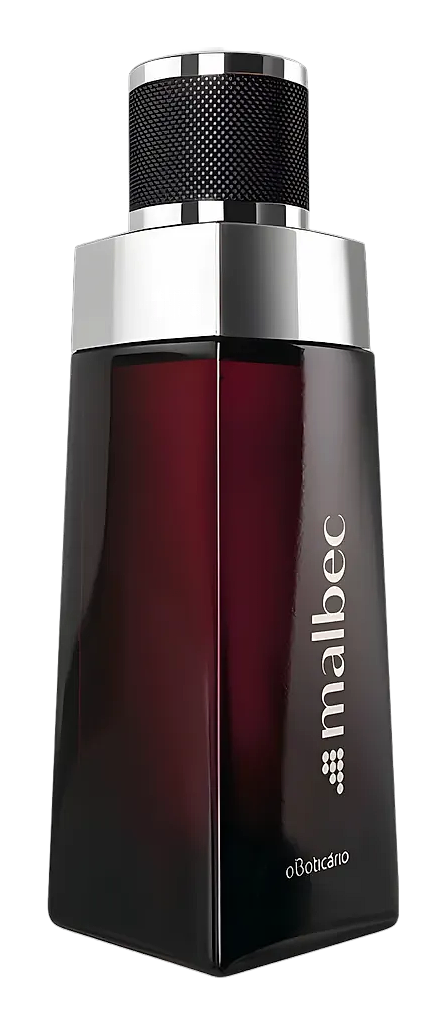
O Boticario, the Brazilian fragrance house founded in Curitiba in 1977, built its reputation on blending South American botanical heritage with contemporary perfumery. With Malbec, launched in 2004 and crafted by perfumer Napoleon Bastos, the brand made an audacious move by combining perfumery with winemaking traditions. The choice to use vinic alcohol as the fragrance base rather than standard ethanol was revolutionary for a mass-market Brazilian brand, drawing inspiration from Argentine Malbec wine culture to create something genuinely distinctive in the market.
The note structure reflects a philosophy of contrast: bright opening elements that yield to deep, wine-inspired heart notes before resolving into warm, resinous comfort. The citrus and spice combination was chosen to lift the wine note and prevent it from becoming too heavy. Patchouli grounds the composition while amber and benzoin provide the warmth that makes Malbec suitable for cooler weather. The result is a fragrance that balances aromatic freshness with depth, a wearable interpretation of wine culture made accessible through Brazilian perfumery expertise.
The evolution
Malbec's evolution tells a story of contrast and transformation. The opening bursts forth with citrus brightness and spicy warmth, a lively introduction that gives way to the wine-dark heart. Here Malbec wine takes command, its rich aromatic character supported by patchouli's earthiness and cedarwood's structural quality. As the fragrance transitions to its drydown, warmth builds from amber and benzoin while moss adds an atmospheric, slightly damp quality. The final stage brings musk forward, creating an intimate trail that feels both modern and timeless.
Cultural impact
Malbec became something of a phenomenon in Brazil, ubiquitous enough that overapplication in enclosed spaces became a running joke among fragrance communities. But the repetition isn't accidental: it's a sign that the composition works. Outside Brazil, the fragrance has found a second life through YouTube reviewers and fragrance forums, where it earns praise for delivering a refined woody-spicy character at a price that doesn't require justification. The winemaking angle, using vine alcohol as a base, maturing in French oak barrels, has become its calling card. It's rare enough to be interesting and credible enough to matter. For a Brazilian fragrance launched in 2004, that kind of international recognition doesn't happen by accident.