Napoleão Bastos
Napoleão Bastos holds a singular position in Brazilian perfumery. He did not simply enter the field—he helped define it. Trained at UNIFESP with a master's degree in neuroscience applied to perfumery and further specialized at Faculdades Oswaldo Cruz, Bastos brought scientific rigor to an industry often driven by intuition alone. His rise to Senior Perfumer at IFF marked a breakthrough not just for him personally but for Brazilian fragrance as a whole. He became the country's most visible bridge to the global perfumery world, proving that world-class scent creation could emerge from São Paulo rather than just Grasse. His work with O Boticário brought mass-market sophistication to millions of Brazilian consumers, while his IFF affiliations connected him to the industry's highest level. Bastos also recognized early that education matters as much as creation. He became known as a compelling lecturer, breaking down how professional noses construct fragrance for audiences ranging from industry insiders to curious consumers. He writes openly about the craft, explaining the real differences between botanical and modern perfumery with clarity that demystifies rather than condescends. Few perfumers have done more to elevate their country's standing in the global fragrance conversation. Bastos did it through his molecules, his mentorship, and his willingness to speak about the work honestly. That combination—scientific depth, creative vision, and intellectual generosity—defines his career more than any single fragrance ever could.
The hits
Notable creations



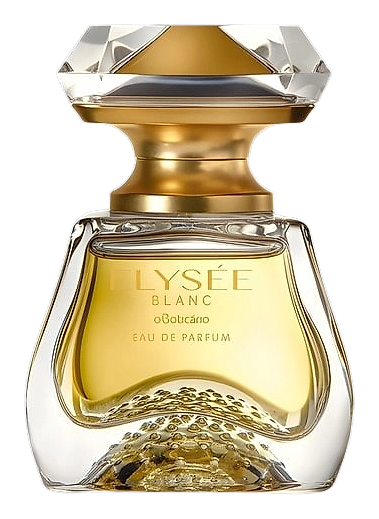
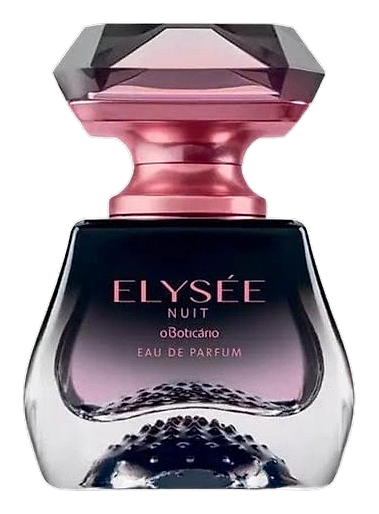
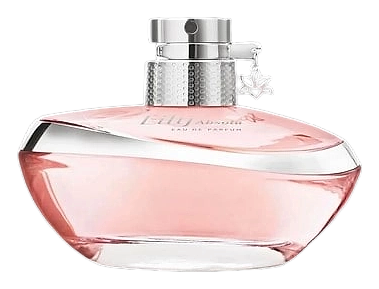
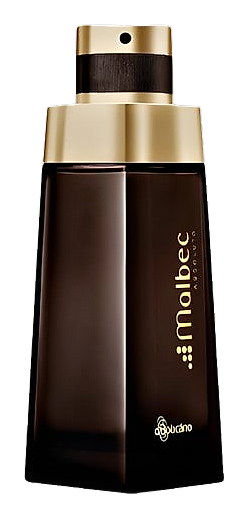
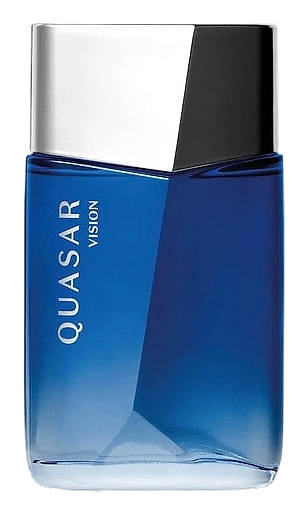

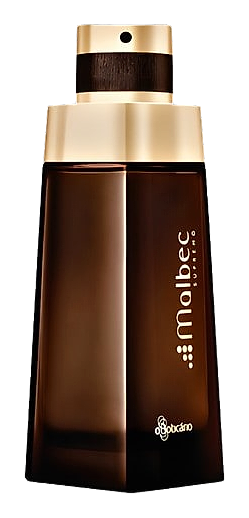
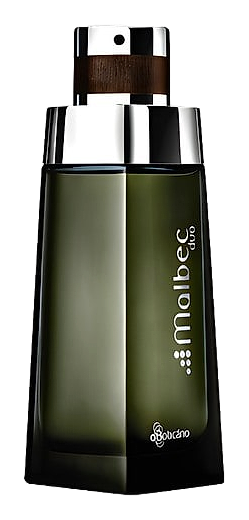
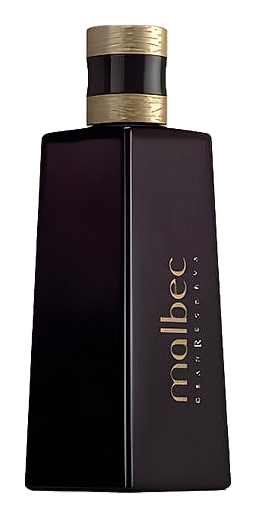
The signature
How Napoleão composes
Bastos works with a material-first sensibility that shows in every composition. His signature approach involves layering complexity through raw materials rather than through conceptual tricks. He draws heavily on Brazilian botanical wealth—the country's flora offers perfumers ingredients and inspiration unavailable anywhere else—and pairs that botanical richness with the technical resources available at IFF. His style tends toward bright, floral-forward compositions with clean drydowns, as seen in Floratta in Blue, which balanced cheerful fruit with restrained floral grace. He prefers ingredients that feel alive rather than static, scents that evolve on skin rather than simply announcing themselves. His work shows a preference for sustainable sourcing and transparent supply chains, reflecting both ethical concerns and an understanding that quality begins with how raw materials are grown and harvested. Bastos also gravitates toward accessibility without sacrificing sophistication. He has consistently shown that a fragrance can reach a mass audience and still demonstrate genuine craft.
Philosophy
What drives Napoleão
For Bastos, nature is not a vague inspiration or a marketing label. It is the actual source material, the raw ingredients that determine everything that follows. He has said plainly that the raw material is the most important thing to understand in perfumery, a stance that places him firmly in the material-driven camp rather than the concept-driven one. This does not mean he dismisses artistry—he brings neuroscience to bear on how scents interact with the brain, how they are perceived, how they create memory and emotion. But the foundation must always be what is actually in the bottle, not just what the brief demands. He separates botanical perfumery from modern perfumery not as opposing philosophies but as different relationships with raw materials. Modern perfumery can learn from botanical precision; botanical perfumery can learn from modern technique. Bastos moves between these worlds without tribalism. His philosophy might be summarized as: respect the ingredient, understand the science, and never stop explaining both to anyone who wants to listen.
The houses