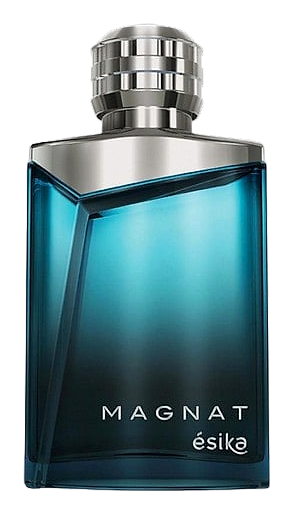

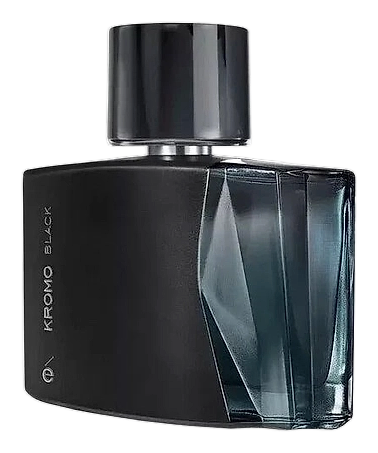
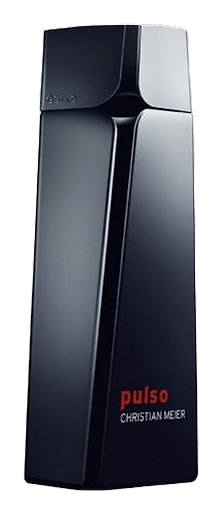

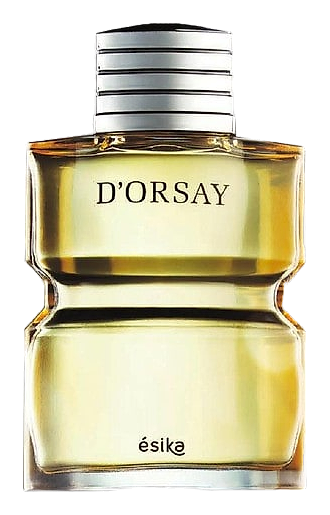


















The Heritage
The Story of Ésika
Ésika is a Colombian fragrance house that grew out of a broader cosmetics business in the 1970s. The brand translates everyday moments into scent, offering a portfolio that ranges from bright florals to warm orientals. Its bottles sit on shelves across Latin America, and the line has been expanded through online channels that let shoppers explore new releases without the usual retail markup. Ésika positions itself as a bridge between local culture and global fragrance trends, delivering scents that feel both familiar and adventurous.
Heritage
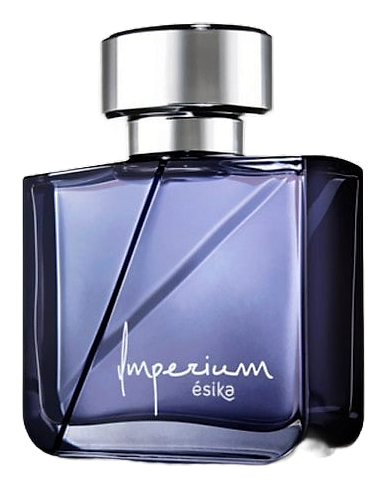
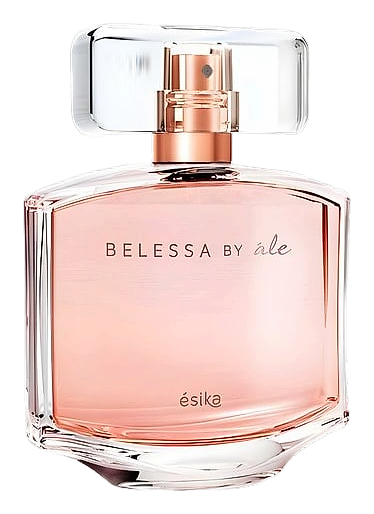
The origins of Ésika trace back to 1975 when a group of Colombian entrepreneurs launched a cosmetics venture in Medellín. Early catalogues featured makeup and skin‑care products aimed at a growing middle class. By the early 2000s the company had consolidated a network of regional distributors and began to experiment with scented products, initially releasing limited‑edition body sprays. In 2005 the brand introduced its first stand‑alone perfume, a move documented in Colombian business journals as a strategic diversification. The launch was followed by a series of yearly releases that built a recognizable olfactory identity: Bravio arrived in 2011, followed by Imperium in 2012 and the youthful Emma in 2013. Each launch was accompanied by in‑store events that highlighted the brand’s commitment to accessible luxury. 2014 saw the introduction of Amar, a fragrance that blended tropical fruit notes with a soft musk, reflecting the company’s interest in translating regional aromas into modern compositions. In 2016 the brand partnered with local designer ále to create Belessa, a scent that incorporated native Colombian florals and was marketed as a tribute to the country’s biodiversity. Over the next decade, Ésika expanded beyond Colombia, entering markets in Peru, Ecuador and, by 2020, the United States through specialty retailers. The expansion was supported by a digital platform that allowed consumers to sample fragrances via mail‑order kits, a model that industry analysts noted as a response to shifting retail habits. Throughout its history, Ésika has maintained production facilities in Medellín, where quality control labs test each batch for consistency, a practice that the company cites as essential to preserving its scent profile across borders.
Craftsmanship
Production at Ésika takes place in a Medellín facility that combines modern laboratory equipment with traditional quality checks. Raw materials arrive from both domestic farms – for example, orchid and guava extracts harvested in the Valle del Cauca region – and international suppliers that provide synthetic aroma chemicals approved by the International Fragrance Association. Each ingredient is logged in a traceability system that records harvest date, batch number and supplier certification, a practice highlighted in a 2021 audit report on Colombian cosmetics manufacturers. Formulators work in small teams, testing blends in controlled temperature rooms to ensure that top, middle and base notes develop as intended. Once a formula is approved, it moves to a pilot batch where stability testing runs for 12 months, checking for color shift, scent drift and microbial growth. The final product is then filled into bottles on a semi‑automated line that still relies on manual inspection for fill level and seal integrity. Quality assurance staff perform random checks on 5 % of each production run, measuring concentration levels with gas chromatography to verify compliance with the brand’s specifications. Packaging materials are sourced from regional manufacturers that meet ISO 9001 standards, and the company reports that it has reduced its plastic usage by 15 % since 2018 through the introduction of recycled PET caps. These layered processes reflect a commitment to consistency, safety and a modest environmental footprint.
Design Language
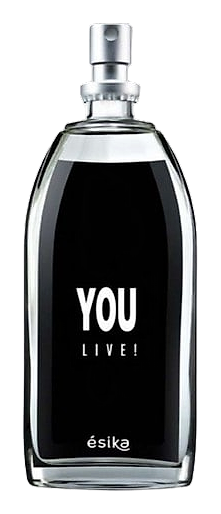
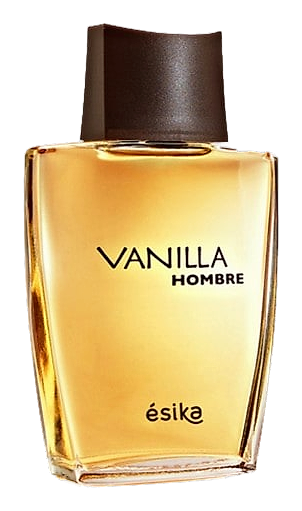
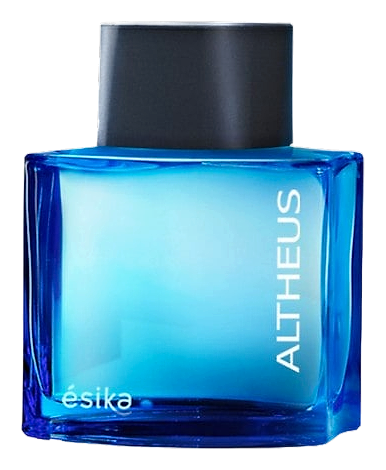
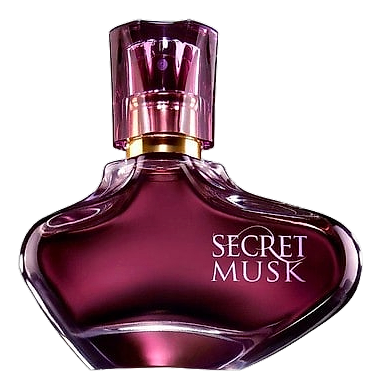
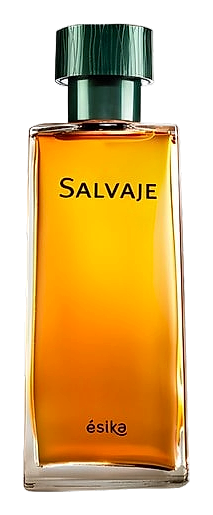
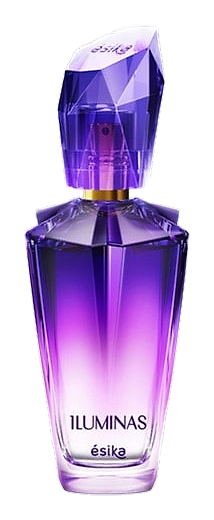
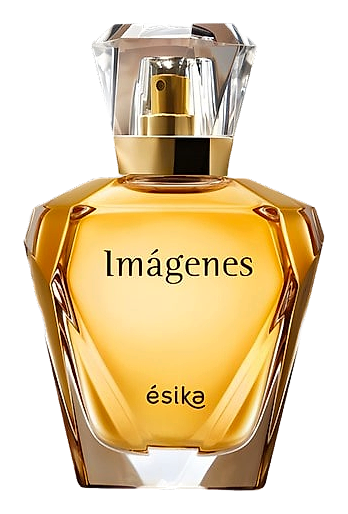
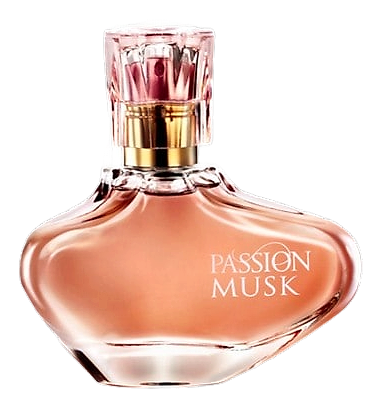
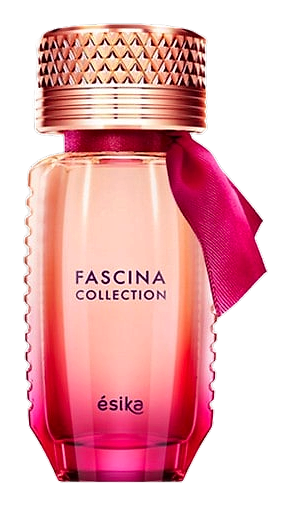
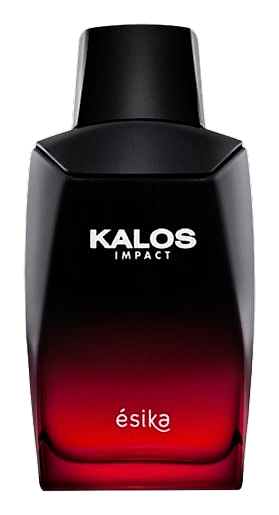
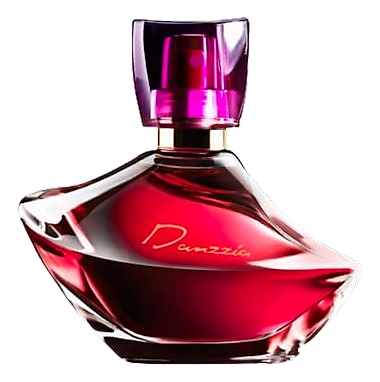
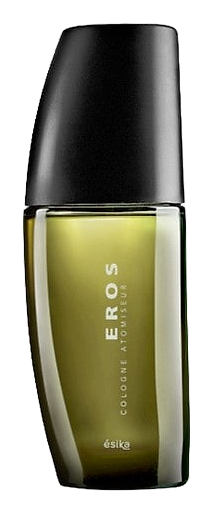
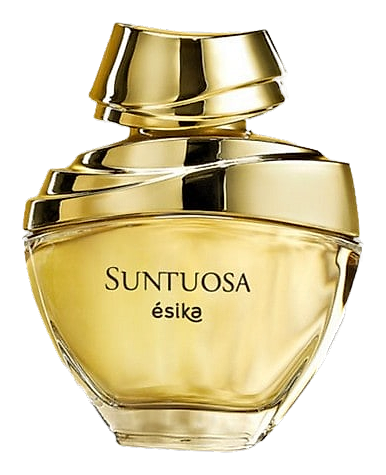
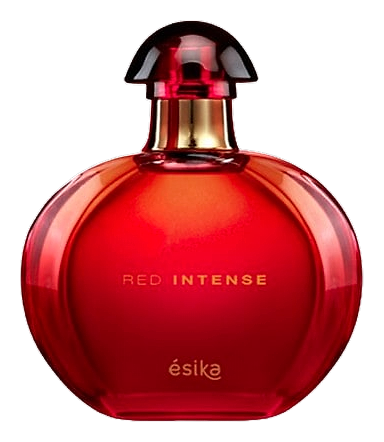
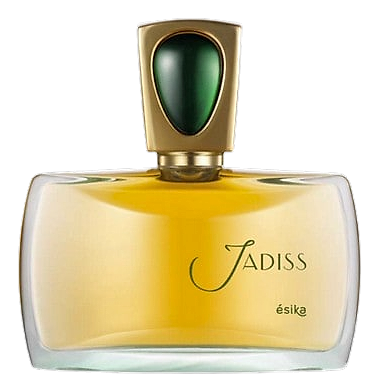
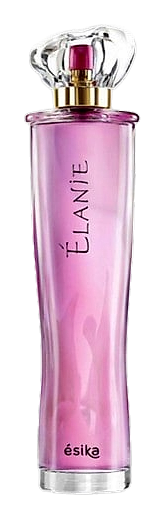
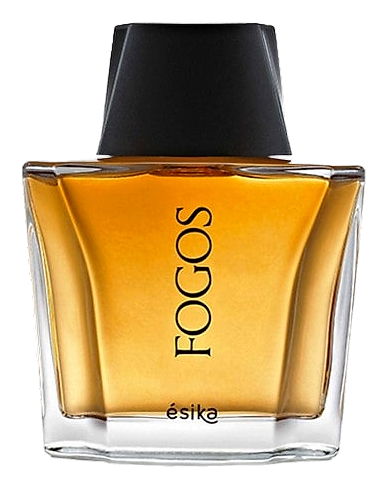
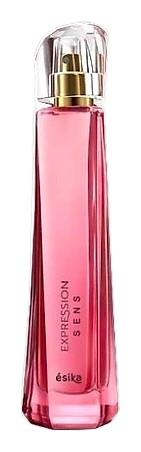
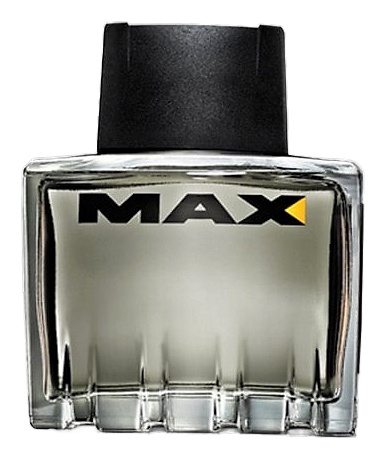
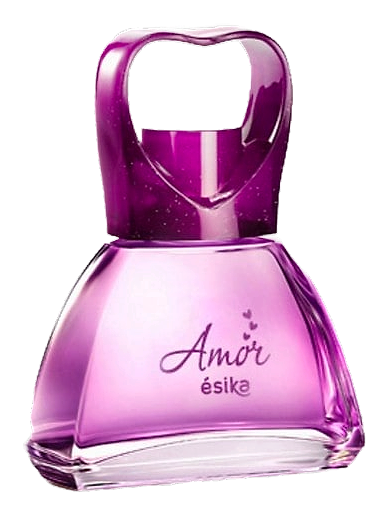
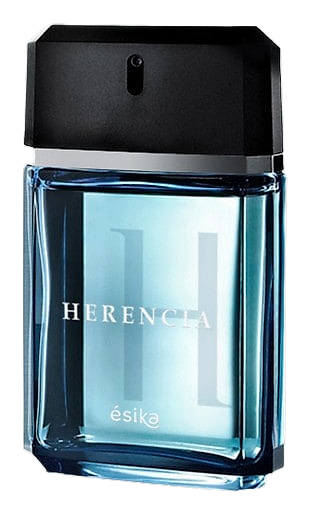
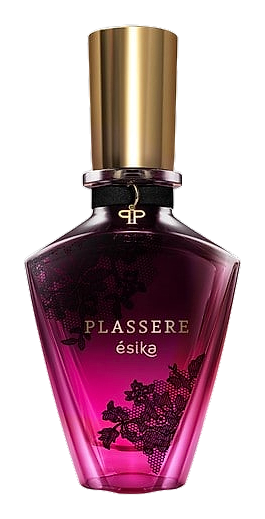
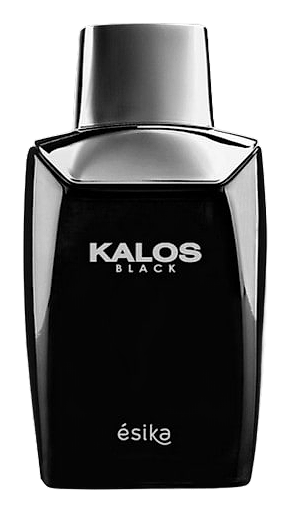
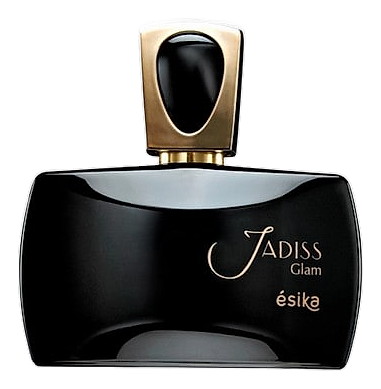
Visually, Ésika leans into a bright, contemporary palette that mirrors Colombia’s vivid landscapes. Bottle silhouettes are generally sleek and cylindrical, with clean lines that suggest modernity while the caps often feature a matte finish in colors drawn from the national flag – deep yellow, sky blue or forest green. Labels combine a sans‑serif typeface with subtle embossing, allowing the brand name to sit prominently without overwhelming the design. The packaging for the Emma line, released in 2013, introduced a gradient hue that shifts from sunrise orange at the base to soft pink at the top, a nod to the country’s eastern horizon. Promotional photography frequently places the bottles against natural backdrops – coffee plantations, coastal cliffs or urban murals – reinforcing the narrative that each scent is rooted in place. Seasonal campaigns have employed local artists to create limited‑edition sleeves, integrating traditional textile patterns into the visual language. This blend of modern minimalism and cultural reference points helps the brand stand out on shelves that are often dominated by European houses, offering shoppers a visual cue that the fragrance inside carries a distinct Colombian story.
Philosophy
Ésika’s creative vision centers on the idea that fragrance should echo daily life rather than exist as a distant luxury. The brand’s statements, echoed in interviews with its product development team, emphasize a respect for Colombian cultural motifs and a desire to make scent an inclusive experience. Rather than chasing fleeting trends, the house seeks to capture the emotional tone of moments – a sunrise over the Andes, a bustling market, a quiet evening on the coast. This approach translates into a palette that balances locally inspired ingredients, such as Colombian orchid extracts, with globally sourced synthetics that provide stability and longevity. The company also stresses sustainability, noting that a portion of its raw material budget is allocated to suppliers that practice responsible harvesting. Community engagement appears in its outreach programs, where workshops teach young people about the basics of fragrance composition, reinforcing the brand’s belief that scent can be both an art and a shared cultural language.
Key Milestones
1975
Ésika founded in Medellín as a cosmetics company
2005
First stand‑alone perfume launched, marking entry into fragrance market
2011
Release of Bravio, expanding the brand’s scent portfolio
2013
Emma introduced, becoming one of the most recognized Ésika fragrances
2016
Belessa by ále released in collaboration with local designer
2020
Entry into United States market through specialty retailers
At a Glance
Brand profile snapshot
Origin
Colombia
Founded
1975
Heritage
51
Years active
Collection
3
Fragrances released
Avg Rating
4.4
Community sentiment
Release Rhythm


