The Heritage
The Story of Mutis Nueva Granada
Mutis Nueva Granada is a Colombian artistic perfumery that translates the country’s historic botanical wealth into contemporary fragrance. The house draws its name from José Celestino Mutis, the 18th‑century botanist who led the Real Expedición Botánica across the former Nueva Granada. Founded by young artist‑designer Hanssen David Diaz Reyes, the brand releases limited‑edition scents that reference specific Colombian ecosystems, from the Amazonian rainforest to the Caribbean coast. Each bottle acts as a scented vignette of a place, inviting wearers to experience the flora that inspired the original scientific expedition.
Heritage
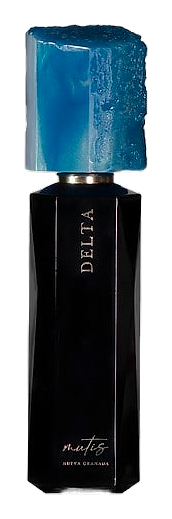
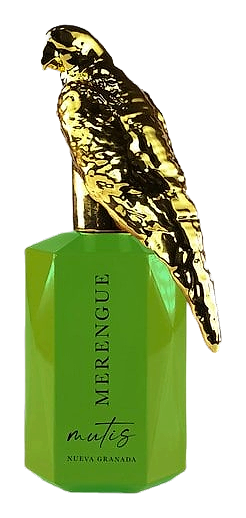
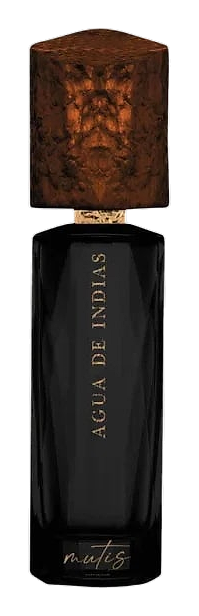
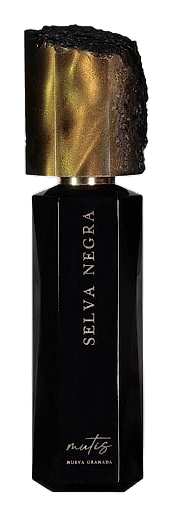
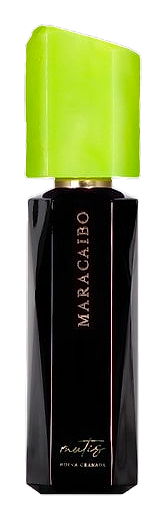
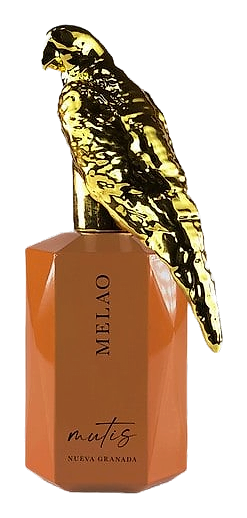
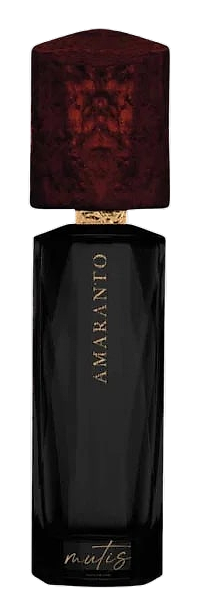
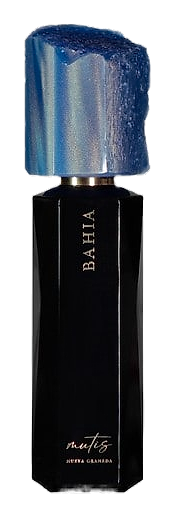
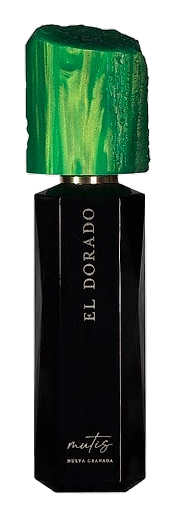
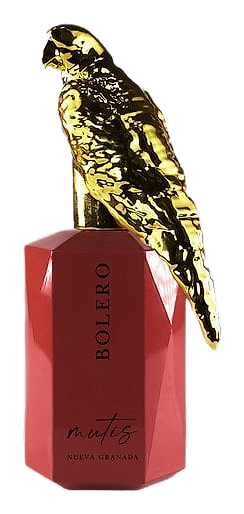
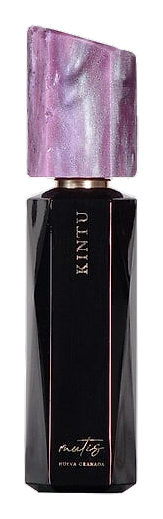
The story of Mutis Nueva Granada begins with Hanssen David Diaz Reyes, a Colombian visual artist who turned his fascination with the country’s botanical archives into a perfume line. Reportedly launched in 2020, the brand positioned itself as the first Colombian artistic perfumery, a claim echoed by several niche‑fragrance publications. In 2021 the house unveiled a cluster of debut fragrances—Amaranto, Delta, Agua de Indias, Bahia, Selva Negra, El Dorado—each named after a regional landmark or plant. That same year the collection was presented at the Cannes fragrance pavilion, marking Mutis’s first exposure to an international audience. The following season the brand appeared at Pitti Fragranze in Florence, where curators highlighted its dedication to the Real Expedición Botánica as a conceptual framework. 2022 saw the release of Kintu, a scent that references the indigenous Kogi people and their sacred mountains. 2023 the line expanded with Maracaibo, a tribute to the historic port city that once linked the New World to Europe. In 2025 two new compositions—Merengue and Bolero—joined the catalogue, reinforcing the house’s rhythm of yearly additions that reflect Colombia’s cultural diversity. Throughout its growth, Mutis has maintained a small‑batch production model, sourcing raw materials directly from Colombian farms and collaborating with local botanists to verify the authenticity of each botanical note. The brand’s evolution mirrors a broader resurgence of interest in South American terroir within niche perfumery, positioning Mutis as both a cultural ambassador and a laboratory for botanical experimentation.
Craftsmanship
Production at Mutis Nueva Granada follows a small‑batch, artisanal model that blends traditional extraction methods with modern analytical techniques. Raw materials are sourced from Colombian farms that cultivate native species such as Colombian orchid, guanabano, and cacao pod husk. In many cases the brand works directly with the growers, arranging contracts that guarantee sustainable harvest levels and fair compensation. Once harvested, botanicals undergo cold‑press or steam‑distillation processes that preserve volatile compounds, a practice documented by local agronomists who advise the house on optimal timing for collection. The resulting extracts are then blended in a Paris‑based laboratory, where a team of perfumers—though not publicly named—uses gas‑chromatography data to balance natural and synthetic components, ensuring stability without compromising the integrity of the botanical profile. Quality control includes blind testing with a panel of Colombian botanists and fragrance experts, a step that verifies each note’s fidelity to its source. Bottles are filled by hand in a climate‑controlled environment, and each batch receives a signed certificate of authenticity that details the provenance of the key ingredients. This meticulous approach reflects the brand’s dedication to preserving the ecological narrative embedded in each scent.
Design Language
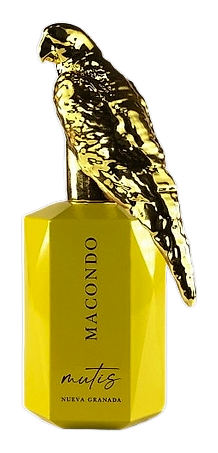
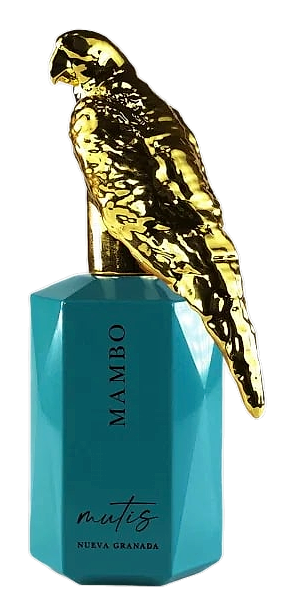
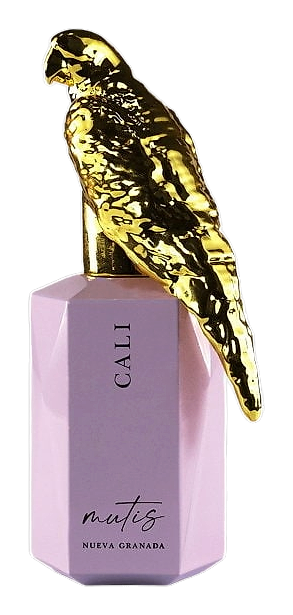
Visually, Mutis Nueva Granada adopts a clean, minimal design that echoes scientific field notebooks. Bottles are crafted from clear, recycled glass with a slender, matte‑black cap that bears the brand’s monogram—a stylised “M” intertwined with a botanical illustration of Mutis’s signature orchid. Labels feature a muted ivory background printed with a subtle embossing of the Real Expedición Botánica’s original map, allowing the fragrance name to stand out in a simple sans‑serif typeface. The packaging box incorporates recycled cardboard and includes a thin, illustrated leaflet that describes the specific Colombian region and plant that inspired the scent. Color palettes draw from natural hues—deep emerald for rainforest‑inspired scents, warm terracotta for coastal compositions, and soft amber for highland fragrances—reinforcing the connection between visual identity and olfactory theme. In promotional photography, the brand often pairs the bottle with archival botanical sketches or landscape photography of Colombian terrain, creating a cohesive narrative that blends heritage with contemporary design.
Philosophy
Mutis Nueva Granada frames perfumery as a dialogue between science and art. The creative vision stems from the Real Expedición Botánica, a 1783‑1808 scientific mission that catalogued thousands of native species. The brand treats each fragrance as a field journal entry, translating botanical data into olfactory narratives. Core values include respect for biodiversity, support for local growers, and a commitment to authenticity. Rather than chasing trend cycles, Mutis selects ingredients that have a documented history in Colombian ethnobotany, allowing the scent to tell a story that is both geographic and temporal. The house also embraces a minimalist aesthetic in its marketing, letting the fragrance itself serve as the primary communicator. Sustainability informs the entire process: ingredients are harvested under fair‑trade agreements, packaging uses recycled glass, and the brand funds small‑scale conservation projects in the regions that inspire its scents. This philosophy positions Mutis as a bridge between the scientific rigor of the 18th‑century expedition and the contemporary desire for immersive, place‑based experiences.
Key Milestones
2020
Founding of Mutis Nueva Granada by Hanssen David Diaz Reyes in Bogotá, Colombia
2021
Debut of the first fragrance collection (Amaranto, Delta, Agua de Indias, Bahia, Selva Negra, El Dorado) and presentation at Cannes
2022
Launch of Kintu, a scent inspired by the Kogi people and their sacred mountains
2023
Release of Maracaibo, referencing the historic port city of the same name
2024
Participation in Pitti Fragranze in Florence, highlighting the brand’s botanical research collaborations
2025
Introduction of Merengue and Bolero, expanding the catalogue with Caribbean‑influenced compositions
At a Glance
Brand profile snapshot
Origin
Colombia
Founded
2020
Heritage
6
Years active
Collection
1
Fragrances released
Avg Rating
2.3
Community sentiment
Release Rhythm


