
The Story
Why it exists.
The beginning
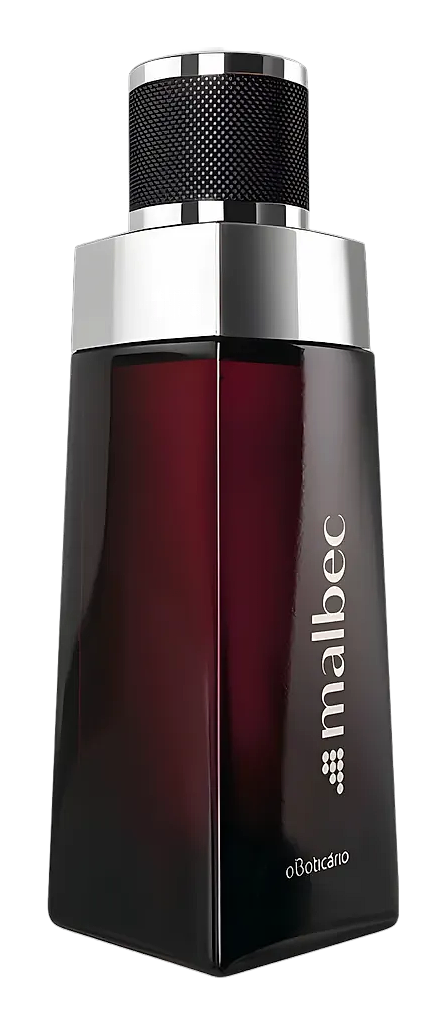
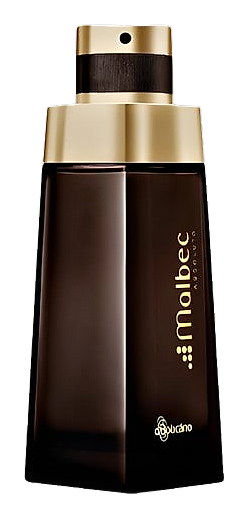
Malbec Absoluto takes its name from the Argentine grape, a bold choice for a Brazilian house. Napoleão Bastos built the fragrance around red wine as a central material, translating the aroma of a good Malbec into something wearable. The year was 2013. The idea: a masculine scent that borrowed sophistication from the vineyard rather than the forest.
What makes this composition interesting is the collision between New World wine and Old World leather. The Indonesian patchouli leaf adds a humid, earthy depth that keeps the wine from feeling too refined, it grounds the grape in something rougher, more grounded. Cedarwood runs through the heart, adding structure. The dried fruits in the heart accord give it a sweetness that could read as dessert, but the leather base pulls it back toward something worn and warm.
The evolution
The opening is all citrus fire, bergamot, lemon, mandarin orange arriving together with black pepper and cardamom. Bright. Almost gummy. Then the wine enters around the 20-minute mark, and everything shifts. The citrus doesn't disappear, it sweetens, blending with the dried fruits until the whole thing reads as spiced fruit punch. Indonesian patchouli arrives quietly, adding an earthy undercurrent that prevents the heart from feeling too soft. The cedarwood holds everything together. By the second hour, the leather takes over. This is where the fragrance earns its name. Amber and benzoin wrap around the leather and musk, creating a warm, animalic drydown that lingers close to the skin for another 3-4 hours. Oakmoss keeps it grounded, a little green, a little dirty. On fabric, the leather note can last into the next day.
Cultural impact
Malbec Absoluto stands out in the Brazilian masculine fragrance landscape for its use of wine as a named material, not a metaphorical descriptor, but an actual Malbec accord. It's found its audience among men who want something with leather weight but without the usual tobacco or smoky conventions.