Licorice
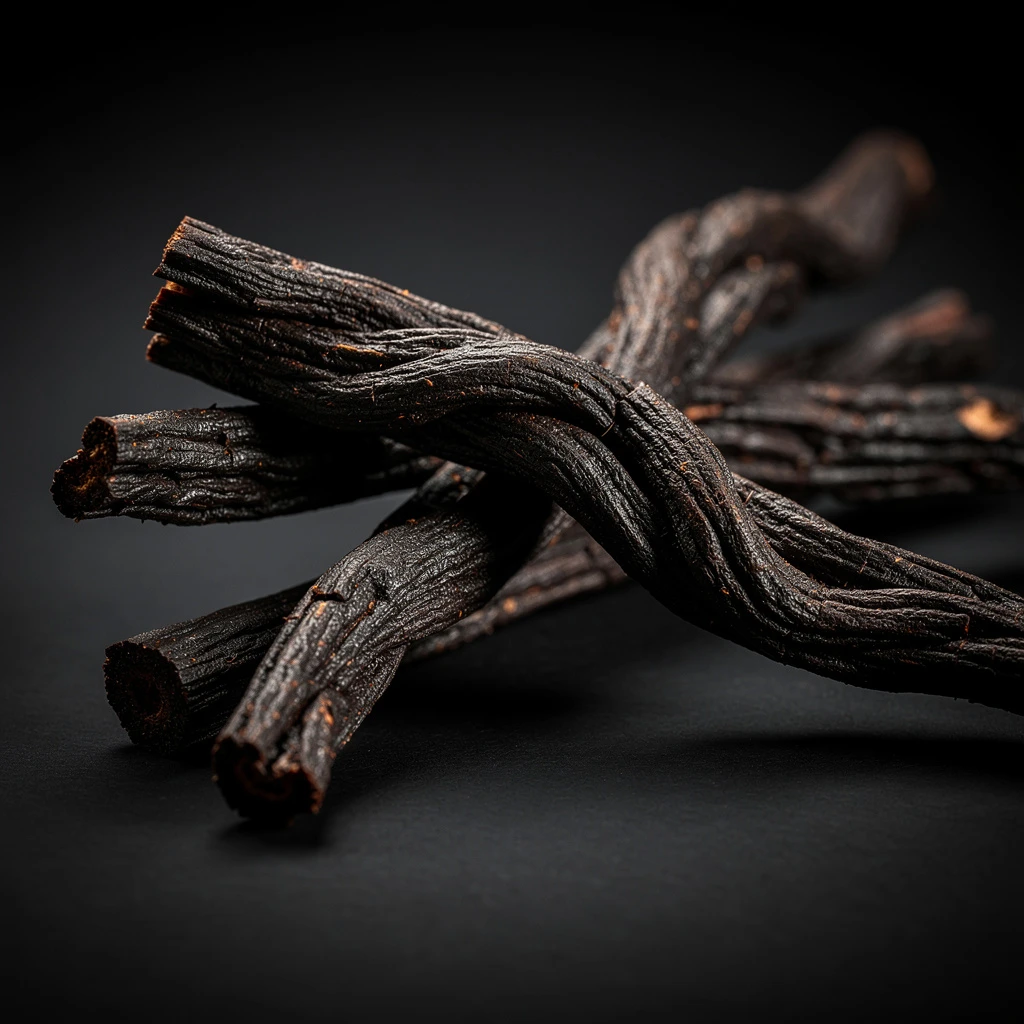
Licorice brings an unexpected sweetness to perfumery: sweet, slightly bitter, with a haunting anise-like warmth. The root's dense, resinous character anchors compositions while adding a gourmand edge that feels both ancient and modern.
Character
How it smells
Sweet roots with an anise soul
Licorice root contains glycyrrhizin, a compound roughly 50 times sweeter than cane sugar, which gives its fragrance extract its lingering, syrupy quality.








Origin
Turkey
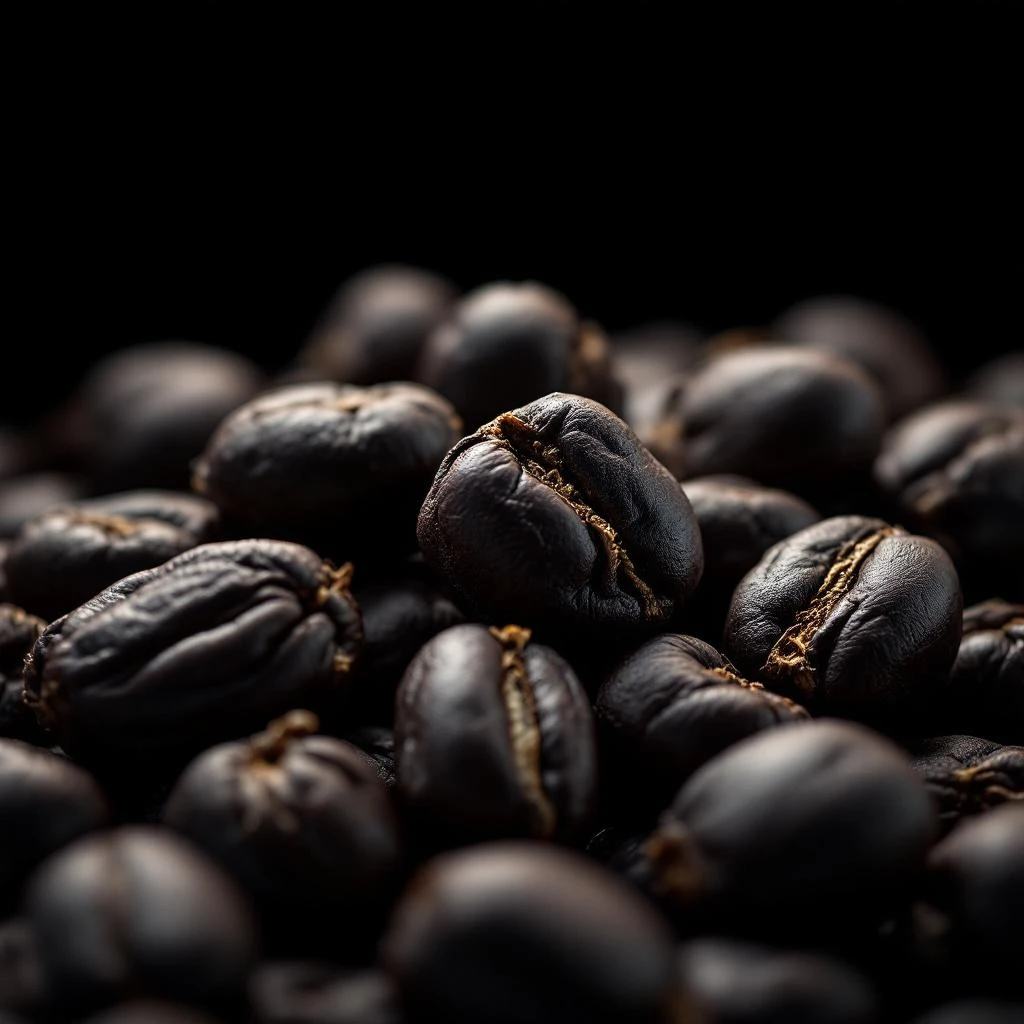
Licorice root has been one of the most traded botanicals in human history, with written references dating back to ancient Assyria and Egypt. The Greek physician Hippocrates documented its use around 400 BCE, and Roman naturalist Pliny the Elder described its cultivation in his Naturalis Historia. By the Middle Ages, licorice had spread across Europe through monastic medicine gardens, where monks cultivated it primarily for its therapeutic properties.
The root traveled the Silk Road from Central Asia to become a staple in Chinese herbalism, where it remains one of the most prescribed ingredients in traditional formulas. In 18th-century Europe, licorice became significant in early perfumery through its use in aromatic waters and potpourris. By the 19th century, as synthetic aroma chemistry emerged, researchers isolated anethole from licorice root, making this once-exclusive note more accessible.
Today, licorice appears in both oriental and gourmand fragrance families, valued for its ability to bridge sweet and woody registers.
Wears it best
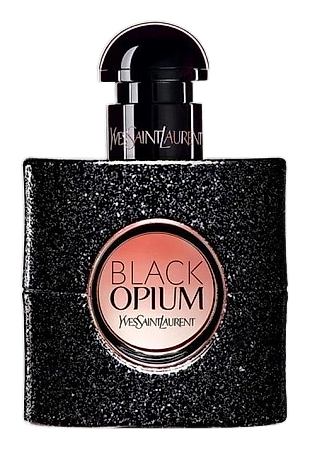
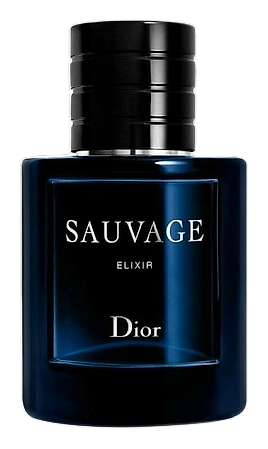
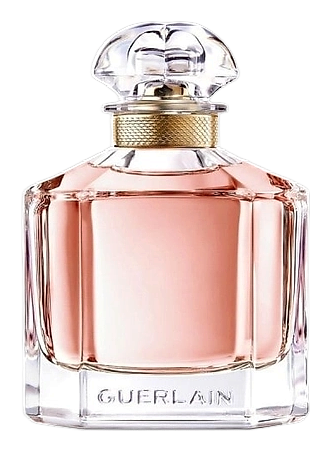
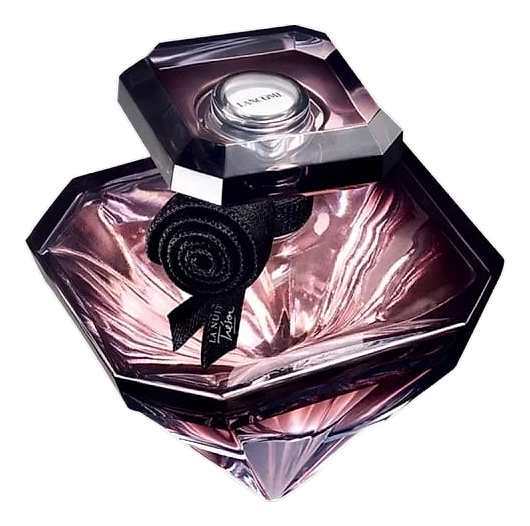
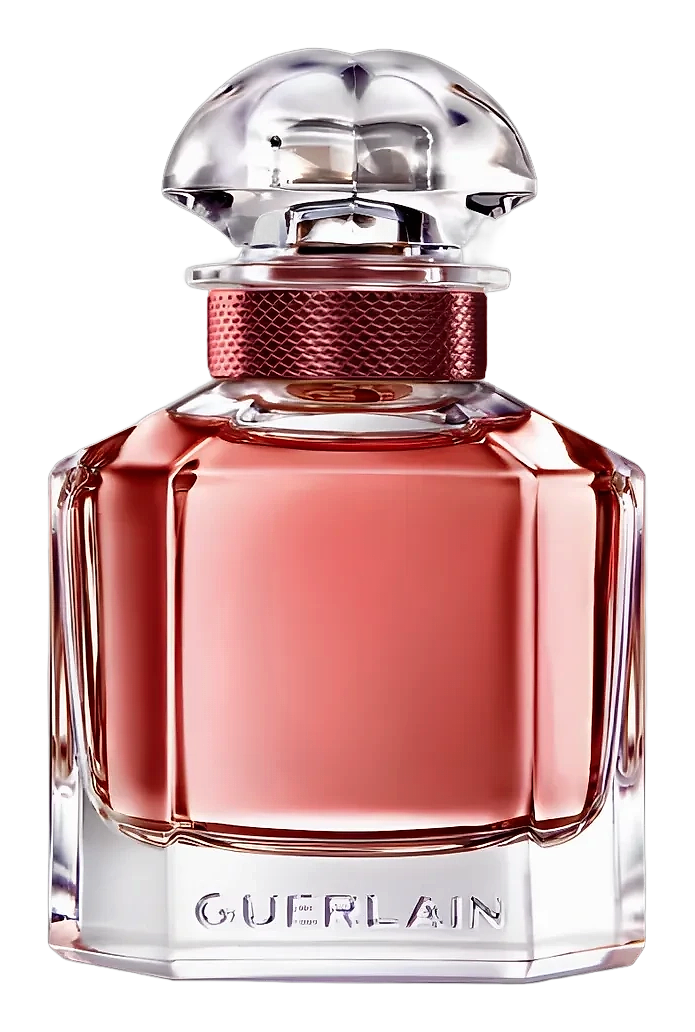
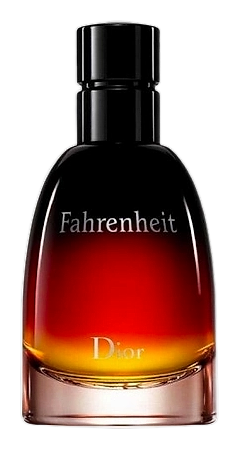
Fragrances featuring Licorice

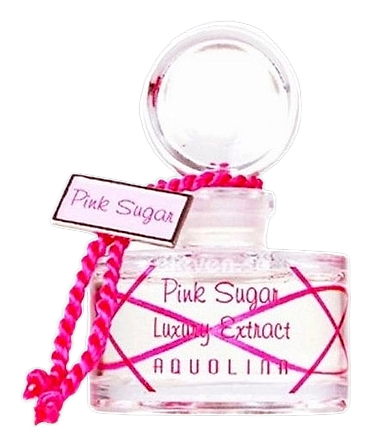
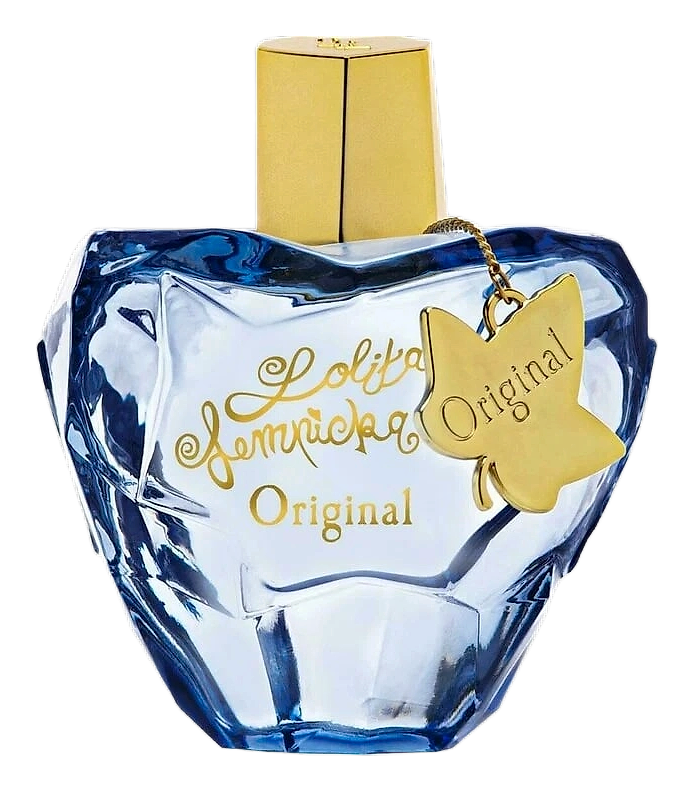
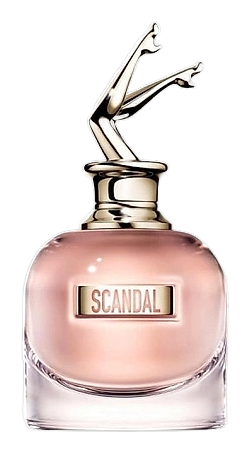

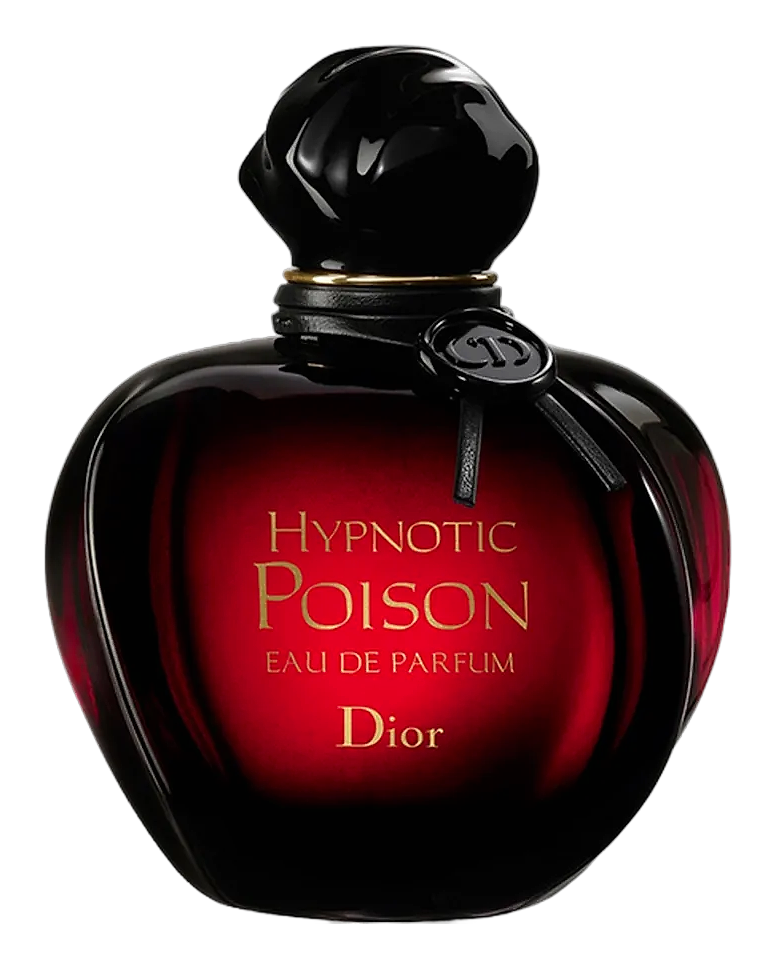
Brands
Brands known for Licorice
Good to know
Questions, answered
The essentials on Licorice in perfumery: how it smells, where it comes from, and how it behaves on skin.
What does licorice smell like in perfume?
Licorice smells sweet, warm, and anisic, with a distinctive anise-like character balanced by subtle bitterness. The root's signature sweetness comes from glycyrrhizin, a compound roughly 50 times sweeter than cane sugar, giving fragrances an addictive gourmand edge.
Is licorice a top, heart, or base note?
Licorice typically functions as a heart-to-base note due to its moderate longevity and warm, resinous character. Its sweetness makes it bridge top and middle layers, while its woody-bitter facets help anchor compositions through the drydown.
Where does licorice for perfumery come from?
Most perfumery-grade licorice root originates in Turkey and Iran, where the arid climate produces roots with higher anethole content. These regions yield denser, more anisic extracts compared to Mediterranean varieties, which tend toward brighter, more herbaceous profiles.
How is licorice essential oil extracted?
Producers extract licorice oil primarily through steam distillation of dried roots harvested after three to four years of growth. Some makers use solvent extraction to produce a richer absolute with deeper balsamic tones, capturing the full complexity of the root's aromatic profile.
What fragrances contain licorice?
Licorice appears across both classic and contemporary compositions, particularly in oriental and gourmand styles. It pairs especially well with vanilla, tonka bean, and woody notes, where its anise-like sweetness amplifies warmth without overwhelming the structure.
Is licorice root safe to use in perfume?
Licorice root extract is generally recognized as safe for cosmetic and fragrance use. However, glycyrrhizin can cause photosensitivity in some individuals when applied topically, a consideration for leave-on skin products.
How long has licorice been used in perfumery?
Licorice's aromatic use dates back to ancient Egypt and Rome, with Pliny the Elder documenting its cultivation around 77 CE. By the 18th century, it appeared in European aromatic waters, and 19th-century chemists isolated anethole from the root for broader fragrance applications.
What notes pair well with licorice?
Licorice pairs exceptionally well with vanilla, tonka bean, sandalwood, and star anise. Its anise-like sweetness complements gourmand compositions, while its bitter-woody facets create contrast against citrus and floral elements, adding depth without cloying sweetness.