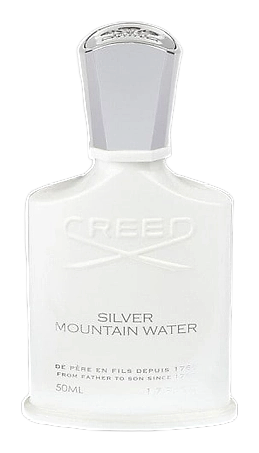
The Story
Why it exists.
The beginning
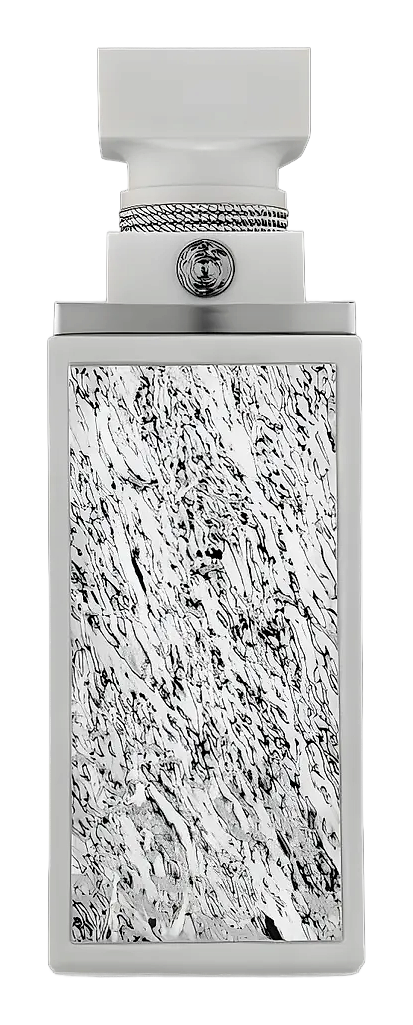
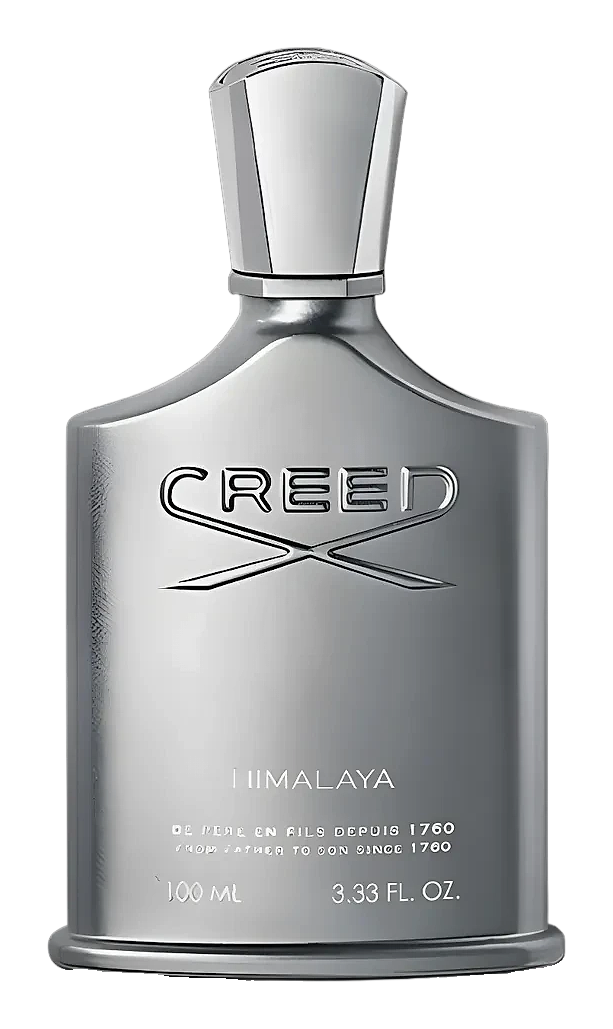
Olivier Creed was a mountaineer. Before the bottles and the royal warrants, before the sixth-generation lineage and the cold maceration obsession, he climbed. And on one particular expedition into the Tibetan Himalayas, something shifted. The air at altitude has a quality you can't replicate in a laboratory, that thin, mineral-sharp clarity that hits your lungs before your head can name it. He wanted to bottle that. Not metaphorically. Literally. The result was Himalaya, released in 2002, a fragrance built around the tension between frozen altitude and warm human skin. The bottle itself reflects this: a metallic flask that recalls both a mountaineer's canteen and the sheen of ice on rock, unique in the Creed collection, deliberately so.
What makes Himalaya's structure interesting is how it refuses to resolve cleanly. The citrus top notes, Calabrian bergamot, grapefruit, Sicilian lemon, don't just announce themselves and fade. They linger in conversation with the sandalwood heart in a way that keeps the fragrance feeling open, airy, almost cold, even as warmth arrives. The gunpowder note, mentioned in the brand's own copy, is the unexpected handshake between these worlds: mineral, slightly smoky, vaguely dangerous, the smell of a flint striking in thin air. It's not a note you find often, and in Himalaya it earns its place by grounding the citrus in something earthier, more grounded.
The evolution
The opening hits like cold wind against exposed skin, citrus that's been refrigerated, that almost hurts before it becomes pleasant. Bergamot and grapefruit arrive together, with lemon sharpening the edges. This phase lasts a solid thirty minutes, clean and mineral, the kind of opening that makes people stand up straighter. The hand-off to the sandalwood heart is where Himalaya earns its name. Not with drama, but with a slow warming, like sunlight breaking over a ridgeline at 6 a.m. The sandalwood is creamy, almost cool in its warmth, and it sits there comfortably while the citrus gradually fades behind it. By hour two, you're in base camp: sandalwood and cedar, ambergris lifting everything slightly, musk holding the whole thing close to skin. The drydown is where Himalaya becomes intimate. Musk and cedar, with just enough ambergris to remind you this isn't a soap. It stays close, moderate sillage throughout, becoming a skin scent around hour five and holding there until hour six or seven depending on your skin. The next morning, cedar.
Cultural impact
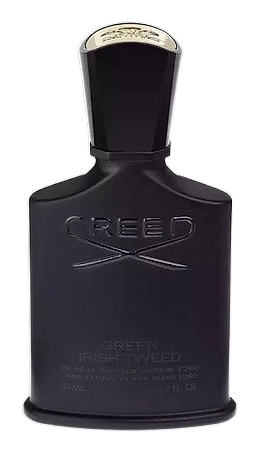
Himalaya occupies an unusual space in the Creed lineup. Where Aventus became a subculture, where Green Irish Tweed and Silver Mountain Water have their devoted camps, Himalaya has remained something rarer: a Creed fragrance people wear when they don't want to announce they're wearing Creed. It's versatile in a way the house's more dramatic releases aren't. Office-safe without being boring. Classic without being dated. The kind of fragrance a person reaches for when they've moved past the need to prove something with what they spray. Wearers describe it as the scent of someone who walks into a room and doesn't need to announce themselves, which, given Creed's heritage positioning, may be the highest compliment the fragrance can receive.