The Story
Why it exists.
The beginning
In the early 1990s, Carolina Herrera approached perfumers Rosendo Mateu and Carlos Benaïm to translate the house's vision of refined masculine elegance into scent. The task was to create a men's fragrance that could stand alongside the house's tailored silhouettes and sophisticated aesthetic. Rather than chase trends, Herrera and Mateu built a composition meant to hold its shape decades after launch. The brief centered on classic masculine materials: aromatic herbs, warm woods, and resins that read as timeless rather than dated.
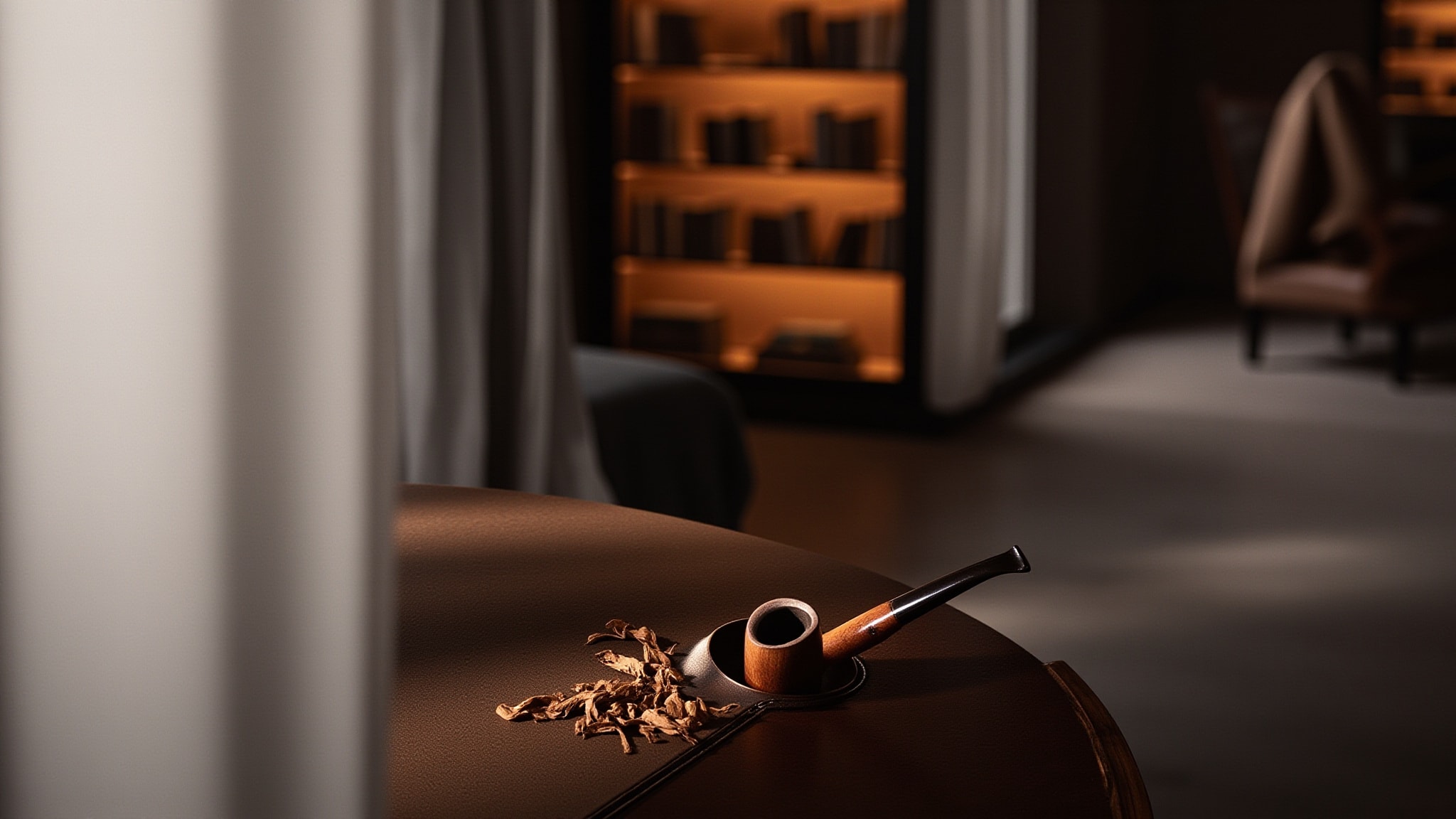
The note selection reflects a philosophy of contrast. The opening is deliberately sharp and green, meant to grab attention through clarity rather than volume. The heart introduces warmth that begins to humanize the composition, moving away from purely aromatic territory into something spiced and alive. The drydown grounds everything in the masculine tradition of sandalwood and tobacco, materials that have defined quality men's fragrance for generations. The amber bridges these woody materials and the earlier bright opening, ensuring the fragrance feels unified rather than fragmented.
The evolution
The opening sets an immediate tone with rosemary and citrus leaf, two ingredients that smell expensive in their green clarity. Lavender acts as a bridge, pulling the brightness toward something softer. Neroli, though a supporting note in the opening, gives the whole entrance a sophisticated citrus-floral dimension that elevates it above simple freshness. As the heart arrives, clove becomes the dominant signal, warm and spiced, joined by pepper leaf that keeps the overall effect from becoming sweet. Geranium adds a final aromatic layer before the drydown begins its long, slow transition. Sandalwood arrives first, creamy and smooth, followed by tobacco that adds a dry, slightly smoky character. Amber seals the drydown with warmth, creating a skin-close presence that rewards rather than projects.
Cultural impact
Herrera For Men occupies an interesting position in masculine fragrance history, neither an iconoclast nor a blockbuster, but a steady presence that found its audience and held it. The fragrance shares heritage with classic fougère traditions, sitting alongside earlier masculine compositions in spirit. Wearers who return to it often describe it as the scent of someone who smelled put-together without effort, someone who dressed well and carried themselves with quiet assurance. It's aged into a refined confidence that newer releases, designed to project from the first spray, don't always achieve.