Pepper leaf
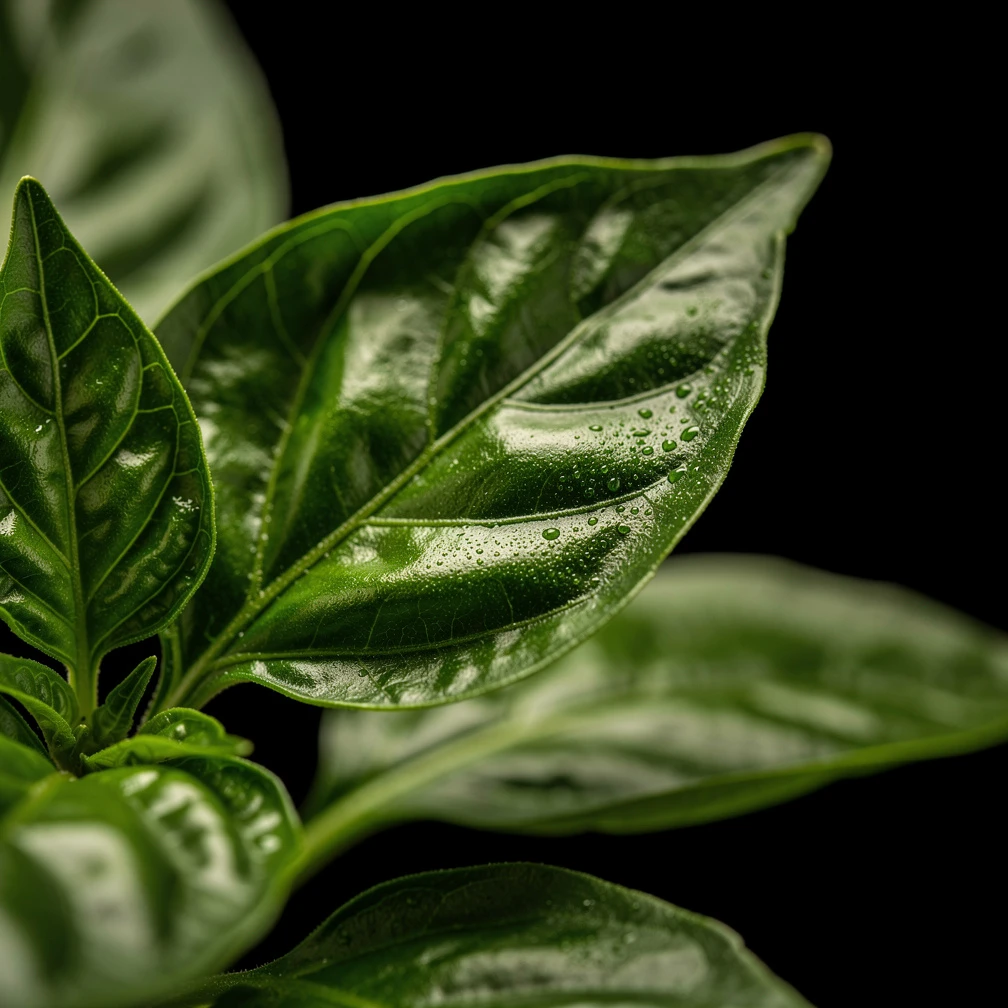
Pepper leaf delivers a crisp, green-spicy character to perfumery that differs from its berry counterpart. Steam distilled from fresh leaves of Piper nigrum, this material adds bright herbaceous top notes with subtle warmth that energizes fragrance compositions without dominating them. Perfumers value it as a natural alternative to synthetic green accords.
Character
How it smells
Fresh green spice from the piper nigrum leaf, brightening compositions with crisp herbaceous warmth.
While peppercorns have dominated global trade for millennia, the leaves of the same Piper nigrum plant remained largely unexploited by perfumers until the late 20th century.






Origin
India
The Piper nigrum plant has been cultivated for its peppercorns since ancient times, with evidence of trade networks spanning from India to Rome by the first century CE. However, historical records contain minimal documentation of pepper leaf use, suggesting the leaves were considered a byproduct of berry harvest rather than a commodity of value.
The plant's cultural significance centered entirely on its fruit, which served as both seasoning and currency along spice routes. Only in recent decades have perfumers revisited overlooked parts of this ancient plant, driven by interest in complete botanical utilization and the pursuit of novel green-spicy accords unavailable from more conventional materials.
Wears it best
Fragrances featuring Pepper leaf
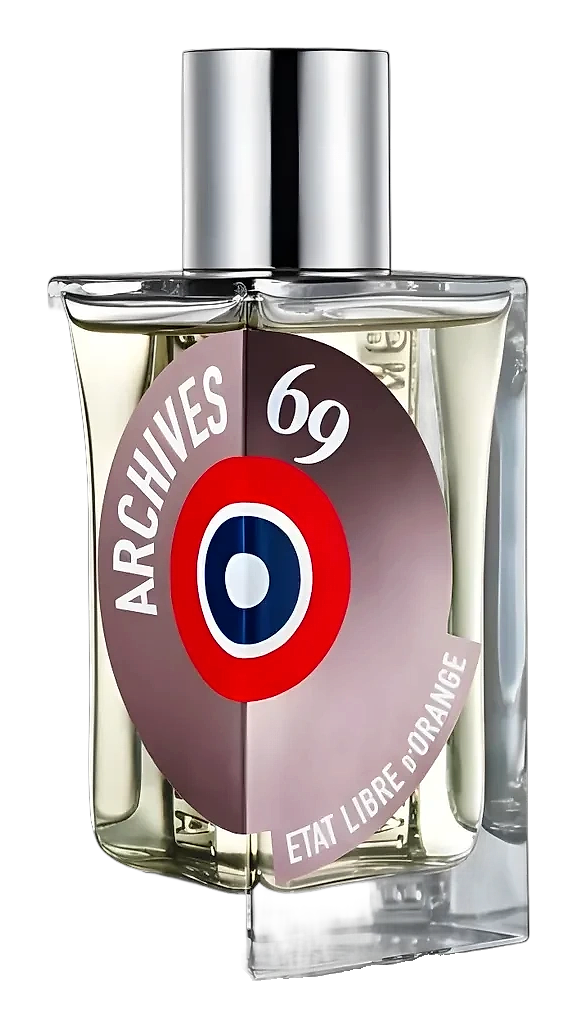

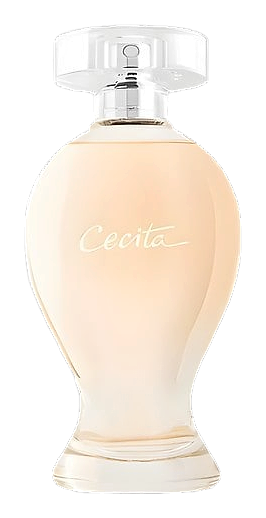
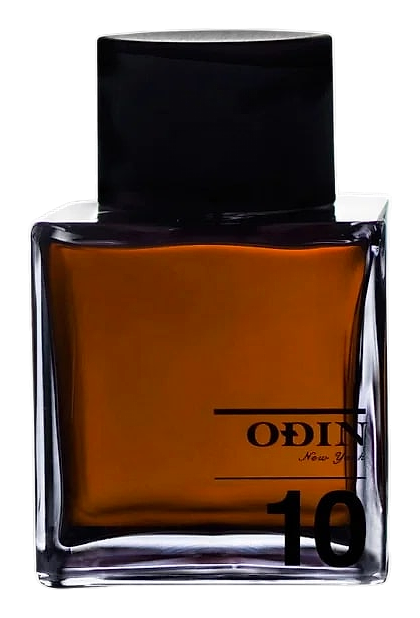
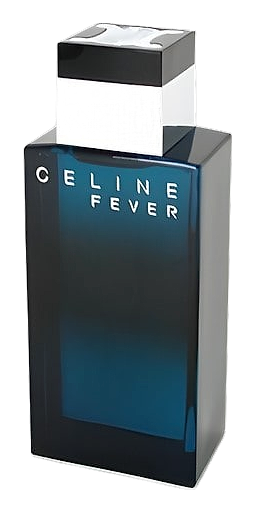
Brands
Brands known for Pepper leaf
Good to know
Questions, answered
The essentials on Pepper leaf in perfumery: how it smells, where it comes from, and how it behaves on skin.
What does Pepper leaf smell like in perfume?
Pepper leaf projects a fresh, green-spicy aroma distinct from peppercorns. It delivers herbaceous top notes with a subtle bite, combining the crispness of cut grass with traces of warm spice. The effect reads as natural and energizing rather than sharp or acrid.
Why is Pepper leaf used in perfumery?
Pepper leaf provides perfumers with a natural green-spicy material that can replace synthetic accords. It adds brightness and lift to top notes while introducing warmth that prevents compositions from feeling overly herbal or medicinal. The material performs well in modern clean fragrance formulations.
Is Pepper leaf in perfume natural or synthetic?
Pepper leaf is a natural ingredient obtained via steam distillation of Piper nigrum leaves. No synthetic equivalent accurately replicates its full aromatic profile. Natural pepper leaf essential oil is the standard in fine fragrance when this material is specified.
What famous perfumes contain Pepper leaf?
Pepper leaf appears as a supporting ingredient in numerous modern fragrances rather than as a signature material. It functions as a bridging note between citrus top accords and warmer heart notes, a role rarely highlighted in marketing materials despite its practical importance.
Is Pepper leaf a top note, heart note, or base note?
Pepper leaf functions primarily as a top note in perfumery. Its volatile aroma compounds project immediately upon application but fade within the first 30 minutes of wear, making it useful for initial impact rather than lasting impression.
What notes pair well with Pepper leaf in perfume?
Citrus oils, particularly bergamot and lemon, pair effectively with pepper leaf's green qualities. Woody base materials like cedarwood and vetiver complement its warmth, while floral absolutes gain lift when surrounded by its herbaceous character.
How is Pepper leaf extracted?
Pepper leaf essential oil undergoes steam distillation shortly after harvest. The brief timeframe between picking and processing preserves delicate aroma compounds that would otherwise degrade. This single extraction method produces the complete aromatic profile used in fine fragrance.
Is Pepper leaf used in men's or women's fragrances?
Pepper leaf appears across gender classifications without preference. Its green-spicy character works equally well in masculine, feminine, and unisex compositions. Modern perfumery increasingly avoids categorizing ingredients by gender, focusing instead on their functional contribution to a formula.