Citrus leaf
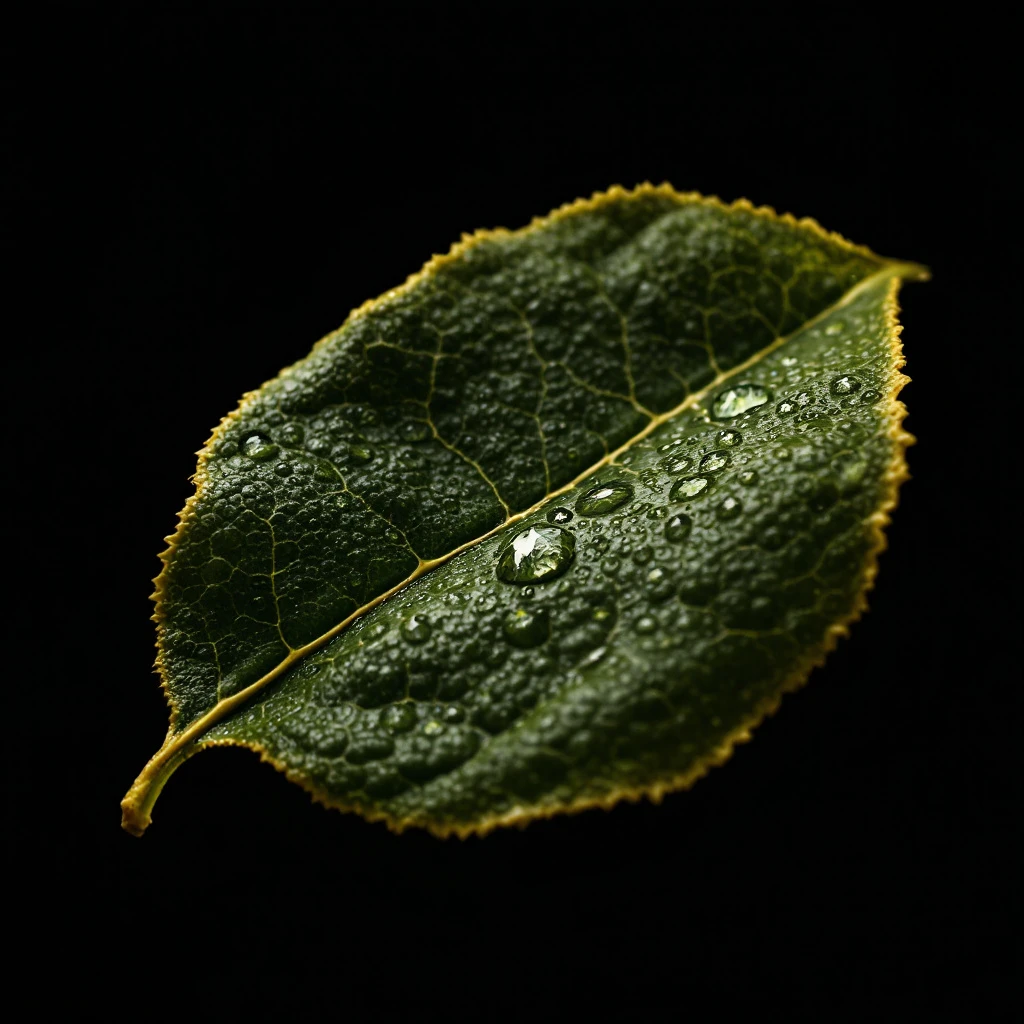
Citrus leaf brings an unexpected green dimension to fragrance, capturing the crisp, living character of citrus foliage rather than just the fruit. Its aromatic profile offers a bitter-fresh quality that grounds bright compositions with natural depth.
Character
How it smells
The green soul of the citrus tree.
The oil distilled from citrus leaves is called petitgrain, French for 'small grain,' named for the small citrus fruits that were once distilled as a cheaper alternative to jasmine in 18th-century French perfumery.






Origin
Italy
Petitgrain production emerged in the French perfume industry during the 1700s as a pragmatic solution to a supply problem. When jasmine crops proved insufficient to meet growing fragrance demand, perfumers turned to citrus leaves as an abundant, year-round alternative. Grasse, the emerging French perfumery capital, became the center of petitgrain production using bitter orange leaves from nearby Mediterranean groves.
The practice spread as citrus cultivation expanded globally, with Paraguay becoming a major producer by the late 19th century using bitter orange plantations. Today, petitgrain remains a bridge between expensive floral absolutes and synthetic alternatives, valued for its ability to add natural green-floral complexity that laboratory reproductions still cannot fully replicate.
Wears it best
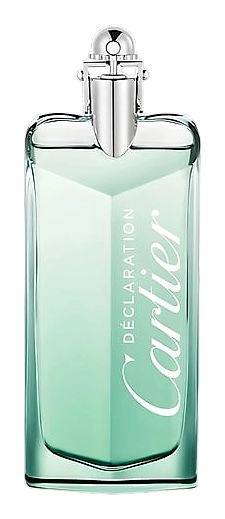
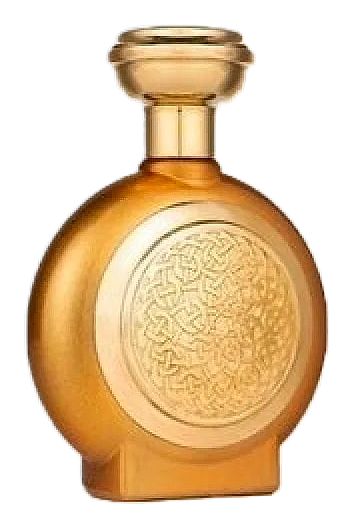
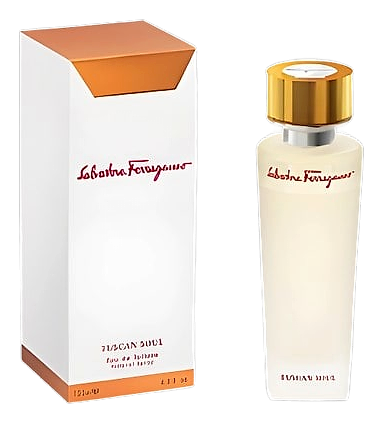
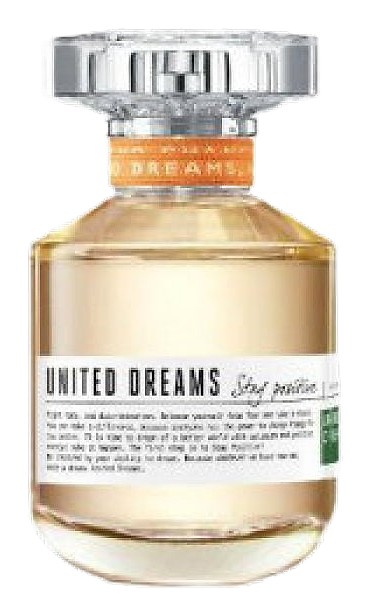
Fragrances featuring Citrus leaf


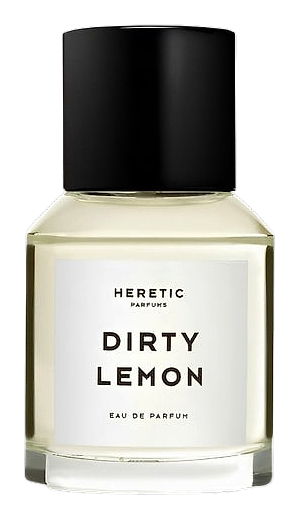
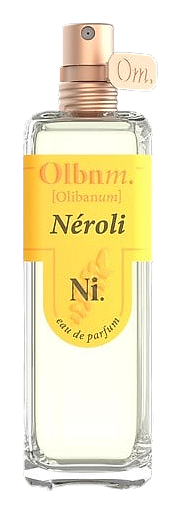
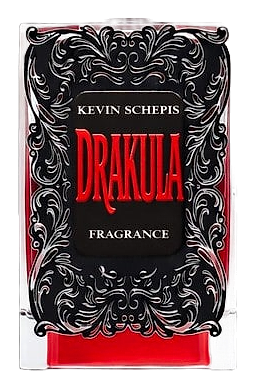

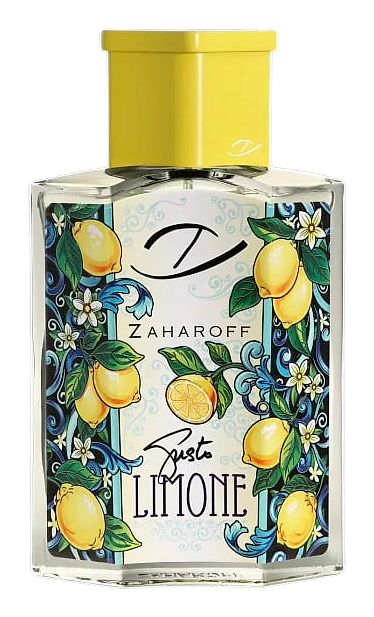
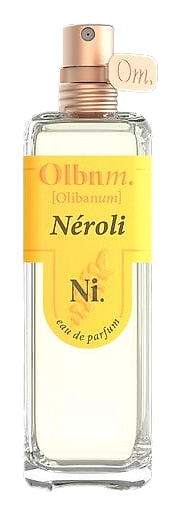
Brands
Brands known for Citrus leaf
Good to know
Questions, answered
The essentials on Citrus leaf in perfumery: how it smells, where it comes from, and how it behaves on skin.
What does citrus leaf smell like in perfume?
Citrus leaf delivers a green, slightly bitter freshness with subtle floral undertones. Unlike the bright sweetness of lemon or orange peel, it adds an aromatic, leafy quality that grounds compositions with natural depth.
Is citrus leaf the same as citrus fruit in fragrance?
No. Citrus leaf oil, known as petitgrain, comes from foliage rather than fruit. It lacks the bright, zesty sweetness of citrus peel and instead offers a complex green-floral profile that adds aromatic backbone to fragrances.
Why is citrus leaf important in perfumery?
Citrus leaf provides a versatile middle-to-top note bridge. It connects bright citrus top notes with deeper base elements while adding green complexity that makes compositions feel more natural and less overtly synthetic.
Where does citrus leaf oil come from?
Primary producers include Italy, Paraguay, Brazil, and Egypt. Bitter orange leaves remain the traditional source, though lemon, sweet orange, and bergamot leaves are also distilled into specialty oils.
Can citrus leaf cause skin sensitivity?
Citrus leaf oil contains furanocoumarins that may cause photosensitivity. Cosmetic-grade petitgrain undergoes distillation to reduce these compounds, and IFRA guidelines regulate usage concentrations in consumer products.
How is citrus leaf oil different from petitgrain?
Petitgrain is simply the commercial name for oil steam-distilled from citrus leaves and twigs. The term comes from French and historically refers to bitter orange leaf oil specifically.
What affects citrus leaf oil quality?
Leaf freshness at distillation, growing conditions, citrus variety, and distillation expertise all influence quality. Leaves must be processed quickly after harvest to preserve aromatic compounds before they oxidize.
What perfumes feature citrus leaf prominently?
Citrus leaf appears in fresh colognes, aromatic fougeres, and modern designer fragrances. It works particularly well in compositions aiming for a natural, green citrus character rather than synthetic brightness.