












Heritage
A house, in its own words
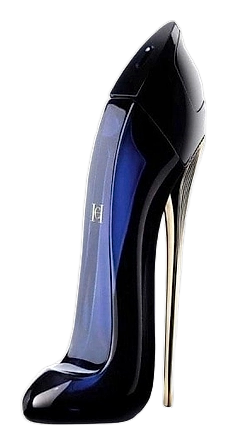
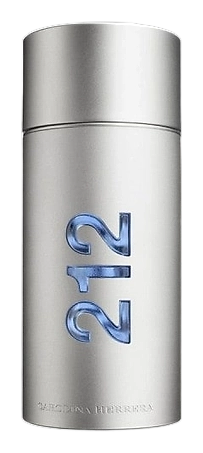
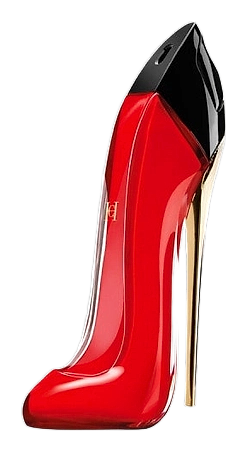
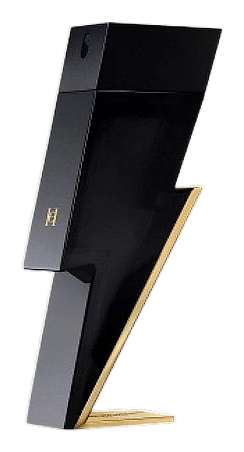
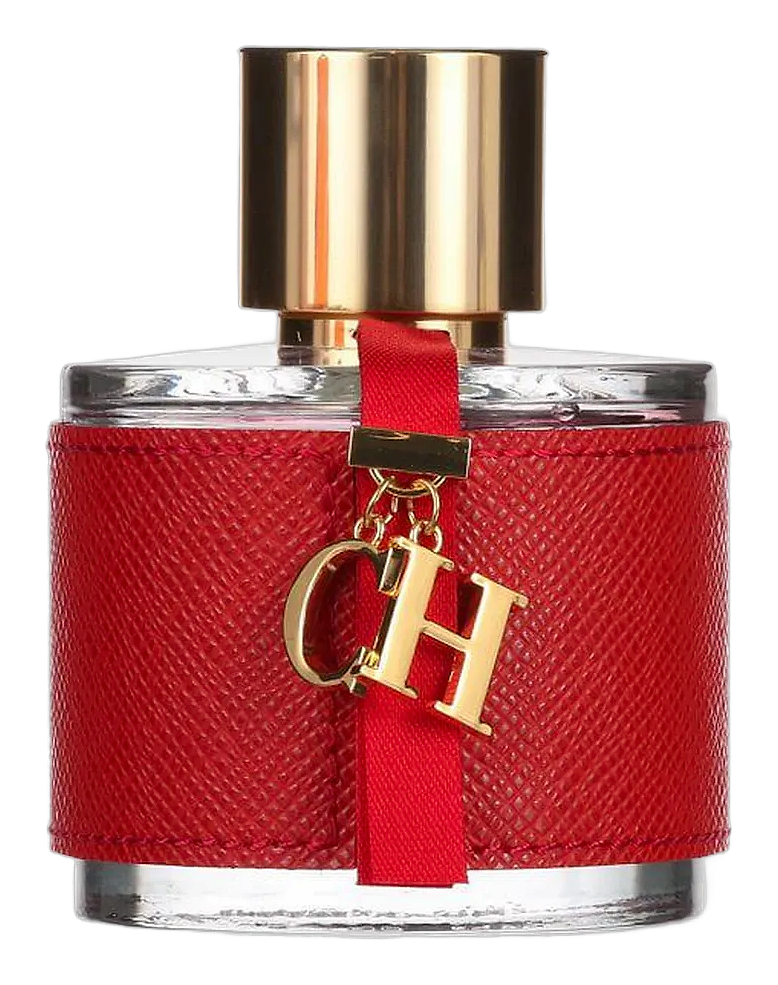
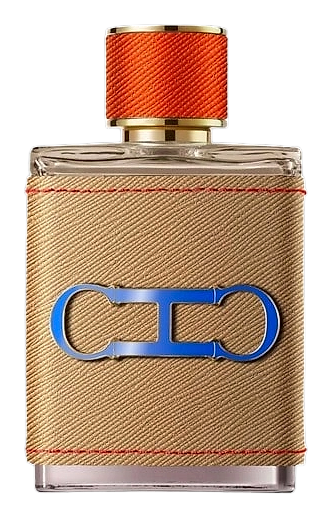
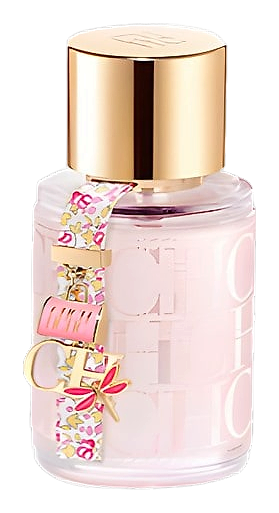
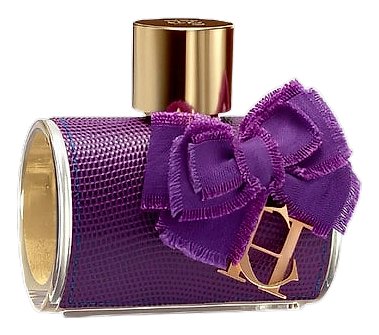
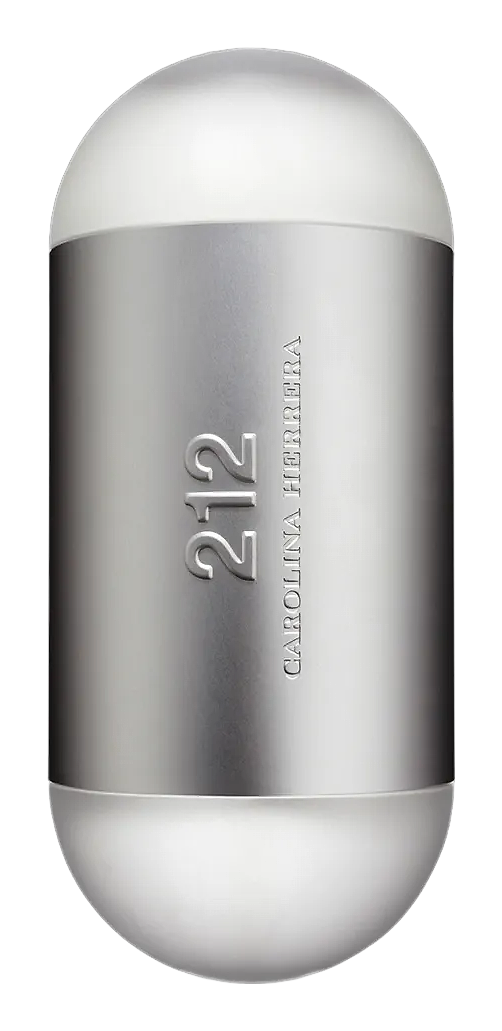
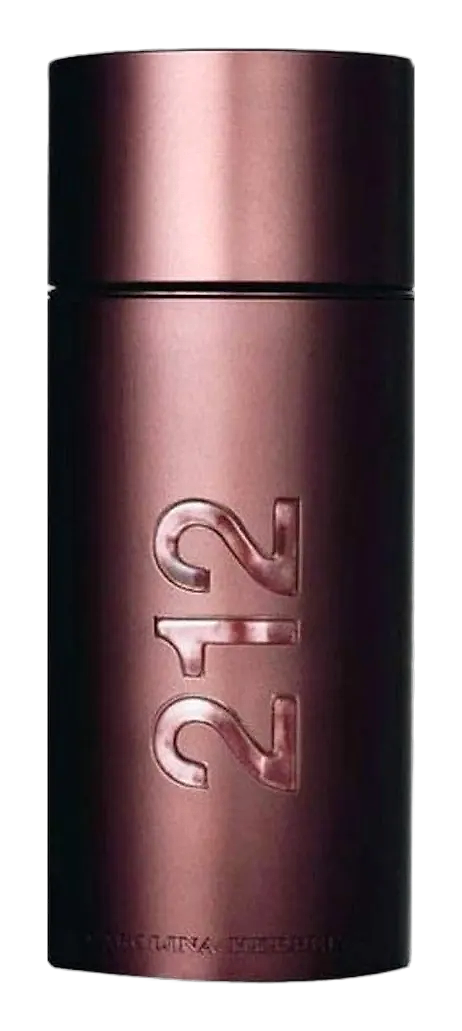
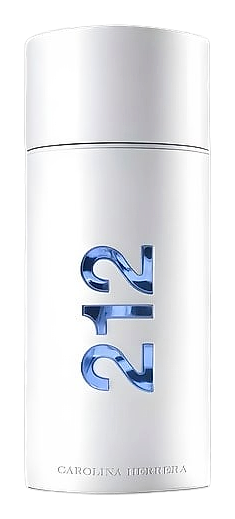
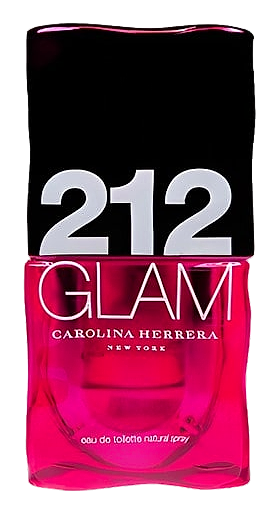
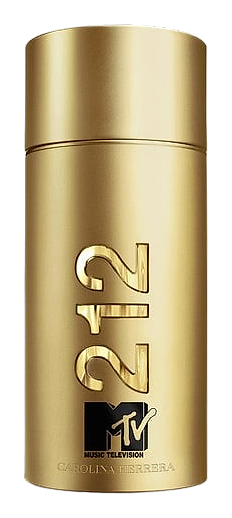
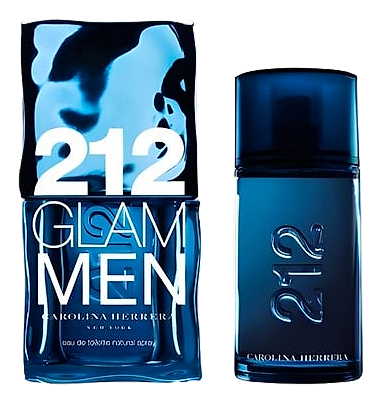
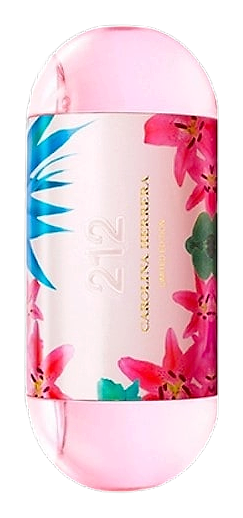
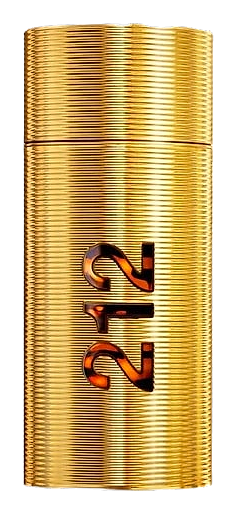
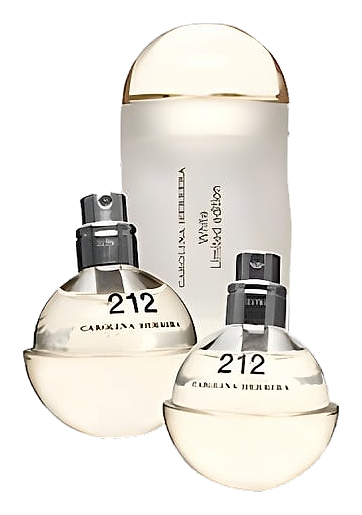
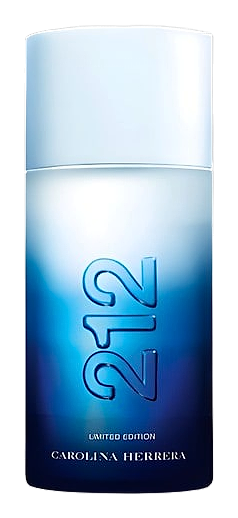
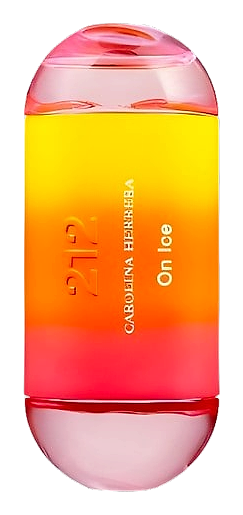
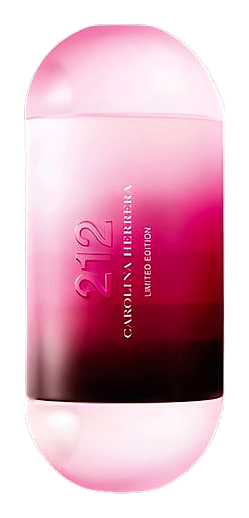
The story begins not with a perfume, but with a woman. Venezuelan-American designer Carolina Herrera, a celebrated style icon herself, launched her eponymous fashion house in New York in 1981. Encouraged by the legendary Vogue editor Diana Vreeland, her vision of refined, feminine clothing quickly won over the city's elite. The brand's venture into fragrance began in 1988, in partnership with the Spanish company Puig. The debut scent, 'Carolina Herrera by Carolina Herrera', was an immediate success, a lush tuberose and jasmine blend that captured the founder's personal memories and sophisticated taste. This partnership with Puig was foundational, and the fragrance division flourished. In 1997, Herrera's daughter, Carolina Adriana Herrera, joined as creative director for fragrances, bringing a fresh perspective. Her first project was the game-changing '212', a tribute to the energy of Manhattan that became a '90s icon. Over the years, Puig deepened its involvement, eventually acquiring the entire Carolina Herrera fashion and beauty business in 1995. This has allowed the fragrance house to operate with the resources of a global beauty giant while maintaining the distinct creative spirit instilled by its founder. At its heart, the Carolina Herrera brand is driven by 'Alegria de Vivir'—the joy of living. This isn't a quiet, passive happiness; it's a vibrant, confident embrace of life's possibilities. The house translates this into fragrances that feel both classic and contemporary, empowering the wearer to express different facets of their personality. There's a powerful belief in duality, most famously expressed in the 'Good Girl' line with its motto, "It's so good to be bad." This philosophy means their perfumes aren't just scents; they're statements. They are conceived as the final touch to an outfit, a personal signature that communicates confidence, sensuality, and charm. Under the creative direction of Carolina A. Herrera for beauty, the house continues to explore the complexities of modern identity, creating perfumes that are as memorable and multifaceted as the women and men who wear them.