Israeli Basil
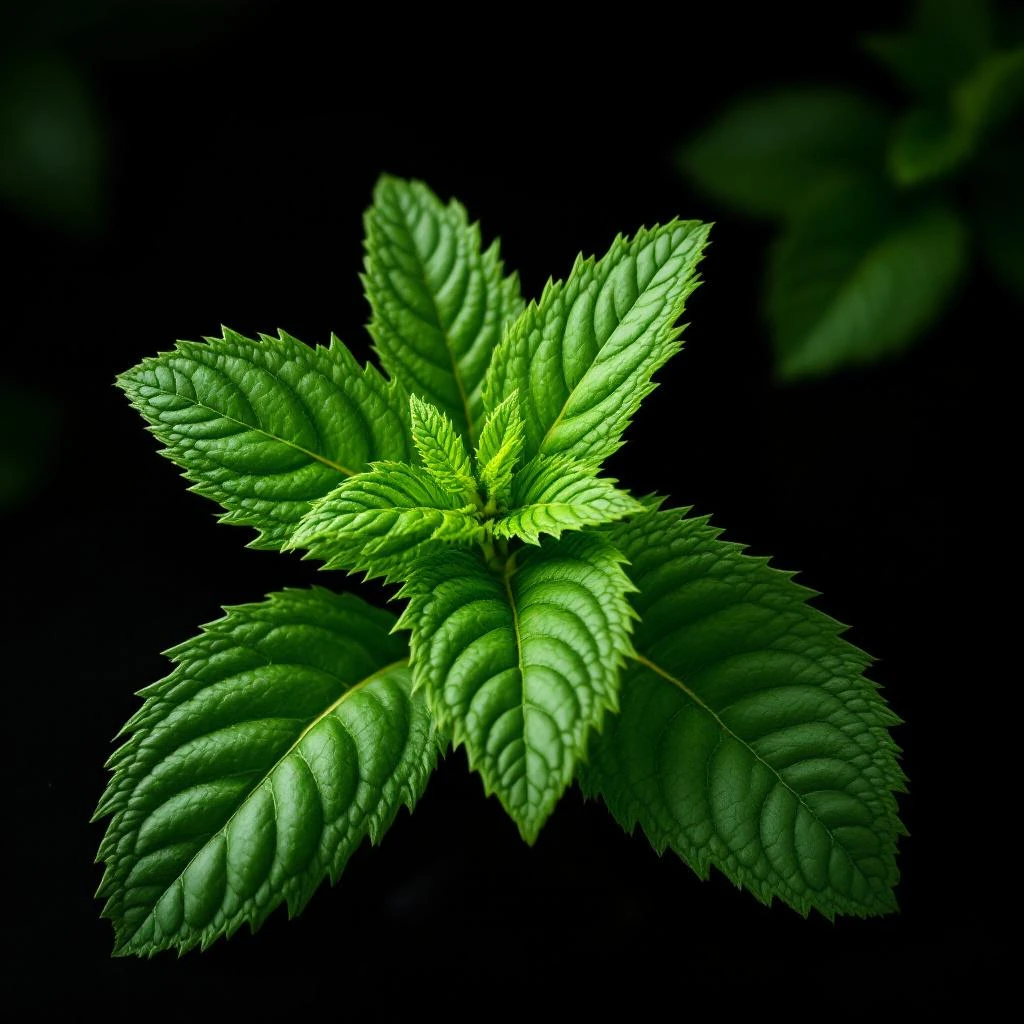
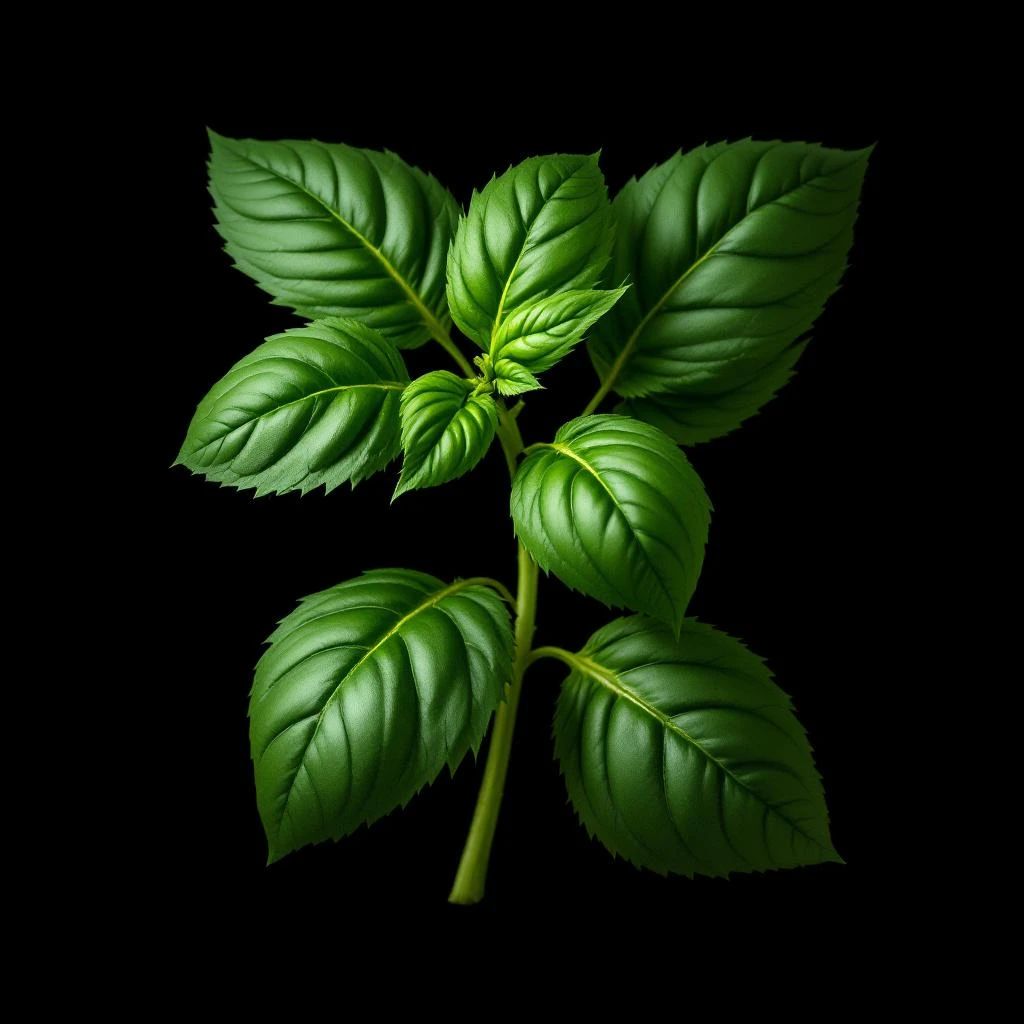
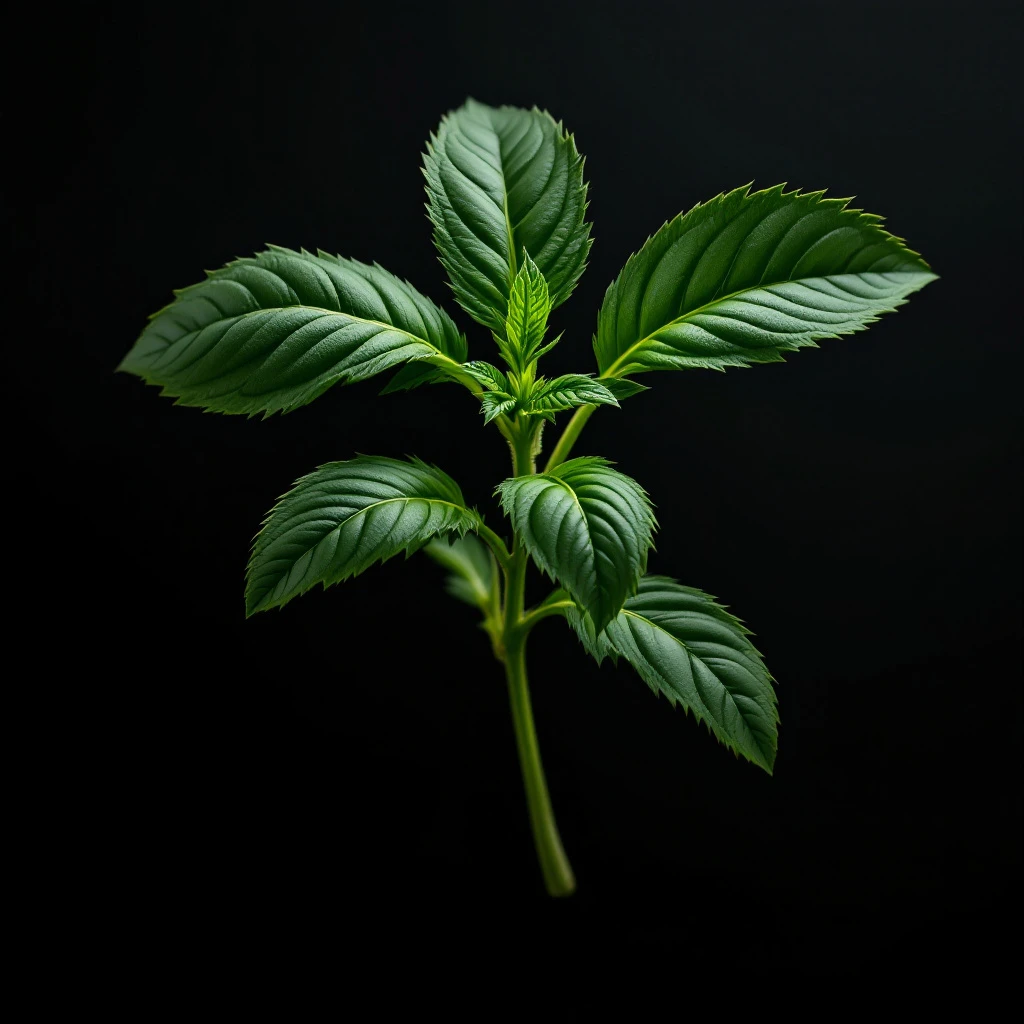
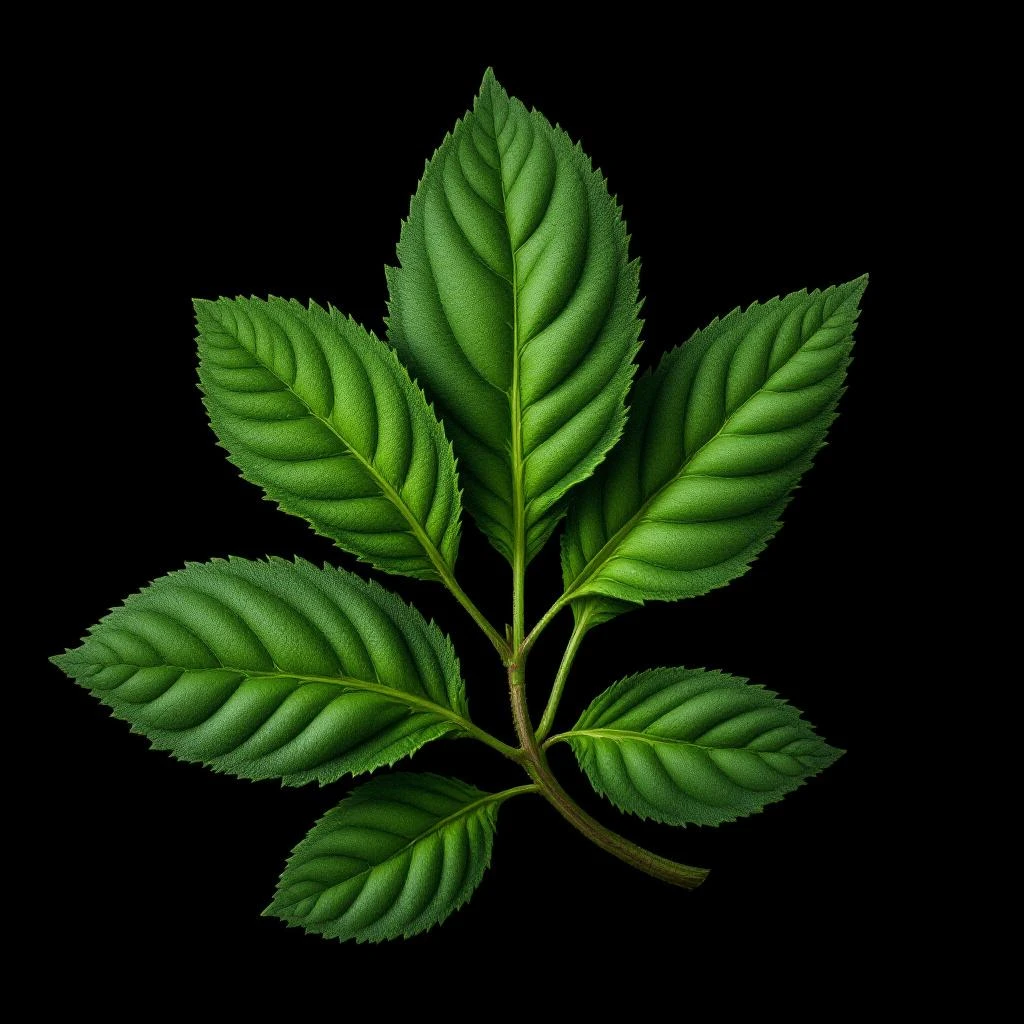
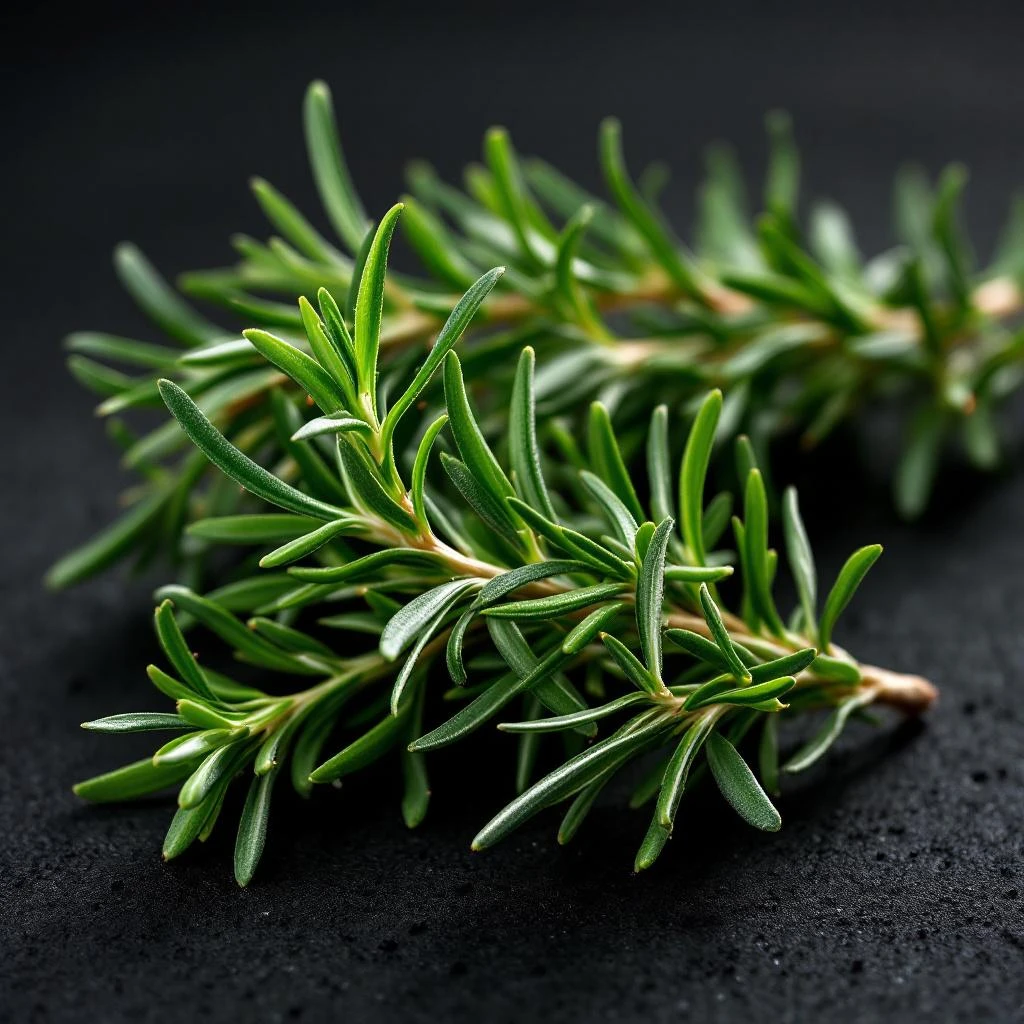
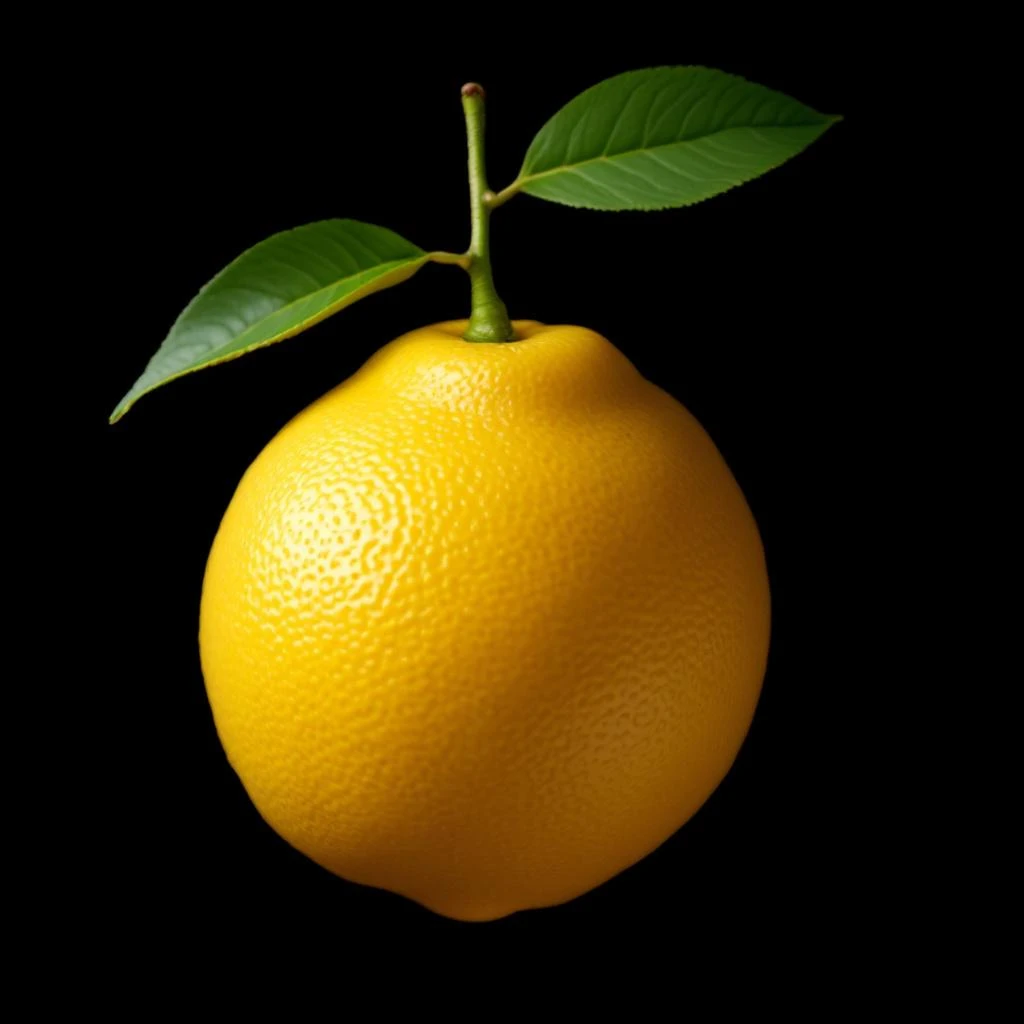
Israeli Basil delivers a bold, anise-forward brightness that sets it apart from sweeter European varieties. Grown under the Mediterranean sun, this aromatic herb brings sharp green notes with subtle spicy warmth that energizes fragrance compositions from fougeres to aromatic chypres.
Character
How it smells
Sharp, green, and unmistakably Mediterranean.
In ancient Egypt, priests used basil in funerary rituals, believing the herb's intense aroma would guide souls safely into the afterlife.



Origin
Israel
Basil has traveled through millennia of human civilization, earning reverence and suspicion in equal measure. Ancient Egyptians incorporated the herb into their sacred rituals, while Indian Ayurvedic traditions classified sacred basil as a tonic for mind and spirit.
The ancient Greeks associated basil with hatred and misfortune, yet the Romans adopted it as a symbol of love and fertility. Trade routes carried basil eastward into Persia and westward into the Mediterranean basin, where regional varieties developed distinct aromatic profiles.
Modern Israel has emerged as a significant producer of aromatic basil, leveraging its Mediterranean climate to cultivate varieties prized for perfumery. Contemporary fragrance houses value Israeli Basil for its robust character, using it to inject freshness and herbaceous vitality into masculine and unisex compositions across fougere, aromatic, and chypre families.
Wears it best
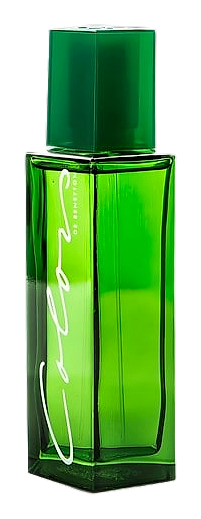
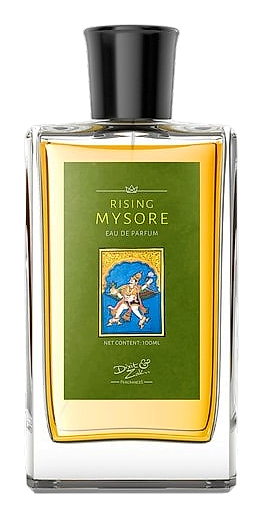
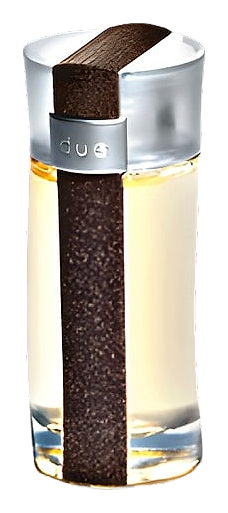
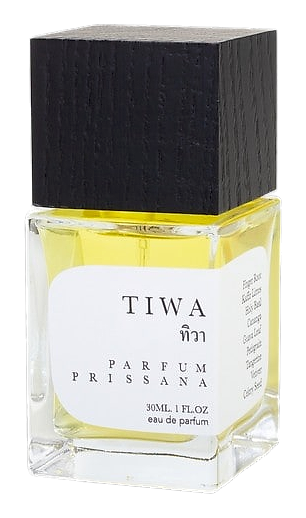
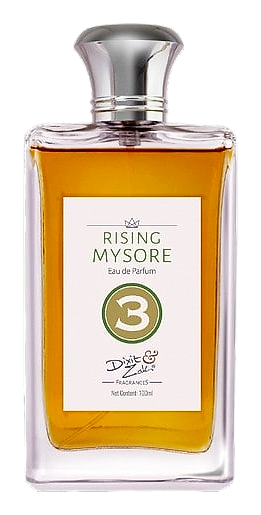
Fragrances featuring Israeli Basil
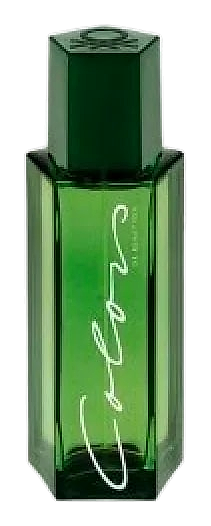
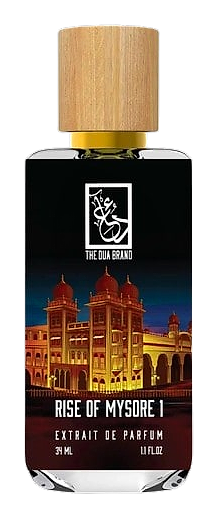
Brands
Brands known for Israeli Basil
Good to know
Questions, answered
The essentials on Israeli Basil in perfumery: how it smells, where it comes from, and how it behaves on skin.
What does Israeli Basil smell like in perfume?
Israeli Basil presents a sharp, green aroma with anise-like brightness and subtle spicy warmth. It differs from sweet basil varieties by offering more intensity and a slightly medicinal quality that adds depth to fragrance compositions.
Is Israeli Basil a natural or synthetic ingredient?
Israeli Basil is a natural ingredient extracted via steam distillation from Ocimum basilicum plants grown in Israel's Mediterranean climate. The warm, dry conditions produce basil with particularly high aromatic concentration.
Which fragrance families use Israeli Basil?
Israeli Basil appears primarily in masculine and unisex fragrances across fougere, aromatic, and chypre families. It also features in certain feminine perfumes seeking a fresh, herbaceous top note with green, slightly spicy character.
How is basil essential oil extracted for perfumery?
Steam distillation extracts basil oil by passing steam through fresh leaves and flowering tops at controlled temperatures. This method preserves volatile aromatic compounds including linalool and eugenol that define the oil's scent profile.
What is the historical significance of basil in perfumery?
Basil has been used since ancient Egyptian times, when priests employed it in sacred rituals. Its aromatic intensity made it valuable for masking odors and creating ceremonial fragrances before becoming a perfumery staple.
How does Israeli Basil differ from other basil varieties?
Israeli Basil benefits from Mediterranean growing conditions that produce higher concentrations of aromatic compounds. The result is a more intense, slightly sweeter basil with distinct anise character compared to cooler-climate varieties.
What compounds give basil its characteristic scent?
Linalool contributes basil's sweet, floral undertone while eugenol adds spicy warmth. Methyl chavicol provides the distinctive anise note that makes basil instantly recognizable in fragrance compositions.
Is basil safe for use in skin-contact perfumery?
Basil oil requires proper dilution in perfumery, typically at 1% or below in final formulations. It contains eugenol, which can cause sensitization in some individuals, soIFRA guidelines govern its concentration in consumer products.