
The Story
Why it exists.
The beginning
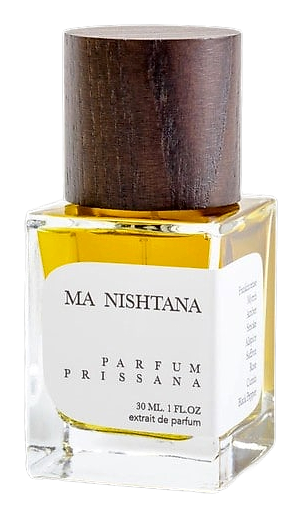
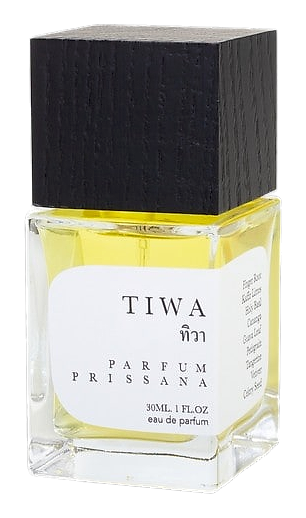
Tiwa. In Thai, it means daytime. And Prin Lomros didn't reach for temple incense or jasmine rice, he reached for noon in a countryside garden. The brand's own copy describes it as the smell of local cooking herbs and spices, fruit orchards and precious woods nearby. A specific time and place, not a mood board of Thailand. The fragrance was released in 2019 as part of Prissana's compact, narrative-driven catalogue, each scent a different cultural reference, this one the atmosphere of ordinary life in a Thai provincial town, translated into something you can wear.
What makes Tiwa work is the stubborn refusal to be safe. Kaffir lime isn't the bright, soapy citrus you find in mainstream fragrances, it's bitter, almost metallic, the smell of the fruit's peel rather than its juice. Celery seed adds a quiet herbalism that brings a savory, vegetable-like depth to the composition. Indonesian patchouli and Australian sandalwood keep everything grounded in earth rather than air. The interesting structural choice: the note pyramid barely shifts. The same materials appear in top and heart, which means this fragrance doesn't transform, it sustains.
The evolution
The opening hits sharp and immediate, kaffir lime's citrus-bitter bite cuts through, like peeling the fruit over a hot wok. Within minutes, basil and celery seed arrive and soften it slightly, creating a green herbal current that runs underneath. The guava leaf adds a tropical edge without sweetness, and ylang-ylang gives a brief floral moment that's more green than creamy. Then the composition settles. The patchouli becomes the dominant force, earthy, slightly dirty, warm. Sandalwood smooths it. Vetiver keeps things dry and grounded. The drydown lasts for hours on most skin types, staying close and intimate rather than projecting outward. The next morning, there's a faint trace of vetiver and patchouli on the skin. This is a fragrance that lingers in memory.
Cultural impact
Thai perfumery has long drawn from the country's rich botanical heritage, but Tiwa represents a departure from familiar tropical-fresh stereotypes. Where some Western interpretations of Thai fragrance lean into jasmine, coconut, or lemongrass, Prissana's release captures the less romantic side of the landscape: bitter citrus, the grassy-vegetal note of celery, the green sharpness of basil in heat. The inclusion of celery seed particularly stands out as an unusual choice, more common in savory cooking contexts than in perfumery, making Tiwa a case study in how cultural specificity can create olfactory memorability.