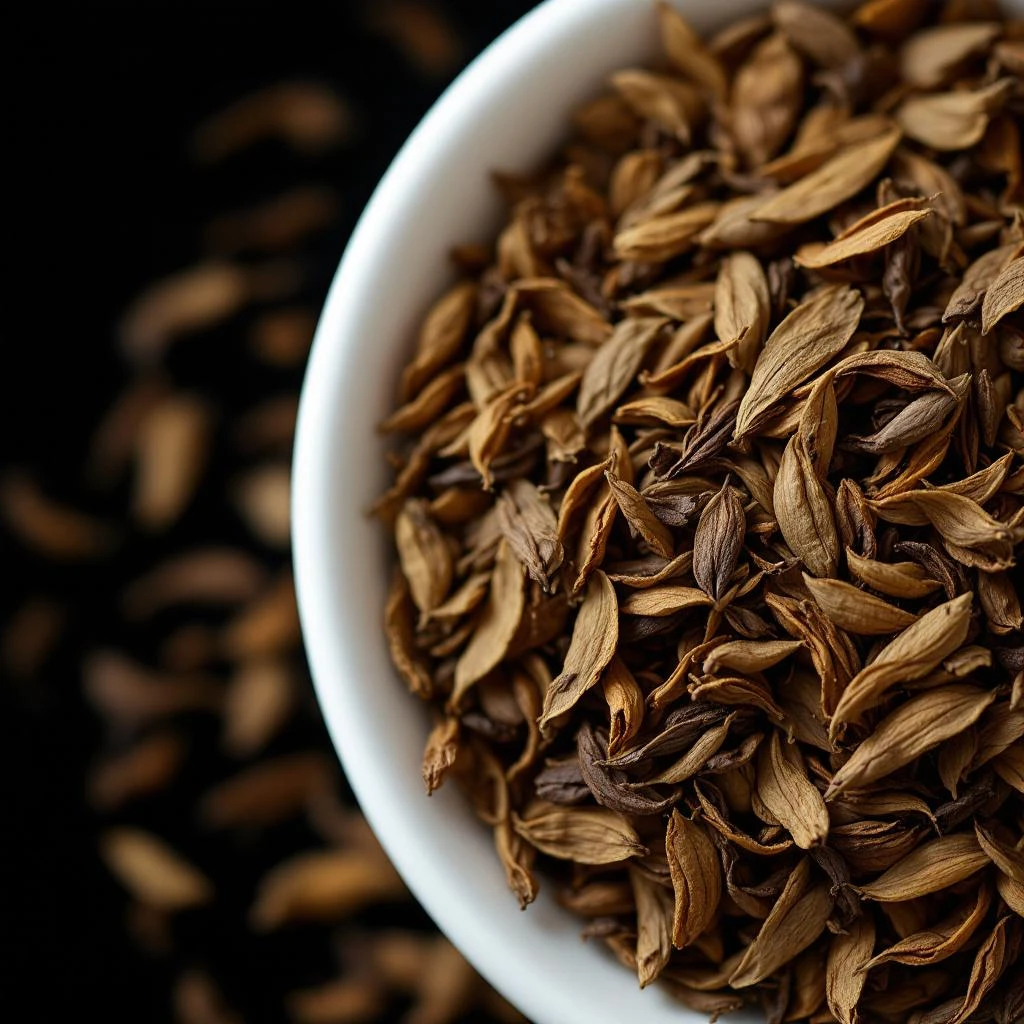
Guava Leaf
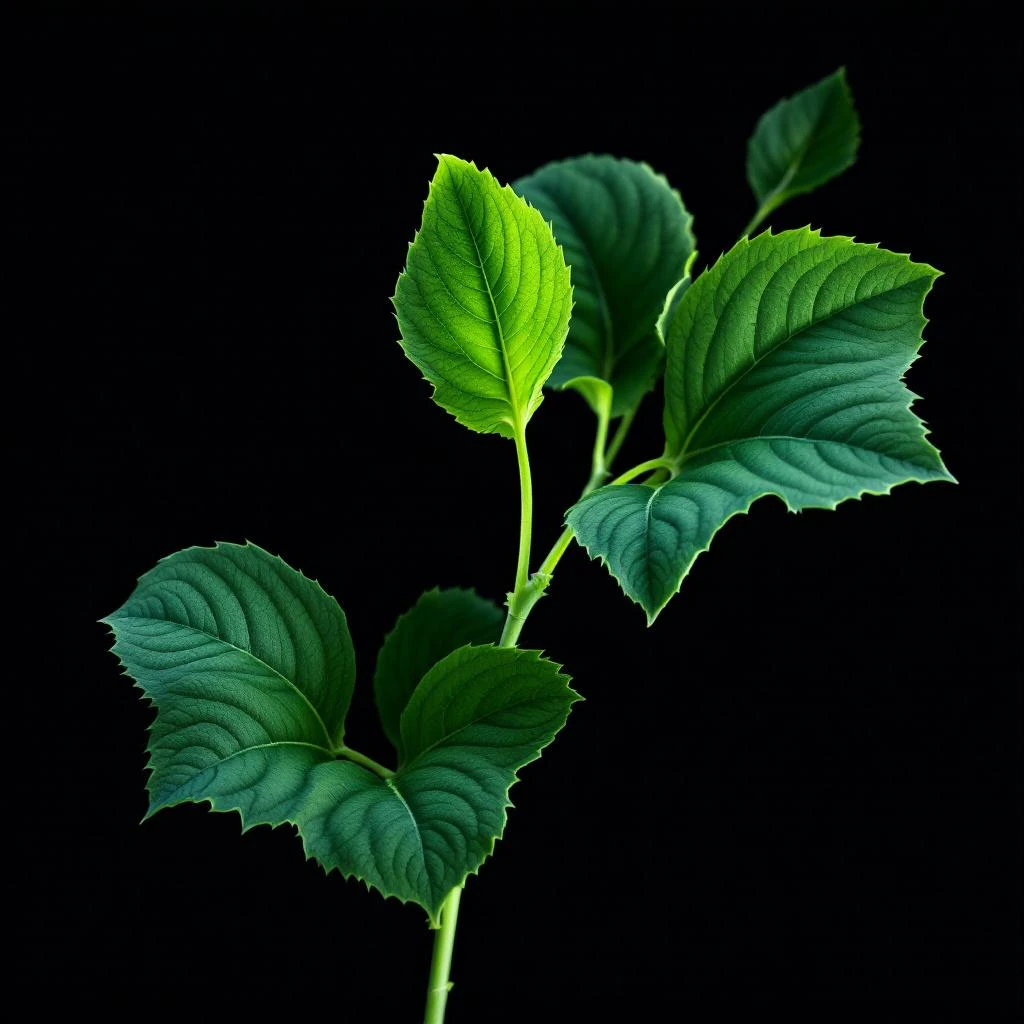
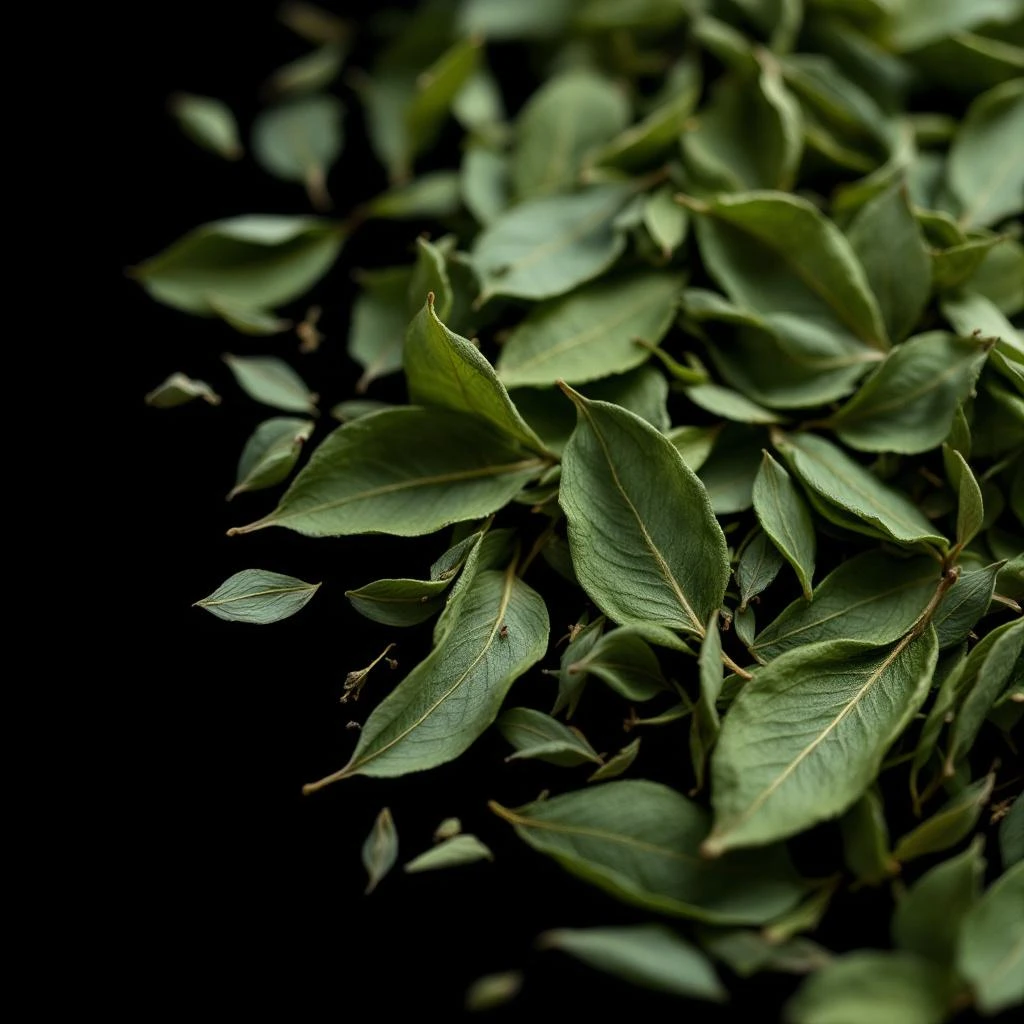
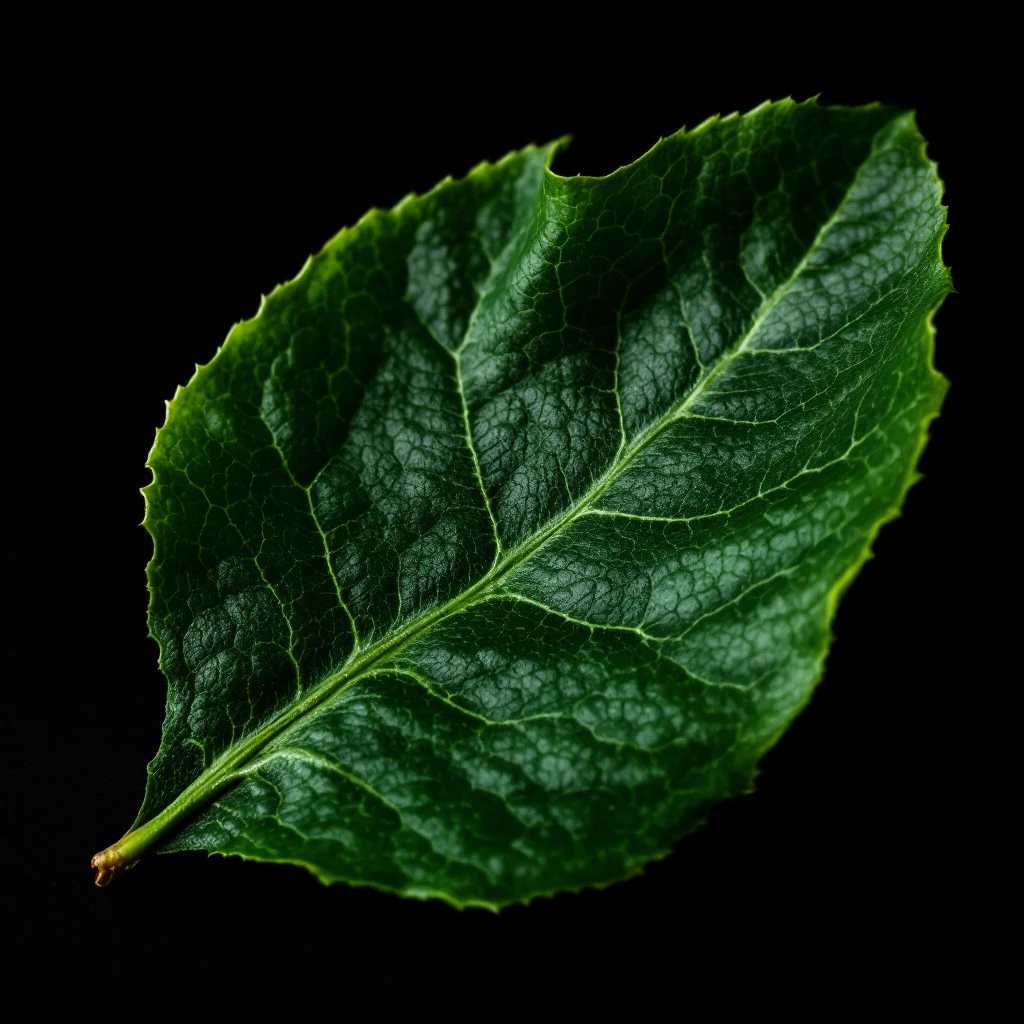
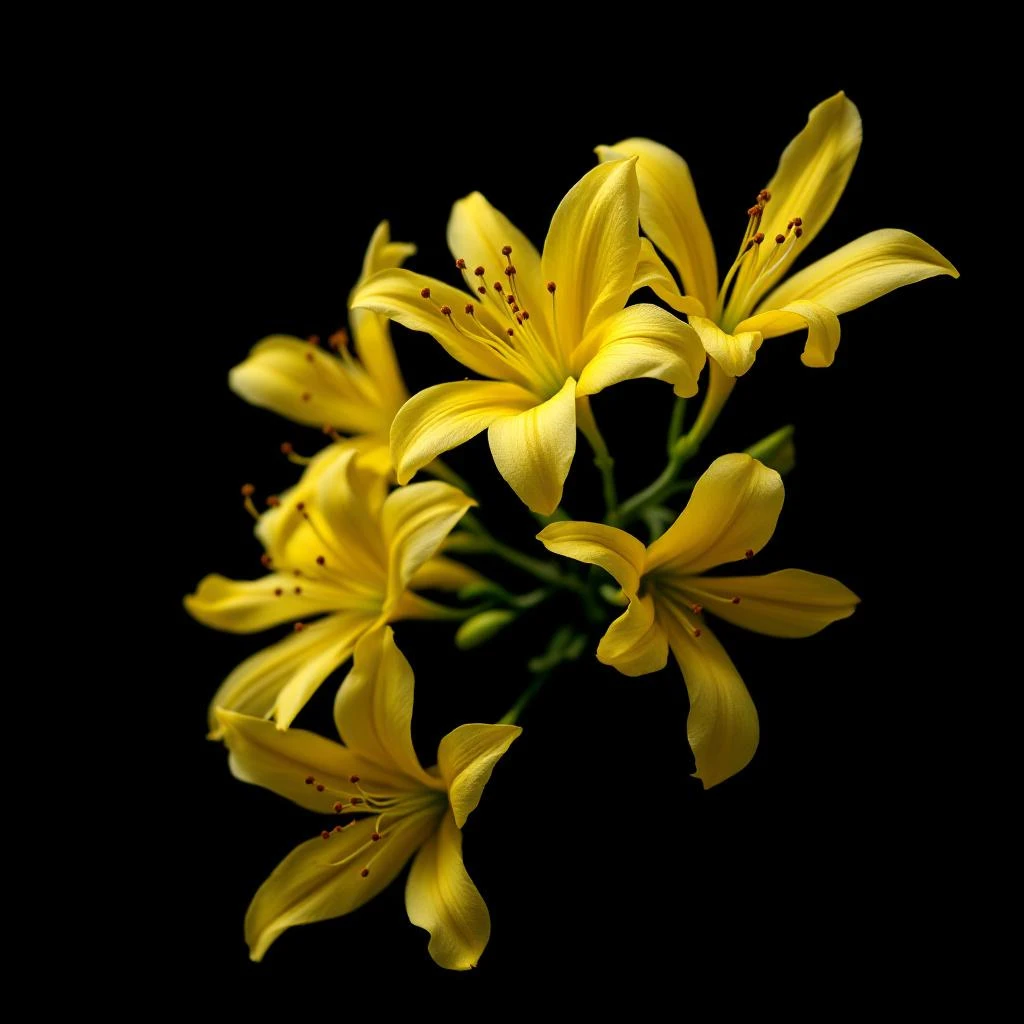
A green, herbaceous note with tropical warmth. Guava leaf brings the crispness of crushed foliage and a subtle sweet-bitter complexity that adds freshness to fragrance compositions.
Character
How it smells
Green tropical freshness from leaf to scent.
Guava leaves contain methyl benzoate, the same compound that gives feijoa fruit its distinctive tropical aroma.





Origin
Brazil
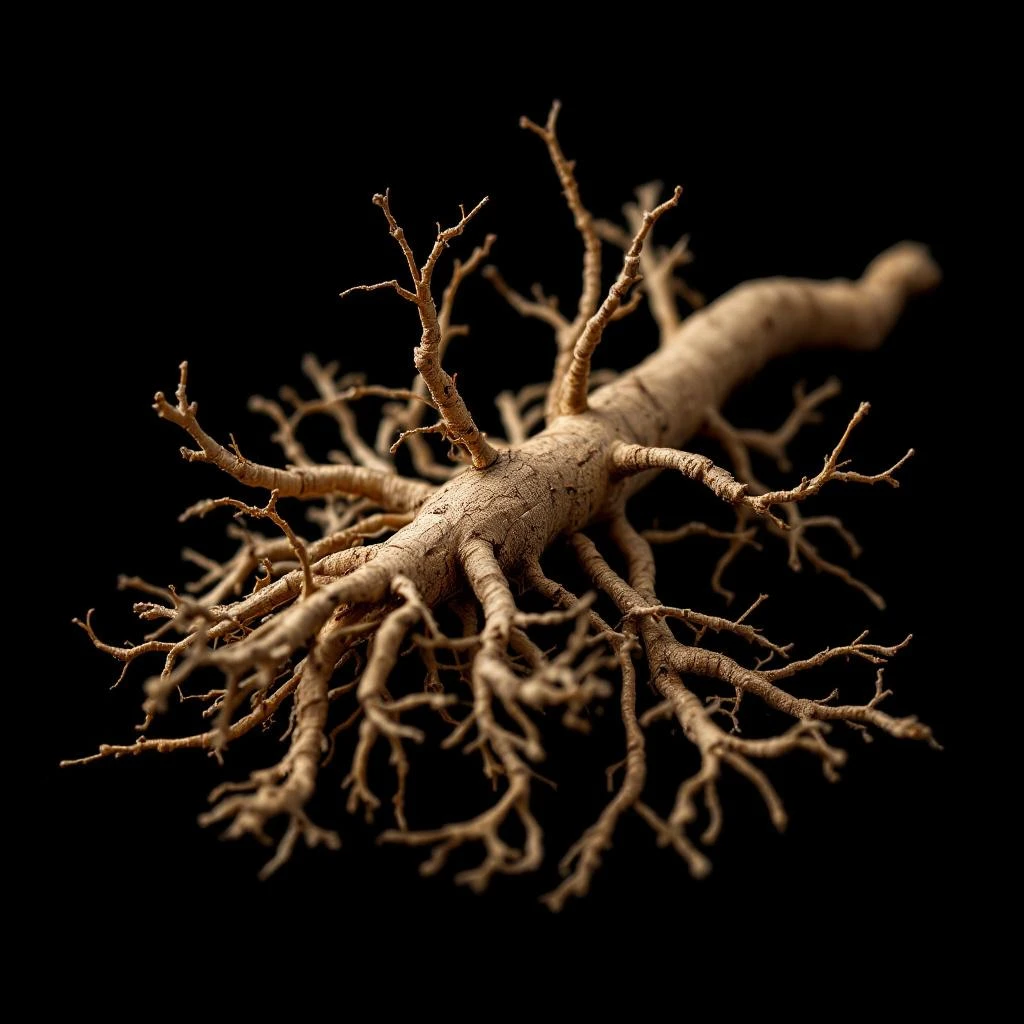
Guava originated in tropical America and spread across the Americas before Spanish colonizers carried it to the Philippines, then onward to India and Southeast Asia. Indigenous peoples across its native range used guava leaves in medicinal preparations, brewing them for digestive complaints and applying poultices to wounds. The leaf held ritual significance in some communities where shamans burned it during ceremonies to purify spaces.
Perfumery adopted guava leaf only in the late twentieth century when researchers identified methyl benzoate as the key aromatic compound shared by guava and feijoa. This discovery opened a path for perfumers to reconstruct the note synthetically, though steam-distilled leaf oil from Brazil and India now serves niche formulations seeking natural materials.
Wears it best
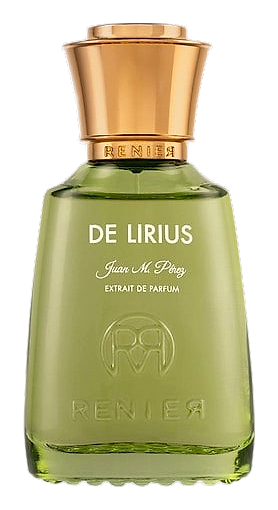
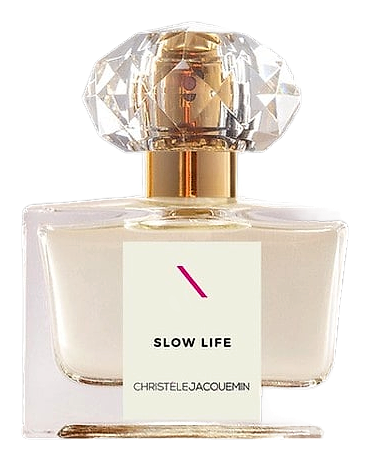
Fragrances featuring Guava Leaf
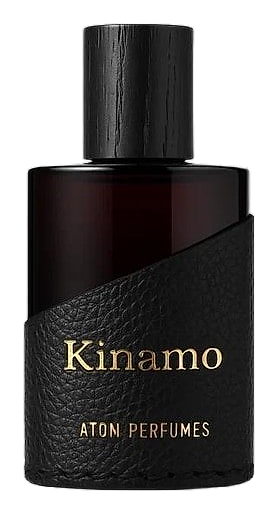
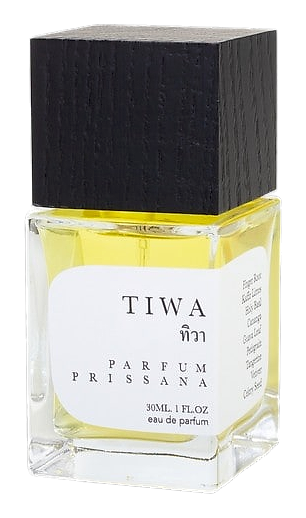
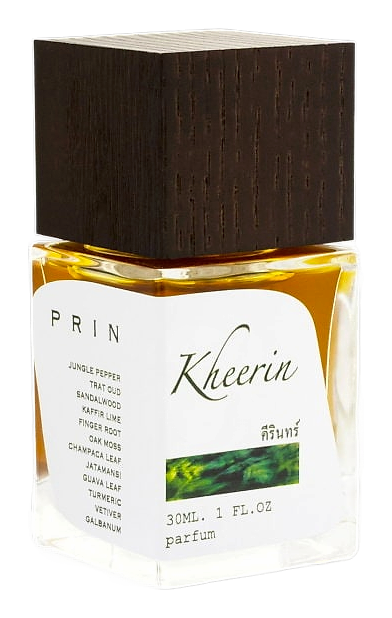
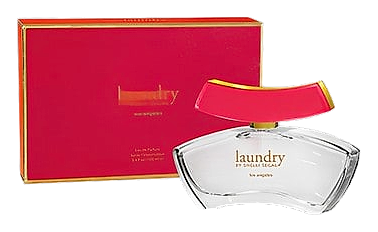
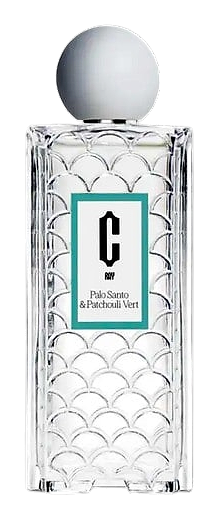
Brands
Brands known for Guava Leaf
Good to know
Questions, answered
The essentials on Guava Leaf in perfumery: how it smells, where it comes from, and how it behaves on skin.
What does guava leaf contribute to a fragrance composition?
Guava leaf adds green, herbaceous character with tropical undertones and a subtle bitter edge. It works especially well in modern fruity and fresh fragrance families where it provides natural complexity that synthetic green notes often lack.
Is guava leaf a natural or synthetic ingredient in perfumery?
The fruit itself cannot be extracted for fragrance, but the leaf yields a natural essential oil through steam distillation. Many commercial fragrances use synthetically recreated guava notes, typically derived from methyl benzoate as the primary aroma compound.
Which fragrance notes pair well with guava leaf?
Guava leaf combines naturally with tropical fruits like mango and passionfruit, white florals such as gardenia and frangipani, and other green notes including fig leaf and vetiver. It adds depth to aquatic and ozonic compositions.
When did perfumers first use guava leaf in fragrance?
Guava fruit essence was not documented in perfumery until the late twentieth century when research identified its key aromatic compounds. Leaf distillations appeared earlier in specialty products, making the leaf the original source for this tropical green note.
How should guava leaf oil be stored and what is its shelf life?
Store guava leaf essential oil in a dark glass bottle away from heat and light. Under proper conditions it maintains quality for two years or longer. Cool storage extends shelf life and preserves the more delicate top-note molecules.
How does guava leaf differ from other green fragrance notes?
Guava leaf offers a distinctly tropical green character compared to more aquatic greens like fig leaf or powdery greens like violet leaf. Its bitter-sweet complexity and fruity undertones set it apart in modern fragrance construction.
What part of the guava plant is used in perfumery?
Perfumery uses the leaves rather than the fruit. The fruit does not yield extractable aromatic compounds, but the leaves produce essential oil through steam distillation or CO2 extraction. Leaf material is harvested from cultivated trees.
Where is guava leaf oil sourced from?
Primary production regions include Brazil, India, and tropical areas across Southeast Asia. Brazil produces the most consistent quality for perfumery use. Supply quality varies considerably between producers, so sourcing from established suppliers matters.