The Story
Why it exists.
The beginning
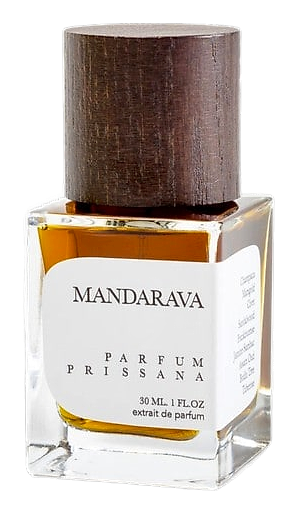
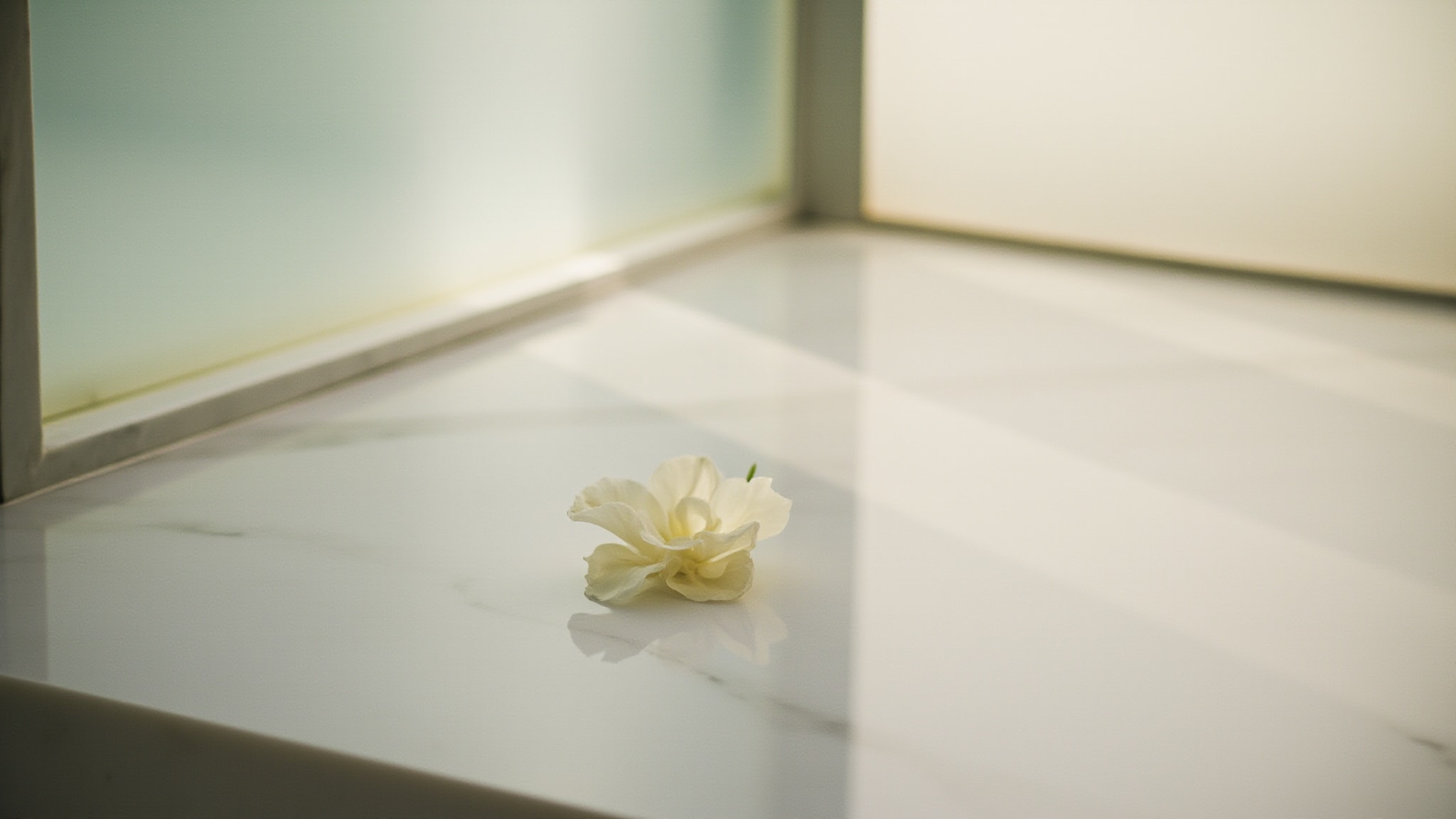
Mandarava takes its name from a flower that exists only in Buddhist cosmology, the celestial bloom of Trayastrimsa, a heavenly realm where white elephants roam and suffering has no purchase. According to legend, the Mandarava descends to earth only when the world weighs heavy enough to call it. The brand's own note describes it as the odor of that place, a heaven where someone specific is waiting. Dedicated to the founder's grandmother, who passed years before the fragrance took form. Prin Lomros built Mandarava as an olfactory translation of that promise: a scent that begins radiant and otherworldly, then settles into something grounded and personal. The duality matters, the celestial and the earthly in the same composition, the grandmother's memory made tangible through material.
What makes Mandarava unusual isn't a single dominant material, it's the density of the middle register. The white florals don't arrive tentatively. They arrive all at once: champaca, tuberose, ylang-ylang, gardenia, jasmine sambac, rose. A floral wall. Then the resins arrive underneath, myrrh, frankincense, benzoin, tolu, styrax, and the animalics begin to surface: civet, cumin, nagarmotha. The composition doesn't build from light to heavy. It opens mid-volume and stays there, adding depth rather than climbing. That's the structural surprise. Most fragrances follow a trajectory: bright top, full heart, deep base.
The evolution
The opening arrives in full, aldehydes lifting the white florals into something almost weightless. Champaca and gardenia, jasmine sambac and lotus. The aldehydes add a waxy, mineral brightness that makes the florals feel luminous rather than sweet. This phase lasts for the first hour, unhurried. Then the heart takes over completely. The white florals become dense, almost overwhelming, tuberose and ylang-ylang in abundance, with rose and fig tree leaf adding complexity. The animalic undertone begins to surface: a whisper of cumin, something warm and slightly feral beneath the sweetness. By the third hour, the florals begin to recede and the base arrives. Resins and woods dominate now, myrrh and frankincense, sandalwood and oud, ebony and vetiver. The nagarmotha adds an earthy, slightly tar-like depth. Oakmoss and amber ground everything. The civet and cumin become more pronounced as the florals fade, revealing the composition's true nature: warm, resinous, animalic.
Cultural impact
Mandarava has found its audience among collectors who seek density over discretion. The aldehydic opening is unusual, it gives the white florals a luminous quality that feels almost cosmic, but the real character emerges in the drydown, where animalic and resinous notes dominate. It's not a safe fragrance. The richness, the animalics, the sheer volume of material, these polarise. But for those who connect with the concept, the Buddhist promise, the personal dedication, Mandarava becomes something more than a perfume. A wearable memory.