The Story
Why it exists.
The beginning
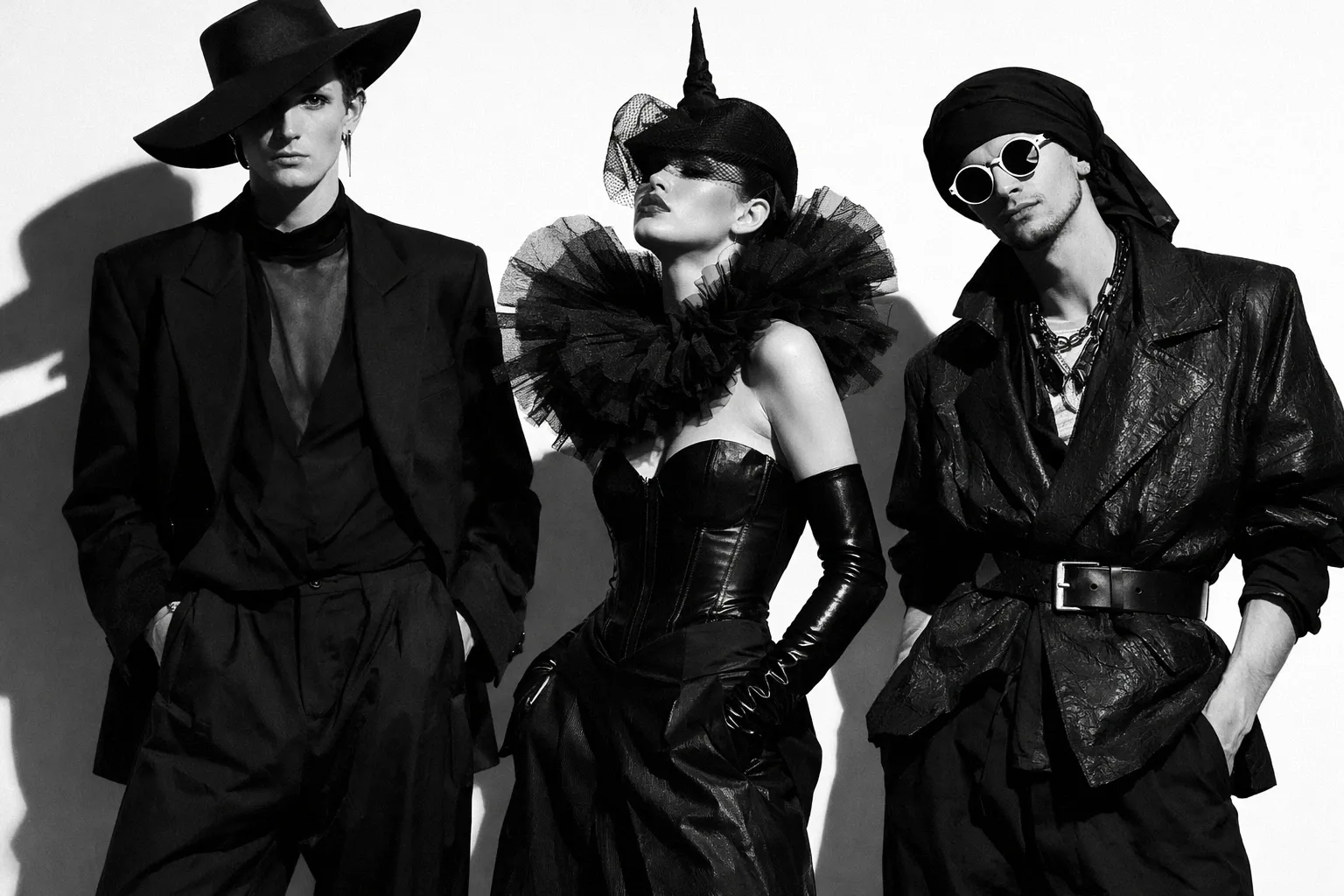
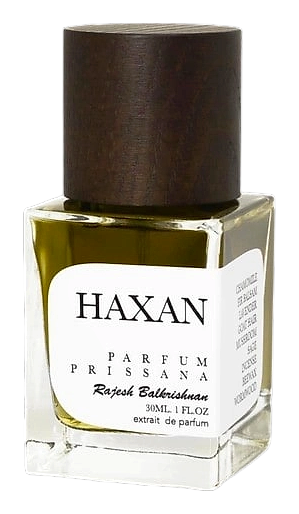
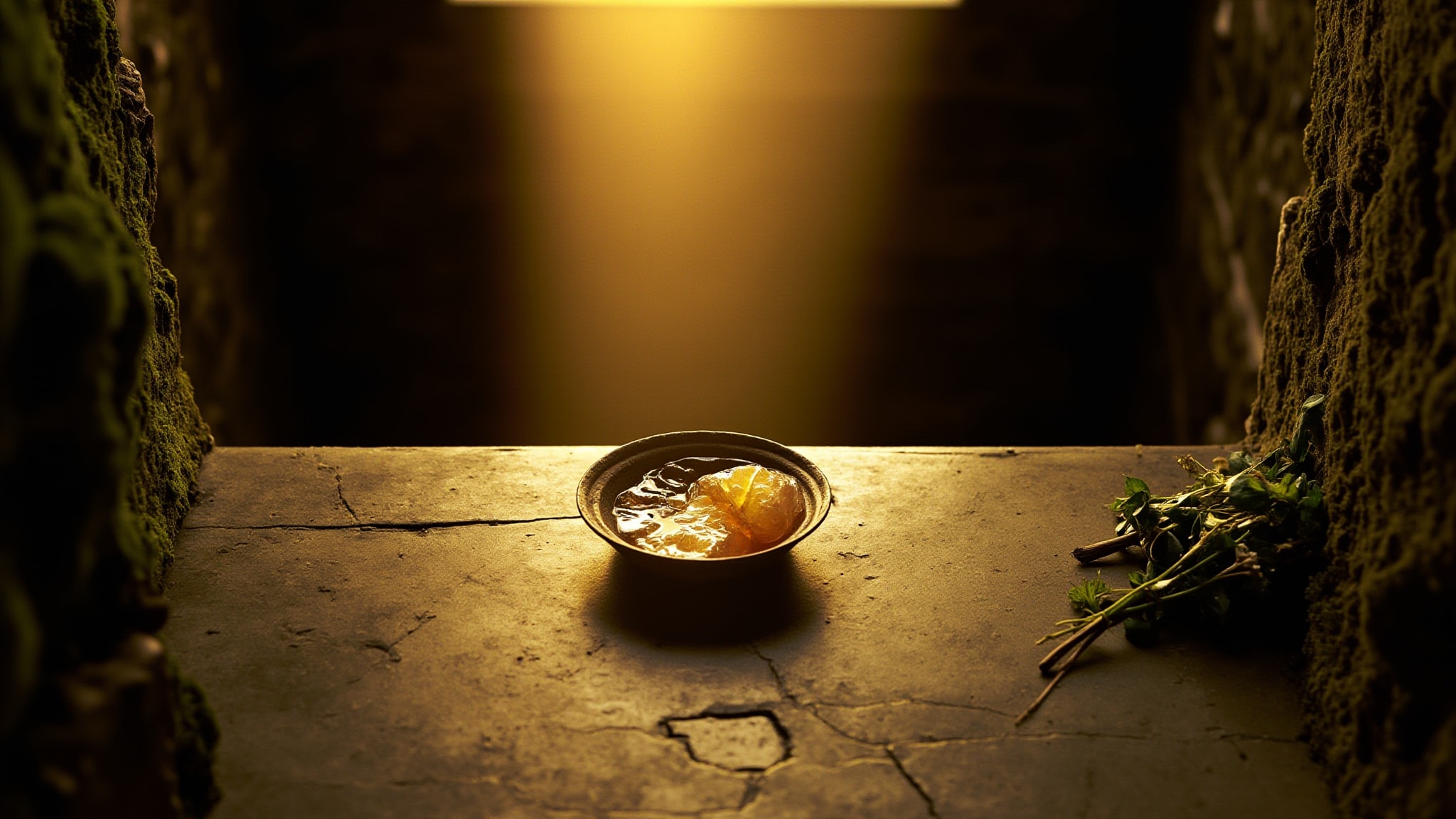
Haxan takes its name from Benjamin Christensen's 1922 silent film Häxan, a seven-part exploration of witchcraft across history that moves from medieval manuscript illustrations to dramatized accounts of possession and superstition. Rather than translate the film's imagery directly, Prin Lomros captured its atmosphere: the sensory world of dark ceremonies conducted in damp stone spaces, surrounded by burning herbs and ancient resins. Created as a bespoke commission for Rajesh Balkrishnan, the fragrance arrived in 2018 as part of Prissana's inaugural launch alongside five other concept-driven scents. Where those references pull from ancient Egypt or Central Asian folklore, Haxan reaches into something older and less definable, the pre-rational world of spells, elixirs, and the smell of places where ritual happened.
The structural decision to anchor Haxan around three distinct lavender oil blends is unusual. Lavender typically functions as a bridging material in perfumery, smoothing transitions between heart and base. Here it becomes the fragrance's spine, surrounded by a ring of woody resinous materials, birch, cedar, fir, guaiac, cypriol, sandalwood, wormwood, styrax, and pine needle, that each bring their own density to the composition. The result is a fougère that doesn't so much open and close as unfold in layers, with the herbal and spicy materials arriving in sequences rather than all at once.
The evolution
The opening hits with the force of green things being torn, galbanum and basil cutting through the resinous weight of fir and beeswax, almost medicinal in their intensity. Within twenty minutes, the herbal wave arrives: marjoram, oregano, thyme, sage all present but not announcing themselves, settling into the lavender foundation like ingredients in a slow simmer. The frankincense doesn't appear immediately, it builds quietly beneath the herbs, adding a sacred dimension that feels deliberate rather than ornamental. By the third hour, the composition shifts into its woody phase. Cedar, vetiver, and sandalwood anchor the structure while patchouli and labdanum add earthiness. The animalic materials, costus, castoreum, goatskin, emerge last, adding warmth that reads as leather, as skin, as old wood and stillness. The drydown holds for hours after that, intimate and close, settling into the skin like something that was always there.
Cultural impact
Since its 2018 launch, Haxan has served as a litmus test for niche fragrance culture, dividing wearers into those who dismiss its challenging opening and those who recognize its deliberate artistic provocation. The house Prissana built its reputation on compositions that refuse to compromise, and Haxan remains the most uncompromising statement in their catalog. The fragrance occupies a specific cultural position as a benchmark for "difficult" designer-quality work, referenced in forums and reviews when discussing animalic complexity and challenging drydowns. By centering costus, castoreum, and goatskin in the base structure, Haxan rejects the sanitized trajectory of modern perfumery in favor of raw materiality that demands active engagement from the wearer.