    Brand Profile

    Parfums Prissana emerged in 2018 as a niche house that blends Mediterranean lineage with contemporary storytelling. The brand offers a compa…More

    Italy·Est. 2018·Site

    2

    Fragrances

    4.5

    Rating

    Just Landed

    New Arrivals

    The latest additions to the Prissana collection.

    32
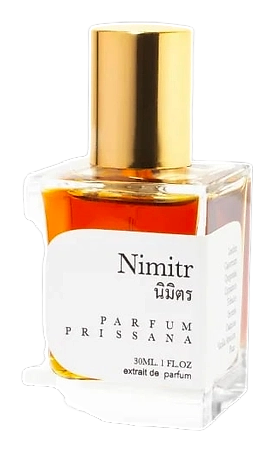
    Nimitr by Prissana
    Best Seller
    4.7

    Nimitr

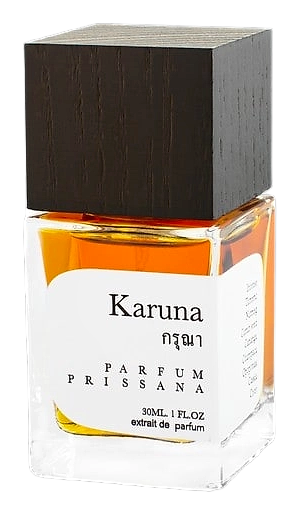
    Karuna (กรุณา) by Prissana
    4.3

    Karuna (กรุณา)

    Akhetaten by Prissana
    Best Seller
    4.5

    Akhetaten

    Hayra by Prissana
    Best Seller
    4.3

    Hayra

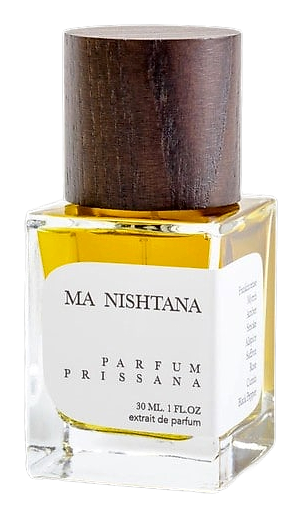
    Ma Nishtana by Prissana
    4.3

    Ma Nishtana

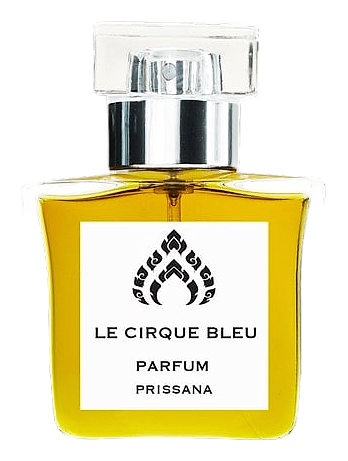
    Le Cirque Bleu by Prissana
    4.3

    Le Cirque Bleu

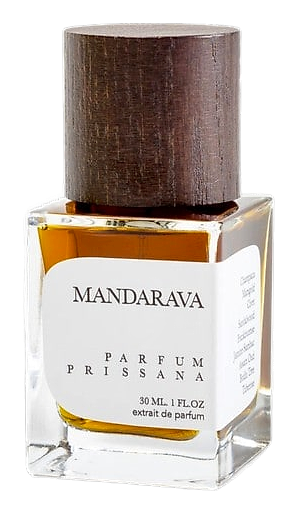
    Mandarava by Prissana
    4.3

    Mandarava

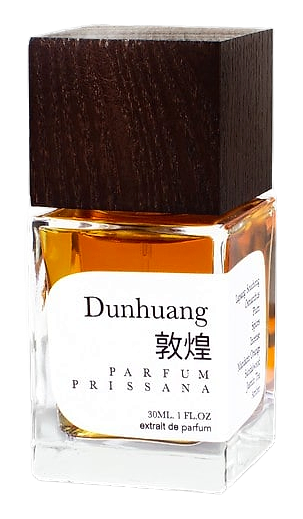
    Dunhuang (敦煌) by Prissana
    4.3

    Dunhuang (敦煌)

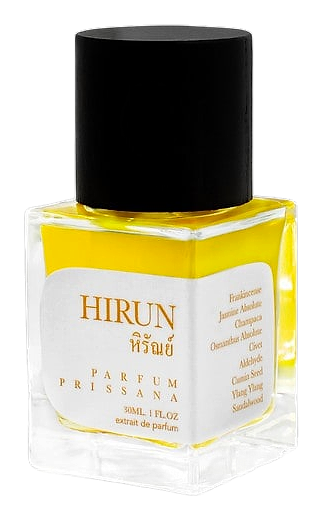
    Hirun (หิรัณย์) by Prissana
    4.2

    Hirun (หิรัณย์)

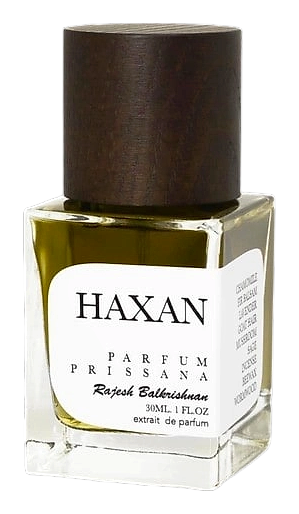
    Haxan by Prissana
    4.2

    Haxan

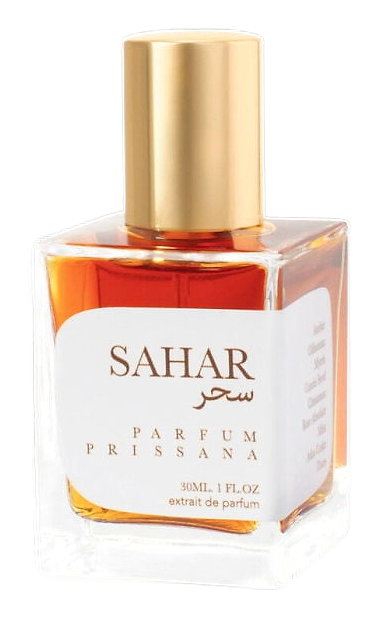
    Sahar سحر by Prissana
    4.2

    Sahar سحر

    Tirtha (तीर्थ) by Prissana
    4.2

    Tirtha (तीर्थ)

    1 of 3

    The Heritage

    The Story of Prissana

    Parfums Prissana emerged in 2018 as a niche house that blends Mediterranean lineage with contemporary storytelling. The brand offers a compact catalogue of single‑note or concept‑driven scents, each anchored by a clear narrative. From the desert‑inspired Akhetaten (2023) to the forest‑rich Hirun (2024), Prissana invites collectors to explore places and memories through scent. The line balances bold compositions with restrained packaging, positioning the house as a quiet but confident voice in modern perfumery.

    Heritage

    Parfums Prissana traces its roots to a family of early twentieth‑century perfumers in Genoa, Italy. The founder, whose surname appears in the historic house Strega del Castello, grew up surrounded by raw materials and artisanal techniques. In 2018 the founder launched Prissana, naming the house after an elder sister. The inaugural year saw the release of several fragrances, including Haxan, Ma Nishtana, Mandarava, Nimitr, Le Cirque Bleu, and Dunhuang, all of which arrived under a single launch umbrella. Each debut highlighted a different cultural reference, from ancient Egyptian myth (Akhetaten) to Central Asian folklore (Sahar سحر). The brand maintained a steady output, adding Hayra in 2020 and expanding its Asian-inspired line with Dunhuang in 2022. In 2023 the house introduced Akhetaten and Sahar سحر, reinforcing its interest in historic narratives. The most recent addition, Hirun, arrived in 2024 and continues the tradition of pairing a geographic or mythic theme with a focused olfactory palette. Throughout its growth, Prissana has kept production limited, favoring small‑batch releases that allow close oversight of ingredient quality and formulation integrity. The house remains privately owned, with no public equity or corporate parent, and operates from a workshop in Genoa where the founder still oversees blending and packaging decisions.

    Craftsmanship

    Parfums Prissana blends ingredients in a Genoese studio that combines traditional equipment with modern safety standards. The founder works directly with perfumer Prin Lomros, who formulates each scent on a small scale before approving a master batch. Natural absolutes, such as frankincense, sandalwood, and cedar, arrive from certified suppliers in the Middle East and South Asia. Synthetic aromachemicals supplement the natural base, providing stability and extending the fragrance’s life on skin. The house tests each batch for consistency, using gas chromatography to verify that key aroma molecules meet target concentrations. Bottles are filled by hand, allowing the team to monitor fill levels and prevent oxidation. The glass vessels come from a French manufacturer that offers amber‑tinted, pressure‑tested containers, protecting the perfume from light and temperature fluctuations. Caps are machined from brushed aluminum, providing a tactile contrast to the smooth glass. Prissana labels each bottle with a minimalist black typeface, printed on recycled paper that adheres to the container without adhesives that could leach chemicals. Quality control includes a blind panel of fragrance professionals who evaluate each release for balance, projection, and longevity before the product reaches retailers. The brand ships its fragrances in insulated boxes, ensuring that the scents remain stable during transit.

    Design Language

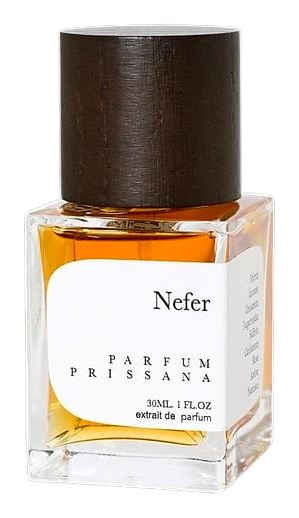
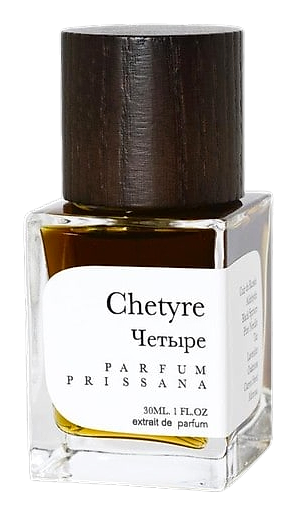
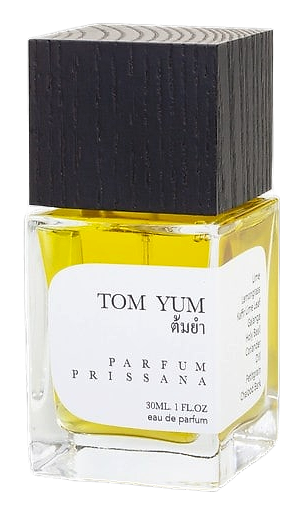
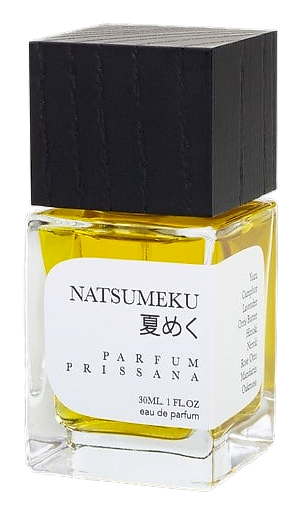
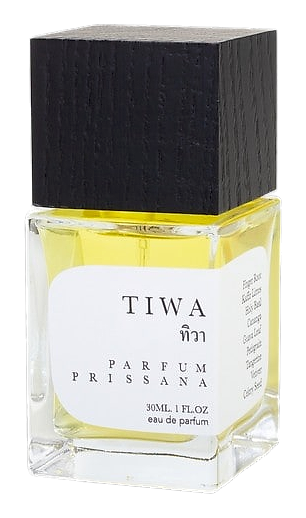
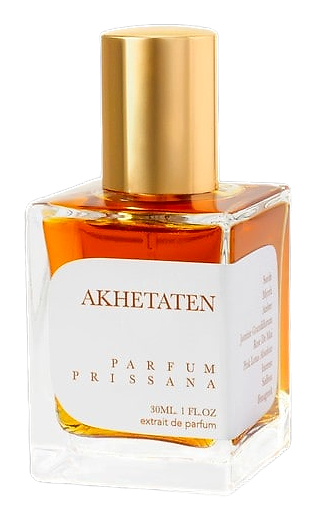
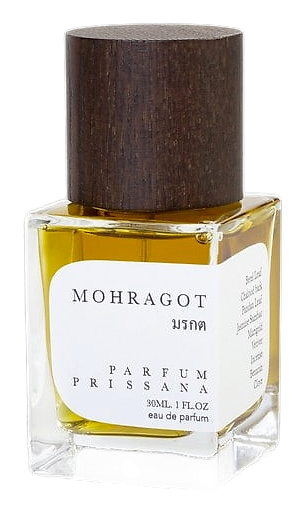
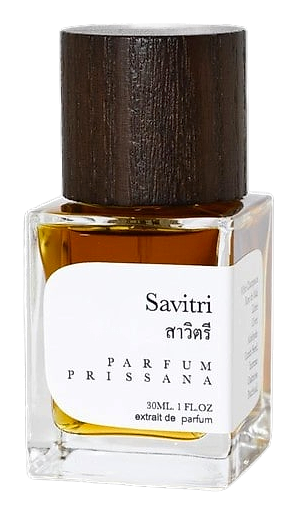
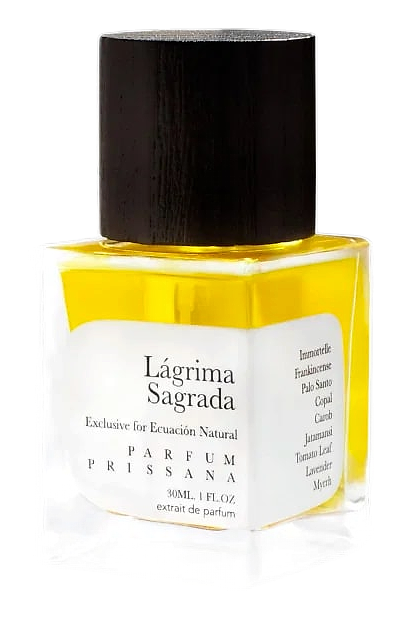
    Parfums Prissana presents its fragrances with a restrained visual language. Bottles feature a slim, cylindrical silhouette that echoes classic apothecary vessels. The glass is clear or amber, depending on the scent’s exposure needs, and the surface is left unembellished, allowing the perfume’s color to become the focal point. Caps consist of brushed aluminum discs that sit flush with the bottle, creating a seamless profile. Labels display the brand name in a simple sans‑serif font, with the fragrance title printed in a slightly larger weight. The label background is matte white or off‑white, providing contrast without visual clutter. Packaging boxes adopt a similar minimalism: sturdy cardboard with a single printed line of text on the front, often the fragrance name in the same typeface used on the bottle. Inside, a thin tissue paper wraps the bottle, and a small card offers a brief description of the scent’s inspiration. The overall aesthetic conveys quiet confidence, focusing attention on the olfactory experience rather than decorative excess. This approach aligns with the brand’s editorial voice, which reads like a knowledgeable friend sharing a personal discovery rather than a corporate press release.

    Philosophy

    Parfums Prissana approaches scent as a form of storytelling. The brand selects a single cultural or historical reference and builds a fragrance that captures the essence of that moment. It avoids generic marketing language, instead letting the name and brief description guide the wearer’s imagination. Prissana values authenticity, sourcing ingredients that reflect the chosen narrative, whether that means desert‑derived resins for Akhetaten or pine‑rich extracts for Hirun. The house believes that a perfume should be both a memory trigger and a sensory experience, so it designs each composition to be instantly recognizable yet open to personal interpretation. Transparency guides its communication; the brand lists key notes and the perfumer, Prin Lomros, on product pages, allowing collectors to trace the creative lineage. Sustainability informs ingredient choices, with the house favoring responsibly harvested natural materials when possible. Finally, Prissana embraces modesty, presenting its scents without hyperbole, trusting that quality and concept will speak for themselves.

    Key Milestones

    2018

    Parfums Prissana launches with six debut fragrances, including Haxan and Ma Nishtana.

    2020

    Hayra releases, expanding the line into floral‑oriental territory.

    2022

    Dunhuang (敦煌) debuts, drawing on Silk Road imagery and desert resins.

    2023

    Akhetaten and Sahar سحر launch, exploring ancient Egyptian and Arabian motifs.

    2024

    Hirun (หิรัณย์) arrives, completing a series of Asian‑inspired scents.

    At a Glance

    Brand profile snapshot

    Origin

    Italy

    Founded

    2018

    Heritage

    8

    Years active

    Collection

    2

    Fragrances released

    Avg Rating

    4.5

    Community sentiment

    Release Rhythm

    2026
    3
    2024
    4
    2023
    2
    2022
    4
    2020
    5
    2019
    7
    2018
    7
    prissana.com

    Did You Know?

    Interesting Facts

    Distinctive details and defining moments that shape the house personality.

    01

    The brand name Prissana honors the founder’s elder sister, a personal tribute rarely seen in niche houses.

    02

    Prin Lomros, the perfumer behind Haxan and many later releases, began his career as a chemist before moving into fragrance creation.

    03

    Prissana’s bottle caps are machined from a single piece of aluminum, eliminating the need for separate screws or adhesives.

    04

    The fragrance Dunhuang incorporates a rare resin sourced from a small community in Xinjiang, China, where harvesters follow a centuries‑old extraction ritual.

    The Artisans

    The Perfumers