
The Story
Why it exists.
The beginning
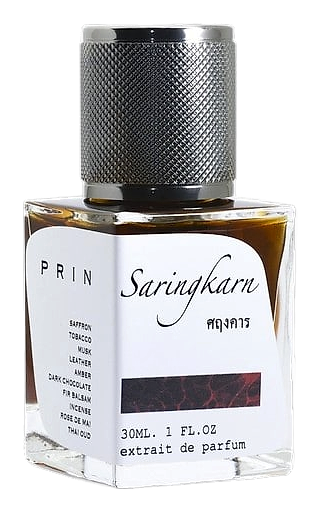
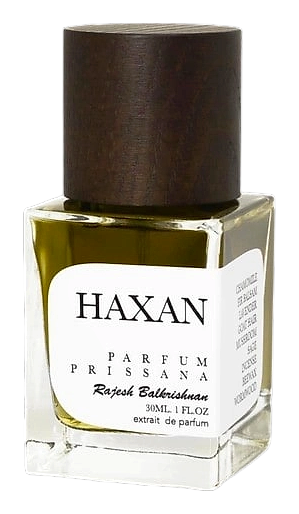
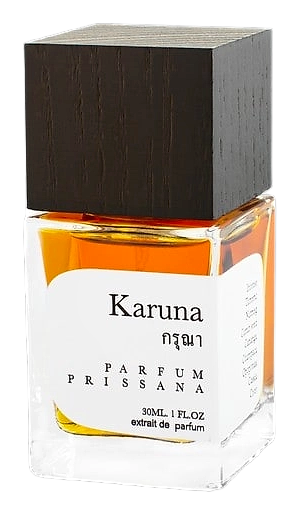
Prin Lomros grew up in southern Thailand, where Songkran celebrations at his elder brother's pharmacy-adjacent temple shaped his olfactory memory. The air during those festivals was thick with incense smoke, herbal remedies, and the warm hospitality of the community. Karuna, meaning 'kindness' in Thai, pays tribute to that sensory landscape. Champa flowers adorned altars and hair, their creamy petals releasing sweetness into the humid air. The aldehydic lift in this composition echoes the pharmaceutical cleanliness of that space, while civet recalls the animalic warmth of bodies gathered in celebration. Turmeric and bay leaf reference the herbal remedies sold alongside incense. This is not a fragrance inspired by Thailand in the generic tropical sense; it is a specific memory made abstract enough to wear.
The note selection reflects Prissana's philosophy of abundance over restraint. Rather than isolating a single Thai reference, Lomros assembled a complete aromatic landscape. The heavy floral presence (tuberose, jasmine, rose, orange blossom, cananga) combines with warm spices (cinnamon, nutmeg, clove, cardamom) and green herbs (basil, celery seeds, angelica) to create a living record of Thai sensory culture. Civet and camphor ground the sweetness in something animalic and medicinal, preventing the composition from reading as purely romantic. Each note has a reason for inclusion, and each interacts with neighbors to create combinations that shift across wear time.
The evolution
The fragrance begins the moment the skin meets the composition, with no distinction between opening and heart. Champa flower and aldehydes materialize together, their combined effect evoking both sacred and scientific spaces. Within minutes, civet adds animalic warmth, followed quickly by bay leaf and camphor, which recall the medicinal quality of the pharmacy-adjacent temple. Tangerine and honey arrive as fleeting sweetness before the florals fully bloom. Ylang-ylang and tuberose take over the creamy center, while cumin and clove introduce their characteristic spice. Frankincense smoke weaves throughout, never dominating but always present. Myrrh and benzoin add depth that will outlast everything else. As hours pass, the florals recede first, then the spices, leaving only the resinous amber and wood foundation to slowly fade into skin.
Cultural impact
Karuna draws on Thailand’s rich aromatic traditions, where citrus and spice have long been used in ceremonial and daily life. The blend’s tangerine and orange blossom echo the bright markets of Bangkok, while camphor and basil reference ancient herbal remedies. By pairing these notes with turmeric and blackcurrant, the fragrance bridges modern perfumery with the country’s culinary heritage, offering wearers a sensory reminder of Thai hospitality and the vibrant energy of its festivals. This cultural dialogue makes the perfume more than a scent; it becomes a subtle celebration of Thailand’s evolving identity, resonating with both locals and global enthusiasts who appreciate authentic regional influences.