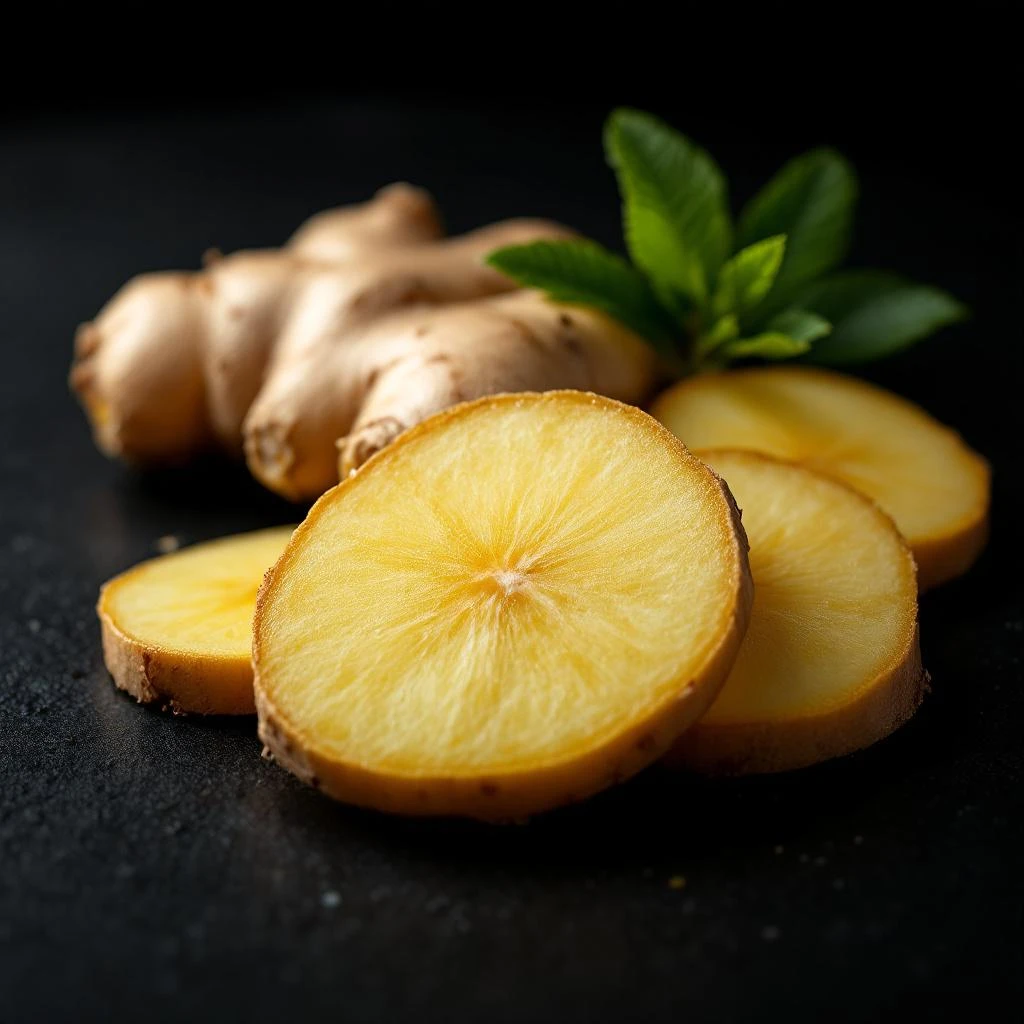
Turmeric
Turmeric delivers an unexpected warmth to fragrance, offering earthy, spicy, and subtly bitter notes that anchor brighter accords. Its golden essence adds sophisticated depth, creating a grounding effect in oriental and fresh compositions alike.
Character
How it smells
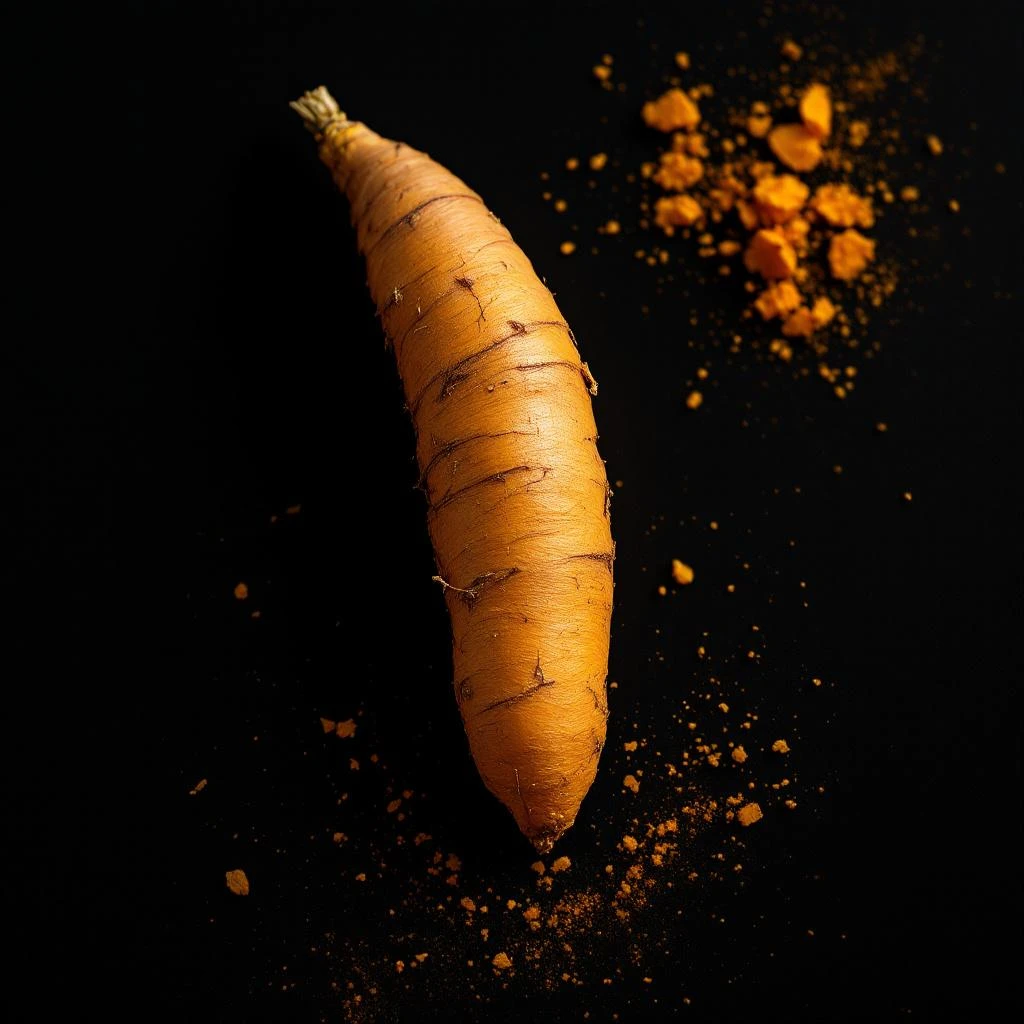
Golden warmth with an earthy, peppery soul.
Only about 3-5% of turmeric root weight is curcumin, the compound responsible for both its vivid color and anti-inflammatory properties.








Origin
India
Turmeric has been cultivated in India for over 4,000 years, where it holds profound cultural and spiritual significance. Ancient Ayurvedic texts document its use for therapeutic purposes, while Hindu traditions associate it with purity and prosperity. The spice appears in religious ceremonies, wedding rituals, and daily life across South and Southeast Asia.
Its golden hue made it valuable in ancient cosmetics and body paints. In perfumery, turmeric oil gained attention in the late 20th century as natural ingredients returned to favor. Western perfumers discovered its warm, earthy qualities as an alternative to synthetic base notes.
Traditional medicine systems in China and Persia also incorporated turmeric for its purported healing properties long before it entered Western fragrance circles. Today, it remains a relatively rare ingredient, prized by niche houses seeking distinctive natural materials with historical depth.
Wears it best
Fragrances featuring Turmeric
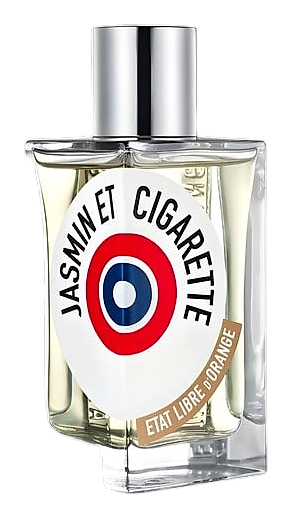
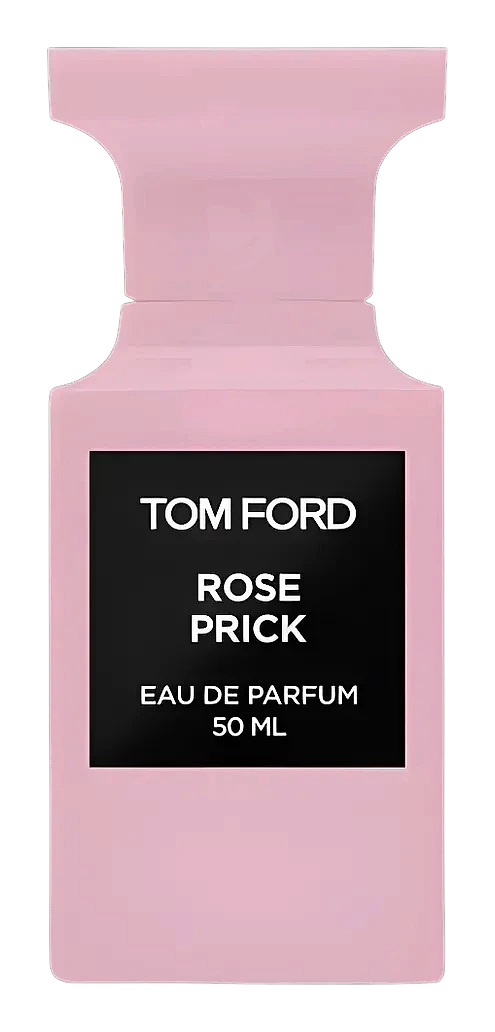
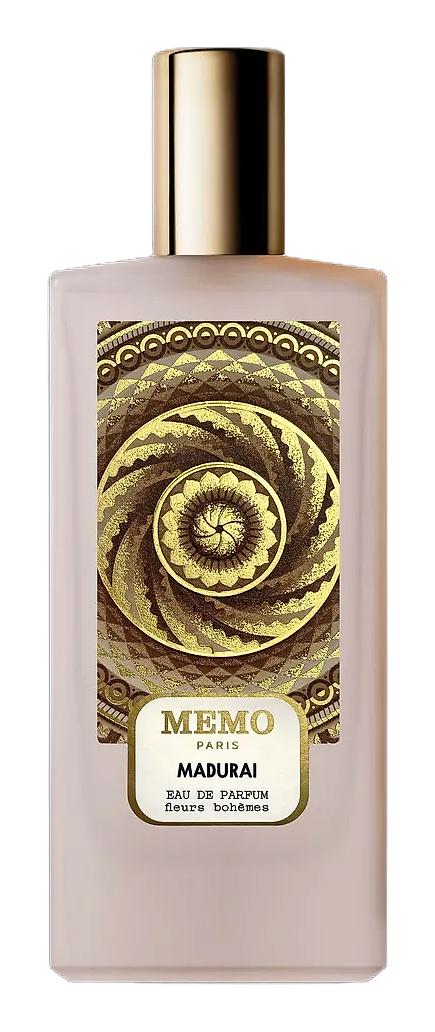
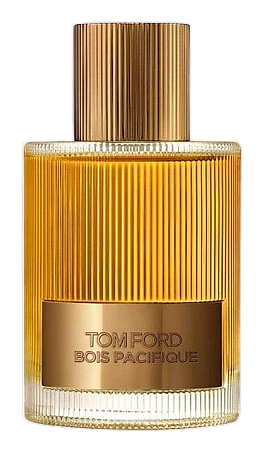
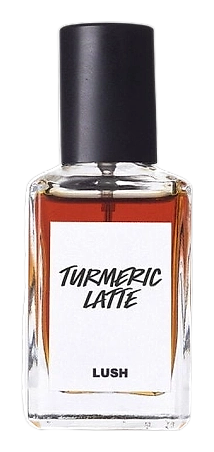

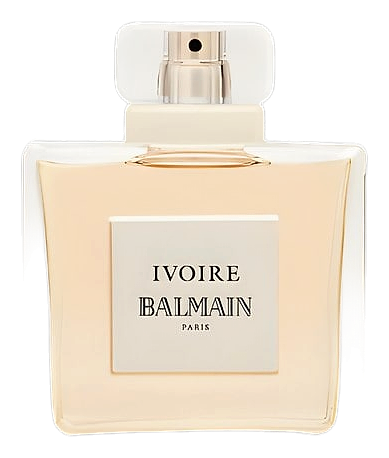
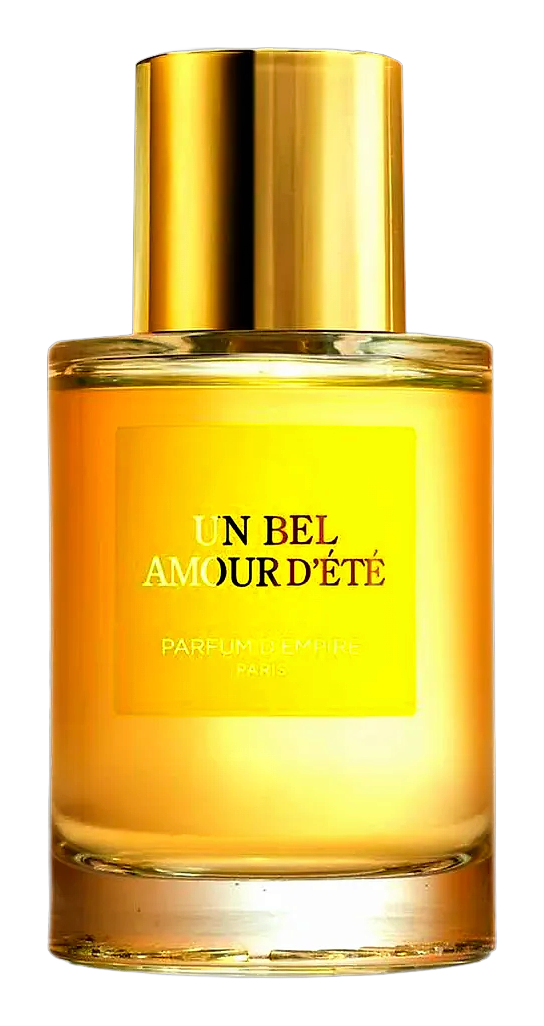
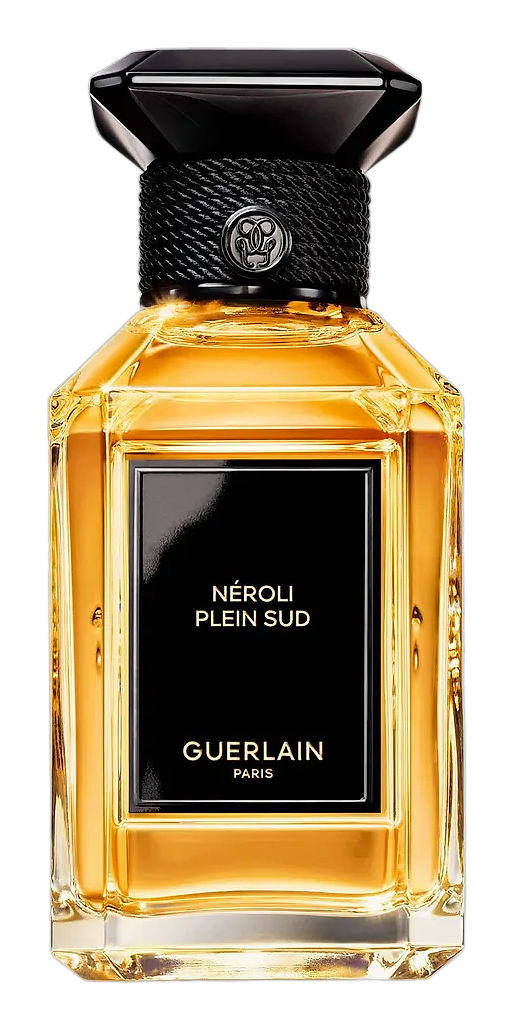
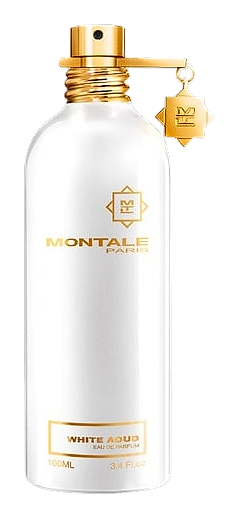
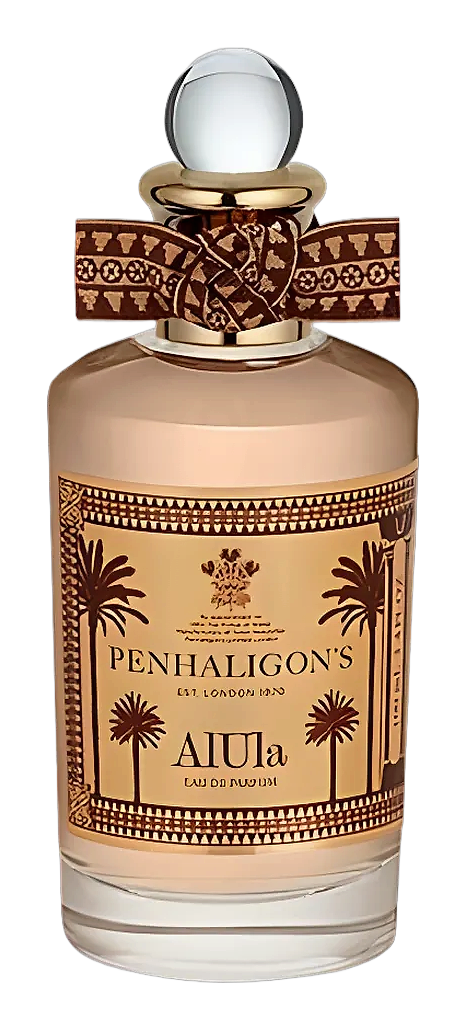
Brands
Brands known for Turmeric
Good to know
Questions, answered
The essentials on Turmeric in perfumery: how it smells, where it comes from, and how it behaves on skin.
What does turmeric smell like in perfume?
Turmeric offers warm, earthy, and spicy qualities with subtly bitter undertones. It creates a grounding effect, bringing depth to brighter top notes in oriental and fresh fragrance compositions.
Where does the best turmeric for perfumery come from?
India produces the highest quality turmeric for fragrance, particularly Tamil Nadu, Kerala, and Maharashtra. These regions offer the subtropical climate and soil conditions that optimize aromatic compound development in the rhizomes.
How is turmeric oil extracted?
Steam distillation of dried turmeric rhizomes produces the essential oil. The process requires substantial quantities of dried root material, yielding a pale yellow to amber oil with characteristic warm, spicy aroma compounds.
What part of the turmeric plant is used in perfumery?
Only the rhizome (underground root stem) is used. The leaves and flowers lack the aromatic compounds that make the root valuable for fragrance production.
Is turmeric commonly used in mainstream perfumes?
Turmeric appears more frequently in niche and artisanal fragrances than mass-market products. Its warm, earthy profile suits oriental and natural-focused compositions where complexity is valued over trend-driven design.
Can synthetic alternatives replace natural turmeric in perfume?
Synthetic turmeric notes exist but lack the full complexity of natural oil. Natural turmeric absolute contains multiple aromatic compounds that synthetics struggle to fully replicate, particularly the earthy depth and subtle bitter undertones.
What compounds give turmeric its characteristic scent?
Ar-turmerone is the primary aroma compound, contributing earthy, warm qualities. Other volatile compounds add spicy and slightly bitter dimensions that create turmeric's distinctive profile in fragrance.
How does turmeric function in a fragrance formula?
Turmeric typically serves as a base note, providing warmth and grounding effects that help extend the longevity of lighter top and heart notes. It blends well with other warm spices, woods, and resinous materials.