
The Story
Why it exists.
The beginning
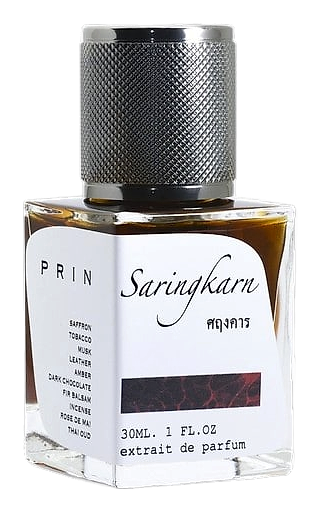
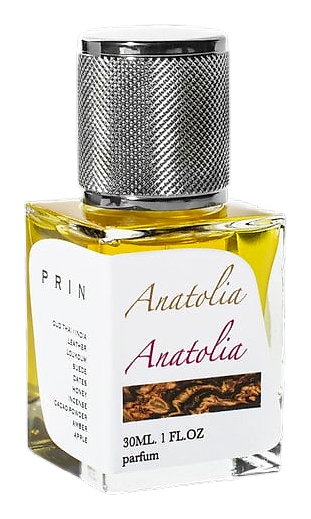
Anatolia Anatolia is what happens when Prin Lomros looks at his original Anatolia and decides the formula wasn't loud enough. Released in 2021, this variant doubles the concentration to a reported 49%, pushing Thai and Indian oud to the front of the room. The name references the historic land bridge between East and West, a geography of trade routes, spice, and resin, but the fragrance reads more like its mythology: ancient materials given modern intensity. Lomros isn't diluting his vision here. He's amplifying it.
What separates this from a simple concentration bump is the sourcing. Two oud sources, Thai and Indian, enter the formula at roughly 2% combined, a figure that sounds modest until you understand how potent natural oud oil behaves at this strength. The loukhoum and date accord doesn't soften the oud so much as frame it, adding sweetness that makes the leather and suede feel warm rather than harsh. Cumin and cinnamon thread through as spice, keeping the composition from settling into something merely sweet. This is orientalism with structure.
The evolution
The opening arrives assertive, loukhoum powder meets apple and chocolate, but the oud is already there underneath, pushing through. Within the first hour, the sweetness recedes and leather takes over, backed by suede and a persistent honey note that refuses to disappear entirely. By hour three, incense and frankincense have emerged, giving the composition a smoky, almost resinous quality. The drydown settles into patchouli and leather, with the oud lingering quietly in the background. Longevity rates above average, holding its presence for hours on most skin. What started as an announcement becomes a conversation.
Cultural impact
Anatolia Anatolia arrived in 2021 as a statement of intent from Bangkok's Prin Lomros, who built his house on the belief that Thai oud should command center stage. The fragrance features a 49% concentration that signals bold, long-lasting presence. The piece highlights Southeast Asian aromatic materials, oud, benzoin, styrax, elevated into compositions that compete with classic French constructions.