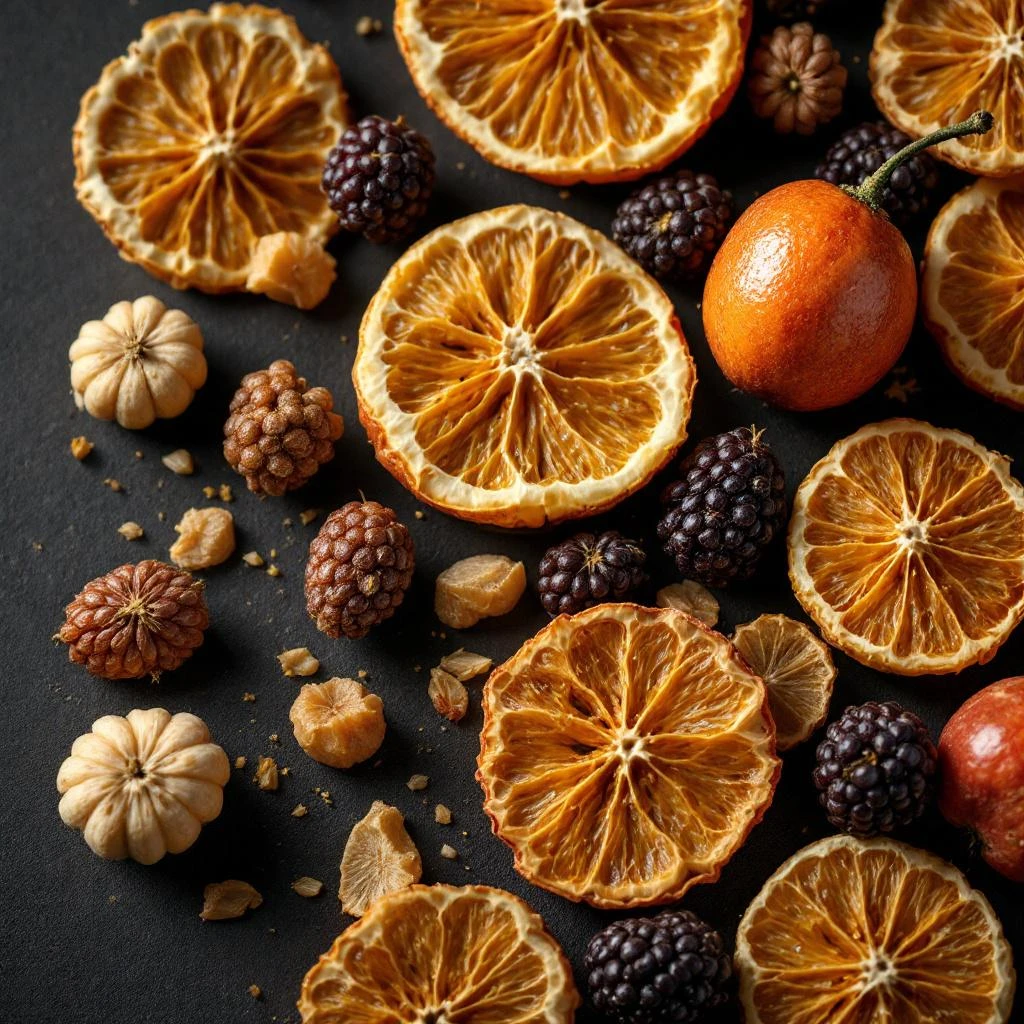
Loukhoum
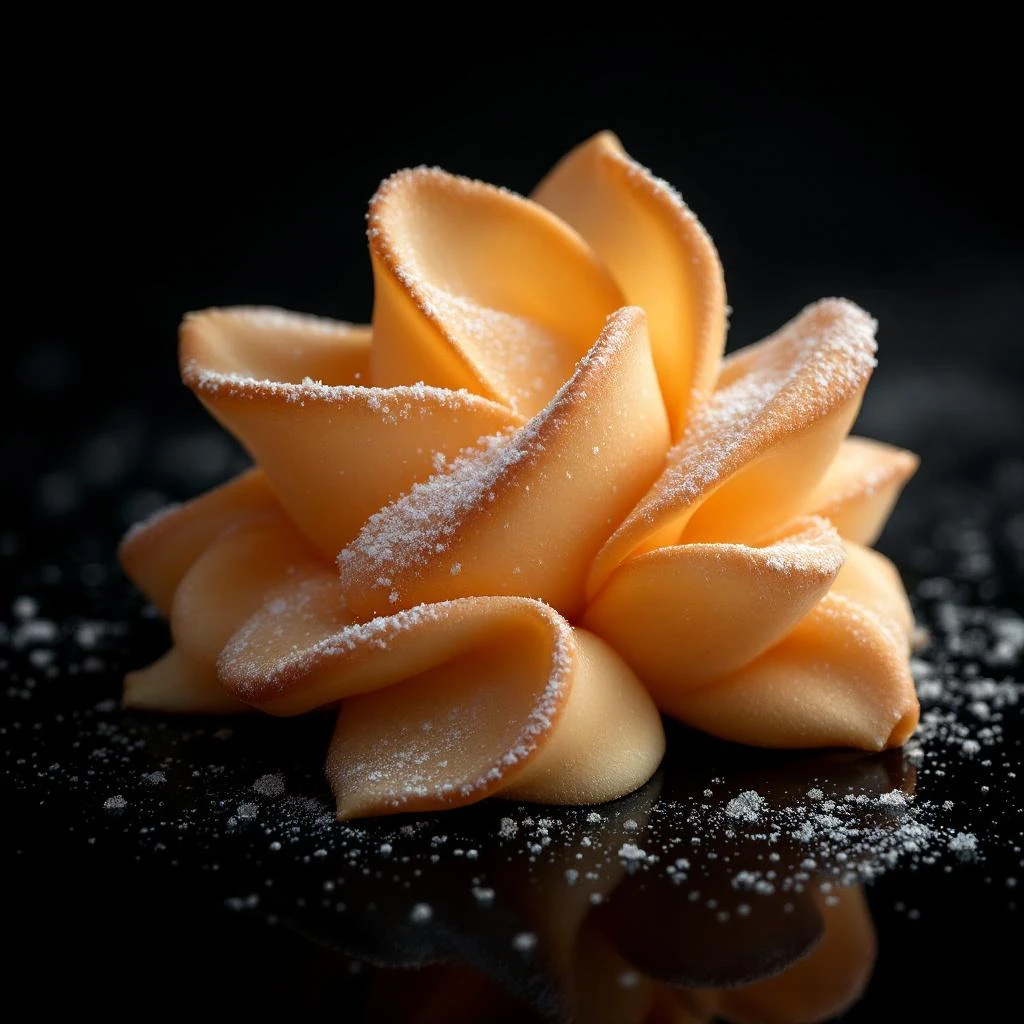
A composed perfumery accord inspired by the Ottoman confection rahat loukhoum. Loukhoum blends rose absolute, sweet modifiers like ethyl maltol and vanillin, and powdery-starchy molecules into a gourmand-floral hybrid that smells of rosewater, almonds, and powdered sugar.
Character
How it smells
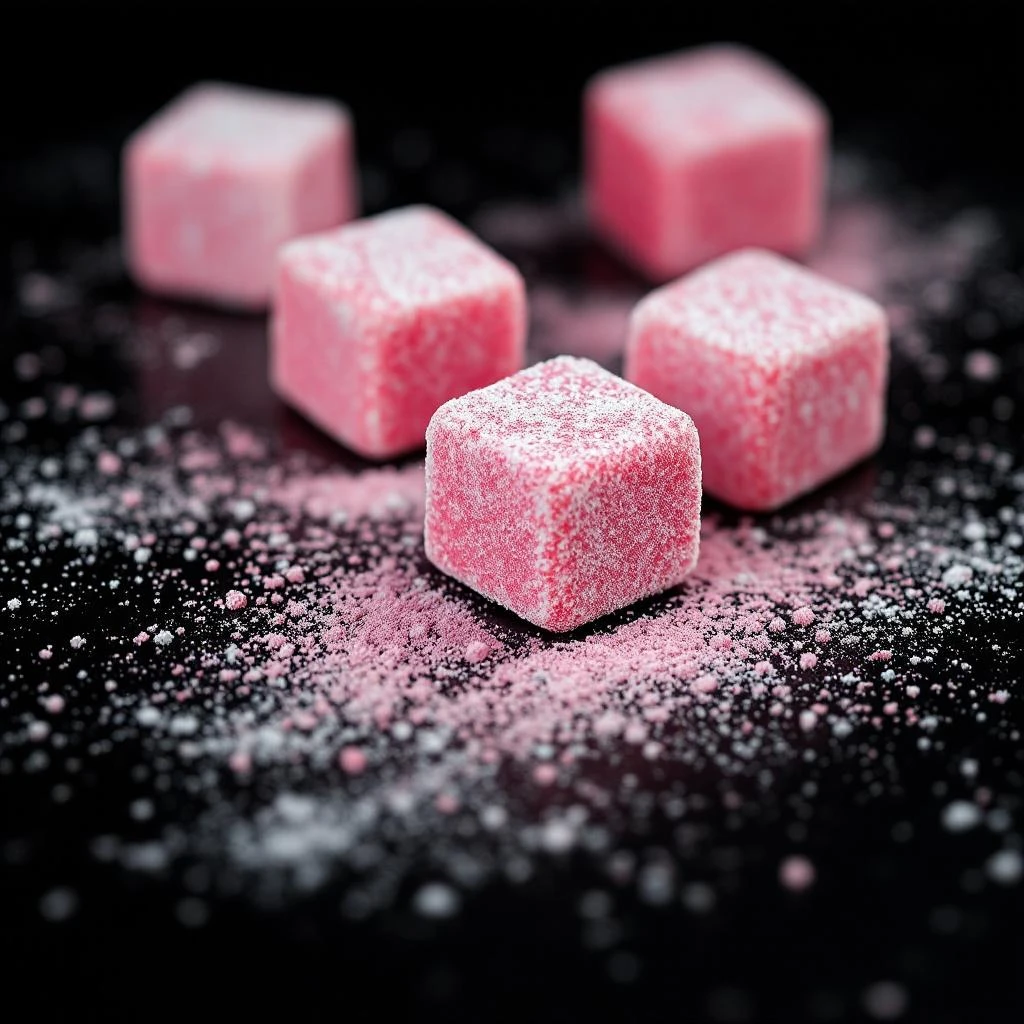
The scent of powdered rose and sweet almonds.
Loukhoum is not extracted from a plant. Perfumers compose it from molecules like rose oxide, ethyl maltol, and vanillin to evoke the aroma of Turkish delight.








Origin
Turkey
The confection that inspired Loukhoum originates in the Ottoman Empire, where rahat loukhoum was prepared with starch, sugar, rosewater, and nuts. Rosewater itself has deep roots in Islamic perfumery; Iranian and Arab cultures refined steam distillation techniques and incorporated rose, musk, and amber into daily and religious practice.
As trade routes expanded, rosewater and its floral traditions spread westward, eventually inspiring Western perfumers in the 19th and 20th centuries. The Loukhoum accord emerged as a modern perfumery creation that translates an ancient edible ritual into scent form, bringing the perfumed courts of Ottoman Istanbul into the bottle.
Wears it best
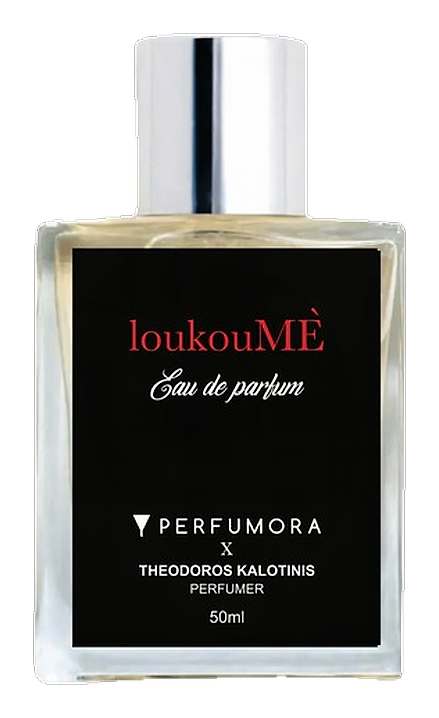
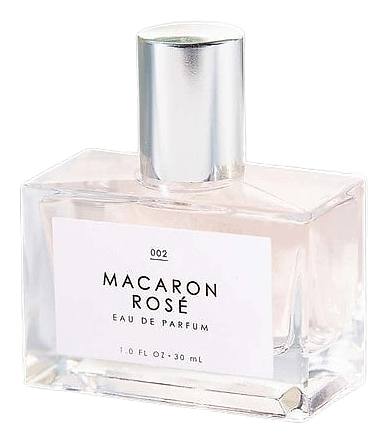
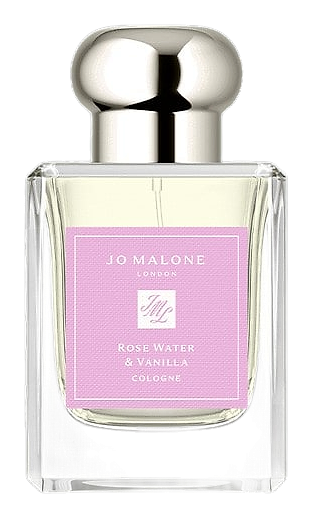
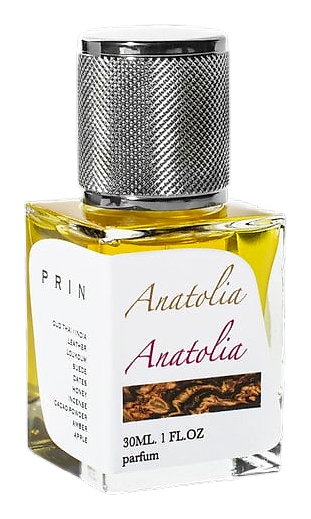
Fragrances featuring Loukhoum

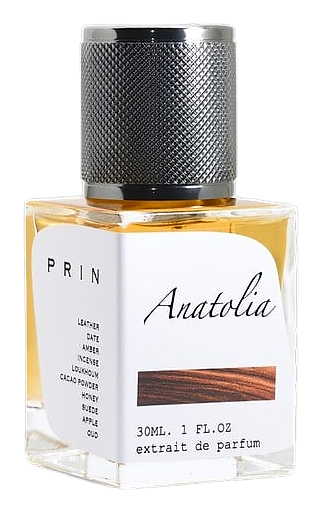
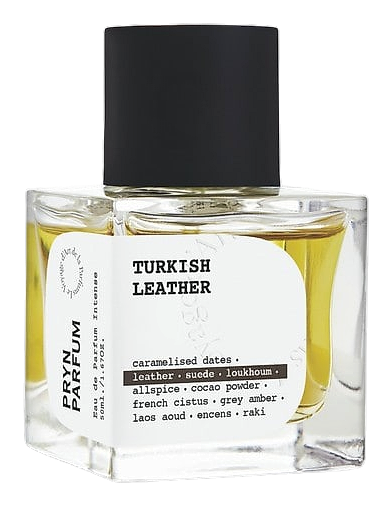
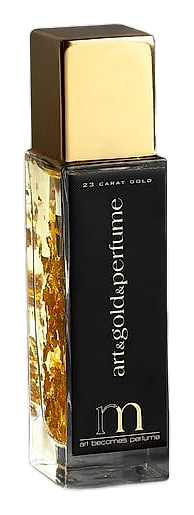
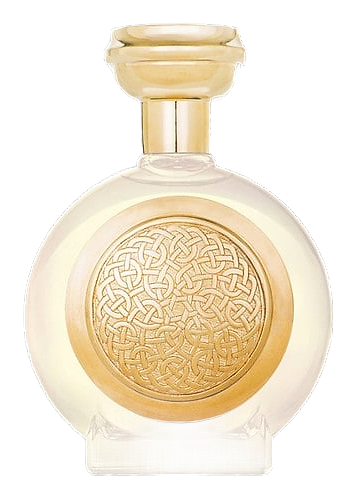
Brands
Brands known for Loukhoum
Good to know
Questions, answered
The essentials on Loukhoum in perfumery: how it smells, where it comes from, and how it behaves on skin.
What is Loukhoum in perfumery?
Loukhoum is a composed fragrance accord, not a naturally extracted ingredient. It replicates the scent of Turkish delight (lokum), blending rose materials, sweet modifiers, and powdery-starchy molecules into a gourmand-floral note.
Is Loukhoum a natural or synthetic ingredient?
It is primarily synthetic. Perfumers combine aromatic molecules like rose oxide, ethyl maltol, and vanillin to build the accord. Optional natural nut absolutes may reinforce the edible quality.
Where does Loukhoum originate?
The inspiration is Ottoman. Rahat loukhoum was a staple confection in Ottoman Turkey, made from starch, sugar, rosewater, and nuts. Perfumers adopted this edible identity as a fragrance note in the late 20th century.
What role does Loukhoum play in fragrance composition?
It functions as a heart-to-base modifier in oriental, rose-centric, and gourmand compositions. Loukhoum softens and sweetens rose without dissolving its floral character, adding powdery texture that prevents cloying sweetness.
What does Loukhoum smell like?
Loukhoum smells like rosewater-dusted Turkish delight. Expect floral rose backed by sweet caramel and vanilla, finishing with the soft, powdery warmth of starch and a faint nuttiness reminiscent of almonds or pistachios.
What aromatic molecules build the Loukhoum accord?
Key molecules include rose oxide for rosewater floralcy, ethyl maltol for sugary sweetness, vanillin for creamy depth, and starchy-powdery molecules that replicate the confection's texture. Rose absolute anchors the composition.
Which perfumes are known for Loukhoum?
Keiko Mecheri Loukhoum (1997) is the reference scent, blending rose, bitter almond, honey, and hawthorn. The note appears in many Middle Eastern-inspired and Turkish-themed fragrances as a rose-gourmand bridge.
How does Loukhoum differ from rose notes?
Standard rose notes are purely floral. Loukhoum layers rose with confection-like sweetness and a powdery-starchy base, giving it an edible, edible-floral quality that rose alone cannot achieve.