
The Story
Why it exists.
The beginning
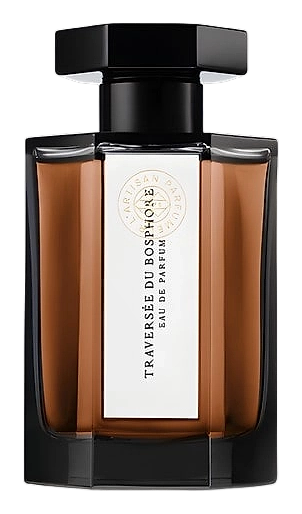
The Bosphorus strait separates two continents, a narrow waterway that has connected East and West for centuries. It is a place where cultures have met and mingled, where the scent of the sea mingles with spice and leather. Bertrand Duchaufour drew inspiration from this crossing, translating the experience into fragrance: apple and pomegranate bright as morning light on water, their tart sweetness almost juicy against the skin. Leather and iris arrive as the city reveals itself, the leather warm and the iris powdery, creating a tension that feels both ancient and modern. Turkish delight at the base lingers like a memory you didn't know you'd kept, sweet and slightly resinous.
Lokum, Turkish delight, is the conceptual heart of this composition. Not rosewater and powdered sugar as an abstract concept, but the actual dense, chewy square you'd find in a Istanbul bazaar, dusted with starch. Bertrand Duchaufour builds the entire fragrance around this idea: the sweet that balances the leather, the floral that grounds the spice, the warmth that makes the opening's tart fruit feel like a memory rather than a gimmick. Saffron runs through all three phases, tying the structure together with its distinctive medicinal warmth. The result is a fragrance that smells like a place, not a concept of a place.
The evolution
The opening announces itself with red apple and pomegranate, tart and bright, almost juicy. Saffron and ginger arrive with it, creating a sweet-spicy tension that feels almost contradictory. Then the fruit softens. The leather rises, warm and present, and the iris settles in like powder, softening what could be harsh. In the heart, leather and lokum blend together, pink tulip giving an unexpected delicacy, the sweetness deepening but never quite winning. The drydown is where this fragrance earns its reputation. Benzoin and cedar take over, the sweetness transforms into something warm and resinous, and the whole composition stays close to the skin. The fragrance evolves on the wearer throughout the day, each stage revealing new dimensions. On fabric, it leaves a subtle trace that lingers, a reminder of the crossing that inspired it.
Cultural impact
Traversee du Bosphore takes its name from the strait that divides Europe and Asia, a narrow waterway that has served as a passage between civilizations for generations. The fragrance uses pomegranate and saffron to evoke the meeting of Mediterranean and Asian cultures, capturing that sense of crossing from one world to another. The warm, spiced notes reflect the complexity of this in-between space, while the fruity opening brings a modern freshness that feels both timeless and contemporary.
The House
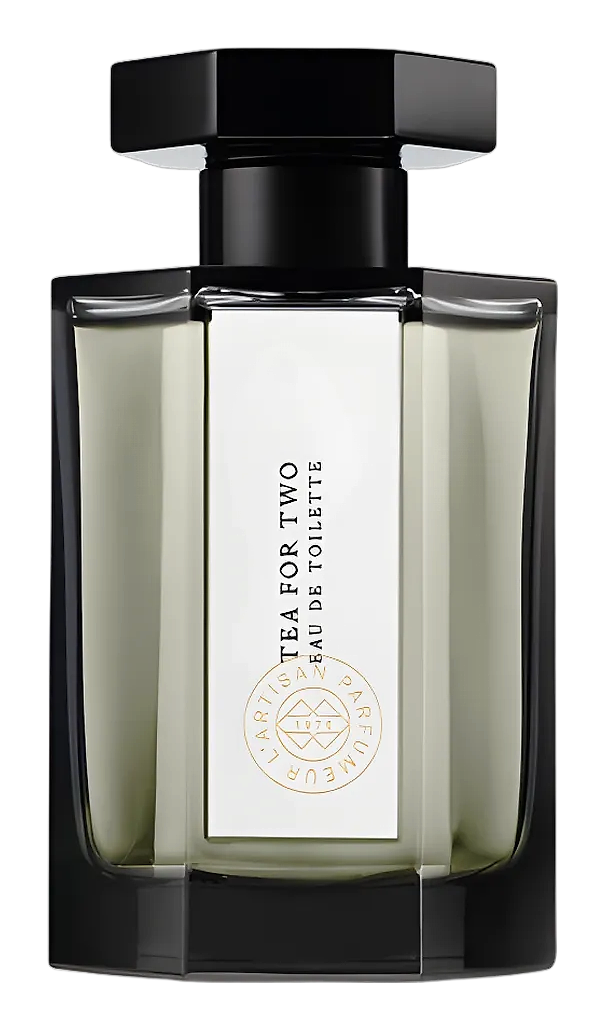
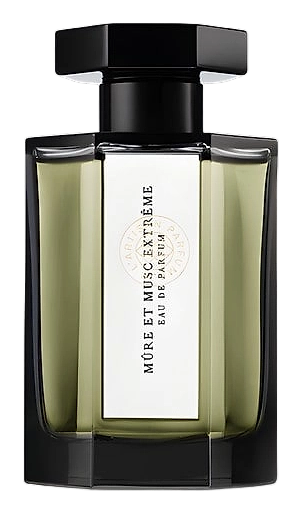
L'Artisan ParfumeurL'Artisan Parfumeur arrived in 1976 with a quietly radical idea: perfume should feel personal, not mass-produced. Founded by chemist Jean Laporte in Paris, the house became one of the first true niche fragrance houses, championing natural ingredients and artisanal craft at a time when blockbuster launches dominated the market. Its Mûre et Musc, launched in 1978, paired blackberry and musk in a way no one had attempted before, and it became a sensation. Over nearly five decades, the house has continued to create unusual fragrances with distinguished noses, never following trends but trusting instead in beautiful materials and imaginative composition.
The Creator
Bertrand DuchaufourDuchaufour is the master of smoke and shadow, of incense rendered with painterly depth rather than theatrical force. Where many perfumers treat frankincense as a single note, he builds incense as a tonal range, capable of austerity or warmth depending on what the fragrance dem…