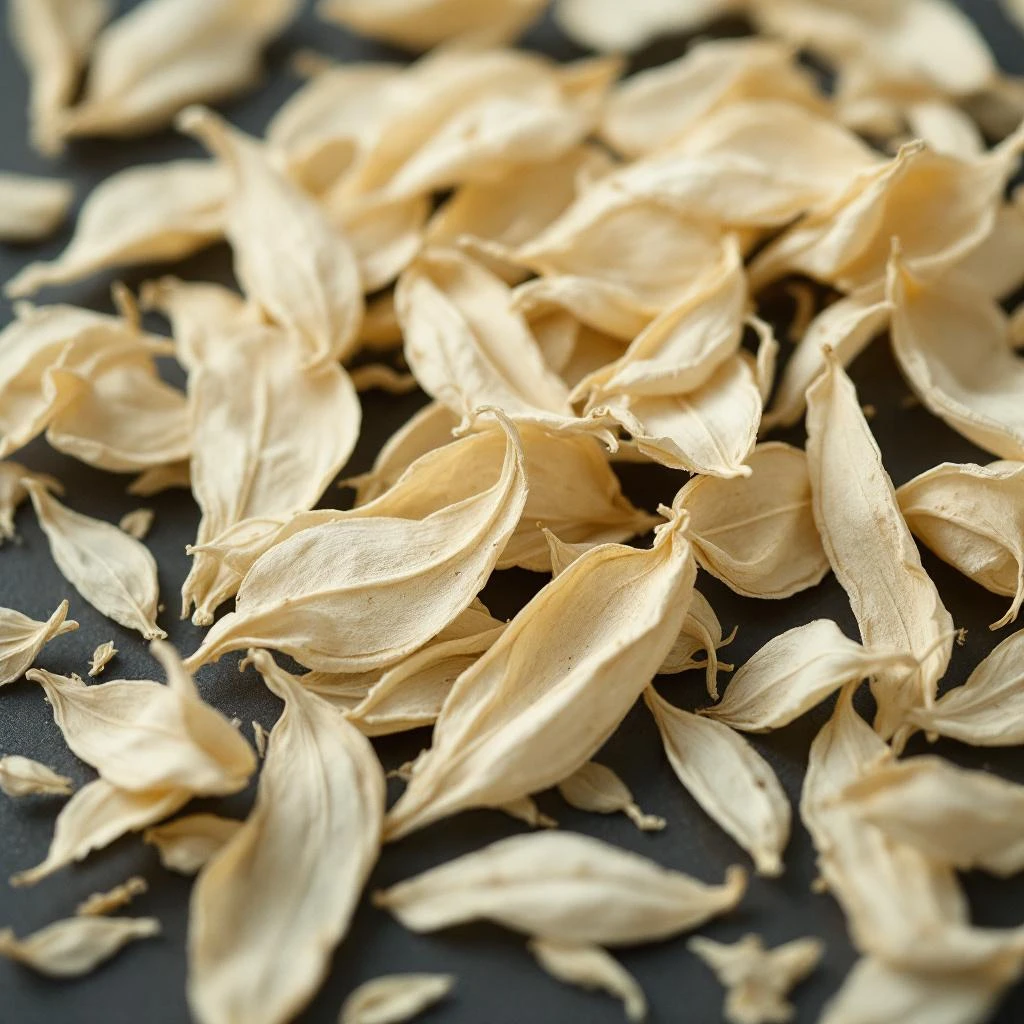
Lokum
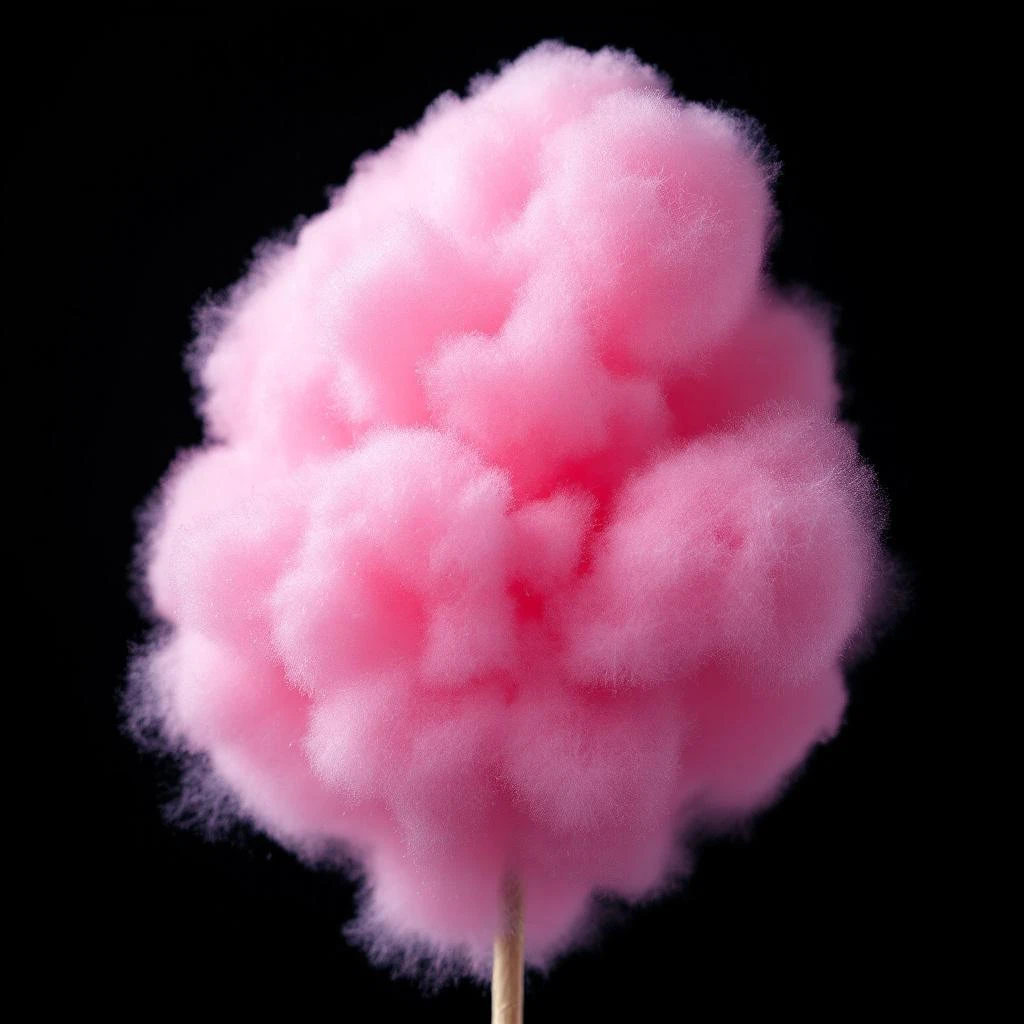
A warm, powdery confectionery note capturing the soft sweetness of rose-dusted Turkish delight. Evokes candied petals, warm sugar, and the hazy intimacy of a spice market at dusk. Perfumers prize lokum for its ability to soften compositions with edible warmth.
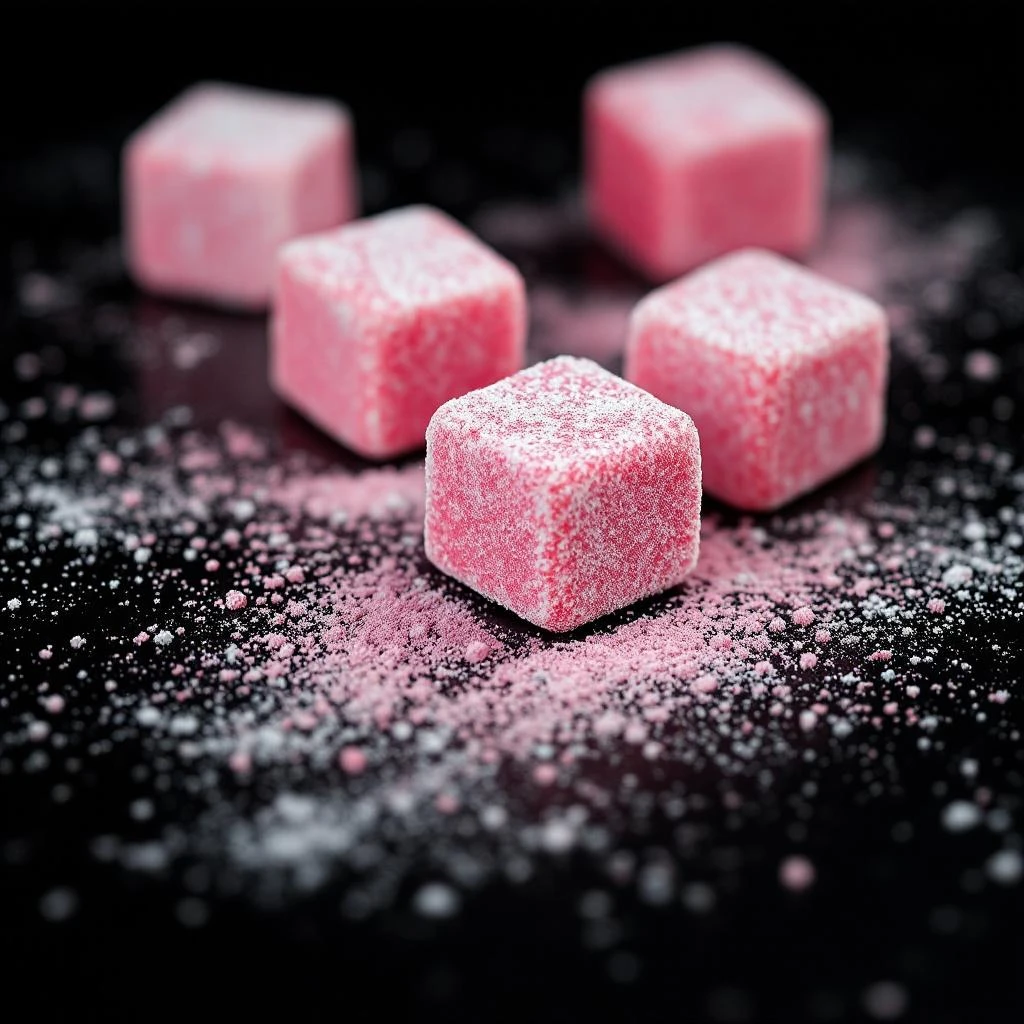
Character
How it smells
The Ottoman confection that became a perfumer's secret.
In 19th-century Istanbul, lokum was sold by weight alongside spices and textiles in the Grand Bazaar's bustling lanes.





Origin
Turkey
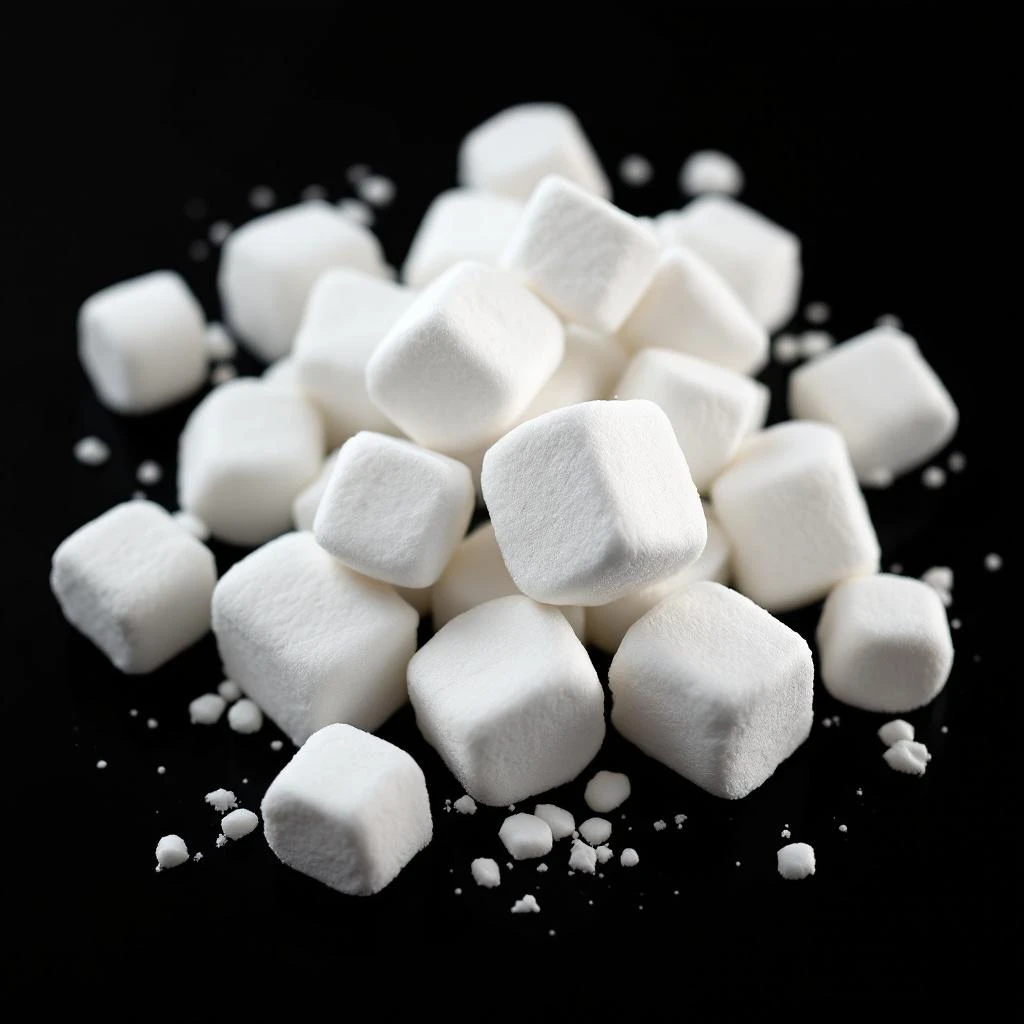
Lokum originated in the Ottoman Empire during the 14th and 15th centuries, first appearing in royal kitchens as a luxurious treat reserved for the elite. Before refined sugar became widespread, artisans prepared early versions using honey and grape molasses mixed with starch. Mass production began around 1777, transforming lokum from palace delicacy into a widely available confection.
The candy gained international prominence during the Victorian era when it was introduced to European sweets shops, earning the name Turkish delight. Bekir Efendi, a confectioner who opened a shop in Istanbul's city center, helped standardize and popularize the recipe. By the late 18th century, lokum production had spread across the Ottoman Empire, Greece, and Persia.
Its integration into perfumery came later, as perfumers recognized that the candy's signature blend of rose, sugar, and powdery warmth translated beautifully into aromatic form.
Wears it best
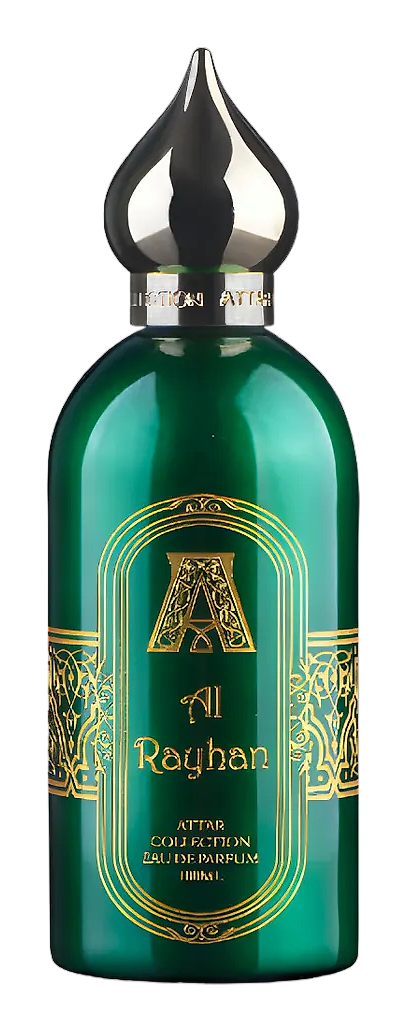
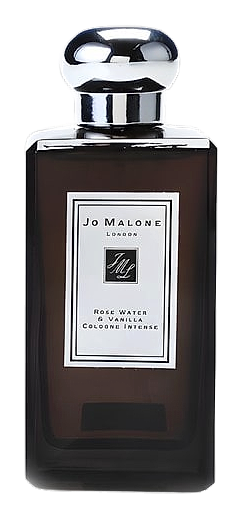
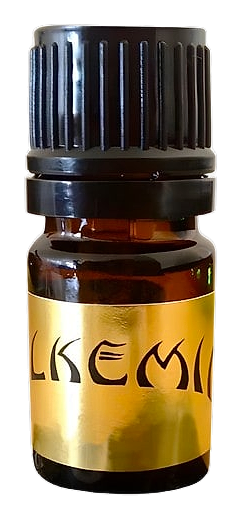
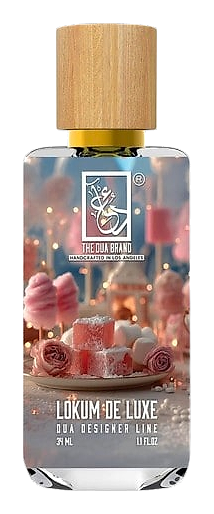
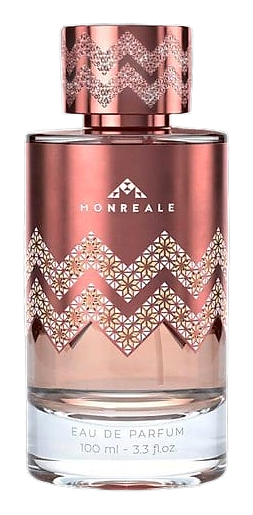
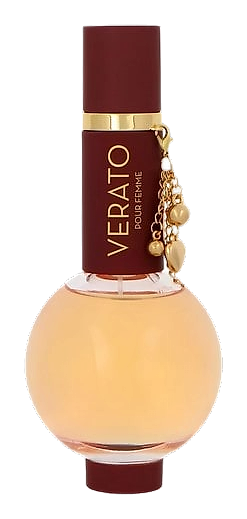
Fragrances featuring Lokum
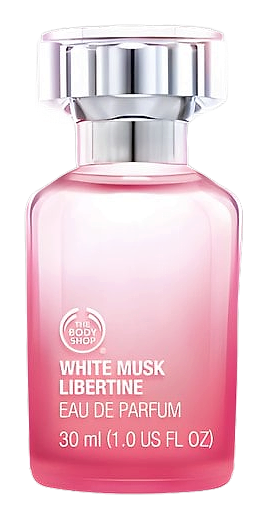
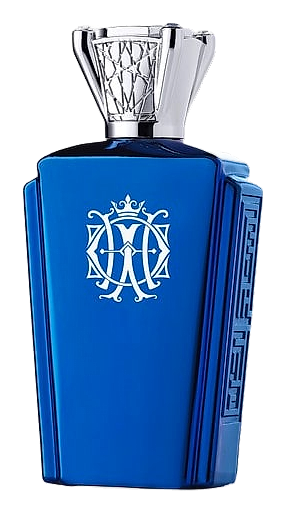
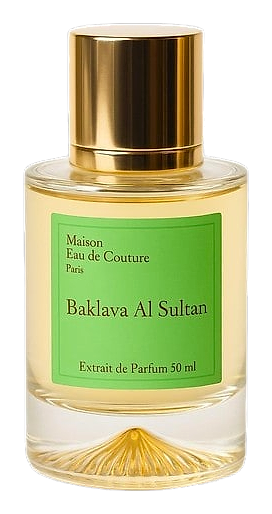
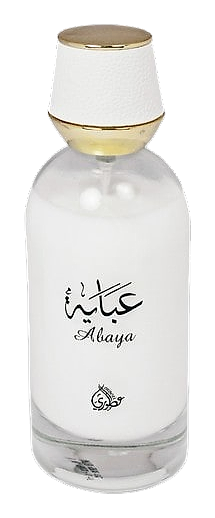
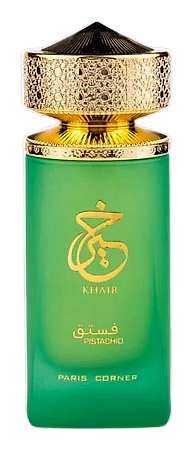
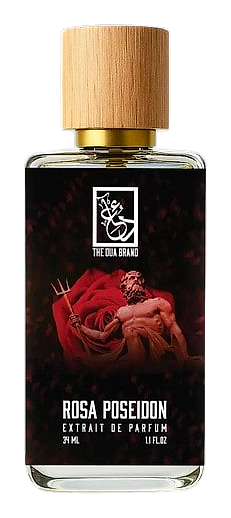
Brands
Brands known for Lokum
Good to know
Questions, answered
The essentials on Lokum in perfumery: how it smells, where it comes from, and how it behaves on skin.
What does lokum smell like in perfume?
Lokum smells like sweet rose and powdery starch with warm vanilla undertones. The note captures the edible softness of Turkish delight rather than its literal taste.
Is lokum a natural or synthetic fragrance ingredient?
Lokum is a synthetic aromatic accord. Perfumers combine multiple aromatic compounds to recreate the candy's distinctive sweet, floral, and powdery character.
What role does lokum play in fragrance composition?
Lokum acts as a bridge between floral and gourmand families. It adds warmth and softness, helping orient the wearer toward sweetness without heaviness.
Which fragrance families commonly feature lokum?
Lokum appears most often in oriental and floral fragrance families. Perfumers use it to add confectionery warmth to rose, jasmine, and amber compositions.
Does lokum smell like actual Turkish delight candy?
The note captures the essence rather than the literal flavor. Expect rose-forward sweetness with powdery warmth, not a direct replica of the edible candy.
How does lokum interact with other perfume ingredients?
Lokum amplifies floral heart notes, especially rose and jasmine, while softening sharp top notes. It blends naturally with amber, vanilla, and musky base ingredients.
When was lokum first used in perfumery?
Precise dates are undocumented, but perfumers began incorporating confectionery accords in the early 20th century as oriental fragrances gained popularity.
Is lokum a common ingredient in modern fragrances?
Lokum appears less frequently than single aromachemicals but remains a recognized signature note in oriental and contemporary floral compositions.