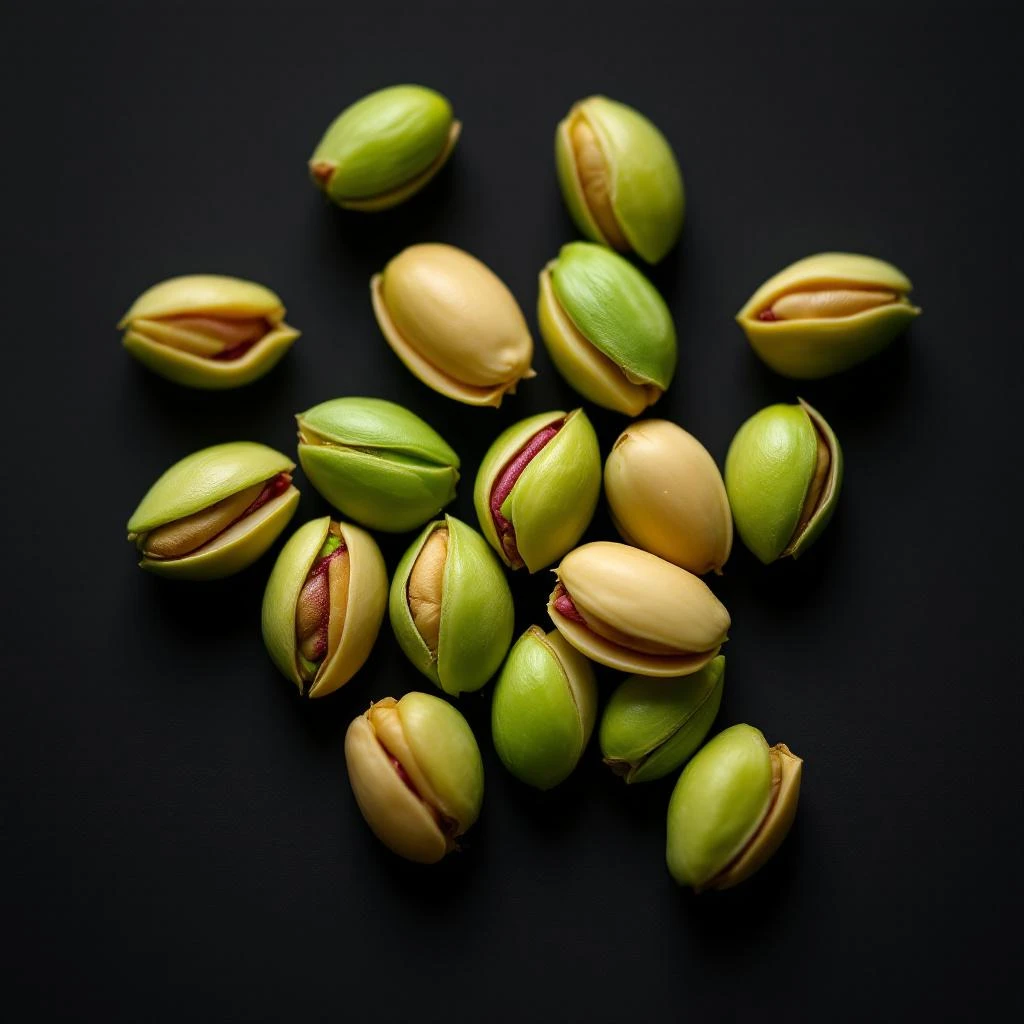
Pistachio
The edible seed of Pistacia vera delivers a sweet, creamy essence prized in gourmand perfumery. Its warm, nutty character adds comfort and depth to modern compositions.
Character
How it smells
Sweet, creamy warmth with an edible edge
Pistachio trees can live for centuries, with some specimens in Iran producing nuts for over 300 years.






Origin
Iran
Pistachio's name traces through Latin 'pistacium' to Greek 'pistákion,' reflecting ancient trade routes that carried this prized nut across civilizations. Archaeological evidence shows pistachios were cultivated in Syria by 6750 BCE and in Iran by 5000 BCE, making them among humanity's oldest cultivated foods.
The ancient Persians considered them sacred, and Greek and Roman elites prized them as delicacies. Islamic traders spread pistachios across the Mediterranean, introducing them to Spain during the Moorish period.
Renowned physician Avicenna documented pistachio's medicinal properties in his writings, acknowledging its therapeutic applications alongside culinary use. Over centuries, this ingredient transitioned from treasured food to perfumery component, valued for its warm, comforting essence that brings gourmand richness to fragrance compositions.
Wears it best
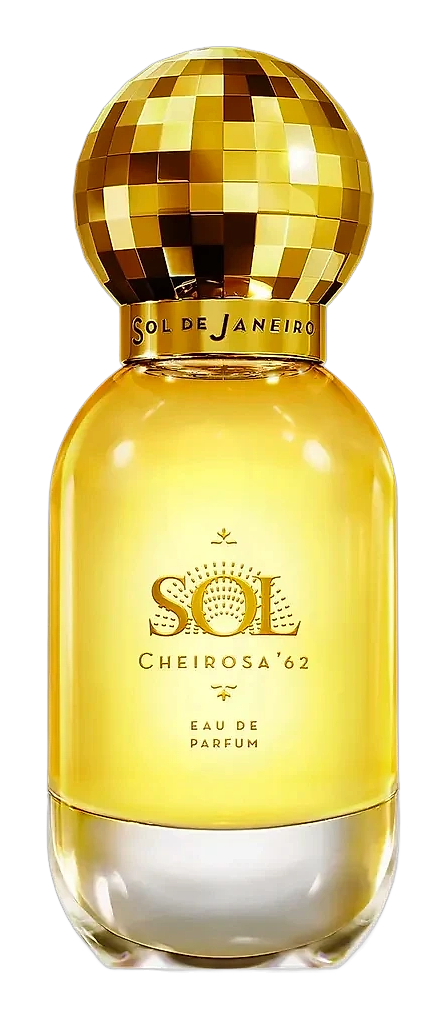
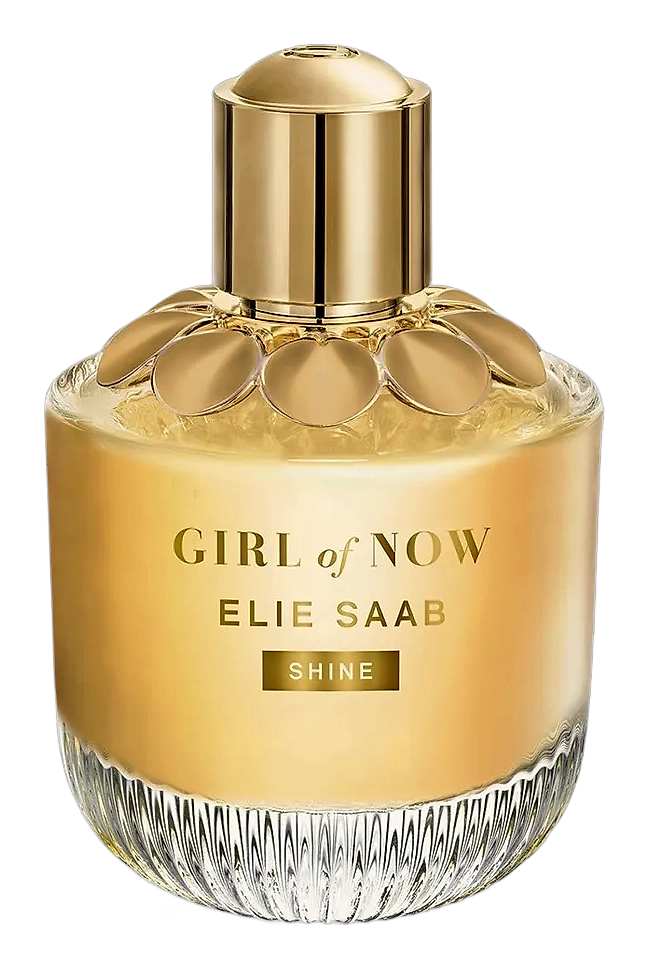
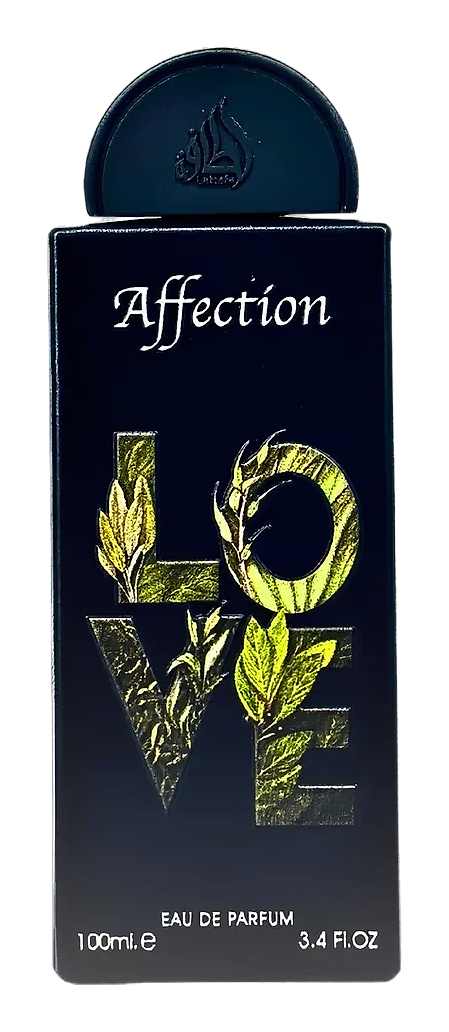
Fragrances featuring Pistachio


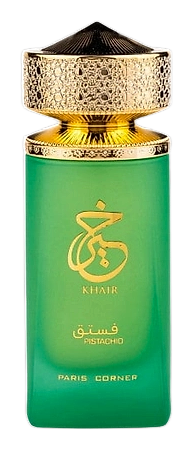
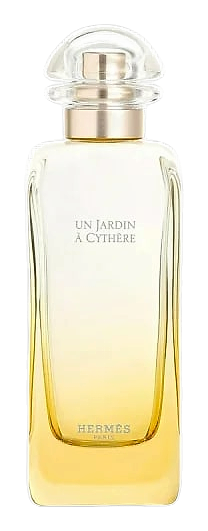
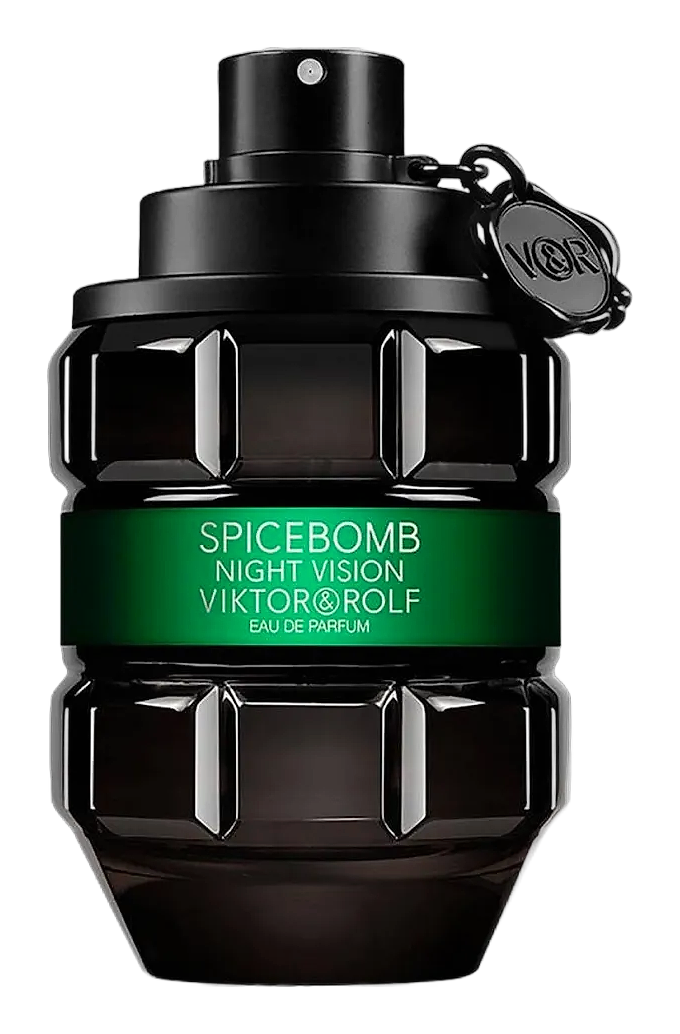
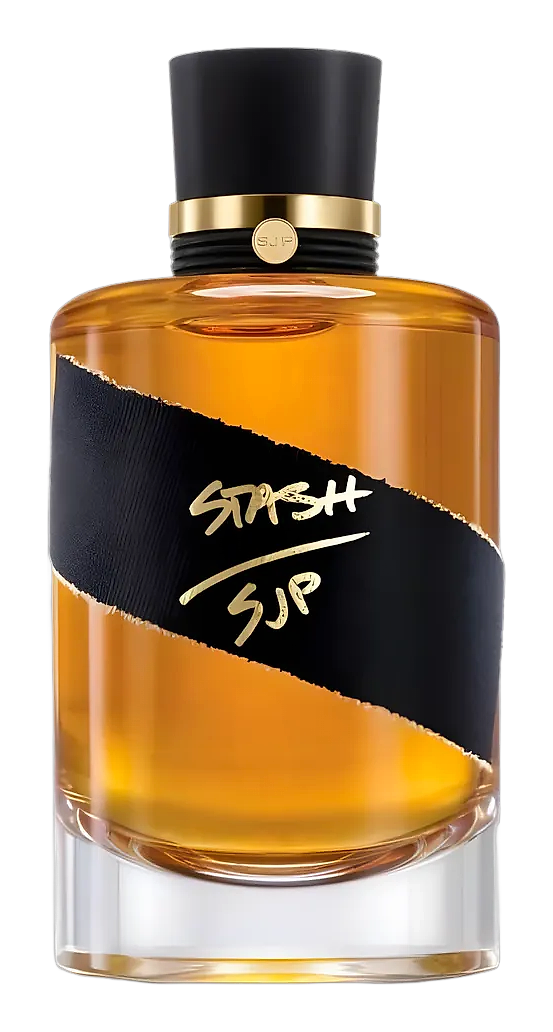
Brands
Brands known for Pistachio
Good to know
Questions, answered
The essentials on Pistachio in perfumery: how it smells, where it comes from, and how it behaves on skin.
What does pistachio smell like in perfume?
Pistachio in perfumery presents as sweet, creamy, and nutty with a subtle roasted quality. It adds warmth and comfort, often described as edible or gourmand. Modern synthetic versions capture these characteristics with remarkable precision.
Is pistachio a natural or synthetic ingredient in fragrance?
Most perfumery uses synthetic aroma chemicals that replicate pistachio's profile. These lab-created compounds offer consistency and stability that natural extracts cannot always guarantee. CO2 extraction provides a more natural alternative when perfumers prefer botanical sources.
What type of fragrance pairs well with pistachio?
Pistachio works in gourmand, oriental, and soft florals. It adds warmth to vanilla and tonka combinations, complements white florals like jasmine and orange blossom, and brings an edible quality to musk-forward compositions. It excels in comfort scents.
Where does pistachio grow for perfumery?
Pistacia vera originates from the Middle East, primarily Iran, Syria, and Afghanistan. Iran remains the world's largest producer. Archaeological evidence shows cultivation in Syria dating to 6750 BCE, making this among humanity's oldest cultivated food plants.
Does pistachio have historical significance in perfumery?
Pistachio transitioned from food to fragrance relatively recently compared to rose or oud. Ancient physicians like Avicenna documented its medicinal properties, but its use as a distinct perfumery note emerged in the late 20th century alongside the gourmand fragrance trend.
Is pistachio safe for skin application in fragrances?
Pistachio-derived aroma chemicals used in perfumery are generally recognized as safe for cosmetic application when properly diluted. Regulatory bodies like IFRA establish concentration limits for ingredients in finished fragrances to ensure consumer safety.
How is pistachio extracted for fragrance use?
Modern extraction uses synthetic aroma chemicals for consistency, or CO2 supercritical extraction when natural-equivalent materials are desired. Traditional effleurage, where ground nuts are heated in fat to absorb the aroma, is rarely used today due to its labor intensity.
Why do perfumers choose pistachio for formulations?
Pistachio brings a unique sweet-nutty warmth that creates immediate comfort and appeal. It bridges the gap between edible and sophisticated, adding personality to compositions without overwhelming other notes. Its versatility makes it valuable for modern fragrance design.