Cream
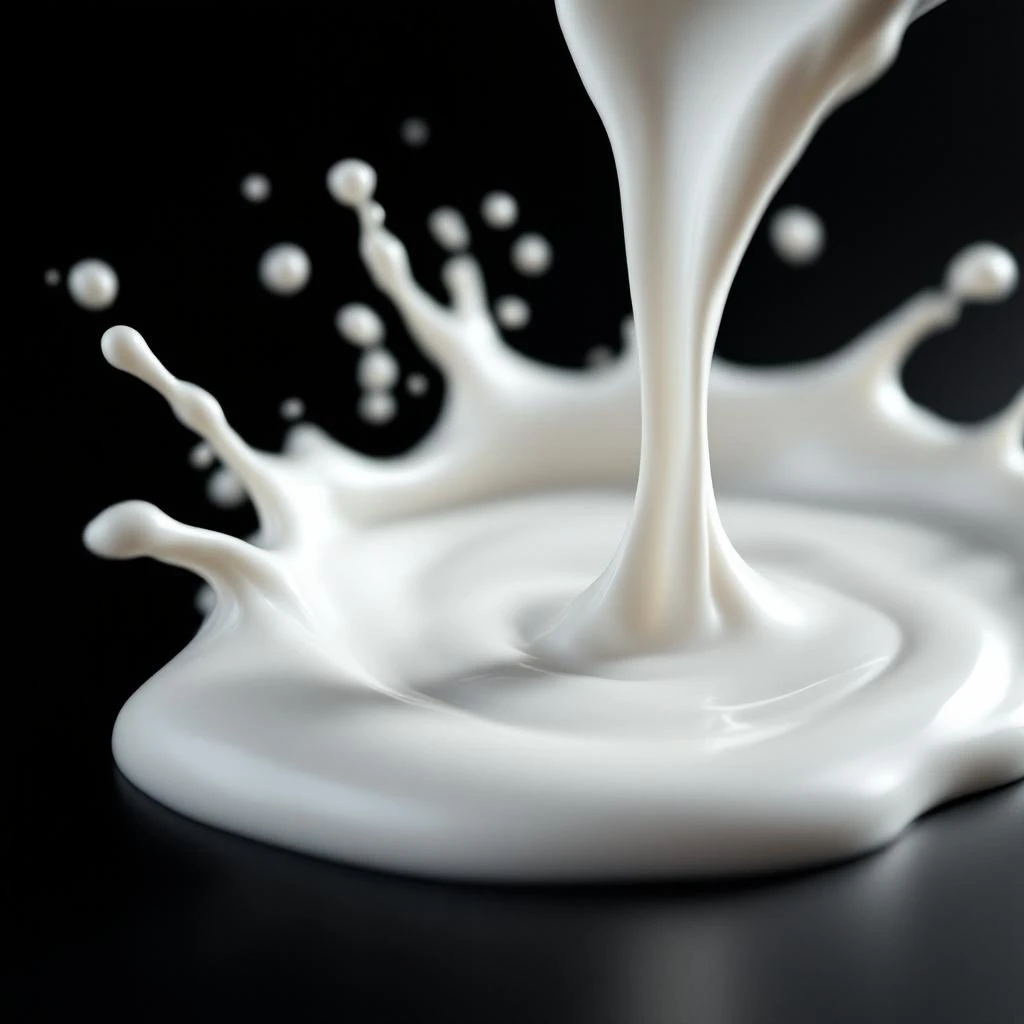
Cream in perfumery describes smooth, velvety accords that evoke the rich, comforting qualities of dairy orcustard. These notes typically derive from lactonic compounds, coumarin-rich materials like tonka bean, sandalwood's santalol, or synthetic alternatives like cashmeran. Cream notes add warmth, softness, and a tactile quality to fragrance compositions.
Character
How it smells
The velvety embrace of warm dairy and sweet vanilla, wrapped in sandalwood softness.
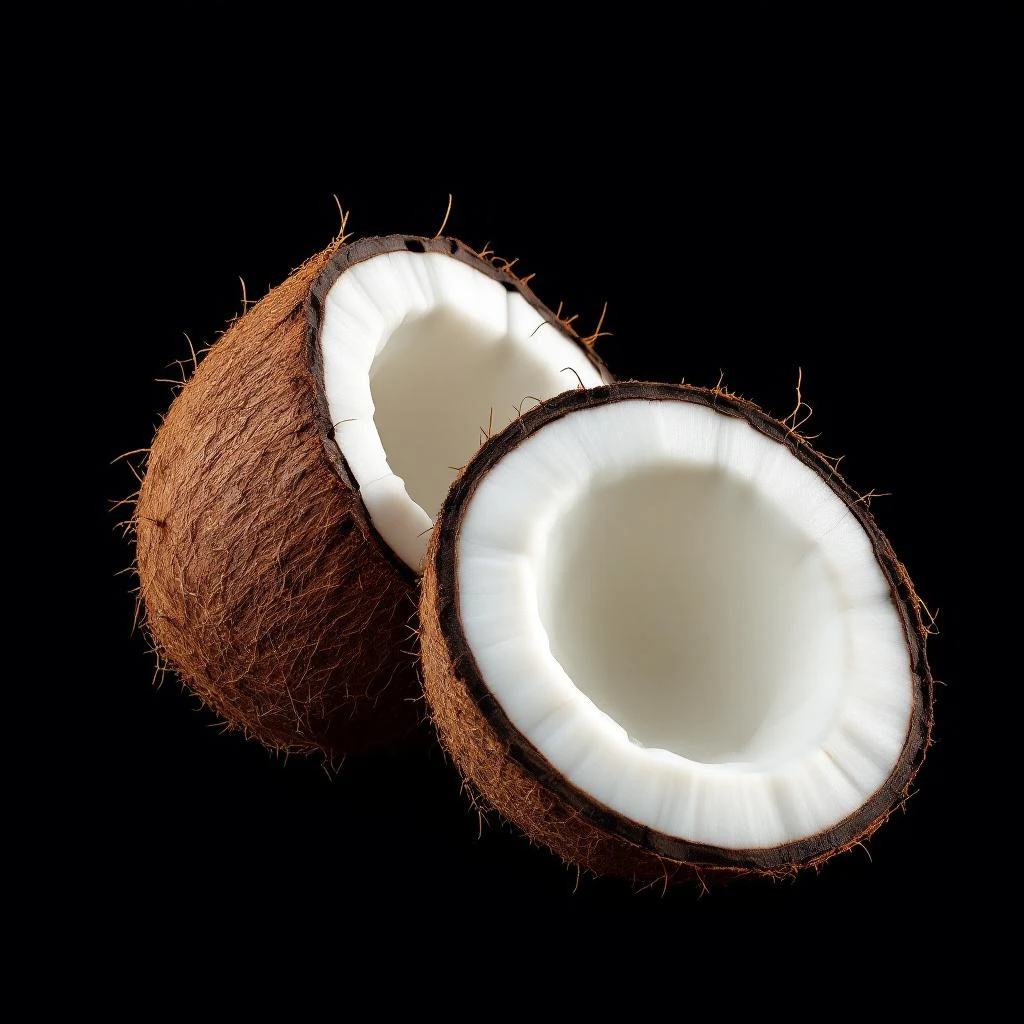
The creamy note in coconut comes from gamma-decalactone, a lactone so potent that adding just 0.001% to a fragrance base creates an unmistakable coconut character.





Origin
Multiple origins
The pursuit of creamy notes traces back to ancient perfumery practices. Egyptians infused fats with floral and aromatic materials, creating unctuous balms that possessed inherent creaminess. Greek physicians documented the use of sweet-smelling oils and ointments, while Roman luxury embraced perfumed unguents applied directly to skin. These early preparations relied on natural ingredients like benzoin resin, whose inherent sweetness and vanilla-like quality contributed creamy warmth to blends.
The development of enfleurage in eighteenth-century Grasse preserved delicate floral notes within fats, producing pomades with rich, creamy textures. Modern perfumery gained access to synthetic cream notes in the late nineteenth and twentieth centuries. Chemists isolated coumarin from tonka beans in the 1820s, later synthesizing it for broader use. Vanillin's commercial production transformed fragrance composition possibilities.
These advances democratized creamy accords, making them accessible beyond natural material limitations. Contemporary perfumers now blend natural and synthetic cream sources freely, crafting signatures that range from lactonic freshness to deep, bourbon-like vanilla warmth.
Wears it best
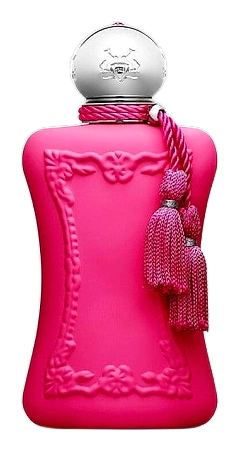
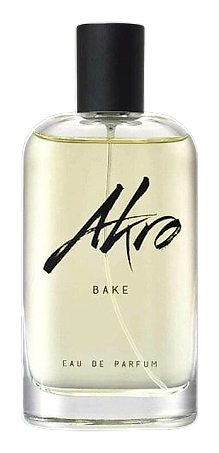
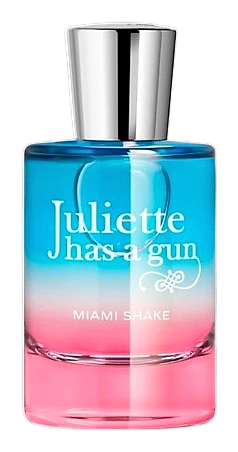
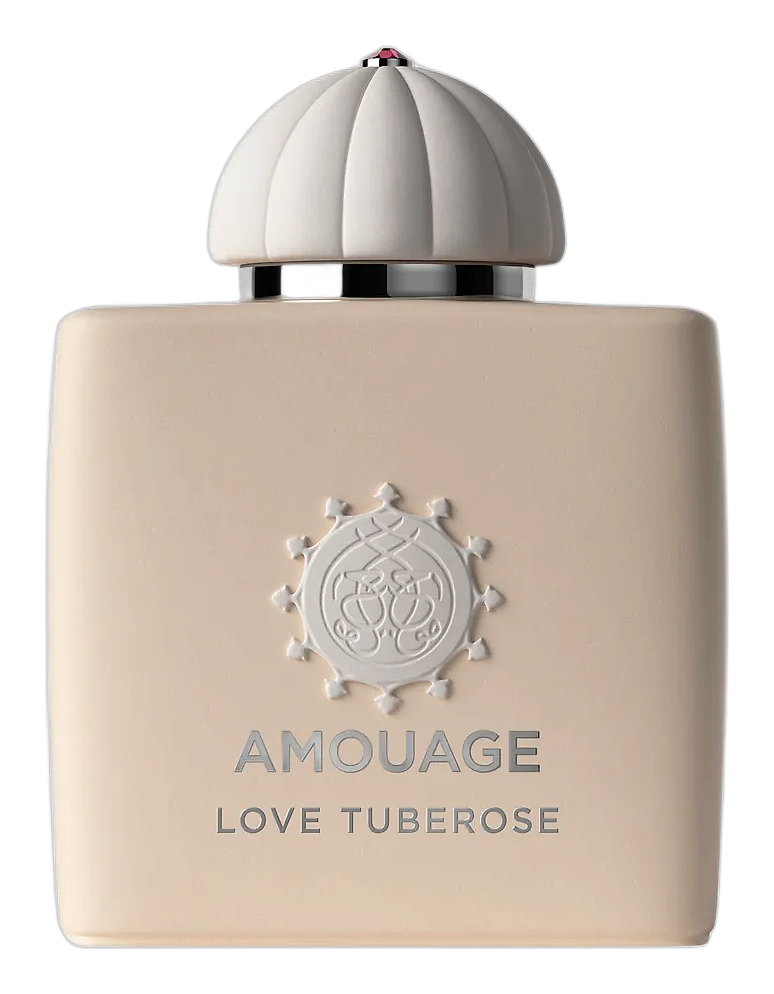
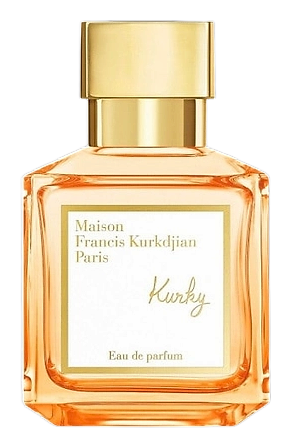
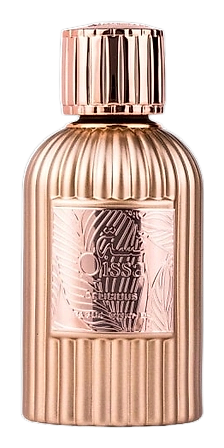
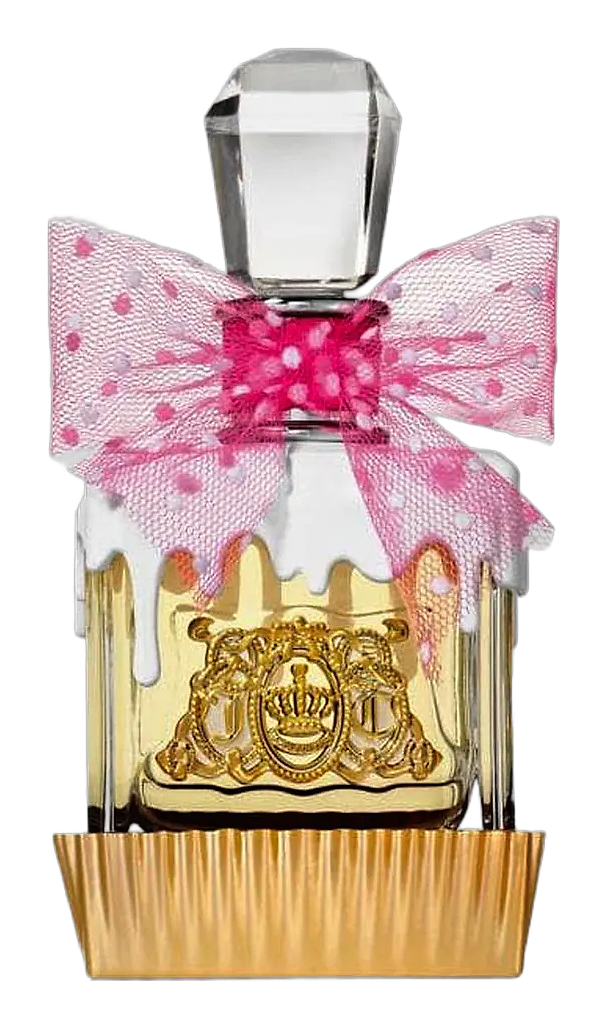
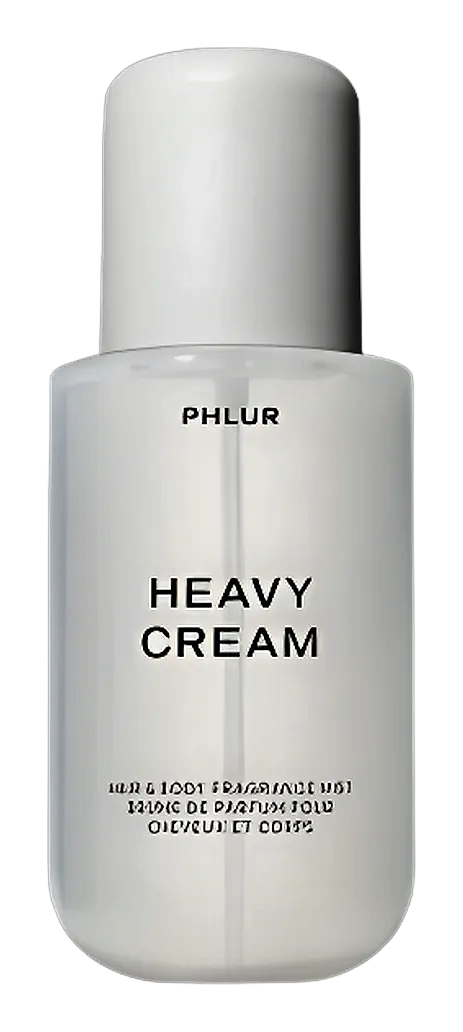
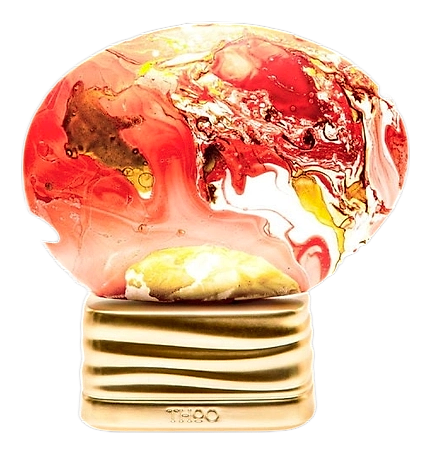
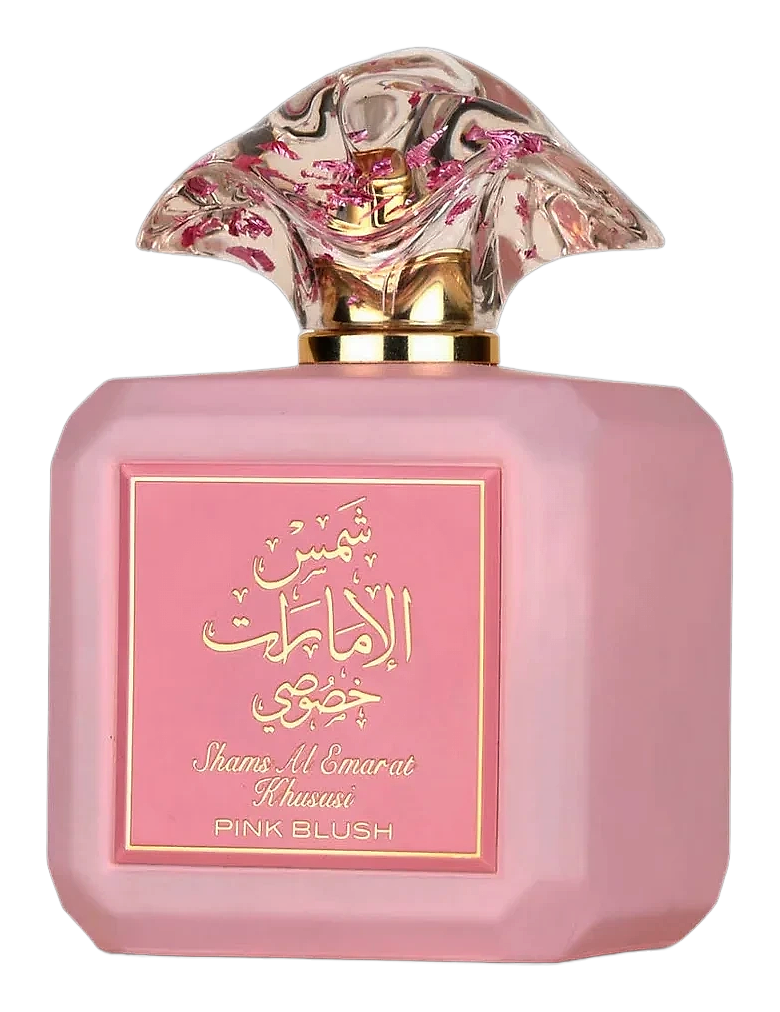
Fragrances featuring Cream


Good to know
Questions, answered
The essentials on Cream in perfumery: how it smells, where it comes from, and how it behaves on skin.
What does Cream smell like in perfume?
Cream smells like warm dairy or vanilla custard with a velvety, slightly sweet character. It evokes feelings of comfort and softness, often describing the tactile sensation of smooth, rich textures rather than a single distinct aroma.
Why is Cream used in perfumery?
Cream provides warmth, roundness, and textural depth to fragrance compositions. It acts as a fixative that smooths harsh edges and binds disparate notes. Approximately 70% of modern fragrances incorporate some form of creamy accord for this blending function.
Is Cream in perfume natural or synthetic?
Cream notes can originate from both natural and synthetic sources. Natural creamy materials include sandalwood, tonka bean, vanilla, and benzoin. Synthetic alternatives include lactones, vanillin, and cashmeran, which offer consistent quality and controlled intensity.
What famous perfumes contain Cream?
Many iconic fragrances feature creamy notes. Viktor and Rolf Flowerbomb uses creamy tonka and vanilla. Le Labo Santal 33 relies on sandalwood's creaminess. Chanel Coco Mademoiselle incorporates coumarin for creamy warmth. These examples represent different creamy interpretations across fragrance families.
Is Cream a top note, heart note, or base note?
Cream functions primarily as a base note, providing lasting warmth and body to fragrances. Certain lactonic materials can appear in the heart phase, offering immediate creamy impressions. Natural vanilla often develops fully after 30-60 minutes of wear.
What notes pair well with Cream in perfume?
Creamy notes pair harmoniously with woody accords, especially sandalwood and cedar. Vanilla cream complements Oriental ingredients like oud and amber. In floral compositions, cream softens jasmine and rose. Coffee, caramel, and gourmand materials also blend seamlessly with cream.
How is Cream extracted?
Natural creamy materials undergo various extraction processes. Sandalwood heartwood yields essential oil through steam distillation over 14-48 hours. Tonka bean beans are solvent-extracted to produce coumarin-rich absolutes. Vanilla pods require curing followed by solvent extraction to develop their creamy character.
Is Cream used in men's or women's fragrances?
Cream appears across gender categories in perfumery. Women's fragrances often feature creamy florals like creamy jasmine or rose. Men's scents use cream through sandalwood, tonka, and leathery lactones. Unisex fragrances particularly favor creamy woods and vanillic warmth.