The Story
Why it exists.
The beginning
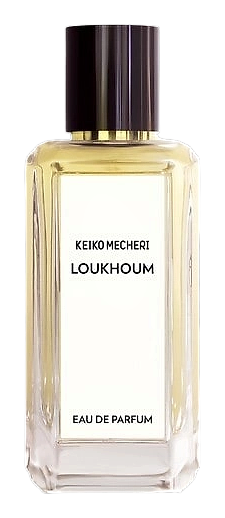
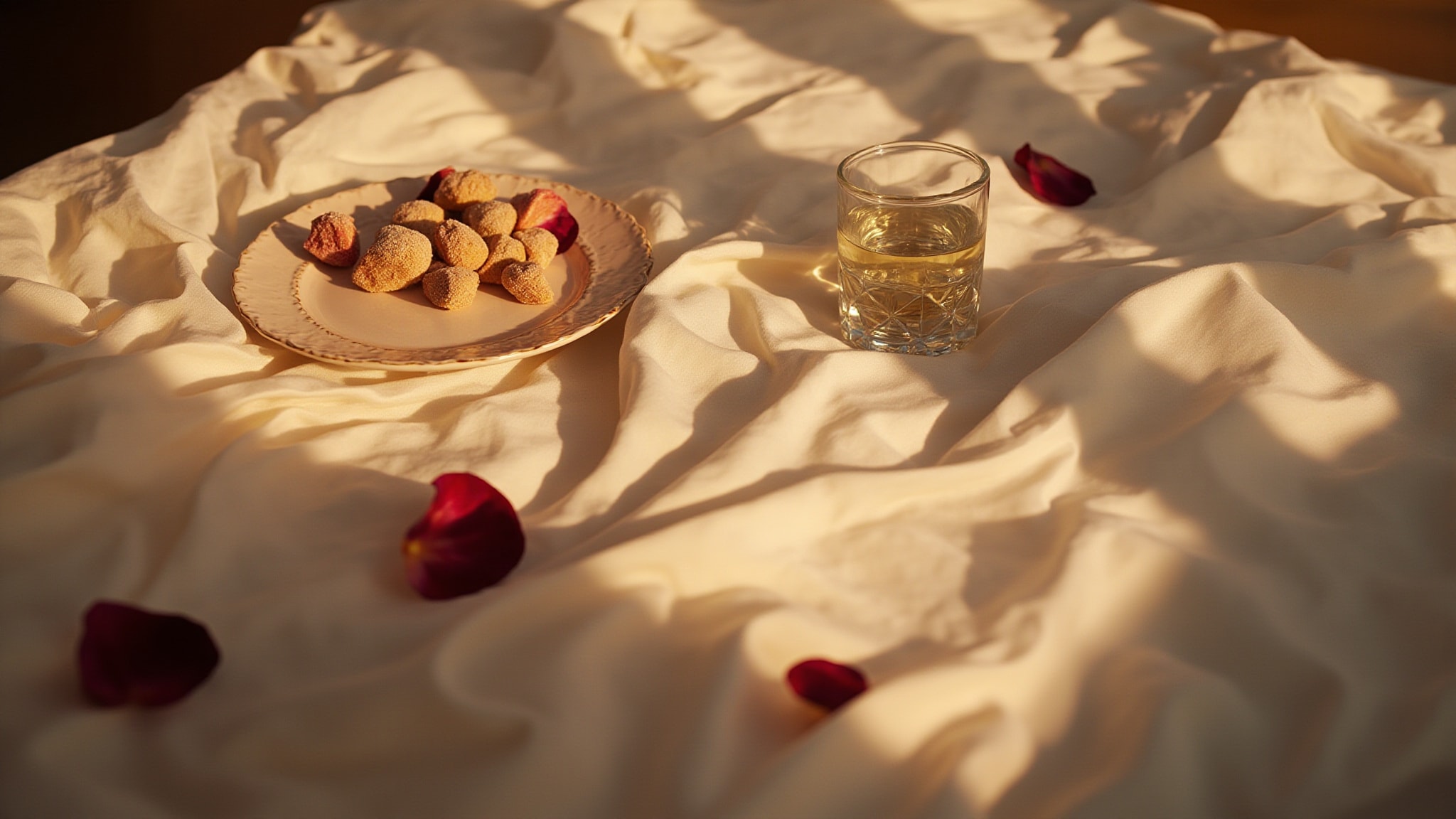
In 1997, Keiko Mecheri and her husband Kamel were building something in Beverly Hills, a small studio that started with candles and body care before they turned to perfume. Loukhoum was their first. It arrived the following year, inspired by rahat loukhoum: the Turkish delight made of candied rose petals, almonds, and honeyed paste. That confection, dense, floral, unapologetically sweet, became the blueprint. The couple's multicultural roots, North American, Oriental, Japanese, lived in that first bottle. A crossroad of cultures, the brand called it. Loukhoum was the proof. The idea of capturing something edible in liquid form, something you could wear, was unusual at the time.
The note structure is deceptively simple: hawthorn opens, rose and almond occupy the heart, and a base of white honey, vanilla, and musk holds the whole thing together. What makes it interesting is the ratio. The almond isn't nutty and sharp, it's softened by the honey and rounded by the vanilla until it reads as edible rather than raw. The rose doesn't compete with the sweetness, it threads through it, keeping the composition from tipping into cloying territory.
The evolution
The opening is hawthorn, immediate, powdery, almost aldehydic in its crispness. Within minutes, the almond arrives. Not bitter, not green. Soft. Sweet. The rose follows close behind, lifting the composition before the honey pushes everything toward edible. The vanilla doesn't compete with the honey, it deepens it. As the base notes take over, the sweetness recedes but never fully disappears. Musk and warm wood take their place, creating something that lives close to the skin, intimate and understated. The rose and almond remain present throughout, threading through the drydown in a way that feels persistent rather than loud. There's a ghost of the original sweetness that never fully leaves, just transforms into something quieter and more subtle as the hours pass.
Cultural impact
Loukhoum arrived in 1997 with a concept that felt both ancient and new: a fragrance built around an edible confection, using candied rose, almond, and honey as its primary materials. The idea of building an entire fragrance identity around these ingredients, rather than using them as accents, set it apart from what came before. The composition became a reference point for how floral and edible materials could coexist without canceling each other out. It demonstrated that sweetness and structure weren't opposing forces, that something could be unapologetically sweet without losing its ability to last on skin and evolve over time.