The Story
Why it exists.
The beginning
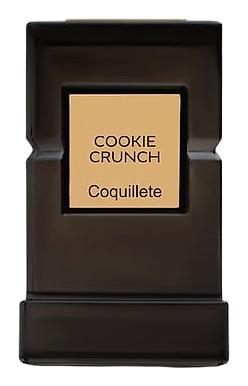
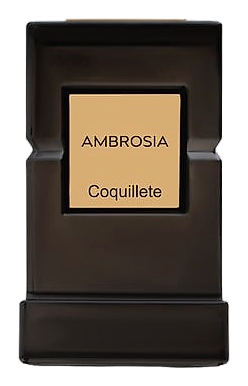
Ambrosia is named for the food of the gods, the mythological nectar that granted immortality to those who consumed it. The name is not modest, and neither is the fragrance. Coquillete's Rosa Vaia and Elise Juarros built this one around an idea: what if the divine could be worn? Not literal, not religious, just the feeling of something so complete it borders on too much. The honey and vanilla arrive rich and golden, the roasted almond adds a quietly bitter edge that keeps the sweetness honest. It launched in 2017 and has stayed in the collection ever since, which tells you something about how it wears.
The structure here is deceptively simple, honey, vanilla, almond, white flowers, rose, white musk. What makes it interesting is the way the bitter almond threads through the sweetness like a counterargument. Most gourmand fragrances lean entirely into edible territory; Ambrosia keeps one foot in the floral. The white flowers aren't sharp or green, they're softened, almost blurred, sitting inside the honey-vanilla warmth rather than rising above it. The result is a fragrance that smells like something you could eat, but with enough complexity to keep you thinking about it.
The evolution
The first twenty minutes are golden and unapologetic. Honey dominates, but it's not raw, the vanilla is already there, blending into it, giving the sweetness a creamy backbone. The roasted almond arrives quietly, a warm, slightly bitter nuttiness that stops the honey from feeling like a syrup. By hour two, the white flowers begin to emerge. They're not a separate layer, more like the honey-thick air clearing just enough to let something softer through. The rose is there, powdery and restrained, and the bitter almond is still present, still keeping the sweetness honest. The drydown is where Ambrosia earns its name. The white musk and vanilla settle close to the skin, becoming warm rather than projecting. The rose fades to a whisper. The honey remains, not loud anymore, but persistent, like something that refuses to fully leave. On fabric, this fragrance can last for days. On skin, plan for 8-10 hours before it fades to a quiet, powdery warmth that feels like it's come from you, not been applied to you.
Cultural impact
Coquillete Paris emerged in the early 2010s as part of a wave of independent houses challenging the dominance of established luxury fragrance brands. Ambrosia, launched in 2017, arrived at a moment when warm, edible fragrances were experiencing a cultural resurgence, driven partly by social media communities that elevated gourmand notes into a shared vocabulary of comfort and nostalgia. The honey-vanilla-almond triad that defines Ambrosia speaks to a broader cultural appetite for sweetness that feels intimate rather than juvenile, complex rather than simple. This fragrance category, once considered a guilty pleasure, has been normalized as a legitimate artistic expression within perfumery.