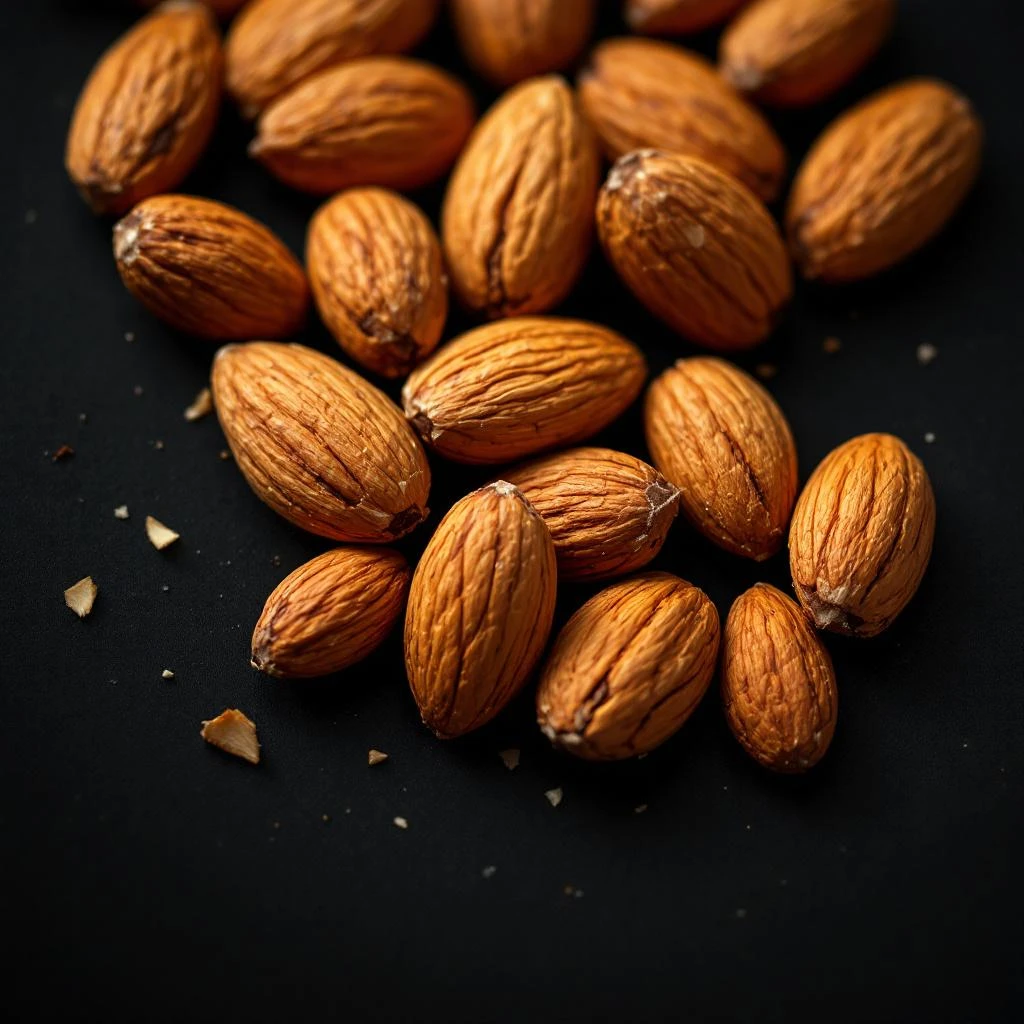
Roasted Bitter Almond
The roasted interpretation transforms bitter almond's sharp, cherry-kernel character into something warmer and deeper. Toasted pyrazines and caramelized furans add rich, almost smoky complexity that lingers beautifully on the skin.

Character
How it smells
Warm bitterness with toasted depth.
Benzaldehyde gives both bitter almonds and fresh cherries their characteristic kernel scent, yet the roasting process creates entirely new aromatic compounds called pyrazines.
Pairs beautifully with





Origin
Morocco
Bitter almonds have been gathered and cultivated across the Mediterranean since antiquity, though their toxicity long limited their use. Ancient Egyptians incorporated bitter almond-scented preparations into cosmetics and ceremonial contexts.
The distinction between sweet and bitter varieties became understood through selective cultivation, with the recessive bitter gene making domestication straightforward once identified. By the medieval period, apothecaries valued bitter almond preparations for their aromatic intensity despite the required careful handling around hydrogen cyanide content.
The development of steam distillation in the 18th century transformed its perfumery potential, allowing safe extraction of benzaldehyde-rich oils. Today, roasted bitter almond appears across fine fragrances as a bridge note, lending warmth and an almost edible quality that connects top and heart notes seamlessly.
Wears it best
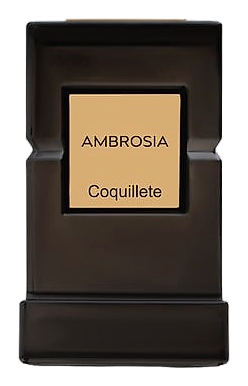
Fragrances featuring Roasted Bitter Almond
Brands
Brands known for Roasted Bitter Almond
Good to know
Questions, answered
The essentials on Roasted Bitter Almond in perfumery: how it smells, where it comes from, and how it behaves on skin.
What makes roasted bitter almond different from regular bitter almond in perfumery?
Heat application during processing generates pyrazines and furans absent in raw bitter almond. These compounds create warm, toasted, slightly smoky nuances that add depth and complexity rather than the sharp, cherry-kernel character of unroasted material.
Is natural roasted bitter almond oil commonly used in perfumery?
Natural bitter almond oil is rarely produced due to toxicity concerns and cost. Most perfumers work with synthetic benzaldehyde enhanced with nature-identical roasted compounds, which provides consistent quality and removes handling hazards.
What family of fragrance compounds creates the roasted character?
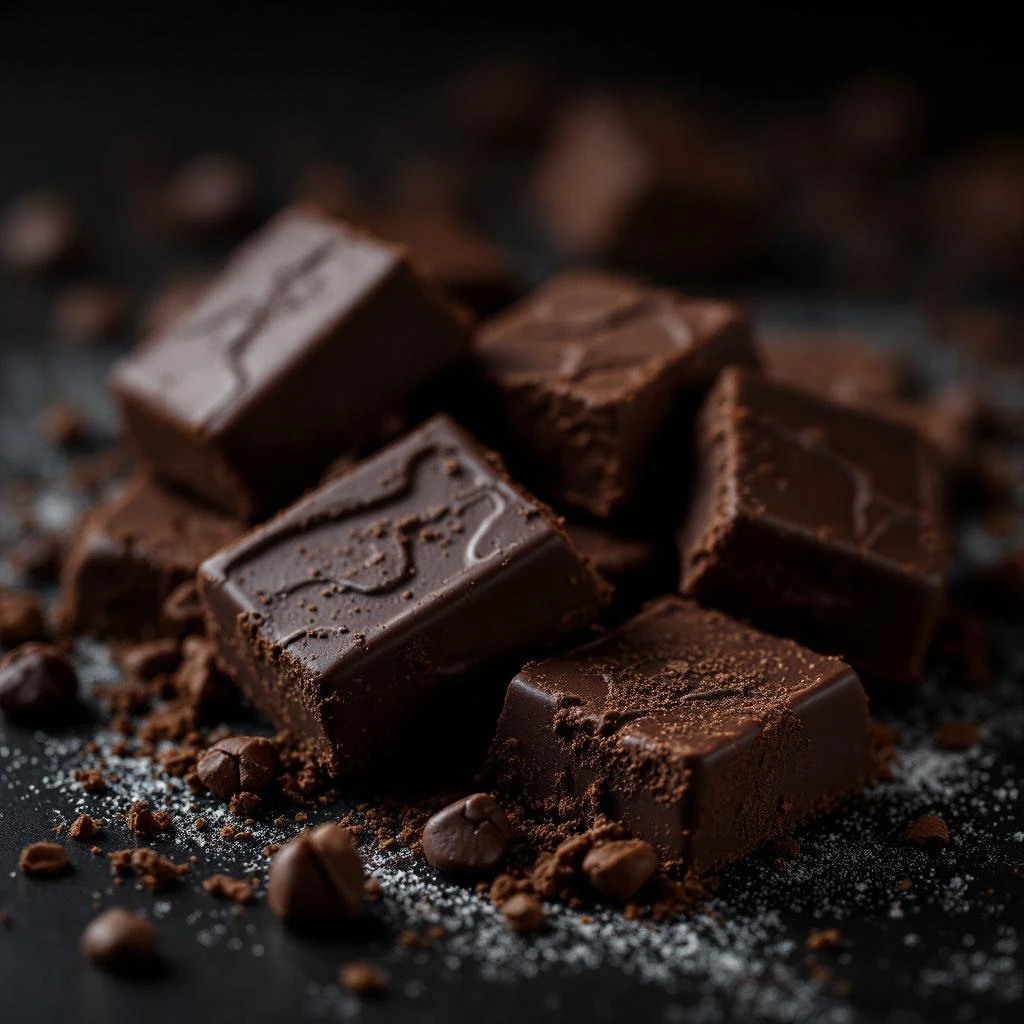
Pyrazines, specifically alkyl pyrazines, generate the characteristic roasted, nutty aroma. These same compounds appear in roasted coffee, toasted nuts, and cocoa, explaining why roasted bitter almond often reads as almost edible in fragrance.
How does roasted bitter almond behave as a fragrance note?
It functions as a warm bridge note, typically appearing in the heart of a fragrance and lasting through the dry-down. Its moderate volatility ensures it connects brighter top notes with deeper base materials without overwhelming the composition.
Why was bitter almond historically difficult to use in perfumery?
Raw bitter almonds contain amygdalin, which releases hydrogen cyanide when processed. Steam distillation removes this compound, yielding the prussic acid-free benzaldehyde now standard in perfumery, making safe handling possible.
What aromas does roasted bitter almond combine with well?
It pairs naturally with other nuttiness like hazelnut and pistachio, warm spices such as cinnamon and clove, and creamy bases including vanillin. It also bridges floral and oriental fragrance families effectively.
Does roasted bitter almond smell more bitter than sweet almond?
The roasted process actually softens the sharp bitterness of raw bitter almond while introducing sweeter, warmer facets from furfural and furans. The result balances bitterness with caramel-like depth rather than pure astringent character.
What is the primary aromatic compound in bitter almond oil?
Benzaldehyde comprises approximately 75 percent of distilled bitter almond oil after prussic acid removal. This compound provides the characteristic cherry-kernel, almond-blank fragrance that defines the note before roasting introduces additional complexity.