White Honey
White honey in perfumery evokes the warm, golden sweetness of honeycomb—a viscous, slightly animalic note that softens floral bouquets and adds depth to oriental compositions. Modern perfumers layer beeswax absolute with synthetic molecules like phenylacetic acid to achieve this characteristic nectar scent.
Character
How it smells
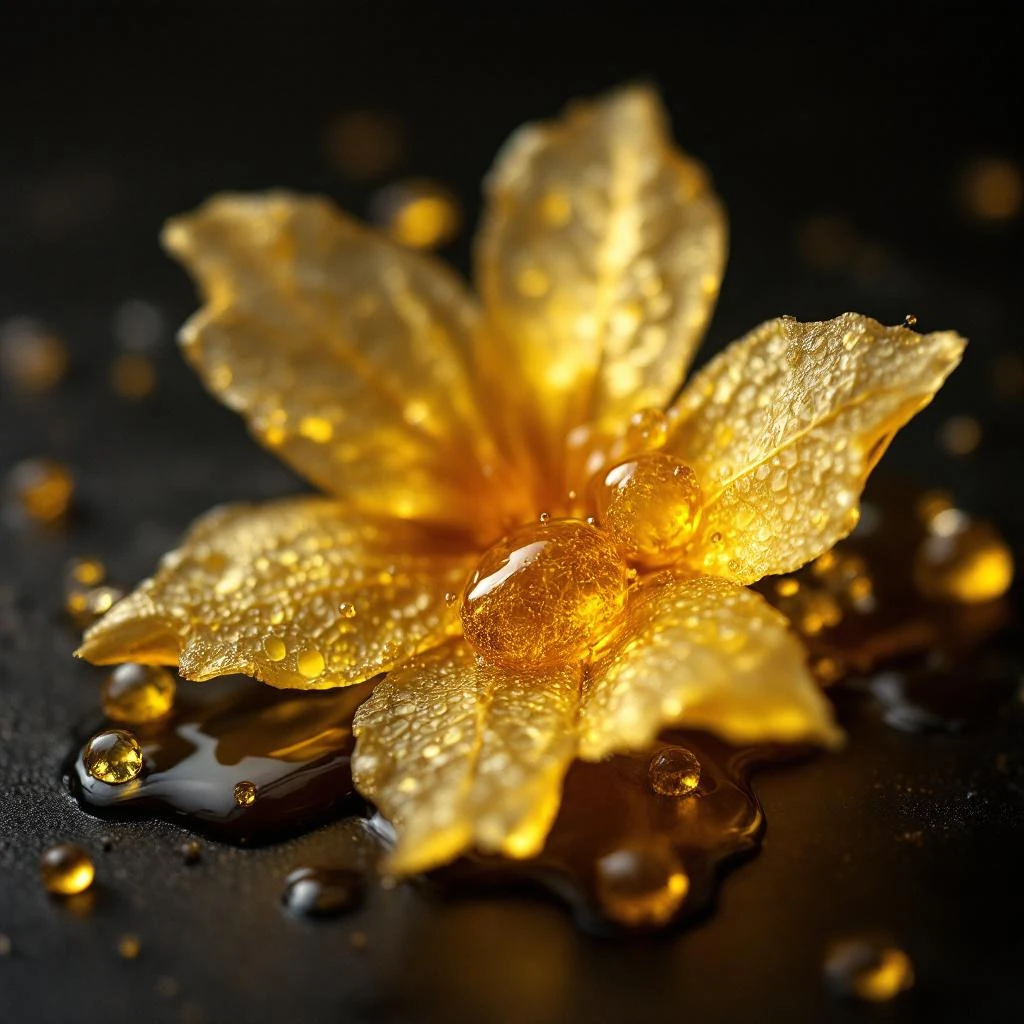
Golden sweetness with a warm, waxy depth.
Ancient Egyptians used honey in sacred unguents, believing its golden essence held divine properties for both the living and the dead.









Origin
France
The relationship between humans and honey spans prehistoric times, with cave paintings depicting honey gathering dating back over 8,000 years. Ancient civilizations across Egypt, Greece, and Rome prized honey not only as food but as a sacred material for unguents and perfumes. Egyptian priests incorporated honey-based preparations into religious rituals, while Greek physicians documented its aromatic applications.
Honeyed notes entered modern perfumery during the 19th century's chemical revolution. As beekeeping became systematized and chemists developed new extraction techniques, perfumers gained access to refined beeswax materials. The founding of ingredient houses like Haarmann & Reimer in 1874 accelerated the shift toward synthetic honey compounds. Today, nearly all commercial fragrances rely on laboratory-created honey molecules rather than natural beeswax absolute, making this ancient ingredient both accessible and sustainable.
Wears it best
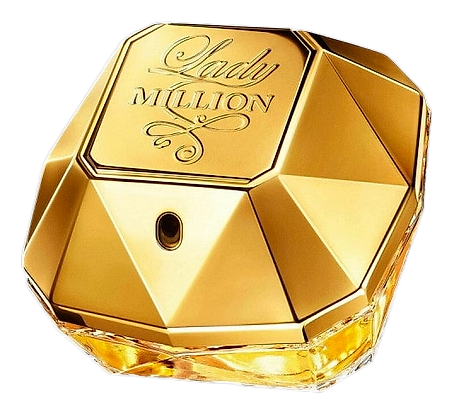
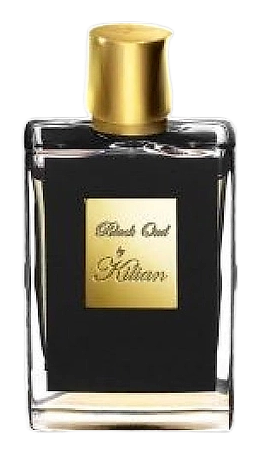
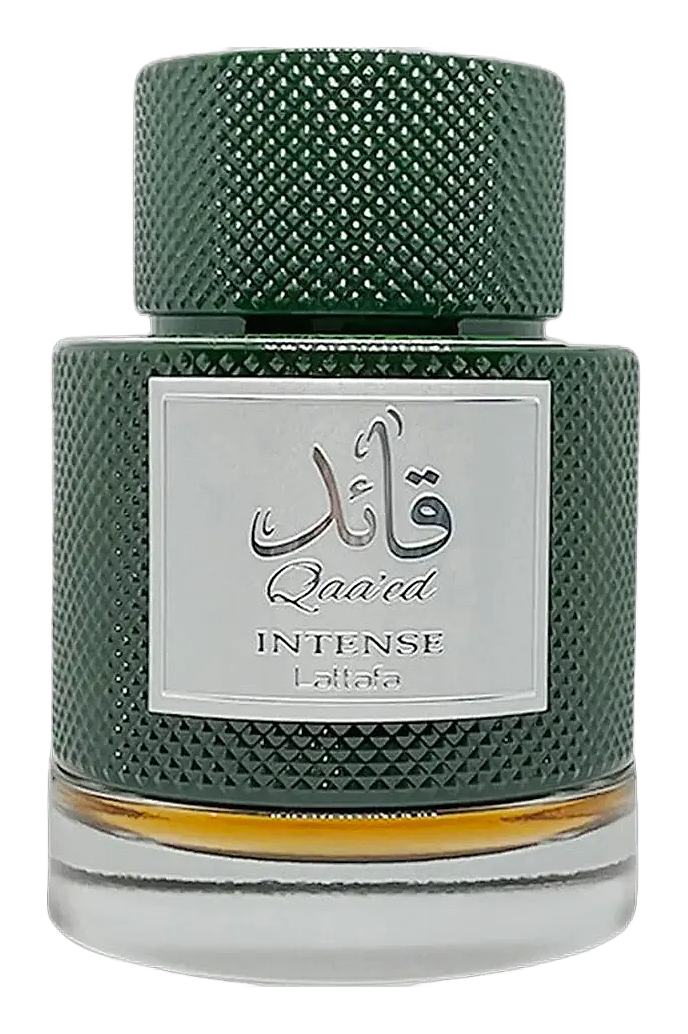
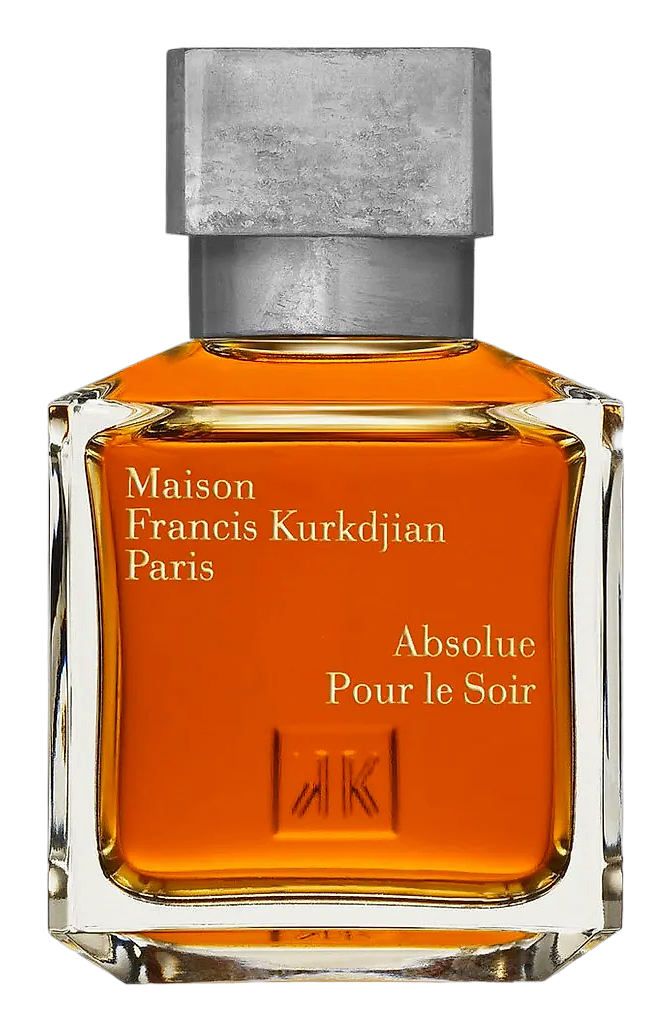
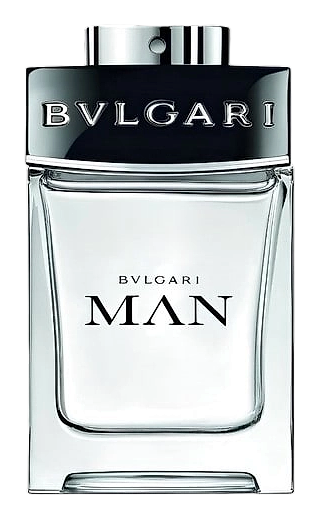
Fragrances featuring White Honey


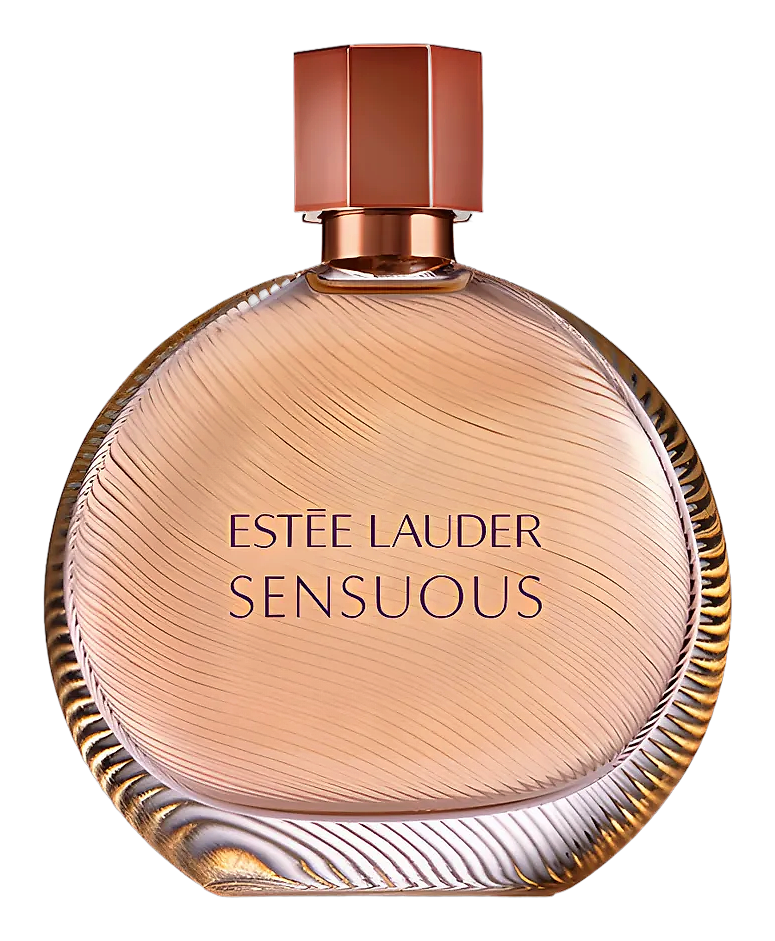
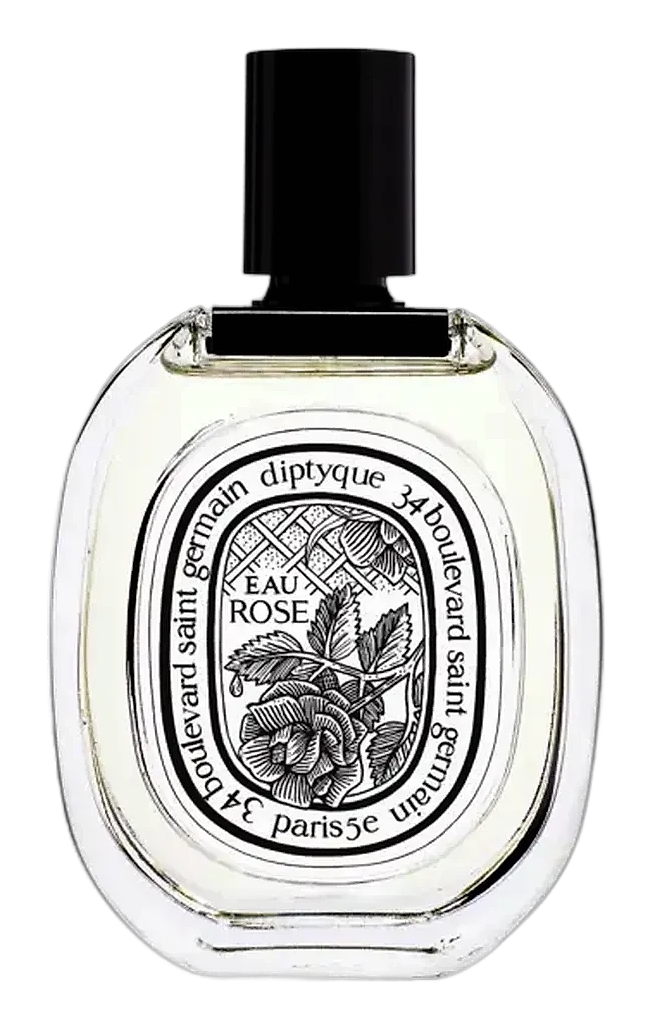

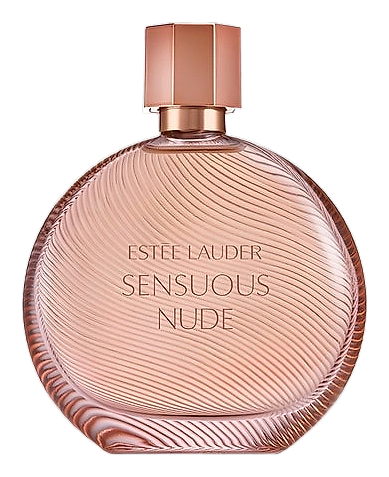
Brands
Brands known for White Honey
Good to know
Questions, answered
The essentials on White Honey in perfumery: how it smells, where it comes from, and how it behaves on skin.
How is white honey produced for perfumery?
Modern perfumery primarily uses synthetic molecules like phenylacetic acid to recreate white honey's sweet, warm character. Natural beeswax absolute exists but carries challenges—a raw, animalic quality that can overwhelm compositions if not carefully balanced.
What does white honey smell like?
White honey reads as warm, gourmand, and slightly waxy with subtle animalic undertones. It combines sweet nectar qualities with dusty beeswax facets, adding a comforting warmth that anchors lighter floral notes.
Which fragrance families pair well with white honey?
White honey softens and enriches oriental and chypre compositions with animal warmth. It also deepens floral bouquets, adding sweetness without the heaviness of vanilla or caramel in gourmand fragrances.
Is natural beeswax absolute still used in perfumery?
Natural beeswax absolute sees limited use due to its difficulty to work with—the raw, animalic scent can become too pronounced, and ingredient cost remains significantly higher than synthetic alternatives.
What role does white honey play in fragrance construction?
White honey rarely serves as a protagonist in perfumery. Instead, it acts as a bridging material, softening harsh edges in floral bouquets and adding sensual warmth to oriental and chypre bases.
When did honey notes become common in modern perfumery?
Honeyed notes gained prominence in the 19th century as beekeeping became systematic and extraction techniques improved, aligning with perfumery's modernization driven by changing tastes and advancing chemistry.
Why do synthetic honey molecules dominate today's market?
Synthetic alternatives like phenylacetic acid offer consistency, sustainability, and ethical production without sacrificing honey's characteristic scent profile, making them preferable to variable natural extracts.
Can white honey appear in any fragrance family?
White honey's versatility allows it to appear across nearly all fragrance families, from fresh florals to deep orientals, primarily as a supporting note that adds warmth and gourmand softness to compositions.