The Story
Why it exists.
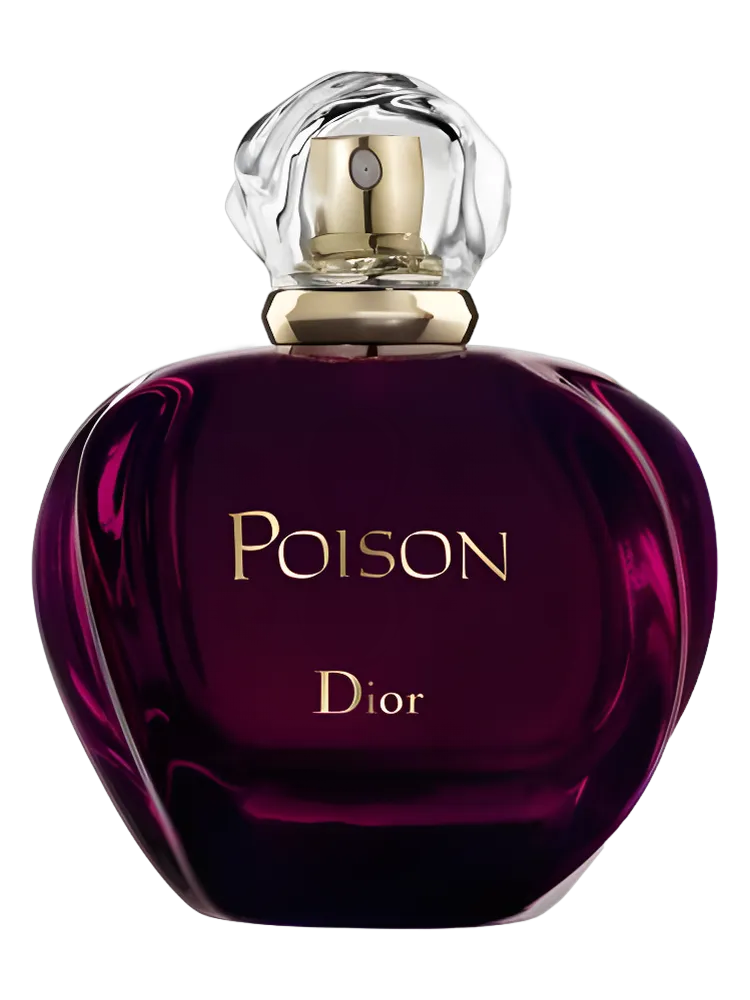
In 1985, perfumer Edouard Fléchier composed Poison. The name was a provocation: not a subtle hint at danger, but the actual thing. Fléchier built the composition around an overload of white florals, tuberose at the center, jasmine, orange blossom, rose, backed by an oriental base of vanilla and amber. The fragrance is unapologetically intense, generous in its dosing, rich and sweet and impossible to ignore.
If this were a song
Community picks
And I Love Her
Tina Sinatra
The Beginning
In 1985, perfumer Edouard Fléchier composed Poison. The name was a provocation: not a subtle hint at danger, but the actual thing. Fléchier built the composition around an overload of white florals, tuberose at the center, jasmine, orange blossom, rose, backed by an oriental base of vanilla and amber. The fragrance is unapologetically intense, generous in its dosing, rich and sweet and impossible to ignore.
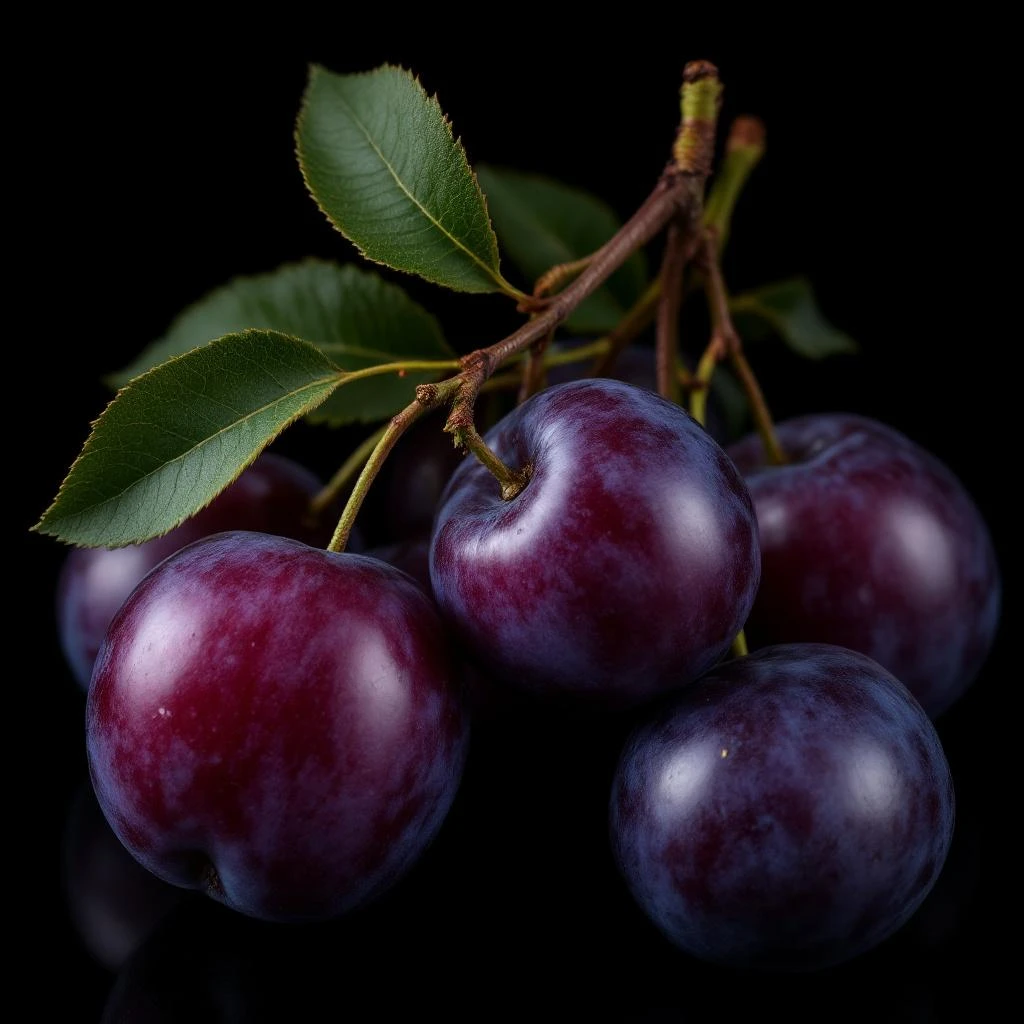
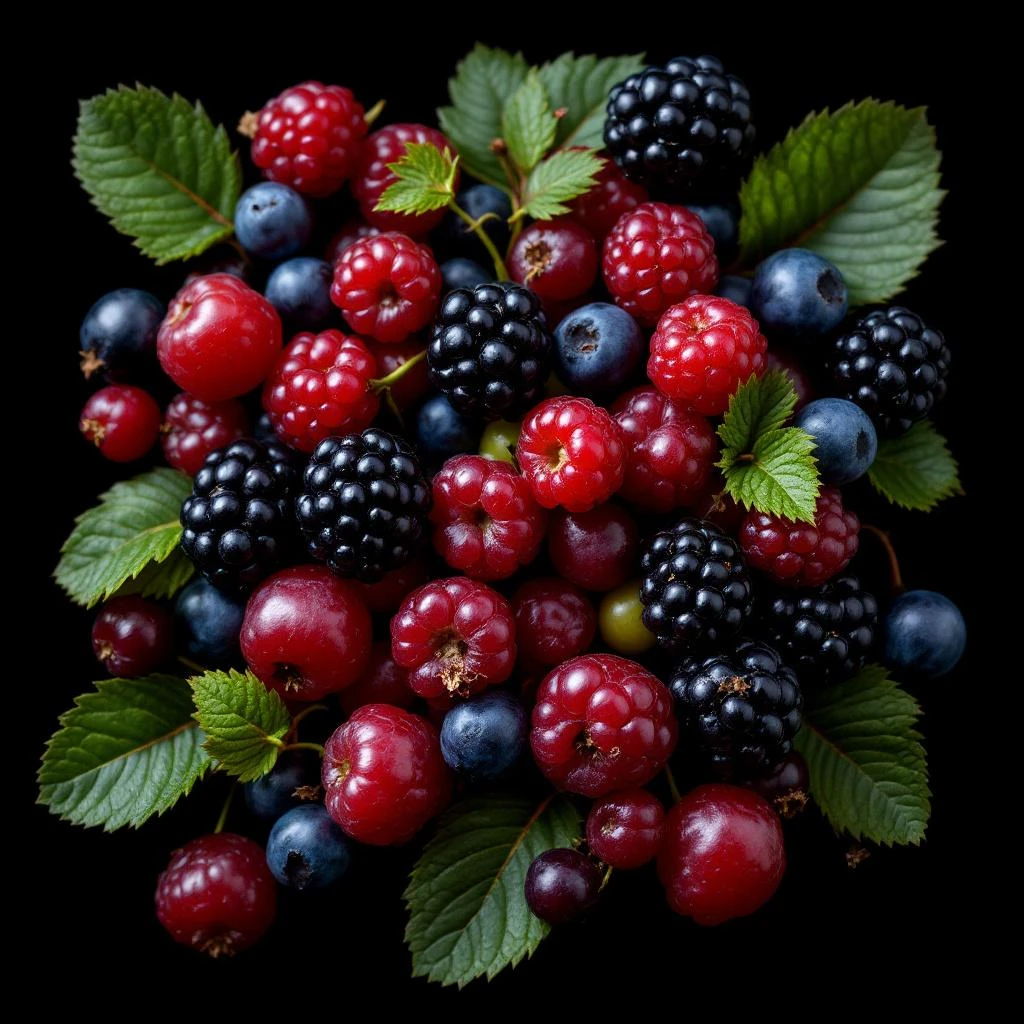
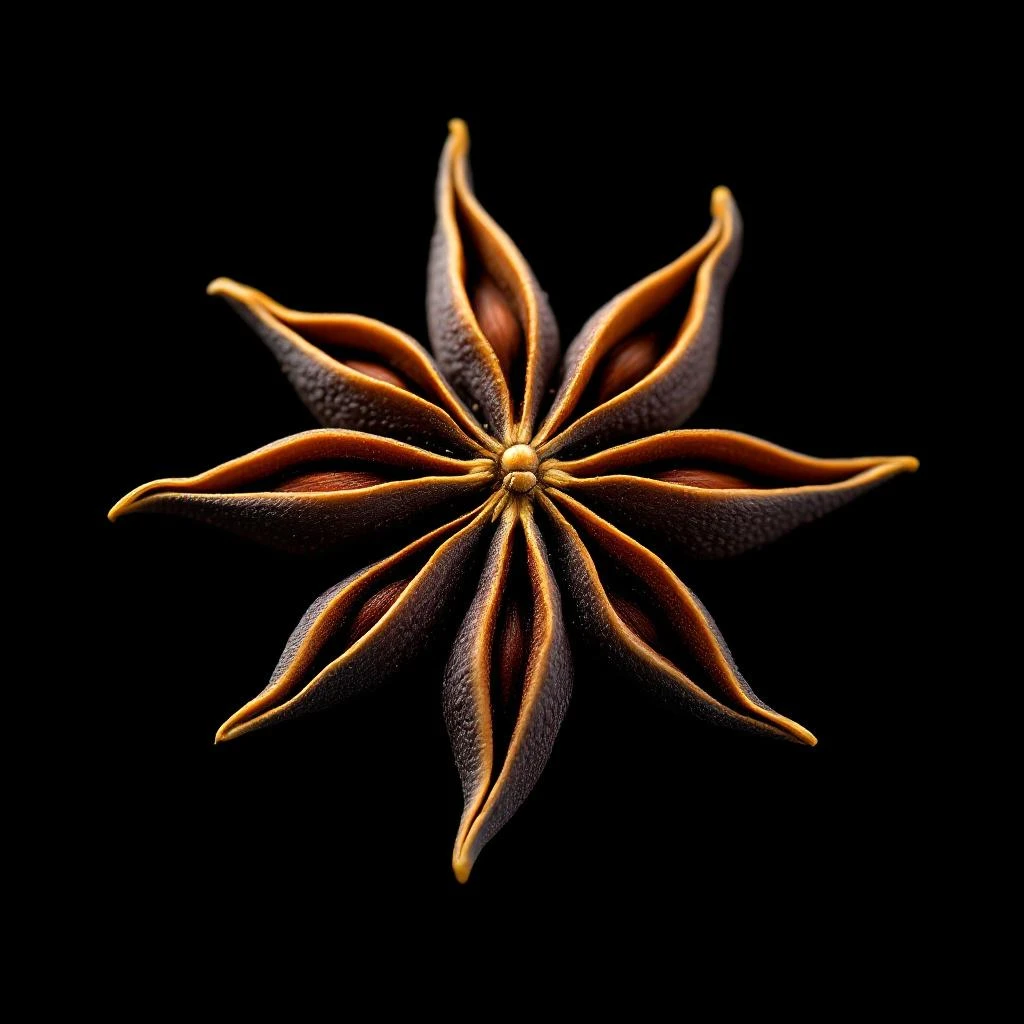
What makes Poison structurally unusual is the contrast between its top and base. The opening is almost confectionery, plum and wild berries with aniseed's herbal lift, while the drydown is warm, balsamic, and intimate. Most fragrances smooth this transition. Poison lets it cliff. The tuberose at its heart is dosed generously, giving the fragrance its notorious 'nuclear' character. White honey amplifies the florals. Incense and myrrh darken them. The combination creates something that reads differently depending on how long you've been wearing it, sweet from outside, complex from within. That's the alchemy. Not balance. Tension that holds.
The Evolution
The first twenty minutes announce themselves loudly. Plum and wild berries hit the room before you've fully sprayed, sweet and almost candied. Aniseed follows, green and sharp, creating an unexpected counterpoint. Coriander adds an herbal edge that keeps the sweetness from becoming syrupy. At thirty minutes, the florals take over and everything changes. Tuberose doesn't ease in, it detonates. Jasmine joins. Orange blossom. The air smells like flowers that don't know they're flowers. Honey thickens the whole affair. By the second hour, the incense and myrrh appear, cool, smoky, almost mineral against the warmth of everything before. This phase can feel like two different fragrances arguing. Into hours three and four, the orientals settle. Vanilla emerges, creamy and warm. Heliotrope adds an almond-like nuance. The woody base, sandalwood, cedar, vetiver, grounds everything, pulling the composition downward toward skin. The final hours are intimate, warm, powdery in places. Musk and vanilla. Close-warm.
Cultural Impact
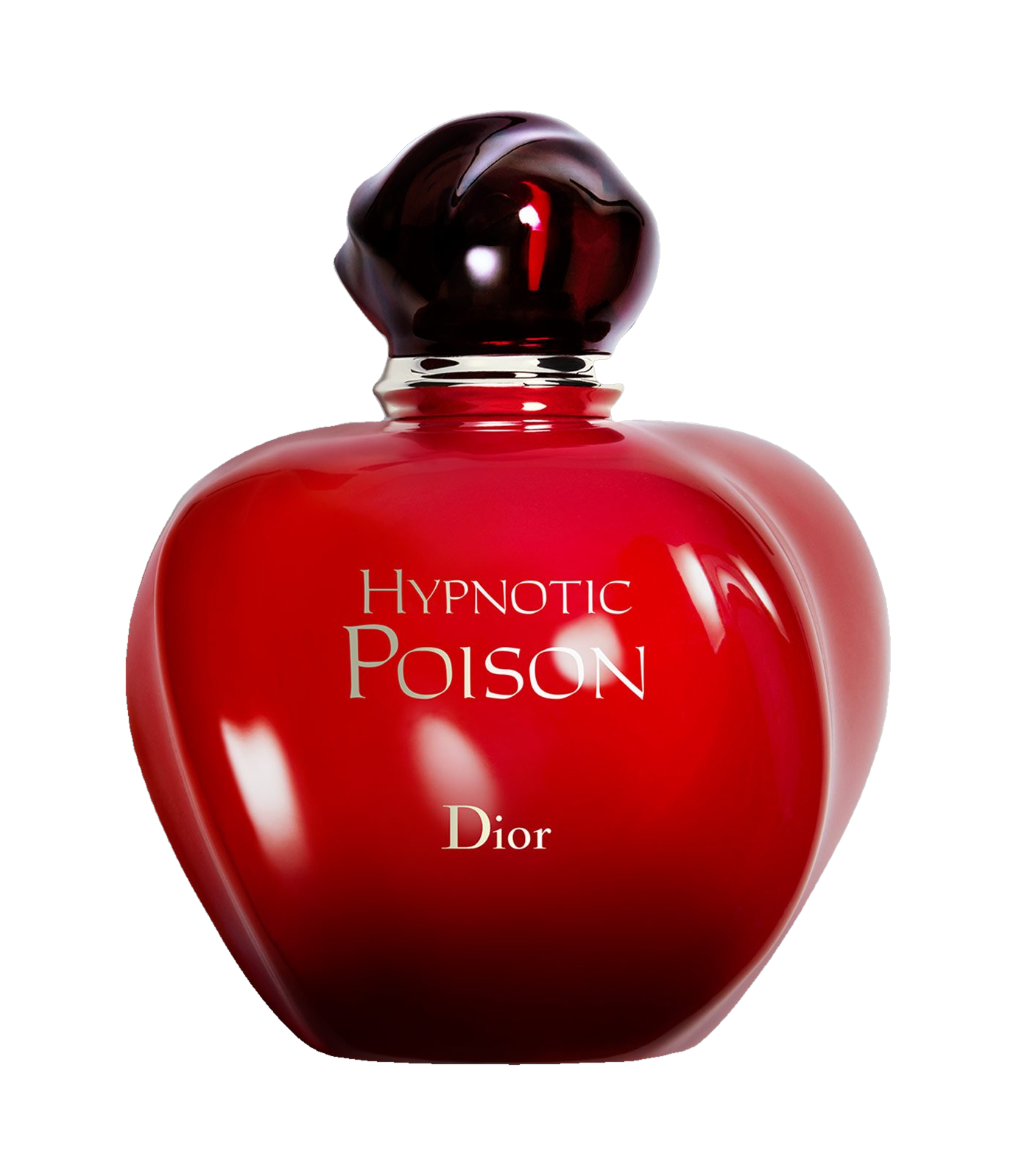
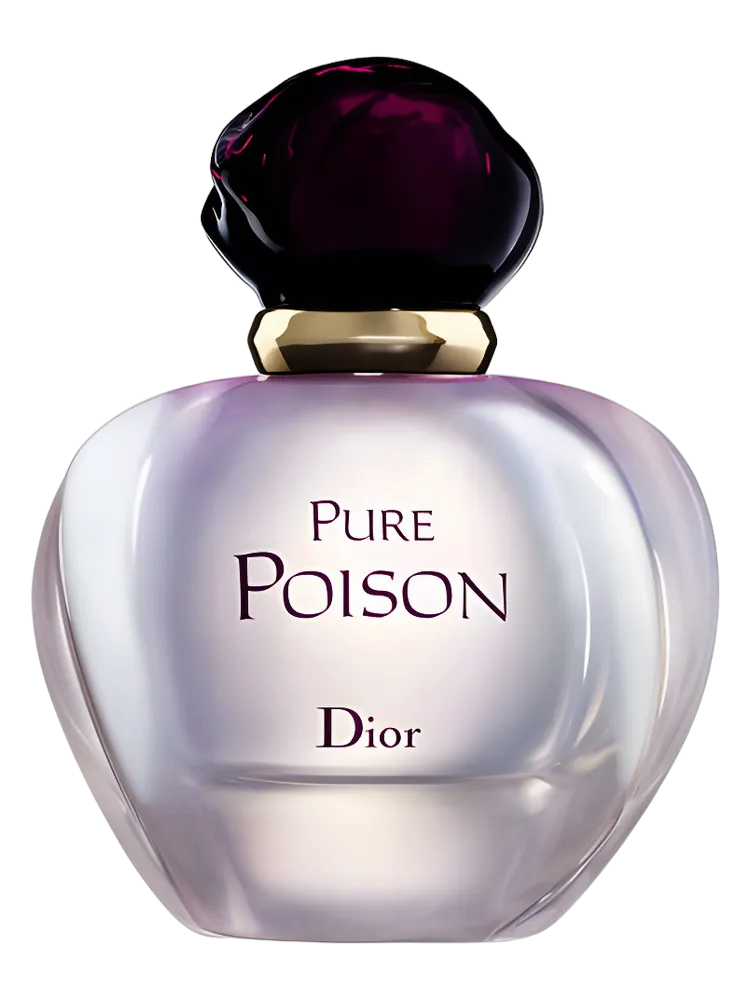
Poison arrived in 1985 and became a reference point for what a powerful fragrance could be. It won the FiFi Award in 1987 for Women's Fragrance of the Year, Luxe. The fragrance polarizes: those who love it describe it as the scent of someone who doesn't need approval; those who don't often cite the intensity as overwhelming. What no one disputes is that Poison announced itself. The house followed with Poison Elixir, Pure Poison, and Hypnotic Poison, each building on the original's confrontational DNA.
The House
France · Est. 1946
Christian Dior launched his first fragrance, Miss Dior, the same year he showed the revolutionary New Look in 1947. The house has since built one of the most comprehensive luxury fragrance portfolios in existence, from the masculine reinvention of Sauvage to the couture exclusivity of La Collection Privée. Under perfumer François Demachy, Dior balances mainstream appeal with genuine artistry.
If this were a song
Community picks
Poison sounds like 2 AM in a room where everyone is slightly too warm. Deep, enveloping, with a sweetness that cuts through smoke and conversation. The mood playlist leans into late-night sensuality, jazz with breath, bossa nova with weight, slow-building electronic that mirrors the fragrance's arc from immediate impact to intimate drydown. Think smoke machines and no windows. Think proximity. Think the hour when everyone stops pretending.
And I Love Her
Tina Sinatra