The Story
Why it exists.
The beginning
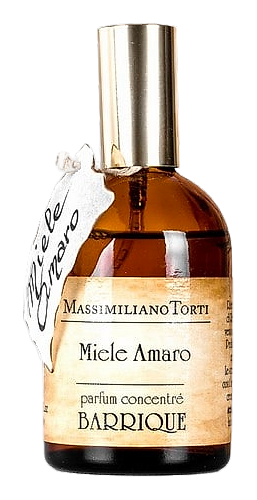
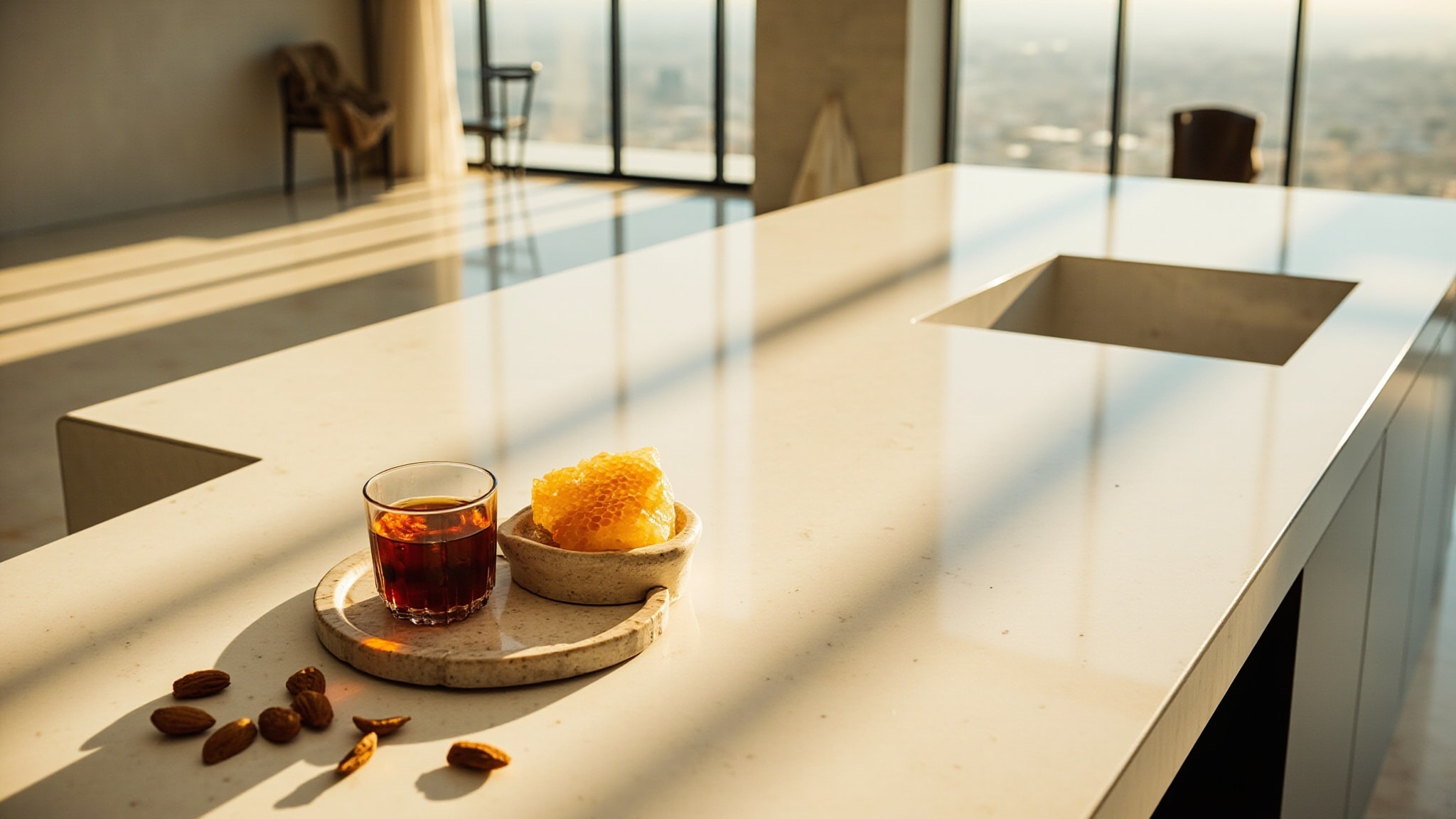
Miele Amaro arrived in 2007 from Italian nose Massimiliano Torti. The name says everything: miele (honey) and amaro (bitter), a fragrance built on the tension between them. Torti reached for honey and vanilla as the foundation, creating a sweet base that anchors the composition. The interplay between these two elements forms the core of the scent, with the bitter aspect providing counterweight to the warmth and sweetness. What results is a fragrance that balances opposing qualities without resolving them into something predictable or overly familiar.
What makes Miele Amaro interesting is its structural honesty. The honey note doesn't float above the composition, it anchors it, working alongside benzoin and white musk to create a base that feels both warm and grounded. The Turkish rose in the top notes provides a brief floral moment before the gourmand elements take over, while tonka bean and caramel add depth that reads as edible without tipping into synthetic. This is sweet complexity: the kind of fragrance that rewards wearing rather than just smelling.
The evolution
The opening is immediate: almond and vanilla arrive together, soft and sweet, with a brief floral lift from Turkish rose. There's no harsh top, Miele Amaro doesn't do citrus sharpness or opening drama. Instead, it starts already warm, already intimate. Within twenty minutes, the caramel emerges and the honey deepens, becoming less floral and more resinous. The heart phase lasts longest on skin, a warm, sweet, slightly bitter middle that feels like it's emanating from skin rather than sitting on top of it. By hour four, the drydown arrives: benzoin and white musk hold the sweetness close, vanilla lingers. The honey settles into something deeper and more contemplative as the other notes gradually recede, leaving the skin with a warm, enveloping sweetness that feels both comforting and complex. On skin, it stays close and personal, a presence that rewards those who lean in.
Cultural impact
Gourmand fragrances have long been associated with accessible sweetness, combinations that aim for immediate likeability. Miele Amaro takes a different approach: sweet enough to satisfy, bitter enough to have an opinion. The name itself was a statement, inviting wearers to expect complexity rather than comfort alone. It has remained in production since 2007, suggesting that something in its balance resonates with those who discover it.