The Story
Why it exists.
The beginning
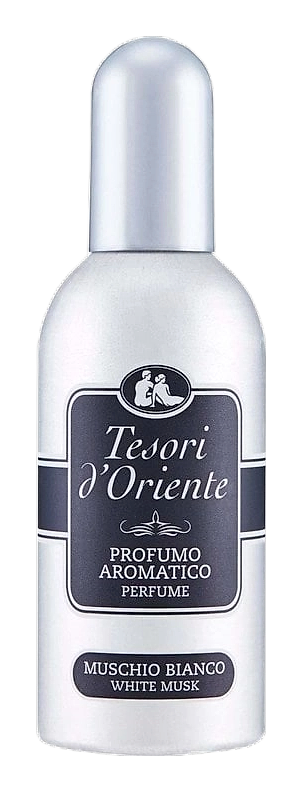
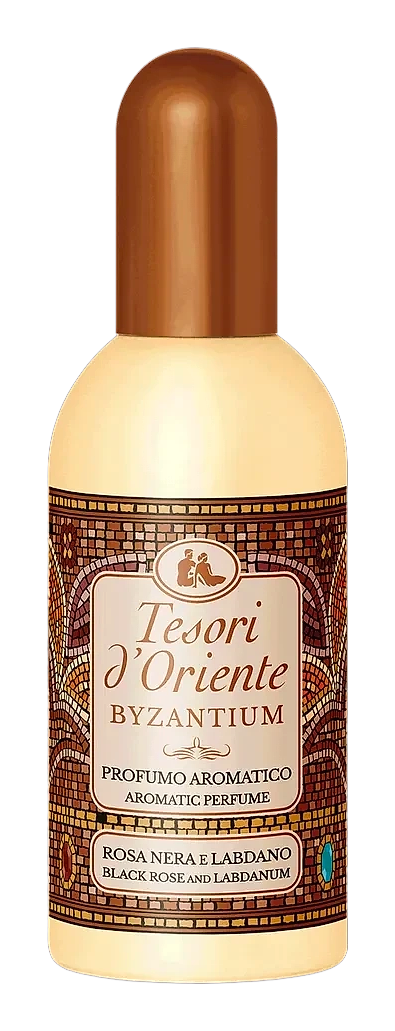
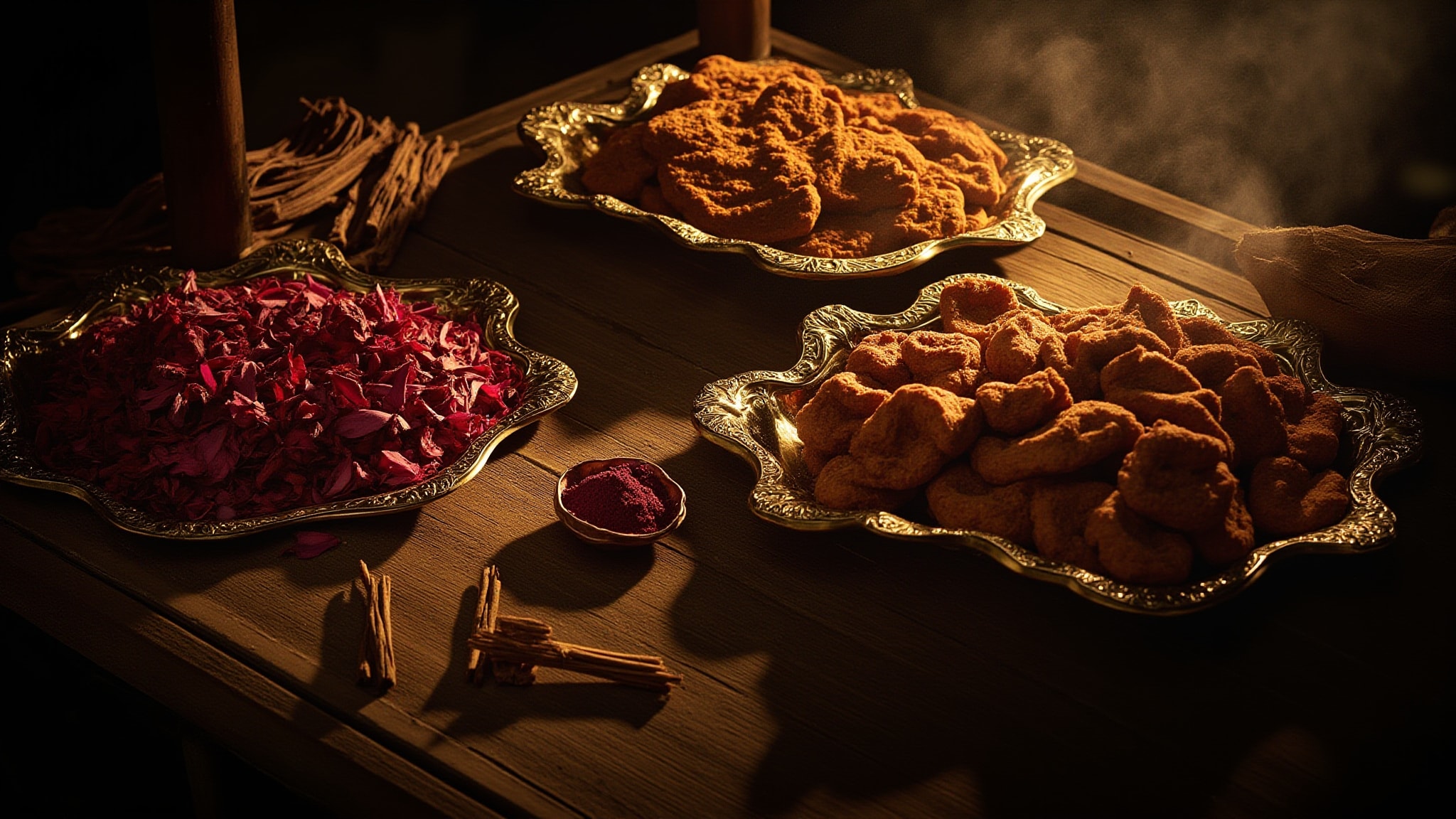
The name says everything. Byzantium, Constantinople, Istanbul. A city that sat at the intersection of continents for over a thousand years. Imperial courts dripping in gold mosaics and rare incense. Tesori d'Oriente imagined what that opulence would smell like if you could bottle it: palaces filled with resinous smoke, rose gardens in full bloom, and sweet pastries dusted with spice. The brand, part of the Sodalis Group and rooted in accessible Italian craftsmanship, took the grandeur of that era and distilled it into something wearable.
The note choices reflect a deliberate philosophy: sweet and bitter in balance. Almond and vanilla represent the sweetness of Ottoman confectionery, while cinnamon, cocoa, and oud bring the bitter and smoky facets of incense and spice trade goods. Heliotrope and black rose provide the floral imagery of palace gardens. Mimosa bridges the warmth of the top with the creaminess of the heart, and white musk keeps the drydown from becoming heavy. Pairing options include anything with amber, benzoin, or saffron to amplify the warm facets.
The evolution
The fragrance begins with almond and cinnamon, an opening that evokes the sweet pastries and spice markets of the old city. Mimosa adds a powdery softness that keeps it elegant rather than heavy. As the top notes fade, heliotrope and black rose take over, with honey weaving between them to create a rich floral heart that feels both romantic and historical. The drydown shifts decisively: vanilla and white musk form a clean foundation, cocoa adds depth, and the combination of labdanum, Peru balsam, and oud delivers a smoky, resinous finish that lingers on skin for hours.
Cultural impact
Byzantium draws on a legacy of Byzantine imperial opulence and Mediterranean aromatic traditions, reflecting a broader cultural interest in eastern aesthetics and ancient trade routes. The fragrance's presence in mass-market retail makes oriential perfumery accessible to a wider audience. Its positioning alongside other accessible Gourmand Oriental fragrances situates it within a recognizable category of warmer, more composed scents. The use of mimosa, an ingredient more common in French perfumery than in Italian mass-market lines, adds an unexpected dimension that sets this fragrance apart from typical regional offerings.