Cocoa
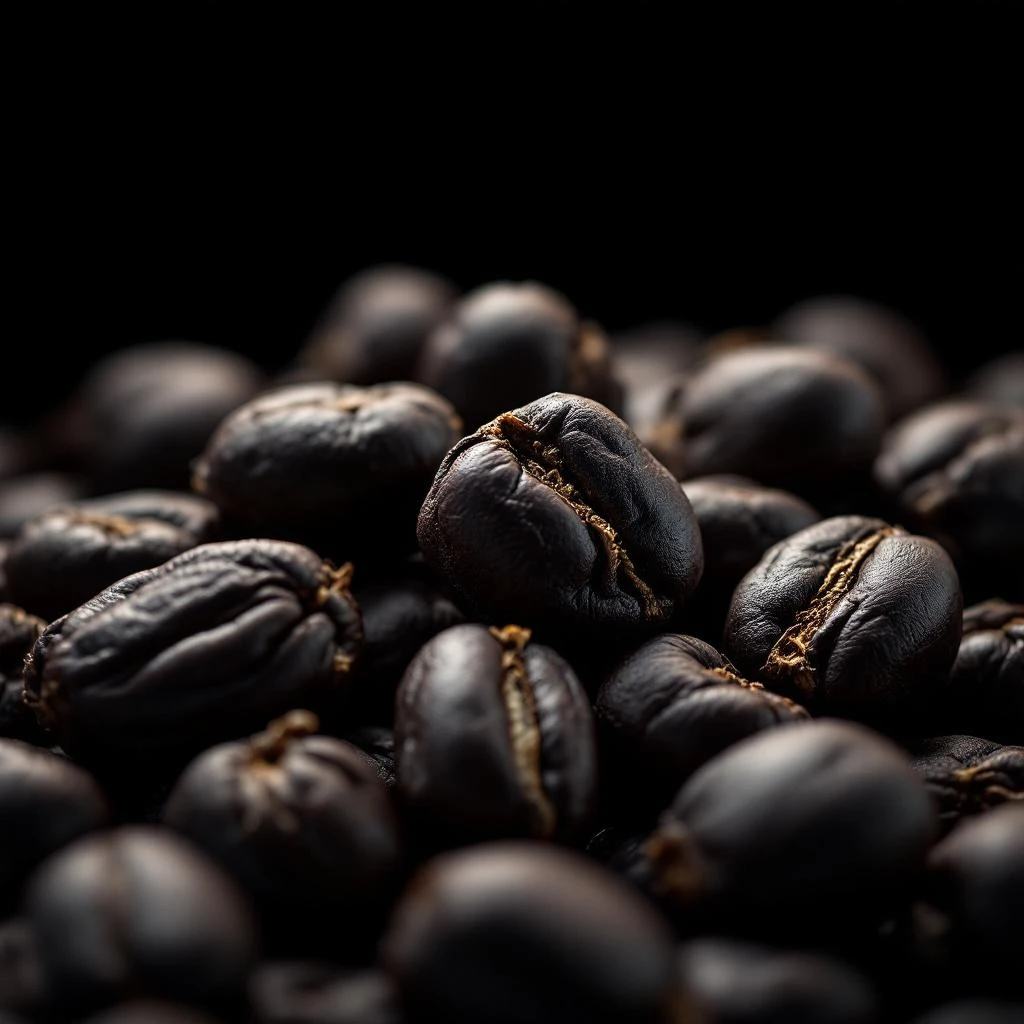
Roasted cacao beans reveal a warm, bittersweet aroma layered with dry woody undertones and a whisper of dark fruit. Cocoa absolute brings edible depth to gourmand, oriental, and chypre compositions.

Character
How it smells
Bittersweet warmth straight from the bean
Cocoa was first consumed as a beverage by the Olmec civilization as early as 1500 BCE, centuries before it ever scented a perfume.








Origin
Mexico
The cacao tree, native to the tropical lowlands of Central and South America, has been cultivated for over 3,000 years. The Olmec, Maya, and Aztec civilizations revered cacao as a sacred crop, consuming it as a frothy, spiced beverage long before the Spanish encountered it in the 16th century. Its path into perfumery, however, is remarkably recent compared to ancient materials like frankincense or rose.
François Coty, the early 20th-century French-Corsican perfumer credited with championing the use of absolutes in fine fragrance, helped popularize the solvent extraction techniques that made materials like cocoa accessible to the perfumer's organ. Until that point, cacao existed almost exclusively in the culinary and chocolate-making worlds. The late 20th century saw cocoa absolute gain traction in gourmand perfumery, a category that grew rapidly after Thierry Mugler's Angel in 1992 demonstrated how edible notes could anchor serious compositions.
Today, cocoa appears across niche and mainstream houses as a signature base note for warmth, comfort, and bittersweet sophistication.
Wears it best
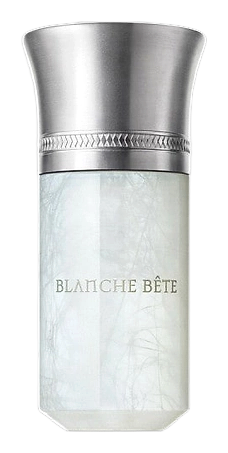
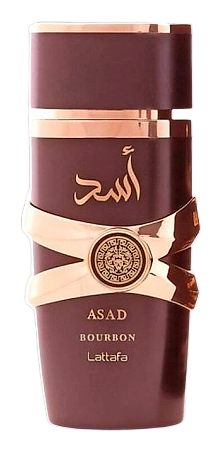
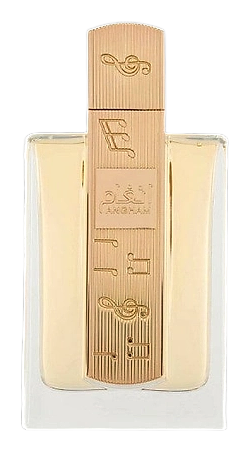
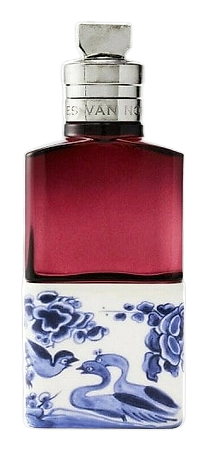
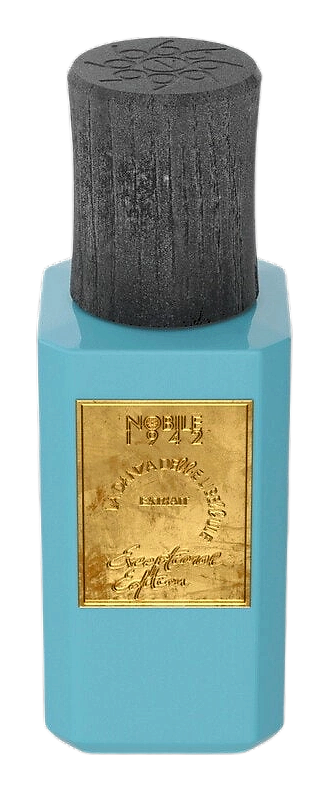
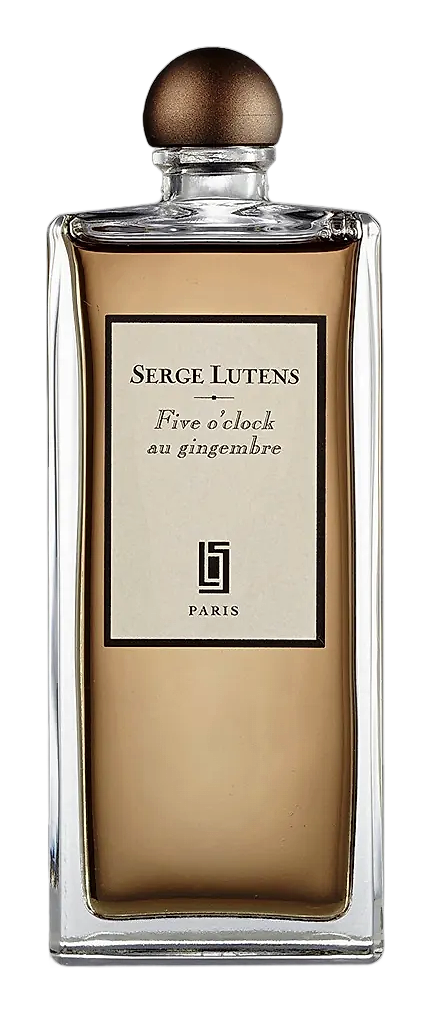
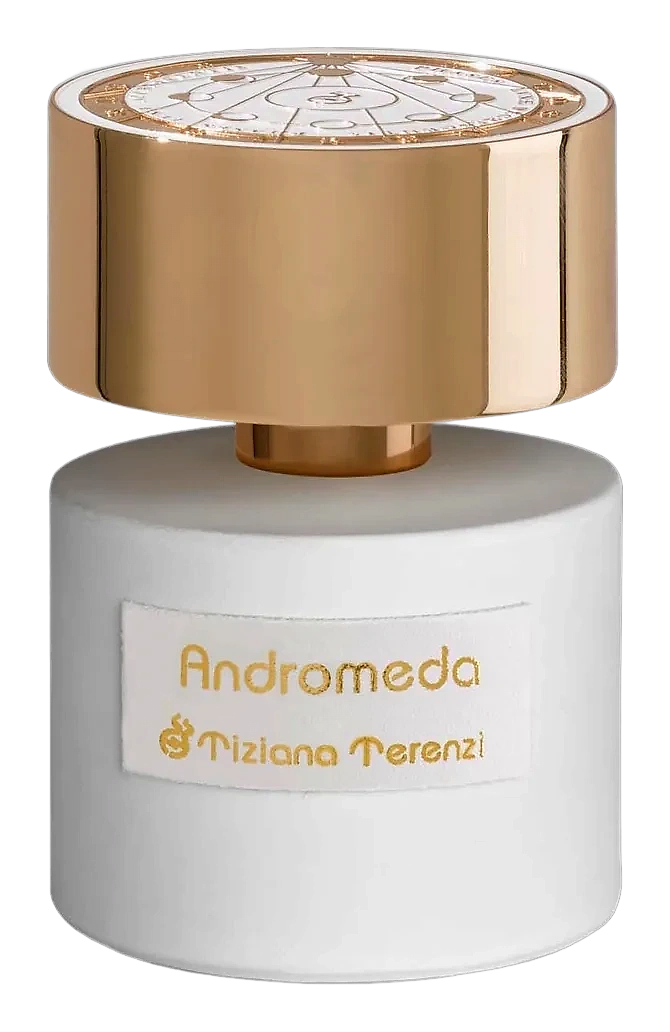
Fragrances featuring Cocoa

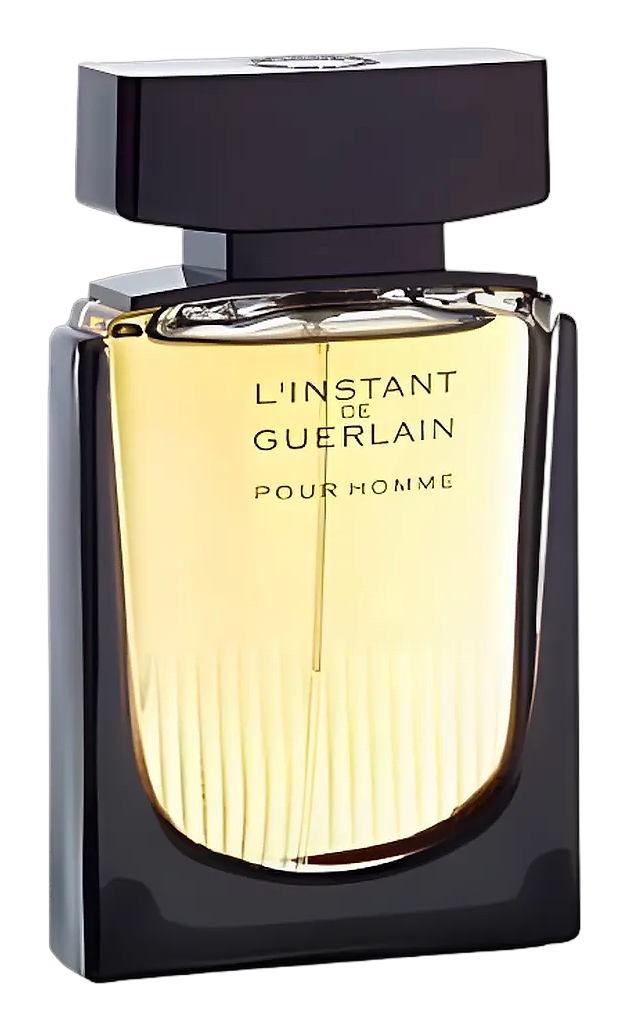
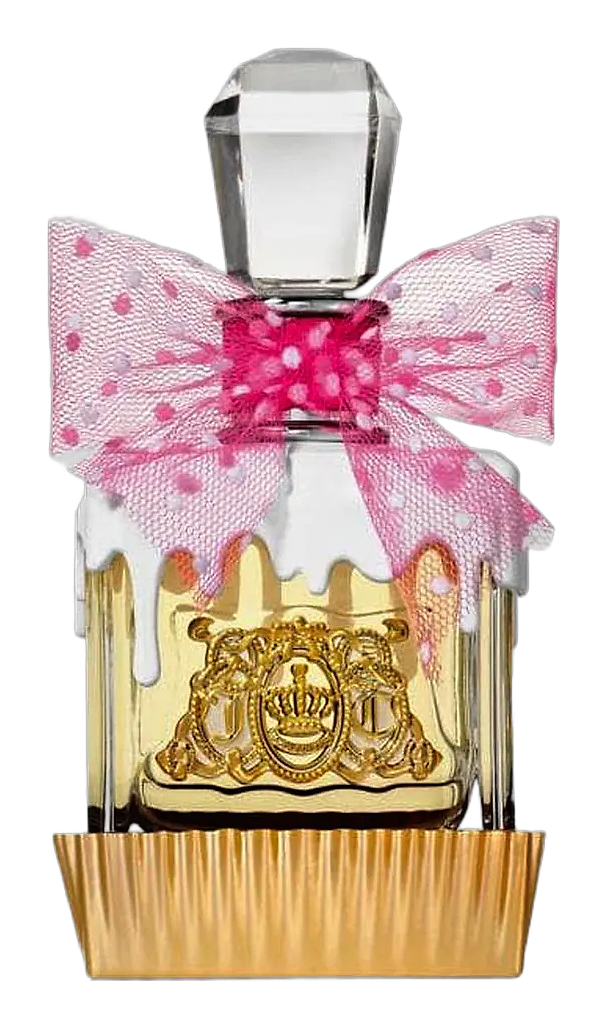
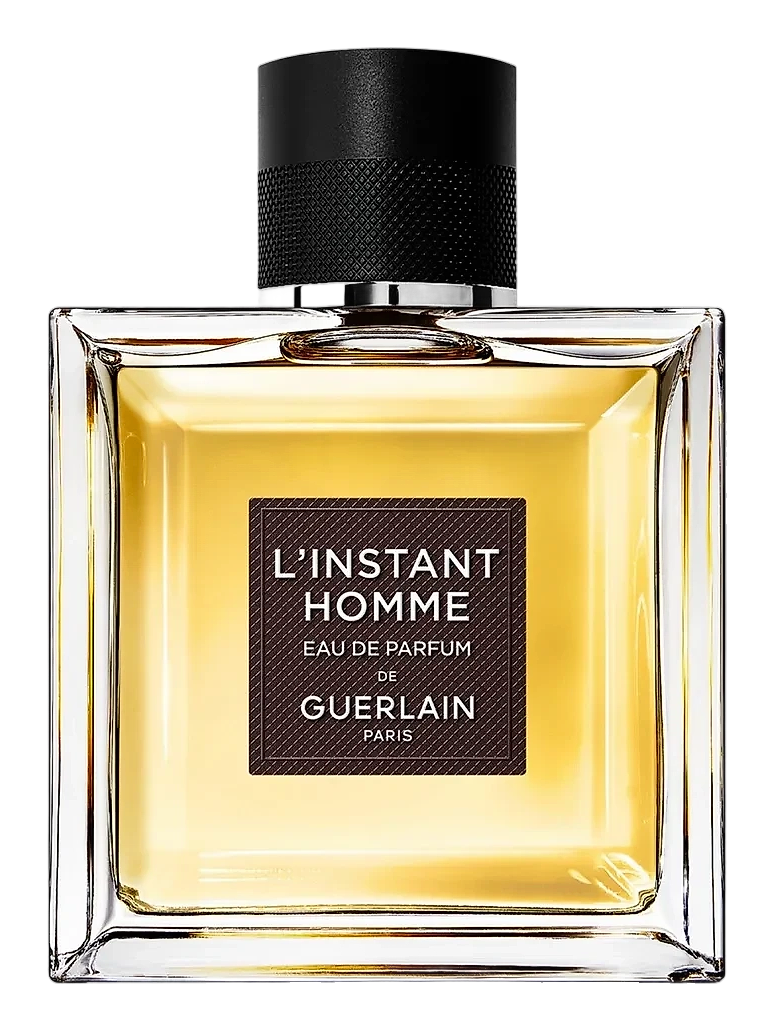

Brands
Brands known for Cocoa
Good to know
Questions, answered
The essentials on Cocoa in perfumery: how it smells, where it comes from, and how it behaves on skin.
What does cocoa smell like in perfume?
Cocoa absolute smells like rich dark chocolate with bitter, roasted, slightly woody undertones and subtle fruity edges. In a fragrance, it reads as warm and edible without veering into synthetic sweetness, anchoring base notes with edible sophistication.
How is cocoa absolute made?
Cocoa absolute is produced by solvent extraction of roasted, ground cacao beans using food-grade ethanol or hexane. The resulting concrete is washed with alcohol to yield a dense absolute carrying the true aroma of dark chocolate.
Is cocoa a base note in fragrance?
Yes, cocoa almost always appears as a base note. Its heavy molecular weight and low volatility give compositions lasting depth, typically lingering 6 to 10 hours on skin depending on concentration and supporting materials.
What types of perfumes use cocoa?
Cocoa anchors gourmand, oriental, and amber compositions. Thierry Mugler's Angel (1992) is widely credited with establishing cocoa as a serious perfumery material, and it now appears across both niche and commercial launches.
Where does cacao originally come from?
Cacao is native to the tropical lowlands of Central America. The Olmec civilization cultivated it as early as 1500 BCE in present-day Mexico, where it was consumed as a sacred beverage for centuries.
Is natural cocoa absolute expensive?
Cocoa absolute sits in the mid-to-upper price range for naturals. Yields from roasted beans are modest, and consistent quality requires careful bean selection and controlled roasting, factors that influence cost in finished compositions.
What's the difference between cocoa absolute and CO2 extract?
Solvent absolute retains the rich, roasted bitterness of processed chocolate, while CO2 extraction preserves more volatile top notes and yields a cleaner, slightly fresher profile. Both are legitimate perfumery materials with distinct character.
Does cocoa work well with other fragrance notes?
Cocoa pairs naturally with vanilla, tonka bean, patchouli, sandalwood, and warm spices like cinnamon and cardamom. Its bitter edge balances sweet gourmand compositions and adds depth to woody-oriental structures.