The Story
Why it exists.
The beginning
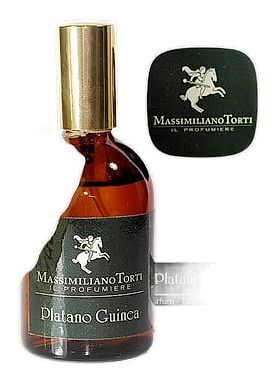
Platano Guinea arrived in 2018 from Massimiliano Torti at Il Profumiere, an Italian house that treats each fragrance as a map to somewhere specific. The name points directly at the ingredient, the Guineense variety of banana, larger and less common than its Cavendish cousin, with a deeper, almost floral sweetness. But naming a fragrance after an ingredient is also a dare. Will it smell like the thing, or like the idea of the thing? Torti chose the harder path: the idea.
Banana is notoriously difficult in perfumery. It oxidizes quickly, can go medicinal, can smell synthetic against skin chemistry. The solution isn't more banana, it's context. Here, caramel wraps the fruit in warmth. White flowers lift it away from anything too literal. Rose adds a quiet sophistication. The result isn't a banana fragrance. It's a fragrance that takes banana seriously as a material, then builds everything around it until the note becomes something you recognize not from the produce aisle but from memory, the feeling of something ripe, soft, and worth savoring.
The evolution
The opening hits with banana right away, but it's already softened, less fruit, more impression. Caramel slides in within minutes, pushing the sweetness toward something edible without going candy. The white flowers arrive next, tempering the gourmand edge with something cleaner, almost powdery. This middle phase is the longest stretch: warm, creamy, with a rose that keeps things grounded rather than floral. Then the base takes over. Vanilla and tonka bean carry the sweetness into the drydown, while white musk and woody notes settle the whole thing close to skin. The amber holds everything together. On fabric, it's still detectable the next morning, faint, sweet, like sleep-warm skin.
Cultural impact
Platano Guinea arrived in 2018 during a niche fragrance landscape where edible and gourmand notes had already been thoroughly explored. The composition challenged perfumery conventions by placing banana, an ingredient typically relegated to novelty or casual formulations, as the hero note in a sophisticated, designer-quality context. This positioning reflected a broader shift in niche perfumery toward celebrating everyday ingredients as worthy of artistic interpretation, rather than reserving complex notes for luxury formulations. The fragrance demonstrated that familiar, even mundane, olfactory concepts could support nuanced, layered compositions when handled with care.