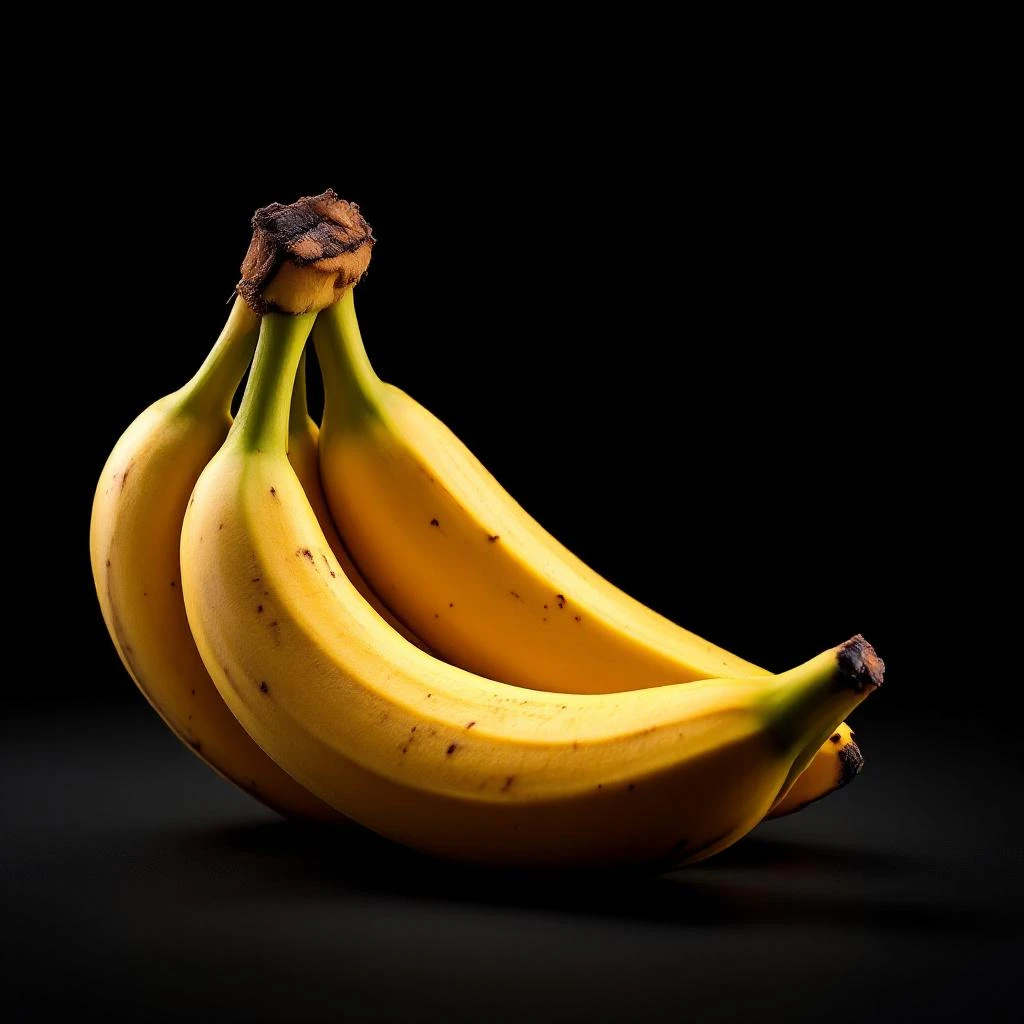
Banana
Banana in perfumery refers to isoamyl acetate, an ester that delivers the characteristic sweet, fruity banana character. While naturally present in ripe bananas, most fragrance use comes from synthetic production for consistency and cost efficiency. It adds playful tropical warmth to fruity and gourmand compositions, though it rarely stars as a solo note.
Character
How it smells
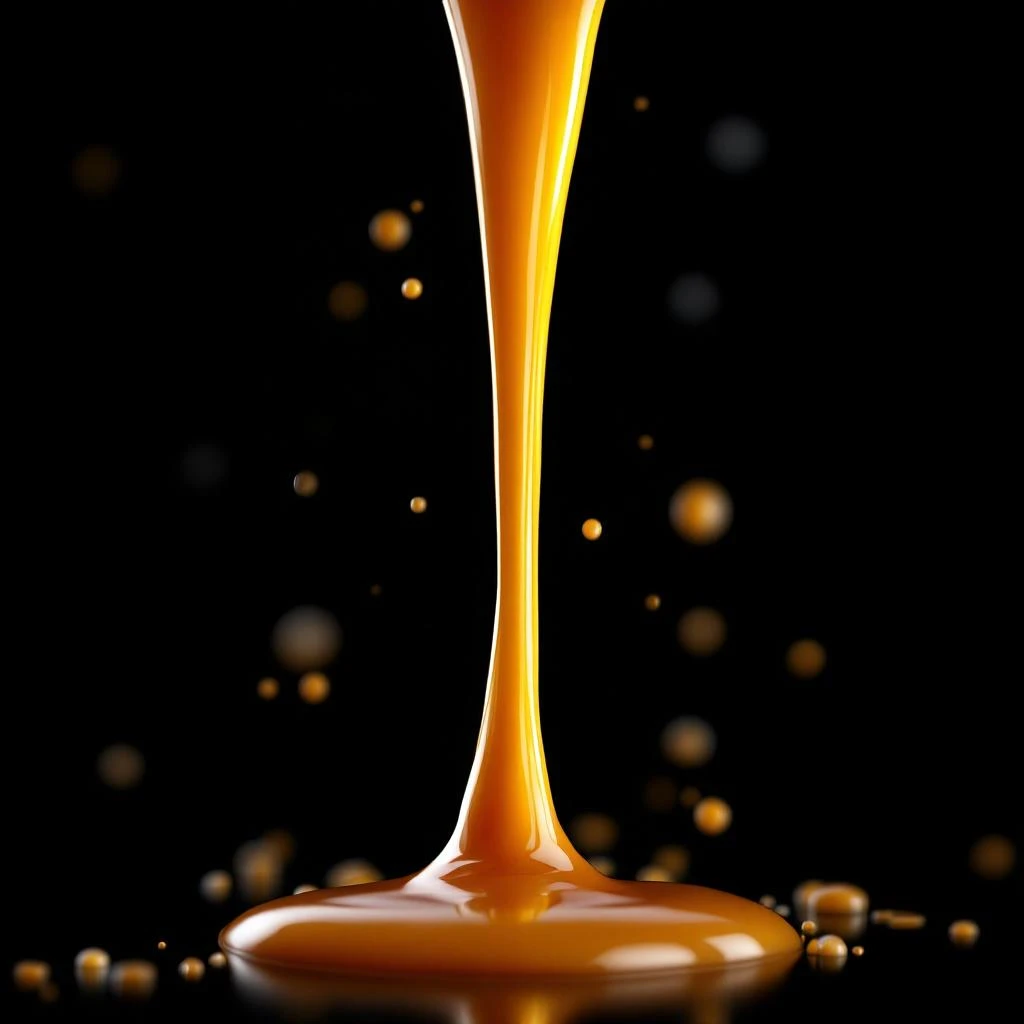
Sweet tropical fruit captured in an ester, evoking sun-ripened sweetness and playful warmth.
The banana flavor in candy was actually designed to match the Gros Michel variety, nearly wiped out by Panama disease in the 1950s and replaced by today's Cavendish, which has less isoamyl acetate.






Origin
Southeast Asia
When chemists first synthesized isoamyl acetate in mid-19th century England, they marketed it as pear oil, since Americans and Europeans were unfamiliar with bananas. The 1876 Philadelphia Centennial Exhibition introduced bananas to mainstream American consciousness at 10 cents each, and the fruit's popularity exploded. By the early 1900s, candy makers were crafting artificial banana flavors modeled on the dominant Gros Michel variety, which contained significantly more isoamyl acetate than modern cultivars.
The 1912 work of chemist Clemens Kleber confirmed that isoamyl acetate was indeed the signature banana molecule. A decade later, Perfume expert H. R.
R. formalized banana esters as a recognized perfumery ingredient, cementing its place in fragrance creation alongside rose and jasmine.
Wears it best
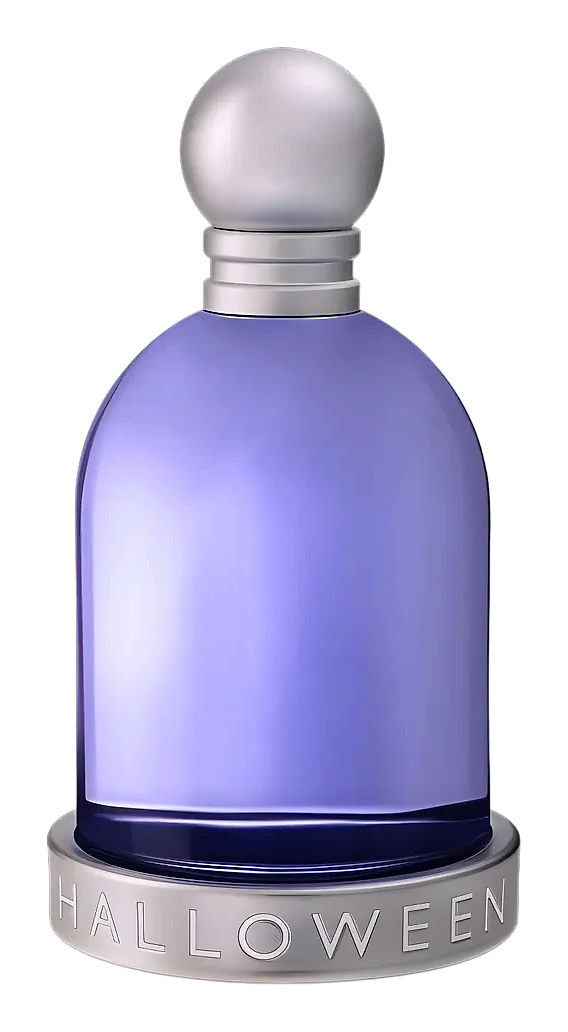
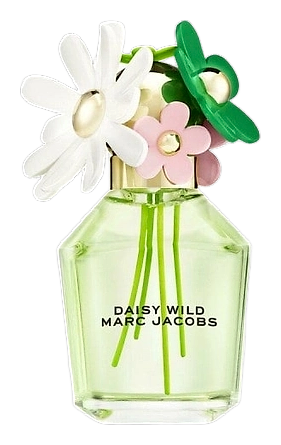
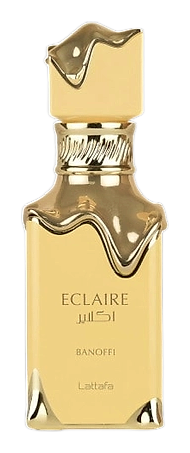
Fragrances featuring Banana
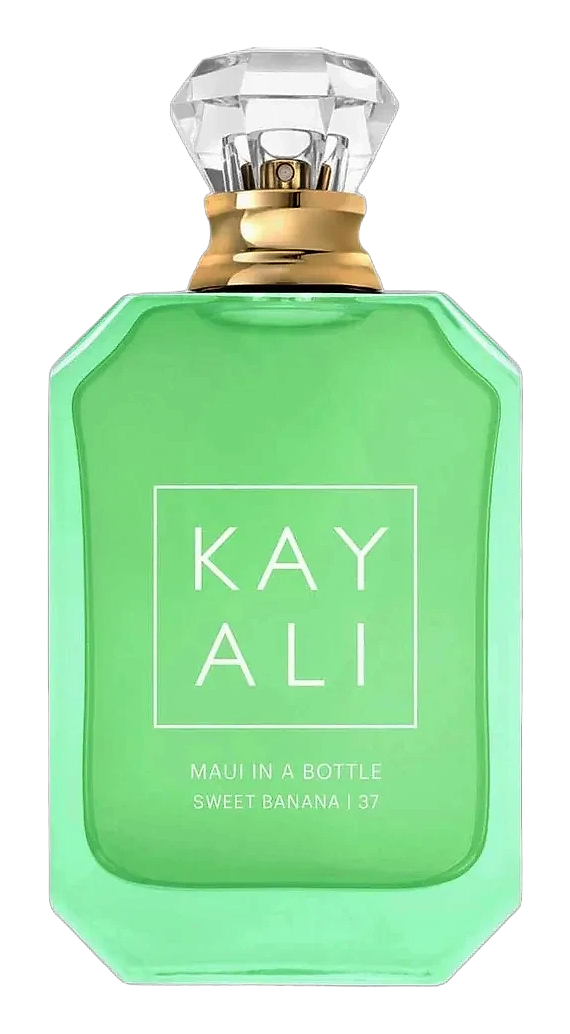
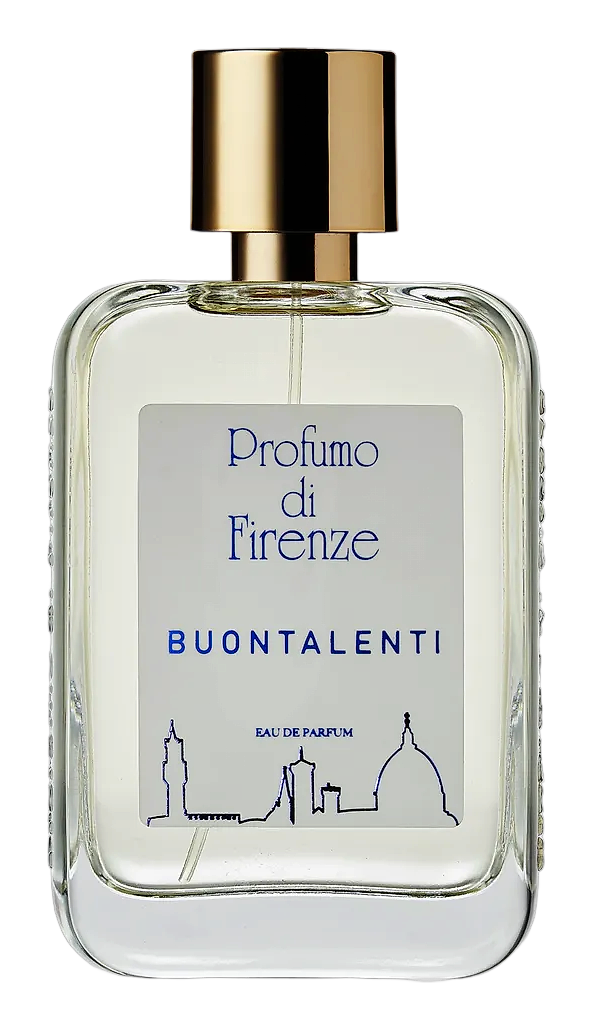

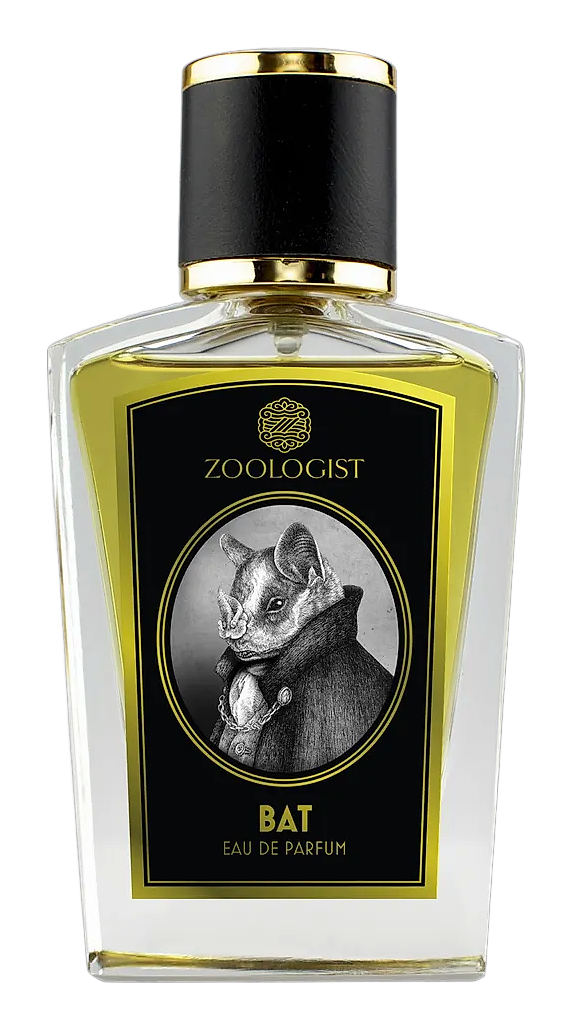
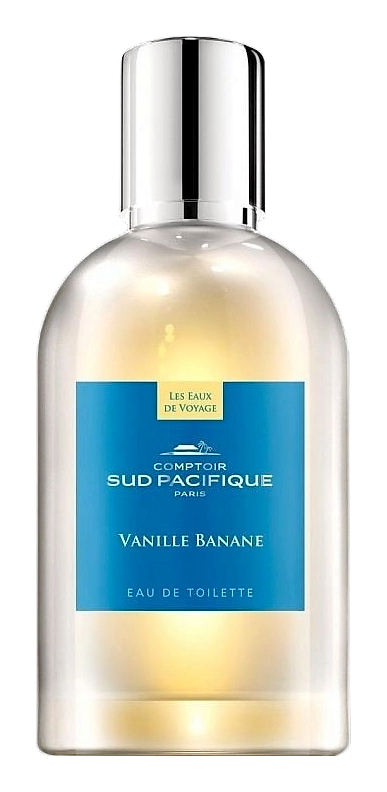
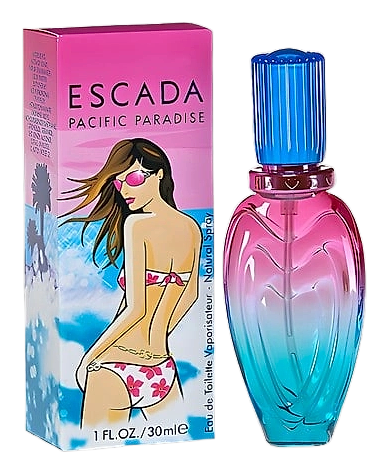
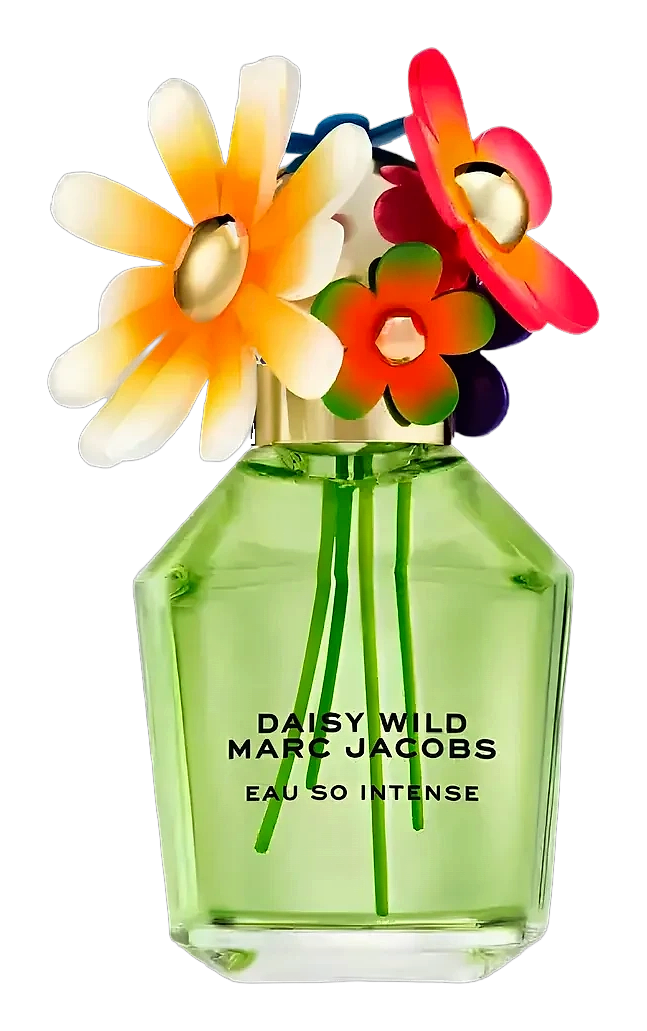
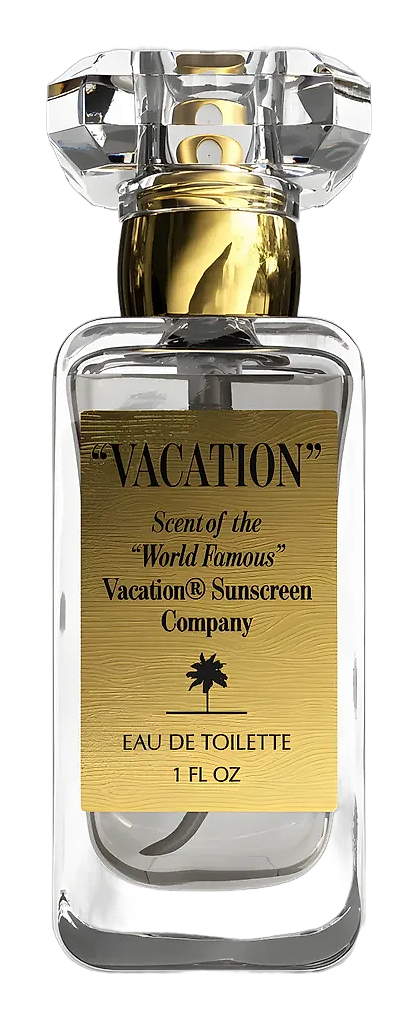
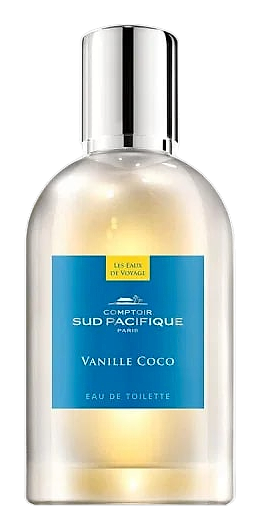
Brands
Brands known for Banana
Good to know
Questions, answered
The essentials on Banana in perfumery: how it smells, where it comes from, and how it behaves on skin.
What does Banana smell like in perfume?
Banana in perfume smells like sweet, ripe tropical fruit with a distinctive isoamyl acetate character. It carries undertones of pear, strawberry, and creamy vanilla, creating a playful, gourmand quality. Professional perfumers detect subtle notes of mulberry and melon alongside the primary banana sweetness.
Why is Banana used in perfumery?
Banana adds playful, tropical warmth to fragrance compositions. Perfumers use isoamyl acetate to create fruity accords, enhance gourmand themes, or introduce a sense of sweetness without heaviness. It works particularly well in modern niche fragrances seeking distinctive, conversation-starting characters.
Is Banana in perfume natural or synthetic?
Banana in perfume is almost always synthetic isoamyl acetate. While the ester occurs naturally in bananas and other fruits, synthetic production ensures consistent olfactory profiles across batches. Natural banana absolute exists but remains rare and variable compared to the standardized synthetic version.
What famous perfumes contain Banana?
Banana notes appear in fragrances like Commodity Book, Gan笼 Ch千e Abstract, and various Demeter offerings. Most major fashion houses incorporate isoamyl acetate in their fruity flankers. Banana typically appears as a supporting note rather than a dominant character in mainstream perfumery.
Is Banana a top note, heart note, or base note?
Banana functions primarily as a heart note in fragrance construction. Its medium-intensity character emerges after top notes dissipate, lasting approximately 2-4 hours on skin. Perfumers rarely use it as a base note since the molecule lacks the substantivity needed for dry-down anchoring.
What notes pair well with Banana in perfume?
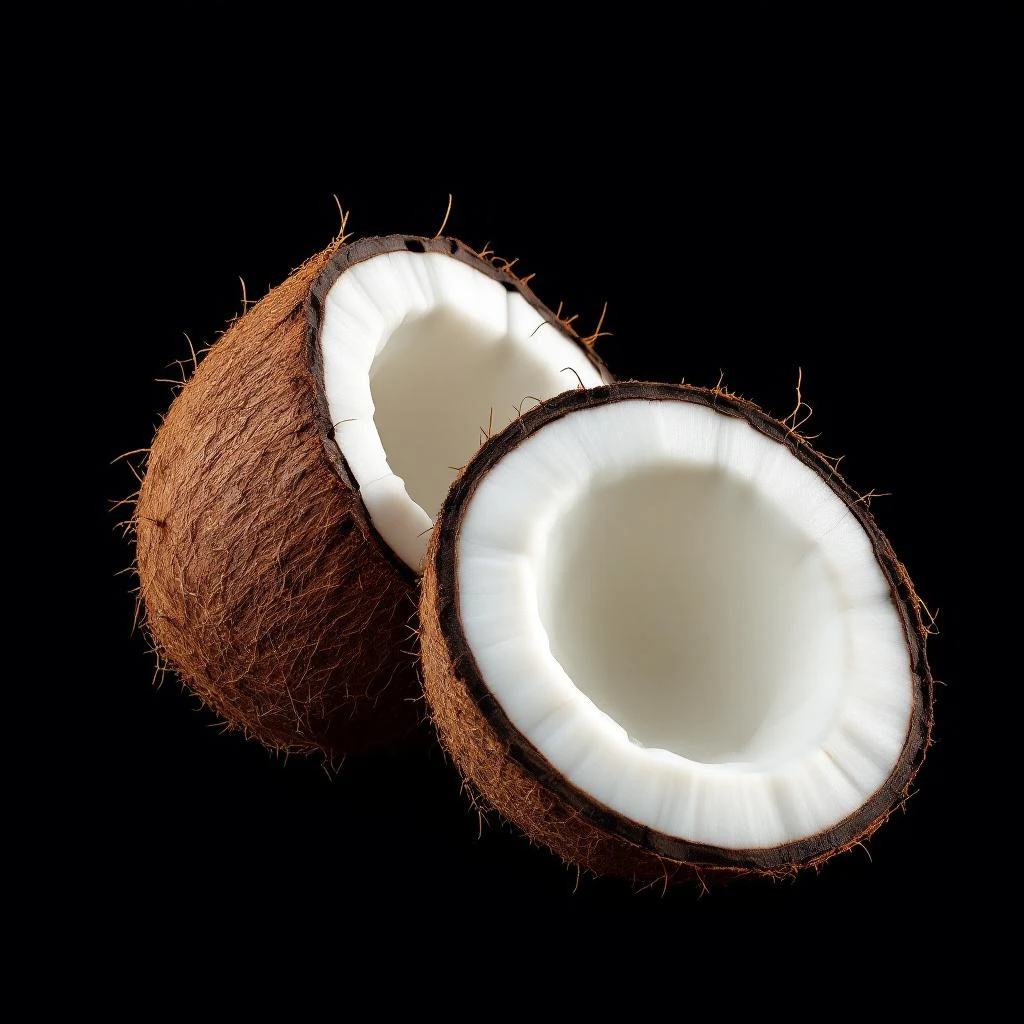
Banana pairs naturally with vanilla, coconut, and ylang-ylang in tropical compositions. Woody notes like sandalwood ground its sweetness, while citrus and green notes like bergamot and fig provide contrast. For gourmand effects, caramel, rum, and buttery accords complement its sweet character.
Where does Banana come from?
Wild banana species originated in Southeast Asia, with evidence of cultivation dating back 7,000-10,000 years in Papua New Guinea. Commercial perfumery now relies on synthetic isoamyl acetate produced globally from isoamyl alcohol and acetic acid. Tropical regions including India, the Philippines, and Indonesia remain the source of any natural banana extracts used in fine fragrance.
Is Banana used in men's or women's fragrances?
Banana appears across gender categories in contemporary perfumery. Niche houses regularly feature isoamyl acetate in masculine, feminine, and unisex compositions. The ingredient's playful character sometimes leads to heavier use in women's and unisex fragrances, but gender associations reflect marketing conventions rather than olfactory limitations.