
    Brand Profile

    Keiko Mecheri is an American niche perfume house that emerged from the boutique world of scented candles and body care in the late 1990s. Ba…More

    United States·Est. 1997·Site

    5

    Fragrances

    3.9

    Rating

    50
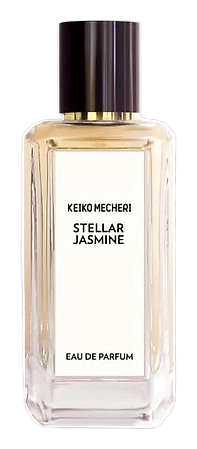
    Stellar Jasmine by Keiko Mecheri
    Best Seller
    4.7

    Stellar Jasmine

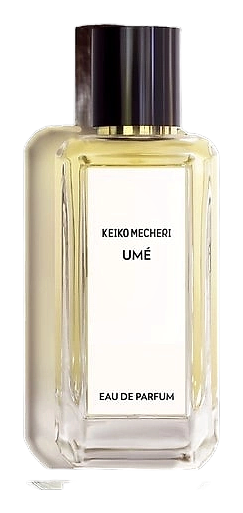
    Umé by Keiko Mecheri – Eau de Toilette
    4.1

    Umé

    Eau de Toilette

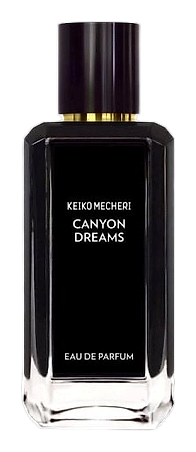
    Canyon Dreams by Keiko Mecheri
    4.0

    Canyon Dreams

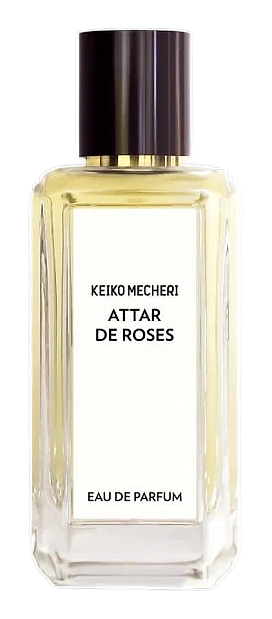
    Attar de Roses by Keiko Mecheri
    Best Seller
    4.4

    Attar de Roses

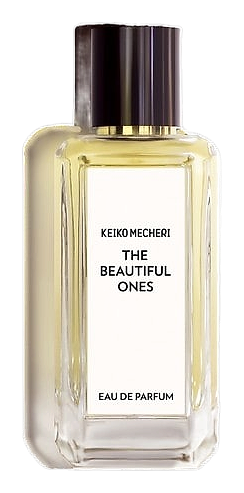
    The Beautiful Ones by Keiko Mecheri
    Best Seller
    4.3

    The Beautiful Ones

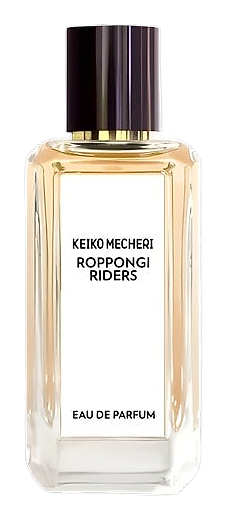
    Roppongi Riders by Keiko Mecheri
    4.2

    Roppongi Riders

    Grand Soiree by Keiko Mecheri
    4.2

    Grand Soiree

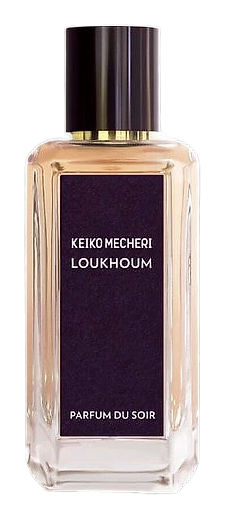
    Loukhoum Parfum du Soir by Keiko Mecheri
    4.2

    Loukhoum Parfum du Soir

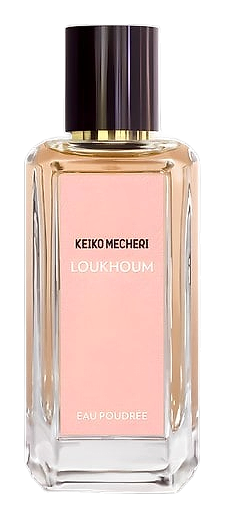
    Loukhoum Eau Poudree by Keiko Mecheri
    4.2

    Loukhoum Eau Poudree

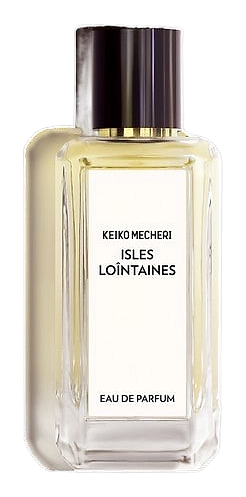
    Isles Loîntaines by Keiko Mecheri
    4.1

    Isles Loîntaines

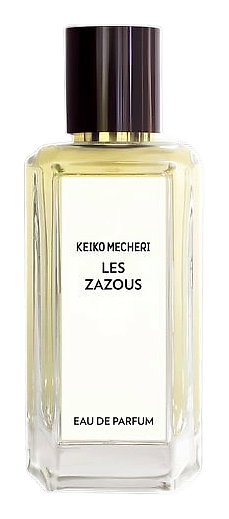
    Les Zazous by Keiko Mecheri
    4.1

    Les Zazous

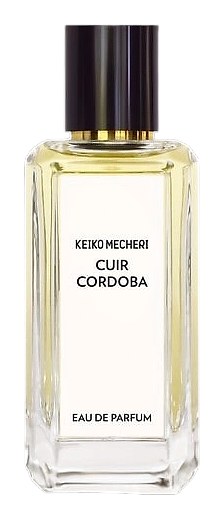
    Cuir Cordoba by Keiko Mecheri
    4.1

    Cuir Cordoba

    1 of 5

    The Heritage

    The Story of Keiko Mecheri

    Keiko Mecheri is an American niche perfume house that emerged from the boutique world of scented candles and body care in the late 1990s. Based in Beverly Hills, California, the brand translates a personal love of fragrance into a curated catalogue that includes both classic attars and modern olfactory experiments. Its line spans rose‑laden compositions such as Attar de Roses (2010) to urban narratives like Roppongi Riders (2024). The house remains independent, producing limited batches that appeal to collectors who value authenticity over hype.

    Heritage

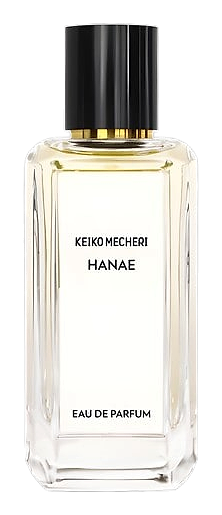
    The story began in 1997 when Keiko Mecheri and her husband Kamel launched a small studio in Beverly Hills under the name Bazaar des Scent​urs. Their initial offering consisted of scented candles, body lotions and other home fragrance products, a strategy that let them refine scent blending without the pressure of mass‑market expectations. By 2000 the duo introduced their first three personal perfumes – Hanae, a delicate cherry blossom, followed by two complementary scents that hinted at the brand’s future direction. In 2008 the house released Loukhoum Parfum du Soir and its companion Eau Poudrée, both emphasizing powdery incense notes that would become a signature. The early 2010s saw a burst of creativity: Attar de Roses (2010) celebrated the timeless allure of the rose, while Isles Loîntaines (2010) evoked distant coastlines with marine accords. Grand Soiree (2015) marked a shift toward richer, celebratory compositions, and The Beautiful Ones (2018) introduced a softer, more intimate narrative. The most recent addition, Roppongi Riders (2024), captures the kinetic energy of Tokyo’s nightlife with a blend of metallic spice and urban musk. Throughout its evolution, Keiko Mecheri has remained a family‑run operation, expanding its portfolio while preserving the hands‑on approach that defined its early years. The brand’s longevity reflects a steady commitment to niche perfumery, a market segment that values story, craftsmanship, and the freedom to explore unconventional scent structures.

    Craftsmanship

    Production at Keiko Mecheri unfolds in a modest Los Angeles studio where small‑batch blending allows the perfumers to monitor each stage closely. Ingredients are sourced from established suppliers in France, Morocco, India and Japan, with a particular focus on high‑quality absolutes and essential oils. For attar‑style releases like Attar de Roses, the house employs traditional steam‑distillation and maceration techniques that preserve the raw character of the botanical material. Modern compositions, such as Roppongi Riders, incorporate synthetic aroma chemicals to achieve precise metallic and urban notes, but these synthetics are selected for their stability and safety rather than sheer novelty. Quality control includes multiple olfactory evaluations by the founders and a panel of trusted testers before a fragrance leaves the lab. Bottling is performed by a local glass manufacturer that supplies clear, heavy‑wall vessels; each bottle receives a hand‑applied label and a simple black cap, reinforcing the brand’s minimalist aesthetic. The final product is sealed in a recyclable box that contains a brief story card, underscoring the house’s commitment to both tactile experience and environmental responsibility.

    Design Language

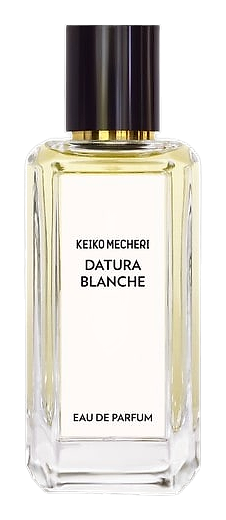
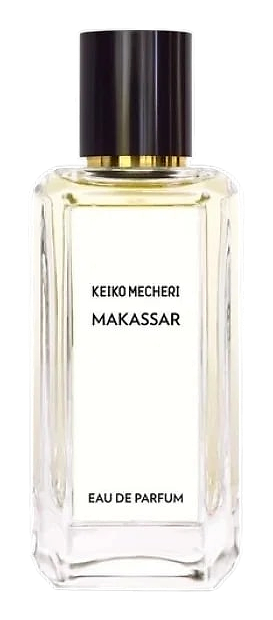
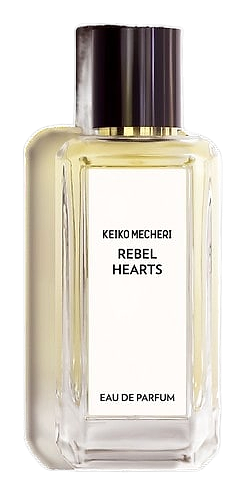
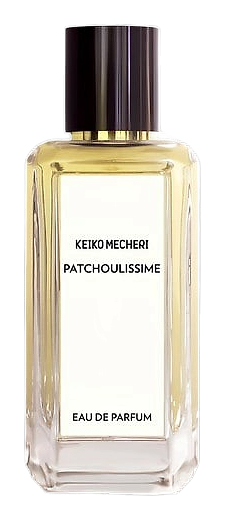
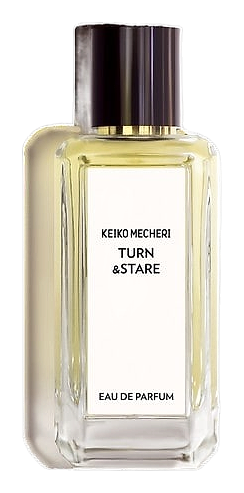
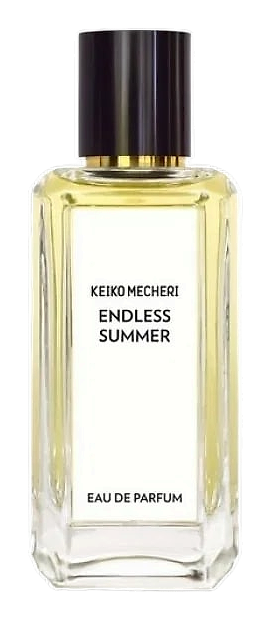
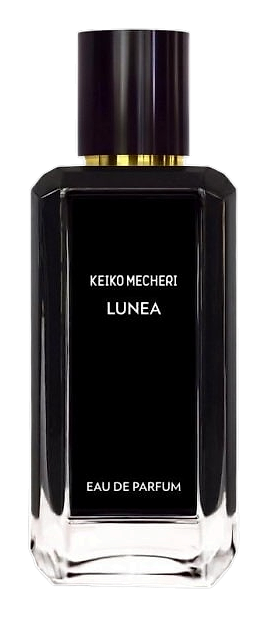
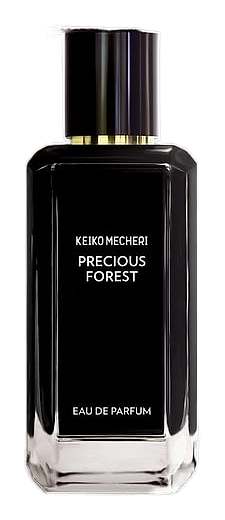
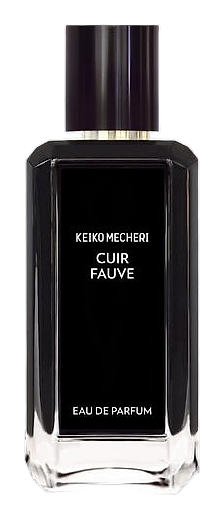
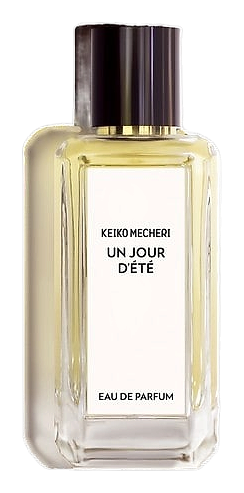
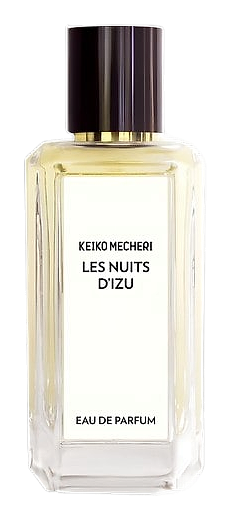
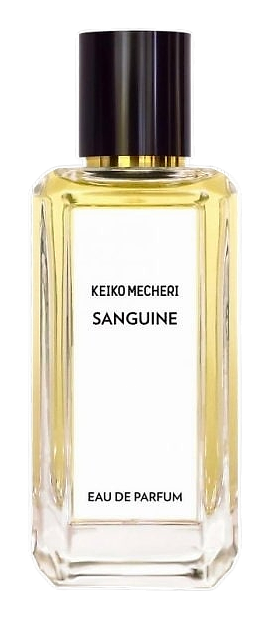
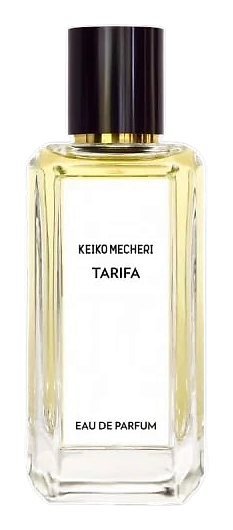
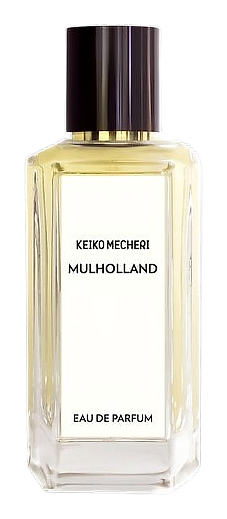
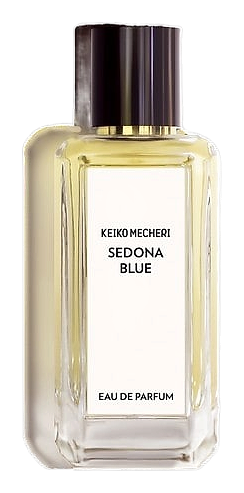
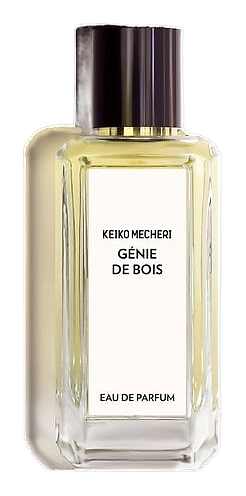
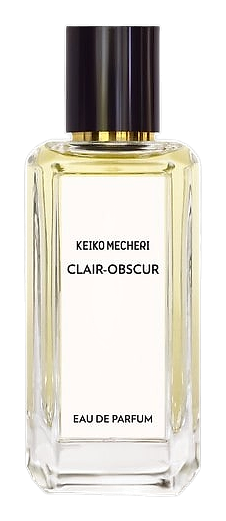
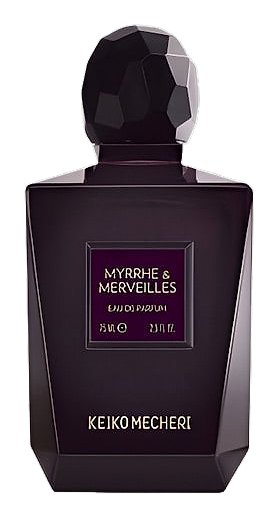
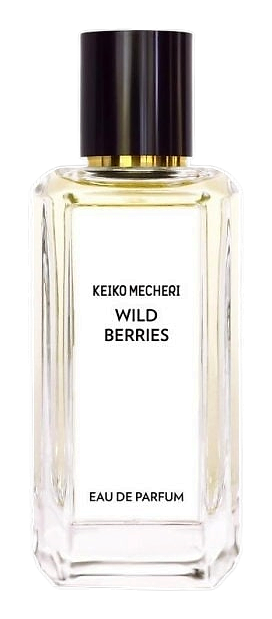
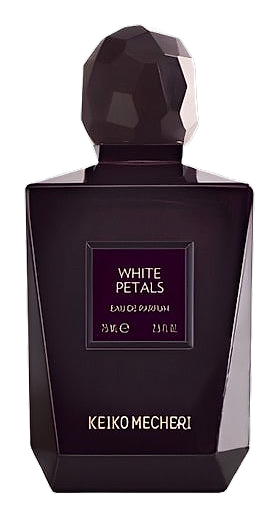
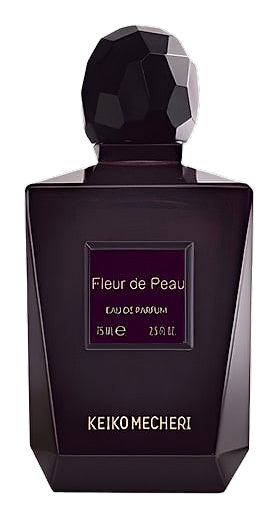
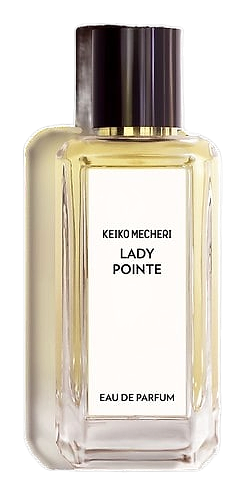
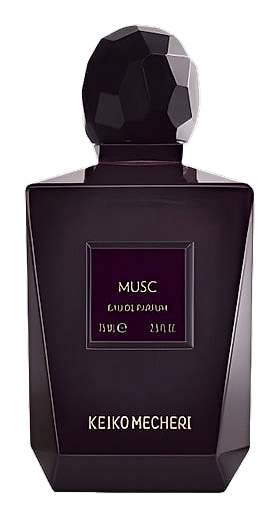
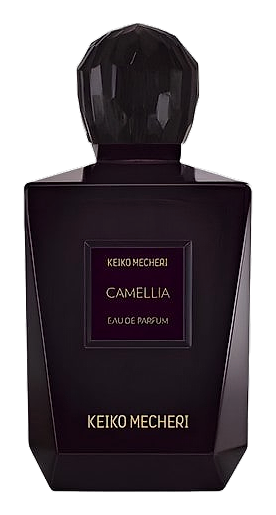
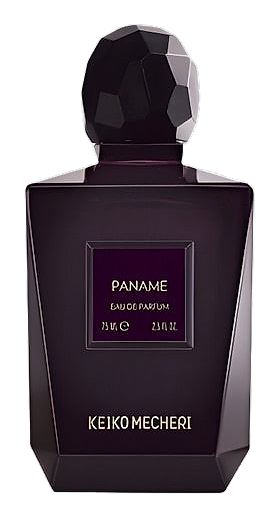
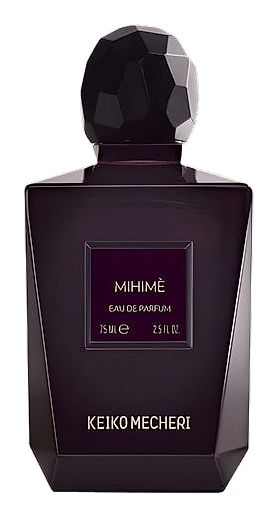
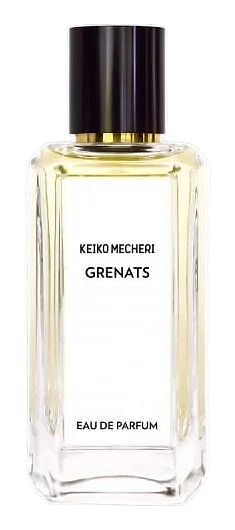
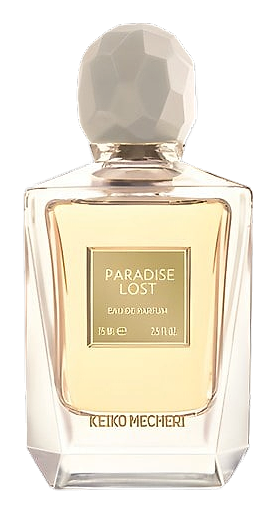
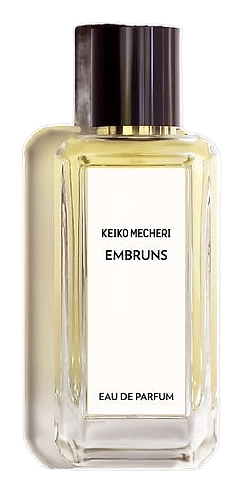
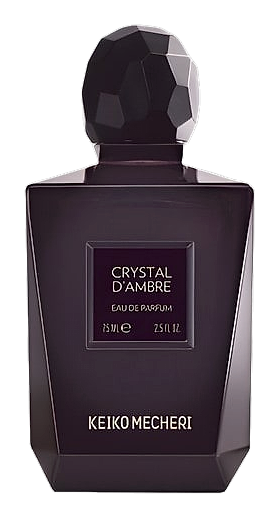
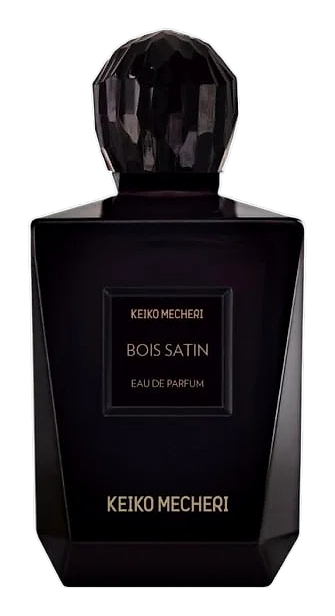
    Visually, Keiko Mecheri favors restraint. Bottles are typically clear glass with clean lines, allowing the perfume’s colour to become the focal point. Caps are matte black or brushed metal, offering a subtle contrast that hints at the scent’s depth without overwhelming the eye. Typography on the label uses a classic serif font, echoing the brand’s respect for tradition while remaining legible on a small surface. The overall packaging adopts a neutral palette – whites, greys and occasional muted pastels – which positions the fragrance as a timeless object rather than a seasonal trend. Promotional photography often features minimalist settings: a single bottle on a marble slab, soft natural light, and occasional hints of the scent’s inspiration, such as rose petals for Attar de Roses or cityscape silhouettes for Roppongi Riders. This visual language reinforces the house’s narrative‑driven approach, inviting the consumer to imagine the story behind each scent before the first spray.

    Philosophy

    Keiko Mecheri positions itself as an independent voice in a crowded fragrance landscape. The founders have repeatedly emphasized a desire to create scents that feel personal rather than commercial, drawing on both Eastern incense traditions and Western perfume techniques. Their creative process starts with a narrative – a memory, a place, or an emotion – which then guides ingredient selection. The brand avoids trend‑driven formulas, opting instead for compositions that can stand alone in a collection. Sustainability appears in their sourcing choices; the house prefers natural absolutes and essential oils obtained from growers who practice responsible harvesting. Transparency is another pillar: product descriptions often note the origin of key ingredients, such as rose oil from Bulgaria or sandalwood from India. This openness reflects a broader belief that fragrance should be an honest dialogue between creator and wearer, a principle that informs everything from marketing language to packaging decisions.

    Key Milestones

    1997

    Keiko and Kamel Mecheri founded the company as Bazaar des Senteurs in Beverly Hills, focusing on scented candles and body care.

    2000

    Introduced the first three personal fragrances, including Hanae, marking the brand’s entry into niche perfumery.

    2008

    Released Loukhoum Parfum du Soir and Loukhoum Eau Poudrée, establishing a signature incense‑centric style.

    2010

    Launched Attar de Roses and Isles Loîntaines, expanding the portfolio with both classic and exploratory compositions.

    2015

    Grand Soiree debuted, showcasing a richer, celebratory scent architecture.

    2018

    The Beautiful Ones arrived, offering a softer, intimate fragrance narrative.

    At a Glance

    Brand profile snapshot

    Origin

    United States

    Founded

    1997

    Heritage

    29

    Years active

    Collection

    5

    Fragrances released

    Avg Rating

    3.9

    Community sentiment

    Release Rhythm

    2024
    3
    2020
    3
    2018
    3
    2015
    3
    2014
    1
    2013
    1
    2012
    7
    2011
    1
    keikomecheri.com

    Did You Know?

    Interesting Facts

    Distinctive details and defining moments that shape the house personality.

    01

    The brand originally operated under the French‑styled name Bazaar des Senteurs before rebranding to Keiko Mecheri.

    02

    Founders Keiko and Kamel are a husband‑and‑wife team who met while studying fragrance chemistry in Europe.

    03

    Keiko Mecheri’s early incense collection was inspired by traditional Middle Eastern rituals, a rare focus among American niche houses.

    04

    Despite being based in California, the house sources rose oil from Bulgaria and sandalwood from India, reflecting a truly global ingredient palette.

    The Artisans

    The Perfumers