
The Story
Why it exists.
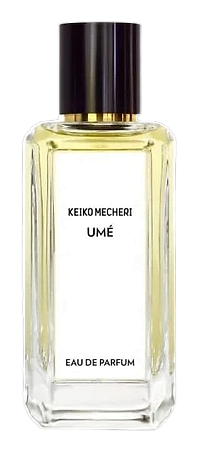
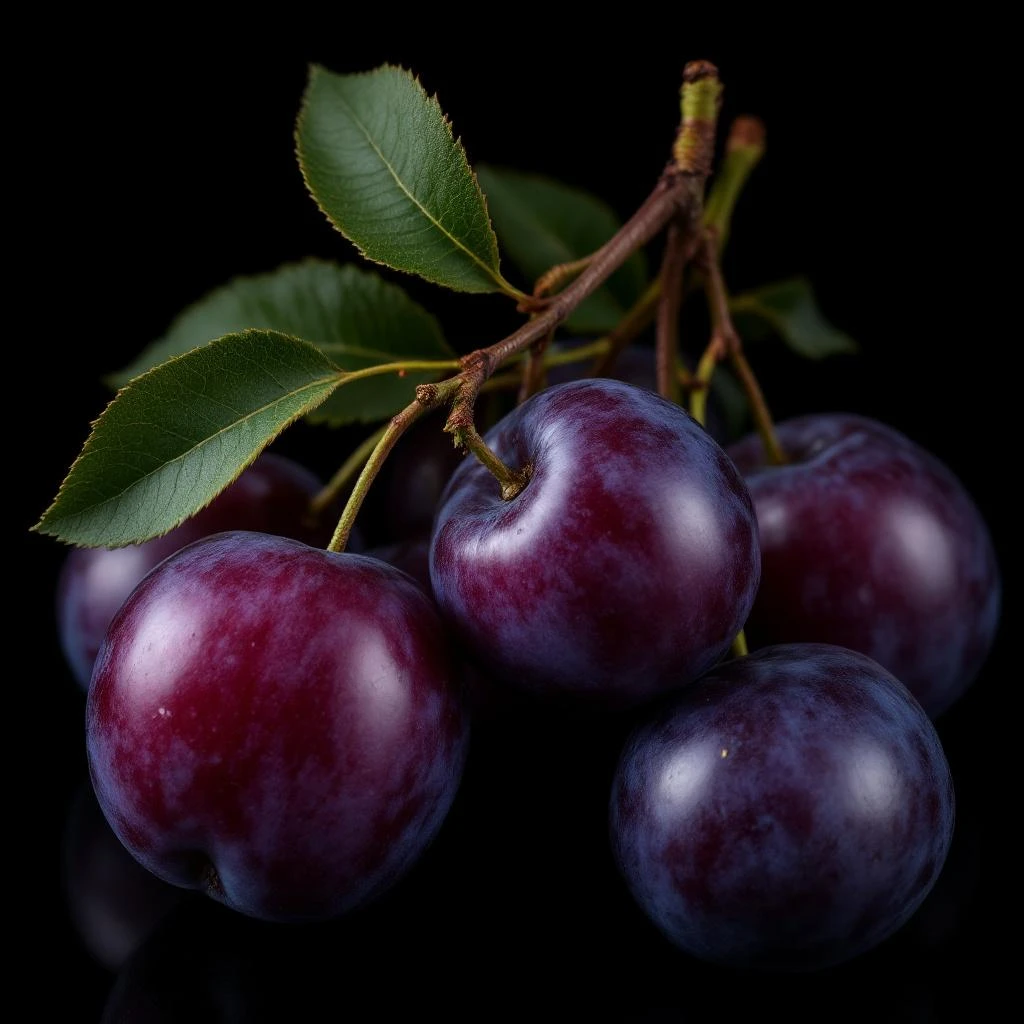
The Japanese plum has a story worth knowing. Brought from China to Japan centuries ago, ume blooms in the cold of late winter, before the sakura, before the world expects color. It became a symbol of resilience, of beauty arriving on its own terms. In Japan, plum and cherry together mark the turning of seasons. Keiko Mecheri's Umé takes this as its subject. Not the fruit itself, but the feeling of it: that early tension, the anticipation of warmth. Released in 2003, the fragrance draws from Art Deco elegance and the glamorous dandies of post-war Algiers. Rodrigo Flores-Roux translated the idea into a chypre structure that feels both rooted and luminous, a precursor scent, the brand calls it, capturing wild elegance through precious woods and silken florals.
If this were a song
Community picks
Tout est froid
Alain Bashung
The Beginning
The Japanese plum has a story worth knowing. Brought from China to Japan centuries ago, ume blooms in the cold of late winter, before the sakura, before the world expects color. It became a symbol of resilience, of beauty arriving on its own terms. In Japan, plum and cherry together mark the turning of seasons. Keiko Mecheri's Umé takes this as its subject. Not the fruit itself, but the feeling of it: that early tension, the anticipation of warmth. Released in 2003, the fragrance draws from Art Deco elegance and the glamorous dandies of post-war Algiers. Rodrigo Flores-Roux translated the idea into a chypre structure that feels both rooted and luminous, a precursor scent, the brand calls it, capturing wild elegance through precious woods and silken florals.
What makes Umé unusual is where it sits in the landscape. Fruity-floral fragrances often trend toward simplicity, a bright opening, a sweet heart, a quick fade. Umé takes the same ingredients and treats them differently. The plum isn't a concession to sweetness; it's the spine of the composition. Wisteria and osmanthus don't just provide fragrance, they create a specific type of floral that Western perfumery rarely touches. Chinese osmanthus carries apricot and leather in one note. Japanese wisteria adds violet-like sweetness without being a violet. Together, they build a heart that feels simultaneously airy and substantial.
The Evolution
The opening is cool and tart. Bergamot, yellow mandarin, and plum arrive together, the citrus cutting through the fruit's sweetness like cold air through an open window. Spice sits underneath: pepper, a hint of something warmer. For the first twenty minutes, Umé reads clean and bright, almost minimalist. Then the florals arrive. Wisteria comes first, a violet-adjacent sweetness that surprises. Osmanthus follows, bringing apricot and something faintly animalic, the leather edge that makes this note so distinct in real life. Camellia, peony, jasmine, and peach blossom layer on top, creating a middle stage that feels both airy and rich. The progression from citrus-fruit to deep floral takes about thirty minutes. The base is where Umé earns its name. Mahogany and hinoki arrive together, Japanese wood meeting tropical hardwood in a quiet conversation about depth. Patchouli adds earth, oakmoss adds that classic chypre tension. The florals don't disappear; they soften, becoming a powdery warmth that lives close to the skin.
Cultural Impact
Umé occupies an interesting position in niche perfumery: specific enough to reward attention, but never loud about its credentials. It doesn't have the cultural footprint of a House fragrance or the trend-driven visibility of a brand that chases seasons. What it has is staying power, the kind of quiet relevance that comes from doing something genuinely distinctive.
The House
United States · Est. 1997
Keiko Mecheri is an American niche perfume house that emerged from the boutique world of scented candles and body care in the late 1990s. Based in Beverly Hills, California, the brand translates a personal love of fragrance into a curated catalogue that includes both classic attars and modern olfactory experiments. Its line spans rose‑laden compositions such as Attar de Roses (2010) to urban narratives like Roppongi Riders (2024). The house remains independent, producing limited batches that appeal to collectors who value authenticity over hype.
If this were a song
Community picks
The scent of ume blooms opening before anyone expects them. There's a tension in this fragrance, cool air meeting warmth underneath, florals arriving before the season fully arrives. The music here carries that same quality: quiet confidence, a sense of anticipation, spring arriving on its own terms. Think late-night clarity mixed with morning light.
Tout est froid
Alain Bashung