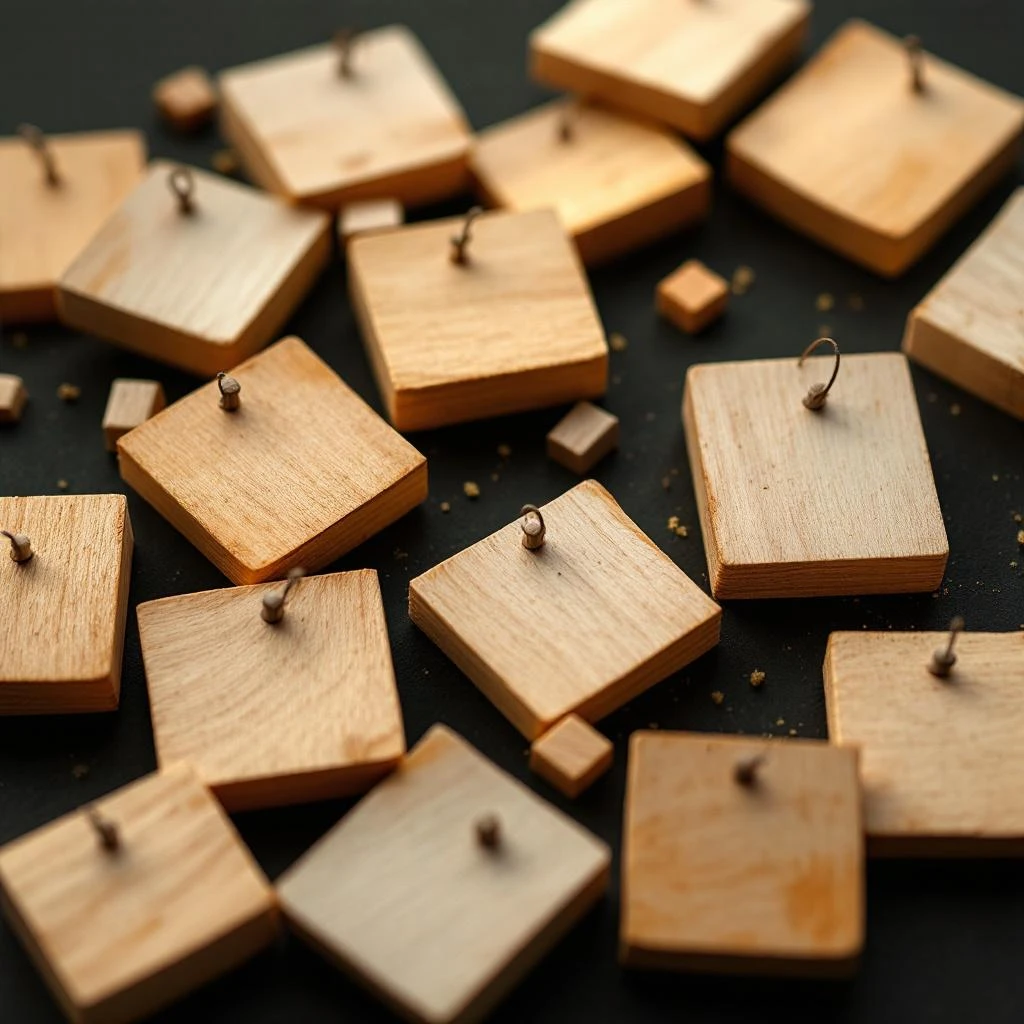
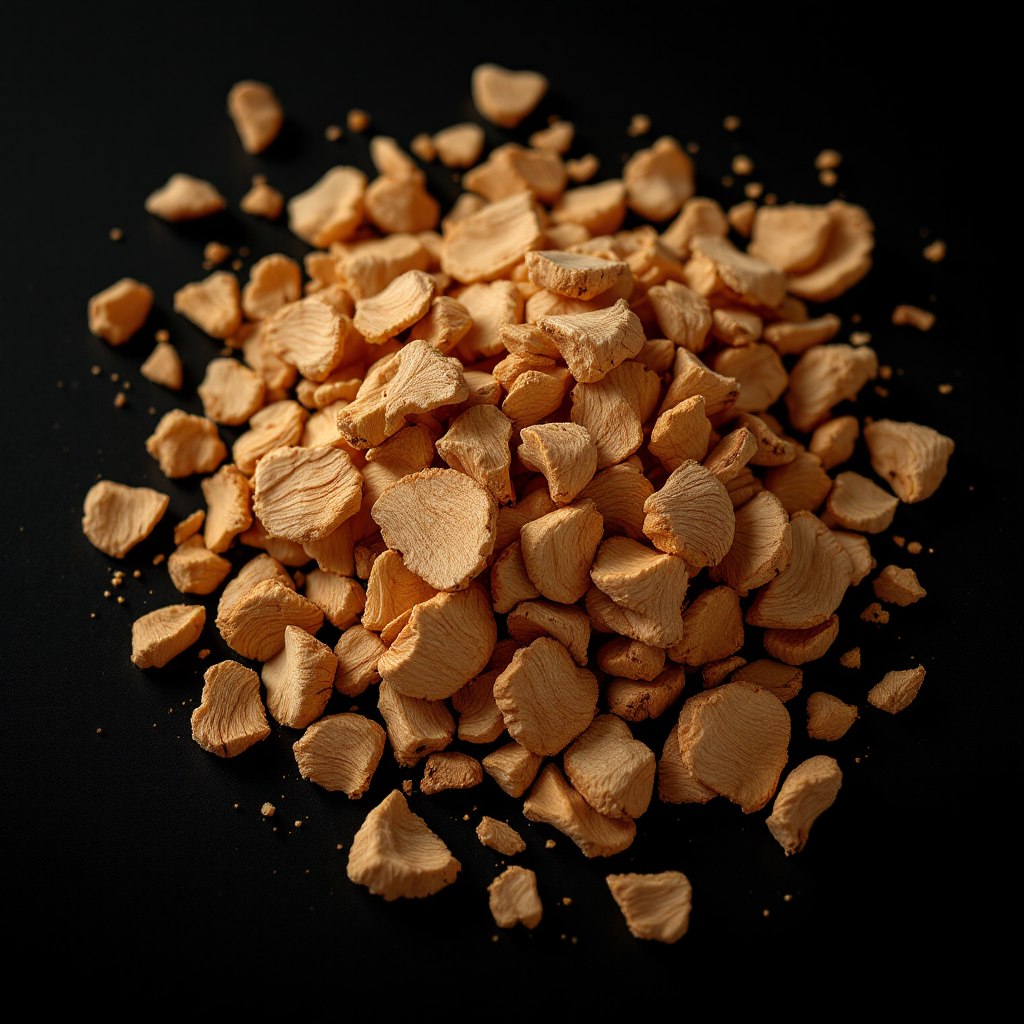
Hinoki Wood
Sacred Japanese cypress prized in fine perfumery. Hinoki offers a camphoraceous, lemon-tinged woodiness that is grounding yet luminous, a meditative note evoking temple timber, cool forest air, and quiet ceremony.
Character
How it smells
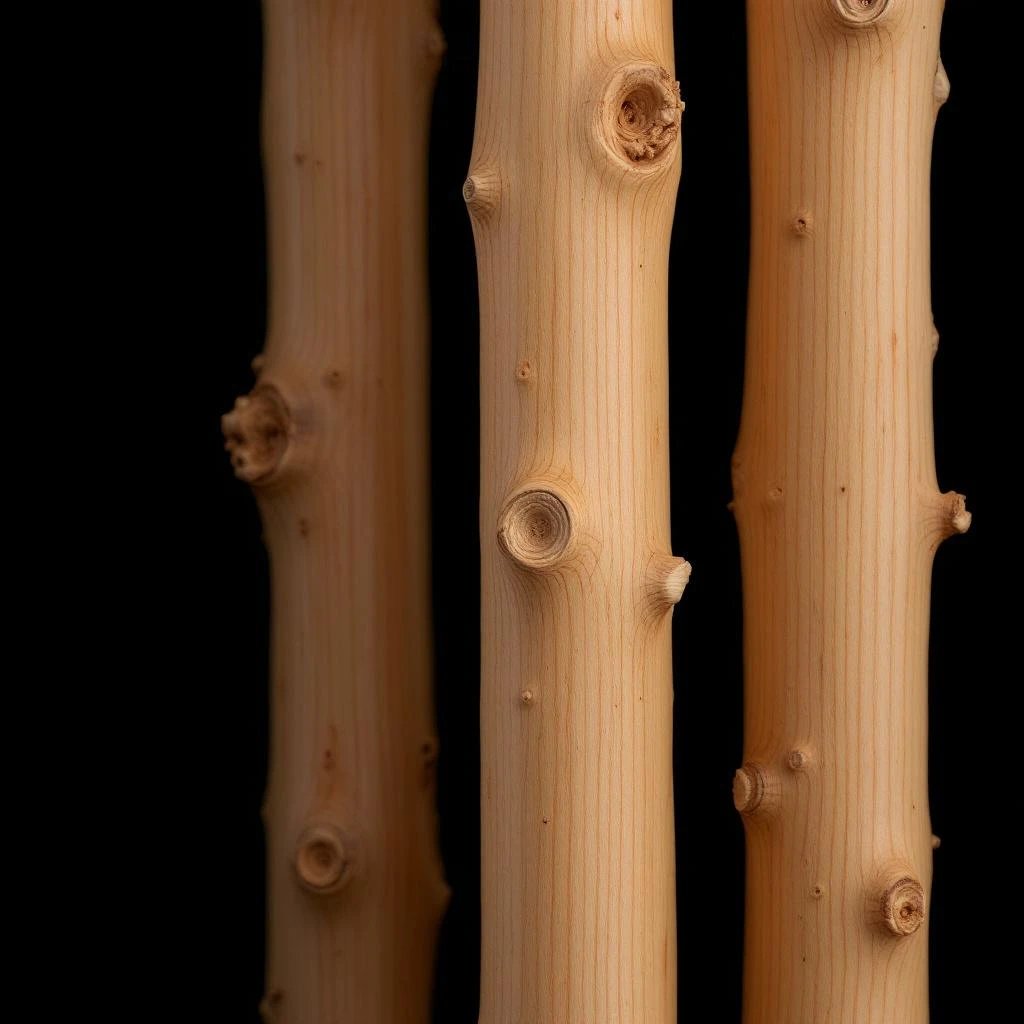
Sacred Japanese cypress. Luminous and meditative wood.
Hinoki contains hinokitiol, the first non-benzenoid aromatic compound ever identified, a seven-membered ring that upended aromatic chemistry.









Origin
Japan
The Japanese regard hinoki as sacred. Its pale wood and straight grain have built temples, shrines, and torii gates for over a thousand years.
Shinto tradition assigns the wood purifying properties, and its warm, lemony aroma fills sacred spaces believed to connect the physical and spiritual. Steam distillation of the heartwood captures this essence, bringing the material into Western perfumery only in the late twentieth century.
It remains one of the most prized materials in Japanese culture and perfumery alike. Today Japanese and Western perfumers alike use hinoki to evoke onsen bathhouses and forest bathing, framing it as a serene, minimalist counterpoint to richer Western woods like cedar and sandalwood.
Wears it best
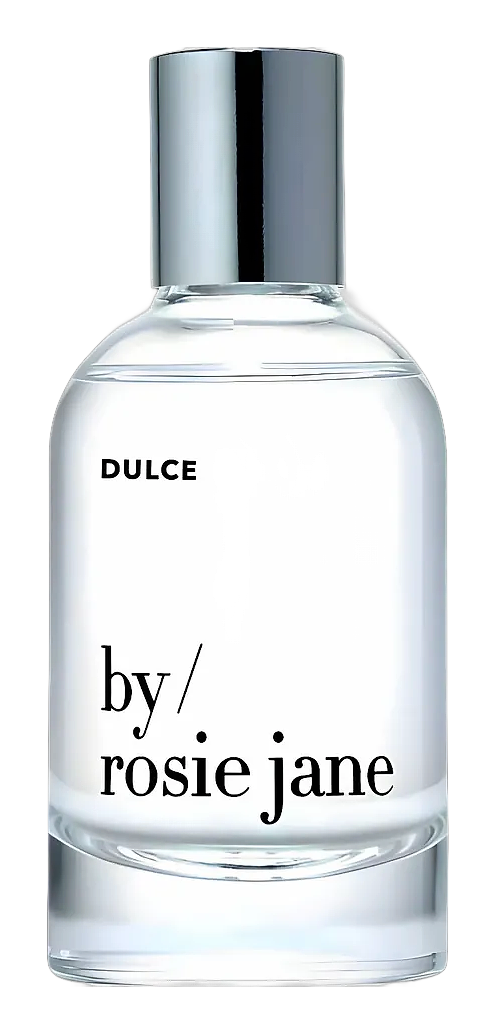
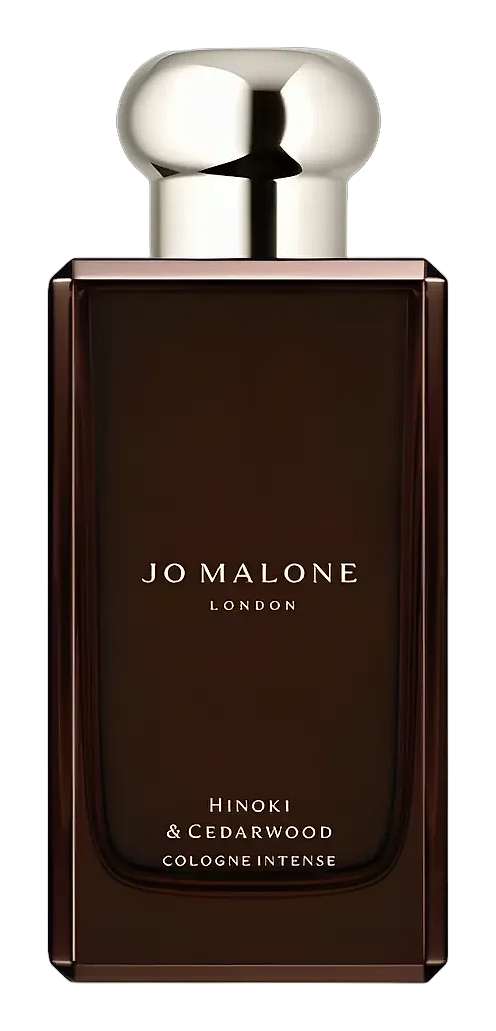
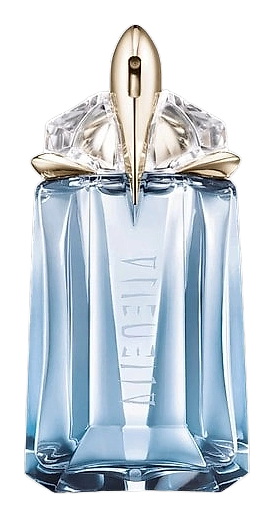
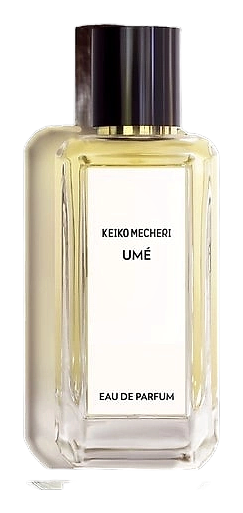
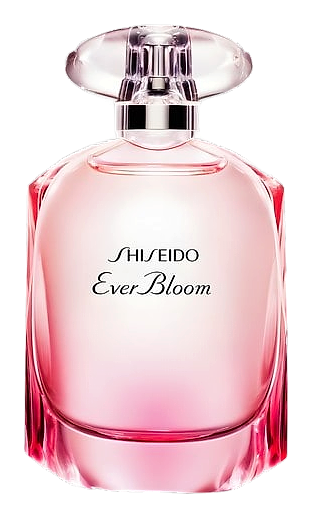
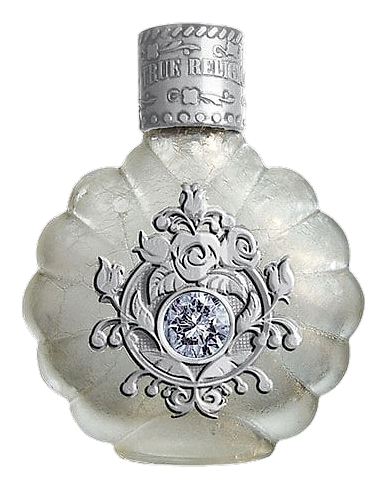
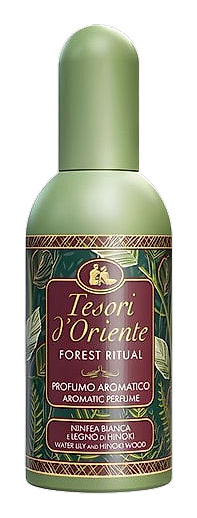
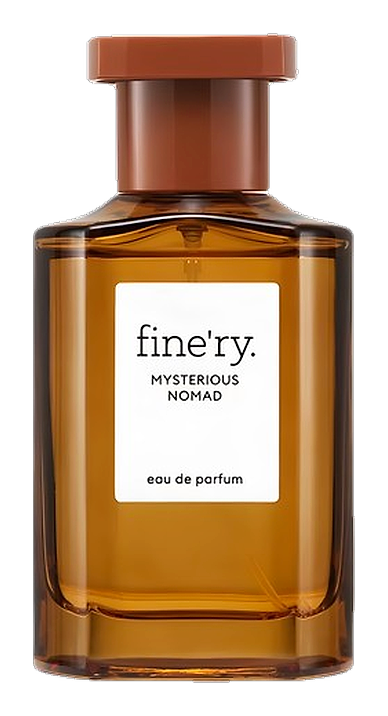
Fragrances featuring Hinoki Wood
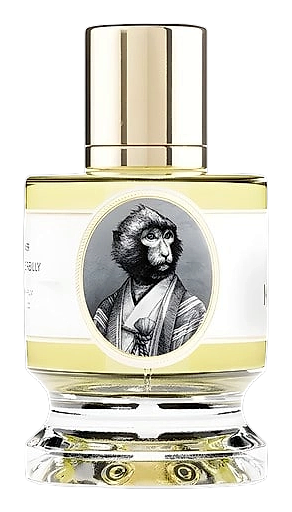
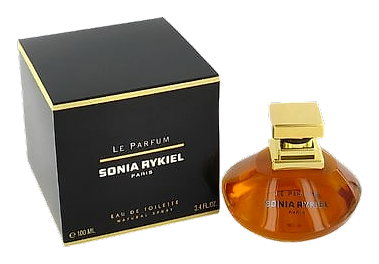
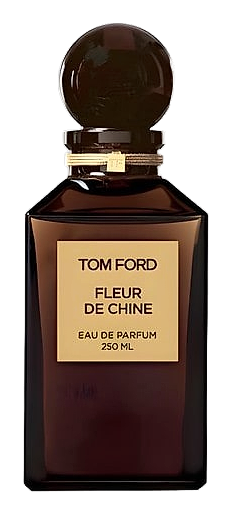
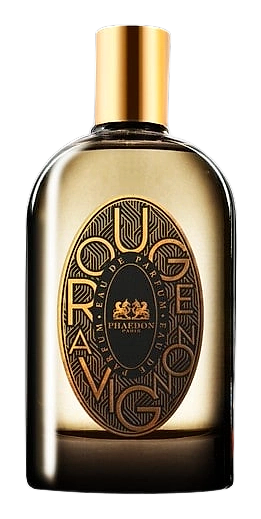
Brands
Brands known for Hinoki Wood
Good to know
Questions, answered
The essentials on Hinoki Wood in perfumery: how it smells, where it comes from, and how it behaves on skin.
What does hinoki wood smell like?
Hinoki opens sharp and settles into quiet warmth. It combines dry, resinous woodiness with camphoraceous freshness and warm cedar undertones, finished with a lemony, slightly citrus character. The scent is notably linear on skin, barely shifting over hours.
Why is hinoki considered sacred?
Shinto tradition regards hinoki as a purifying material. For over a thousand years, artisans have used it to construct shrines and torii gates, spaces believed to bridge the physical and spiritual. The warm, lemony aroma fills these sacred environments.
How is hinoki oil extracted?
Producers extract hinoki oil via steam distillation of the heartwood of Chamaecyparis obtusa. The wood oil differs sharply from leaf oil in chemistry, with alpha-pinene (26 to 53 percent) dominating the heartwood profile.
What compounds define hinoki oil's character?
Alpha-pinene dominates the profile at 26 to 53 percent, followed by delta-cadinene, tau-muurolol, alpha-cadinol, and alpha-terpineol. Trace hinokitiol, a seven-membered ring aromatic, marks the material as distinctly Japanese cypress.
What fragrances pair well with hinoki?
Hinoki pairs naturally with sandalwood, vetiver, and smoky incense notes. Citrus and light green accords lift its fresh character, while deeper resins anchor it. Several compositions by Comme des Garçons and Diptyque showcase this pairing well.
How does hinoki differ from cedarwood?
Hinoki is lighter and more luminous than cedarwood, with a pronounced lemony citrus character and less sweetness. Cedars tend toward pencil-shaving warmth, while hinoki offers a more transparent, camphorated woodiness.
Can synthetic materials replicate hinoki?
No single synthetic replicates hinoki's full profile. Iso E Super combined with cedrol and alpha-pinene fractions approximates the transparent woodiness, but the natural oil's complexity remains unmatched at trace concentrations.
Where does hinoki grow?
Chamaecyparis obtusa grows natively in the mountains of central Japan, primarily on Honshu, Shikoku, and Kyushu. The cool, elevated climate shapes the slow-growing tree's dense, aromatic heartwood.